
2722 Regal Way, Tucker, GA 30084
For more information about senior living options: (866) 208-4318
Overall Review of Phoenix Living At Tucker
Pros
 The Phoenix at Tucker impresses visitors with a high-quality facility and welcoming atmosphere.
- The staff at The Phoenix at Tucker are caring, proactive, and very warm.
- The memory care at The Phoenix at Tucker is wonderful, with staff who are truly dedicated.
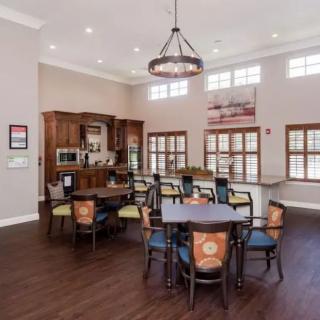
- The facility is spotless, the meals are delicious, and the environment is comfortable and attractive.
- The daily activities and on-site services (like exercise classes and a hairdresser) keep residents engaged.
- Roslyn and Daryl are compassionate leaders who create a true home for residents.
- The whole Phoenix team delivers warm, welcoming care across all roles.
- The Phoenix at Tucker provides safety, comfort, happiness, and meaningful activity through residents' final days.
- The staff feel like an extension of residents' families due to their care and warmth.
- Orchard at Tucker is a top-notch facility with high-quality care, friendly staff, and a welcoming owner.
Cons
 The reviews say the facility has gone downhill drastically under the new ownership.
- They claim the staff did not take care of her, describing it as complete negligence.
- There were times when no staff member could be found in the building, with only front desk personnel present.
- The front desk is no longer staffed 24/7, making it a nightmare to reach someone by phone.
- The awning has not been repaired or repainted for at least a year, and the dumpster doors are in disrepair, giving a bad first impression.
- There is constant turnover, and the caregivers may not stay long.
Review
Phoenix Living at Tucker is best suited for families seeking a warm, socially vibrant option in Tucker, Georgia, with a clear emphasis on memory-care support and personal attention. The community consistently showcases a lively calendar: daily exercise classes, engaging activities, on-site hair services, and holiday events that lift residents’ spirits. The environment feels home-like rather than clinical, with clean spaces, well-kept grounds, and a back park that invites gentle outdoor time. The staff is described as genuinely caring, approachable, and proactive, which translates into a sense of security for families navigating dementia or age-related needs. For seniors who prize human connection and a team that treats residents with real warmth, this community delivers. In short, it works best for those who want meaningful daily engagement, transparency from staff, and a partner in care rather than a distant facility assignment.
Those who may want alternatives are families prioritizing leadership stability and consistently reliable front-desk access. A strand of reviews notes leadership changes over time, with some parents and families feeling the care level waxes and wanes as ownership shifts. If a steady, predictable governance structure matters, this community warrants careful scrutiny of the current leadership team and ongoing staffing patterns. Several commenters caution about responsiveness when issues arise and point to cosmetic maintenance gaps that can give a negative first impression. For families seeking a quieter, smaller, or more tightly regimented setting, exploring options like Orchard at Tucker can provide a useful contrast in governance, staffing consistency, and resident experience. The takeaway is to verify who is in charge today and to evaluate whether the administrative backbone aligns with long-term expectations.
On the upside, the care culture shines through the staff who know residents by name and seem invested in individual well-being. Families point to a memory-care approach that is thorough, proactive, and well-coordinated with families, nurses, and aides. The daily rhythm, fitness classes, social events, and convenient on-site services, helps residents stay engaged, purposeful, and comfortable. Administrative leaders such as Roslyn and Darryl are frequently cited for hands-on involvement and problem-solving that translate into real reassurance for families facing difficult decisions. The presence of a capable kitchen staff, an attentive activity program, and a clean, attractive setting further reinforces confidence that loved ones are treated with dignity. Overall, the combination of dedicated caregivers and a lively, well-supported memory-care environment creates a foundation for meaningful daily life and smoother transitions during medical changes.
However, the experience is not without caveats. Several reviews discuss concerns tied to governance shifts, including reports of uneven care quality after ownership changes and occasional difficulty reaching front-line staff. Cosmetic maintenance issues, such as an unrepaired awning or problematic dumpster doors, suggest the need for tighter upkeep to maintain a consistently positive first impression. A minority narrative claims riskier lapses in safety or responsiveness during staffing shortages, underscoring that a strong, stable leadership team is essential to sustaining the high level of day-to-day care. The core caution is that while many residents thrive, the reliability of the experience can hinge on how well leadership communicates, supports frontline teams, and maintains the physical plant over time. Prospective families must weigh these realities against the warmth and activity level that define the community.
Despite these concerns, the pros frequently offset the cons for families seeking a high-engagement memory-care setting. The care team’s genuine warmth, combined with a robust activity slate and easy access to on-site services, materially improves quality of life and reduces caregiver stress. When problems arise, the most credible reviews describe prompt notifications, visible accountability, and concrete steps to address issues, which matters greatly to families navigating medical challenges. The campus design, clean interiors, tranquil outdoor spaces, and approachable staff, supports a dignified, social lifestyle that keeps residents connected. In practical terms, this means a resident who benefits from structured routines and personal attention is less likely to experience withdrawal or isolation, even amid the natural ebbs and flows of staff coverage. The experience is not perfect, but it remains deeply reassuring for many families.
Bottom-line guidance centers on alignment of expectations with current realities. Phoenix Living at Tucker delivers a compelling blend of memory-care expertise, a warm, engaged staff, and a calendar that keeps residents both active and connected. Prospective buyers should prioritize current leadership visibility, confirm frontline staffing stability, and visit multiple shifts to observe interactions between staff and residents. Ask how care plans are updated, how quickly concerns escalate, and what safeguards exist when staffing is stretched. If steady governance and consistent front-desk coverage are critical, or if long-term reliability is paramount, it may be prudent to compare with alternatives that offer different governance trajectories and staffing models. For families valuing heartfelt care, transparent communication, and a vibrant daily routine, this community remains a strong, persuasive option, provided the leadership and staffing realities line up with long-term expectations.
 3 resident community capacity
 Assisted Living
 Cable or satellite TV
 Dining room
 Fully furnished
 Garden
 Housekeeping services
 Move-in coordination
 Outdoor space
 Telephone
 Wi-Fi/high-speed internet available
 William B Hartsfield-Atlanta International (19 miles away)
 24-hour supervision
 Activities of daily living assistance
 Assistance with bathing
 Assistance with dressing
 Assistance with transfers
 Diabetes diet
 Meal preparation and service
 Medication management
 Special dietary restrictions
 Transportation arrangement (medical)
 Transportation to doctors appointments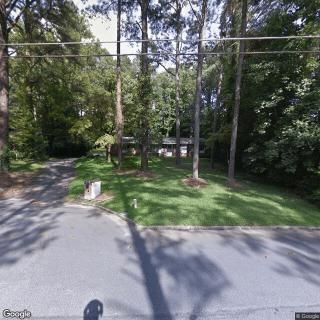



 Understanding the True Cost of Assisted Living in 2025: A Comprehensive Guide
 Understanding Medicaid Coverage for Assisted Living: A Comprehensive Guide
 How and When Medicaid May Cover Assisted Living Costs