
3571 Embry Circle, Atlanta, GA 30341
For more information about senior living options: (866) 208-4318
4.5 from 119 reviews
Igr 6 Embry Circle is an assisted living community in Atlanta, GA.
Information last verified:
3571 Embry Circle, Atlanta, GA 30341
For more information about senior living options: (866) 208-4318
 5 resident community capacity
 Assisted Living
 Board and Care Home
 Cable or satellite TV
 Dining room
 Fully furnished
 Garden
 Housekeeping services
 Move-in coordination
 Outdoor space
 Telephone
 Wi-Fi/high-speed internet available
 William B Hartsfield-Atlanta International (19 miles away)
 24-hour supervision
 Activities of daily living assistance
 Assistance with bathing
 Assistance with dressing
 Assistance with transfers Coordination with health care providers
 Diabetes diet
 Meal preparation and service
 Medication management
 Special dietary restrictions
 Transportation arrangement (medical)
 Transportation to doctors appointments Diabetes diet Special dietary restrictions Community-sponsored activities Scheduled daily activities
Igr 6 Embry Circle is located at 3571 Embry Circle, Atlanta, GA 30341 in DeKalb County, Georgia

Old Chamblee - Community Living Arrangement
Doraville, GA
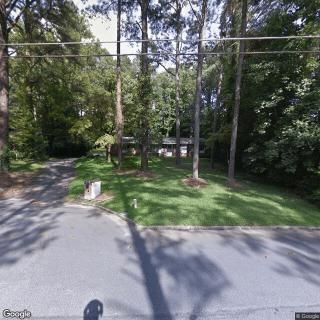
 Fully furnished accommodations with meals and daily living assistance.
Autumn House Personal Care Home
Chamblee, GA
Caring staff, clean environment, and proactive family communication.

Quality Living PCH
Atlanta, GA
Affordable pricing with private rooms, diabetic care, and on-site activities.

Orion Star 2 Personal Care Home
Atlanta, GA
Private rooms with private baths and comprehensive memory/high-acuity care, plus nutritious meals.

Prosper Home Care
Atlanta, GA
Caring, reliable caregivers with proactive client relations and responsive owner support.
Seniority Home Care and Staffing
Atlanta, GA
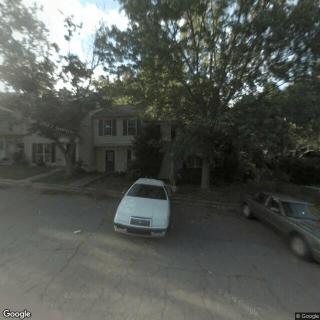
Strong nearby amenities and healthcare access.
HearthSide Club at Tucker
Tucker, GA
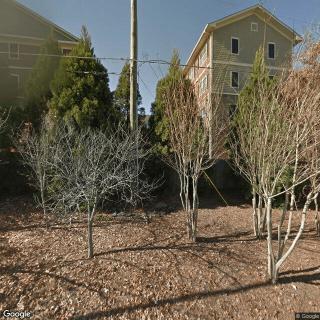
Excellent nearby amenities (cafes, parks, restaurants, worship, theaters).

Meadowbrook Health And Rehab
Tucker, GA
Friendly, attentive staff and a clean, welcoming environment.
The Phoenix at Tucker
Tucker, GA
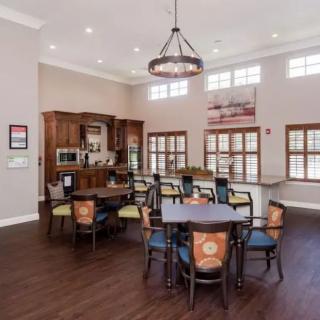
Clean, well-maintained facility with friendly staff, engaging activities, and a convenient location.
Transitioning from assisted living to memory care is driven by an individual's cognitive decline and specific needs, requiring careful evaluation of indicators like increased confusion and wandering. The process involves consulting medical professionals, researching suitable communities, considering financial and legal aspects, and ensuring effective communication for personalized care plans.
 Assisted Living and Memory Care: Understanding Their Core Differences
Assisted living provides moderate support for seniors seeking independence, while memory care offers specialized support for individuals with dementia or cognitive impairments through structured routines and trained staff. Key differences include care approaches, environment security measures, staff training levels, activity types, and cost considerations.
 Beyond the Bingo Hall: 50+ Enriching Activities for Seniors in Assisted Living
Assisted living communities offer diverse activities beyond traditional games to enhance seniors' physical health, cognitive well-being, emotional enrichment, and social connections, including fitness classes, creative expression, and intergenerational interactions. These enriching programs foster community bonds and support residents' independence and happiness.


 When to Transition from Assisted Living to Memory Care: Key Indicators, Steps, and Finding the Right Community