
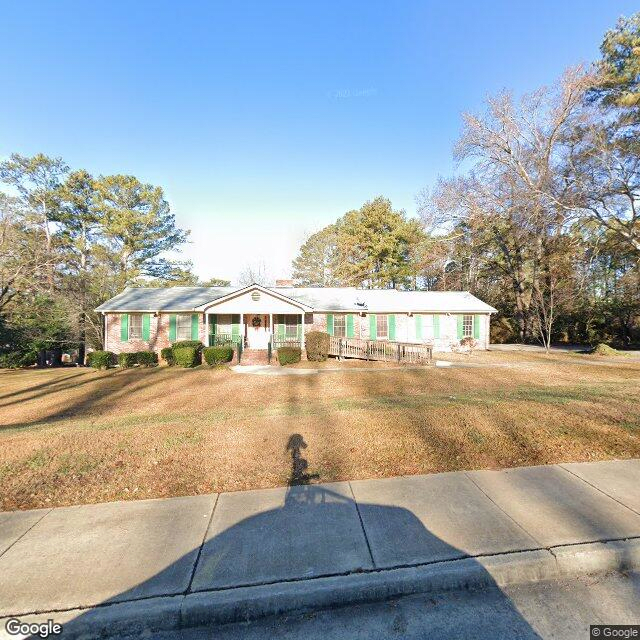
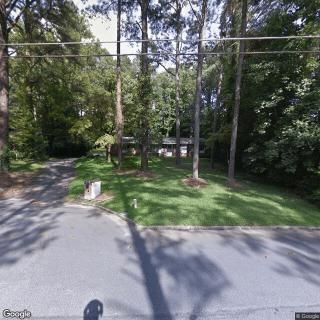
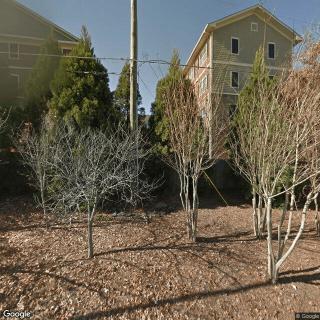
3204 Chamblee Tucker Road, Atlanta, GA 30341
To contact a resident: (404) 451-2983
For more information about senior living options: (866) 208-4318
Quality Living PCH Costs & Pricing
Quality Living PCH offers competitive pricing for its residents, particularly when compared to the averages in DeKalb County and the broader state of Georgia. For a semi-private room, Quality Living PCH's monthly cost is $1,800, significantly lower than the county average of $2,188 and the state average of $2,529. Similarly, their private rooms are priced at $2,300, which is also more affordable than both the county's average of $2,415 and Georgia's average of $2,864. This makes Quality Living PCH an attractive option for those seeking quality care without the premium costs often associated with similar facilities in the region.
| Floor plans | Quality Living PCH | DeKalb County | Georgia |
|---|---|---|---|
| Semi-Private | $1,800 | $2,188 | $2,529 |
| Private | $2,300 | $2,415 | $2,864 |
Senior living communities with a similar price nearby
-
from -$300 / mo
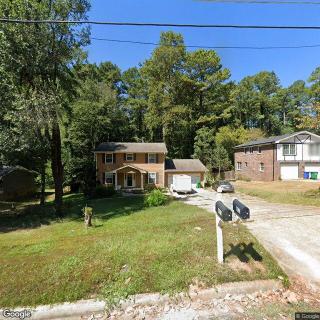
Americare Group
$1,500 / month7.6 miles away -
from +$300 / mo
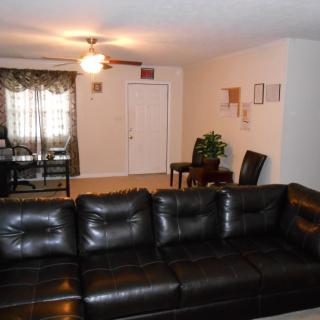
Premium Personal Care Home
$2,100 to $2,850 / month20.4 miles away -
About the same
Lona Lisa's Assisted Living Home Inc.
$1,800 to $6,000 / month15.8 miles away -
from +$300 / mo
Abiding Care Home
$2,100 / month15.5 miles away -
About the same
G & M Personal Care Home
$1,800 to $2,500 / month12.8 miles away
Overall Review of Quality Living PCH
Pros
 Autumn House is described as more than a house—it's a home, with Brenda delivering amazing care for all participants.
- The small, close-knit group feels like family.
- Brenda cares for all members with love and respect and always meets their needs with extra love.
- The facility is neat and clean, and residents enjoy tasty home-cooked meals every day.
- The care team is wonderful—friendly, nice, and consistently attentive to residents.
- The community is doing great, with no complaints, and Orion Star was a good move.
Cons
 Terrible place.
Review
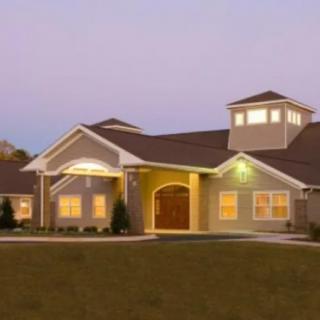
Quality Living PCH in Atlanta is best suited for families seeking a truly intimate, home-like living environment where a small, tightly knit group receives exceptionally personal attention. This community thrives on a warm, caregiver-led model, with an owner-operator approach that keeps day-to-day care feeling hands-on and responsive. Residents are treated as individuals rather than room numbers, with daily home-cooked meals, a clean and orderly interior, and a clear emphasis on emotional well-being. For families who prize consistency, proximity to family routines, and the comfort of a neighborly setting, this PCH layout offers a practical, low-ritual alternative to larger, more institutional facilities.
Those who should consider alternatives are clear: anyone whose loved one requires robust, round-the-clock skilled nursing or highly structured memory-care programming should look elsewhere. The volume of medical oversight, specialized therapists, and activity calendars found in bigger assisted-living campuses isn’t the defining strength here. A single negative review hints at variability in experience, underscoring the risk that a tiny operation can yield inconsistent outcomes. Prospective families should demand clarity on staffing ratios, emergency protocols, and the precise level of medical support available on-site before committing.
The strongest selling points are precisely the elements that small, family-like settings usually deliver. The owner and caregiving staff are repeatedly described as caring, approachable, and genuinely invested in residents’ daily happiness. The environment stays neat and clean, and the meals are consistently described as tasty and home-cooked, features that translate into real quality of life for seniors who value comfort and familiar routines. Med administration when needed is highlighted as part of daily care, and the emphasis on keeping residents neat and emotionally content adds a layer of stability that families often seek during a move from home.
On the downside, the limited scale can expose gaps that larger communities address more readily. With a small team and a single point of leadership, there is inherent risk around staffing continuity and formal processes. The absence of visible, structured programming or a formalized memory-care track means residents who crave social breadth, diverse activities, or advanced clinical management may feel theirs is a more solitary day-to-day experience. One unflattering note in the reviews, an outright negative statement, serves as a caution: potential families should verify consistency, responsiveness, and the ability to promptly meet evolving medical or cognitive needs as they arise.
Nevertheless, the pros offset the main drawbacks for a particular resident profile. The intimate setting reduces the impersonality that can accompany larger facilities, easing transitions and reducing anxiety for seniors who fear crowds or impersonal care. The care model’s emphasis on love, respect, and emotional happiness can significantly offset limitations in programming, particularly for residents who prioritize daily connection with caregivers. Cleanliness, reliable feeding routines, and careful medication oversight are tangible benefits that bolster overall safety and satisfaction, often translating into longer, more contented stays than might be expected in a similar price tier.
For families weighing next steps, a diligent, hands-on approach is essential. Schedule a to-the-minute visit to observe interactions between staff and residents, ask for a walk-through of daily routines, and request examples of how medical needs are managed, especially around medications, doctor visits, and crisis response. Confirm who provides training, how staff coverage works on weekends, and what happens if a resident requires more intensive care than the home can safely provide. If warmth, quick responsiveness, and a strongly familial atmosphere are the priorities, Quality Living PCH should rise toward the top of the list. If the resident demands robust medical oversight or a wide array of specialized programs, alternatives such as larger assisted living campuses or facilities with formal memory-care pathways will likely serve better.
 Board and Care Home
 Activities on-site
 Private
 Private bathrooms
 William B Hartsfield-Atlanta International (19 miles away)
 Ambulatory care
 Diabetic care
 Meals provided
 Christian services


 A Closer Look at Private Pay Home Care
 Comprehensive Approaches for Arthritis: A Detailed Guide to Symptoms, Causes, and Care
 Comprehensive Insights and Practical Strategies to Help Older Adults Avoid Falls