

5732 Lawrenceville Highway, Tucker, GA 30084
For more information about senior living options: (866) 208-4318
Overall Review of Kkottongnae
Pros
 The community is warm and welcoming.
 - Yard sales are generously priced and a great way to meet neighbors.
- Kkottongnae is a compassionate organization serving the homeless and vulnerable with hospice care, medical aid, food, and shelter.
- The foundation's Christ-centered mission is described as humbling and inspiring in action.
- The Sisters' unwavering dedication to caring for the elderly creates a warm, vibrant environment.
- The outreach to refugees, including the Myanmar community, reflects meaningful and compassionate service.
Review
Kkottongnae Tucker is best suited for families seeking a warm, faith-infused living environment where caregiving is treated as a calling and where a culture of generosity and service permeates daily life. The Tucker campus embodies the organization’s Flower Village ethos, layering hospice-like sensitivity, available medical aid, and resident-focused attention within a lovingly spiritual framework. This is a setting where residents and staff, including Sisters known for their dedication, foster close, neighborly bonds, and where companionship, shared meals, and community activities are as central as any formal care plan. For seniors who value belonging, meaning, and a proactive sense of purpose through volunteerism and outreach, this facility presents a compelling fit.
Those who may want to consider alternatives are families prioritizing tightly regulated clinical programming, secular environments, or services tailored to specific medical needs. If a resident requires highly structured medical oversight, advanced memory care, or highly standardized daily schedules with predictable staffing patterns, other communities with a stronger emphasis on clinical metrics and contemporary amenities may be more appropriate. Likewise, households seeking a secular or non-denominational environment, or a setting that foregrounds purely independent living with minimal religious or mission-driven programming, may find the Kkottongnae model less aligned with those preferences.
The strongest positives lie in the human atmosphere and the purposeful culture that permeates the campus. The care model reported here emphasizes attentive, compassionate interactions from staff and volunteers, creating a sense of safety and belonging that can be transformative for seniors who prize emotional sustenance as much as physical support. The involvement of Sisters and a broad volunteer network translates into frequent interpersonal contact, opportunities for residents to participate in shared activities, and a daily rhythm built around service, generosity, and communal meals. This isn’t just care in a clinic sense; it’s care embedded in relationships, shared faith or values, and a community contribution that can buffer loneliness and reinforce identity.
Yet the reviews acknowledge certain limitations that prospective residents should factor into their decision. The emphasis on mission and volunteer-driven engagement may not translate into the same level of clinical scalability found in more traditional, medically oriented facilities. Details about staffing ratios, the breadth of medical specialties on site, or the sophistication of memory-care programming are not laid out in the available observations. The reference to “limitations” within the care environment suggests variability that families will want to probe, especially if a loved one requires consistent, highly specialized care or a secular, activity-rich schedule with formal programming.
These pros offset the main concerns in meaningful, tangible ways for the right resident. The warmth of the community and the integrity of the caregiving team create an emotional safety net that can enhance overall well-being, potentially offsetting what might be perceived as clinical gaps. Hospice-friendly post-acute support and medical aid embedded in the mission reduce the sense of distance between care and compassion, offering reassurance to families who want both spiritual nourishment and practical assistance. The chance to participate in service projects, to share meals with staff and volunteers, and to contribute to the wider charitable work outside the walls of the facility can deliver a sense of purpose and dignity that is hard to achieve in more transactional environments.
In sum, Kkottongnae Tucker stands out for families prioritizing meaning, community, and a faith-informed, service-forward approach to elder care. It is a standout option for residents who crave a home-like atmosphere with active involvement from caregivers, sisters, and volunteers, where daily life includes opportunities to give back and to lean into a shared mission. For those who need crystal-clear clinical programming, a secular setting, or highly specialized memory-care protocols, alternatives with a stronger medical emphasis and more regimented routines will likely serve better. Prospective families should visit with questions about staffing norms, memory-care capabilities, daily schedules, and the exact balance between spiritual community life and clinical care to ensure alignment with the resident’s priorities.
 6 resident community capacity
 Assisted Living
 Board and Care Home
 Activities on-site
 Cable or satellite TV
 Devotional services off-site
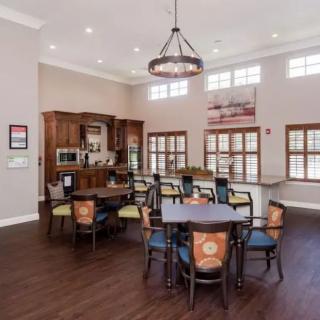
 Dining room
 Fully furnished
 Garden
 Housekeeping services
 Indoor common areas
 Move-in coordination
 Outdoor space
 Telephone
 Wi-Fi/high-speed internet available
 William B Hartsfield-Atlanta International (22 miles away)
 24-hour supervision
 Ambulatory care
 Assistance with bathing
 Assistance with dressing
 Assistance with transfers
 Diabetes diet
 Diabetic care
 Meal preparation and service
 Medication management
 Special dietary restrictions
 Transportation arrangement (medical)
 Transportation to doctors appointments






 Securing Financial Support for Assisted Living: A Comprehensive Overview
 Social Security Benefits and Assisted Living: Navigating Options Across the U.S.
 An Extensive Exploration of the VA Aid and Attendance Benefit