
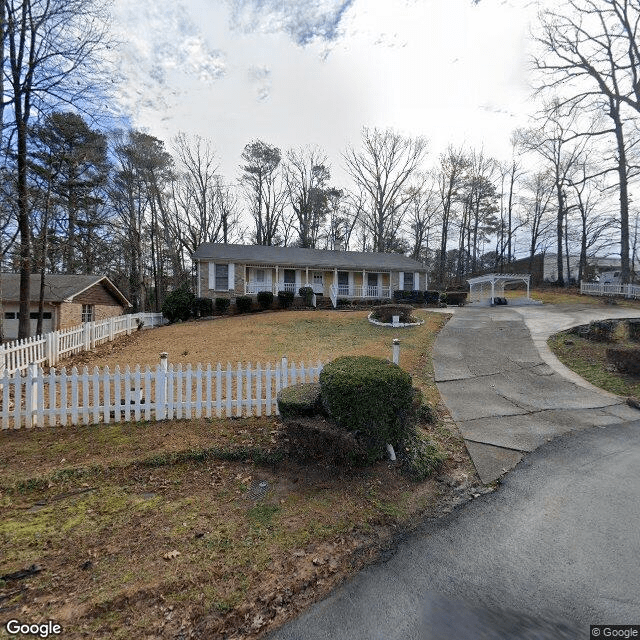
2553 Sandpiper Dr, Tucker, GA 30084
To contact a resident: (404) 294-0203
For more information about senior living options: (866) 208-4318
Avondale at Tucker Costs & Pricing
Avondale at Tucker offers competitive pricing for its residential care options when compared to both Gwinnett County and the broader state of Georgia. For a semi-private room, residents can expect to pay $2,250 per month, significantly lower than the county average of $2,530 and slightly more affordable than the state average of $2,529. Private rooms at Avondale are priced at $2,550, which is quite close to Gwinnett's rate of $2,551 but remains considerably more economical than the state average of $2,864. Additionally, for those seeking studio accommodations, Avondale at Tucker charges $2,550 - this is markedly less than the county's $3,580 and the state's average of $3,520. Overall, Avondale at Tucker presents an attractive option for individuals seeking quality care without straining their budgets.
| Floor plans | Avondale at Tucker | Gwinnett County | Georgia |
|---|---|---|---|
| Semi-Private | $2,250 | $2,530 | $2,529 |
| Private | $2,550 | $2,551 | $2,864 |
| Studio | $2,550 | $3,580 | $3,520 |
Memory care communities with a similar price nearby
-
from -$150 / mo
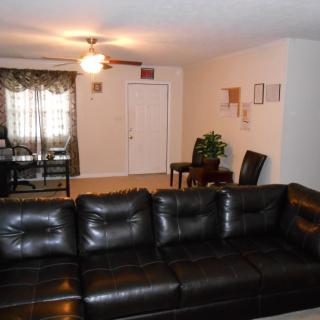
Premium Personal Care Home
$2,100 to $2,850 / month24.7 miles away -
from -$150 / mo
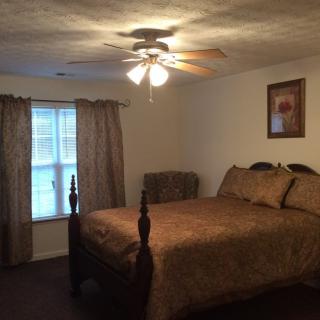
Abiding Care Home
$2,100 / month14.2 miles away -
from +$250 / mo
A & C Personal Care Home
$2,500 to $4,000 / month8.6 miles away -
from -$250 / mo

Omni Adult Day Care
$2,000 to $3,000 / month19.6 miles away -
from +$250 / mo

Golden Manor Senior Living
$2,500 to $4,445 / month13.5 miles away
Overall Review of Avondale at Tucker
Pros
 The staff are nice.
- The small facility allows for more individualized care.
- Residents are active and engaged.
- A resident plays the piano at noon daily.
- A resident sews.
- Visitors spoke highly of the place.
Cons
 They felt the care could be more individualized.
- They wondered if they could afford it.
Review
Avondale at Tucker is best suited for seniors who want a small, homey assisted-living environment where staff know residents by name and daily life centers on genuine neighborly interaction. The community shines for those who crave an active social rhythm without the scale and bustle of a large campus. You’ll see residents coming and going, with informal noon piano and in-house sewing or craft activities contributing to a sense of purpose. It’s a setting that respects independence while keeping help readily available from a team that appears attuned to preferences and routines. For families seeking warmth, continuity, and real-world, low-key engagement over glossy amenities, Avondale at Tucker delivers as a practical, emotionally satisfying choice.
That said, there are clear reasons some will want to consider alternatives. The smallest footprint can pose limits for residents who require robust, around-the-clock medical oversight or a broader slate of therapies and services in-house. Staffing coverage can become a balancing act during peak times, which may affect the consistency of care intensity for those with higher acuity needs. Affordability is also a meaningful factor; one observer flagged potential cost as a consideration even while praising the environment. For families prioritizing extensive care options, predictable pricing structure, or easy access to memory-care programs on the same campus, a larger or more comprehensive community may be a better fit.
On the positive side, the pros are tangible and influential. Nice staff, paired with a small setting, creates more opportunities for meaningful interactions and a sense that caregivers truly know the resident’s preferences. The residents themselves are described as active, with everyday life that includes music, crafts, and opportunities to participate in the social fabric of the community. Word-of-mouth from visitors and family members reinforces trust in the place, shared impressions that the atmosphere is welcoming, stable, and supportive. For families evaluating quality of life, these factors often translate into less worry about isolation and more confidence that a loved one will stay engaged and connected.
Yet the intimate scale can amplify certain limits. The potential for care to become less individualized, or for specialized needs to outpace available resources, sits as a genuine consideration. In practice, this means watching how care plans are executed day-to-day, and whether direct assistance hours align with the resident’s specific requirements. The environment excels at fostering community and emotional well-being, but it does not automatically guarantee the breadth of services found on larger campuses. Prospective residents should test a day in the life for someone with mobility, medication, or routine-support needs to determine whether the balance between social vitality and clinical support meets expectations.
Cost becomes the decisive lens in the decision. The same relational, community-centered advantages can be compelling, yet the financial piece matters just as much as the emotional fit. The benefits, the active resident life, frequent opportunities for meaningful interaction, and the assurance that staff are attentive, do offset some concerns, but not all. This is a setting where value hinges on prioritizing human-scale care and daily companionship, and where a budget that accommodates ongoing monthly costs will strongly influence the final verdict. For families who prize a warm, collaborative ecosystem and can absorb the price, Avondale at Tucker stands out as a practical, high-quality option.
Practical next steps for decision-makers are clear. The tour should focus on care planning conversations, not just shared spaces, and should include a review of actual schedules, staffing patterns, and the level of hands-on assistance available at different times of day. Request a transparent breakdown of what’s included in the base rate versus add-ons, and ask about how care plans adapt as needs evolve. Inquire whether memory-care or higher-acuity services are offered on-site or nearby, and verify what transition options exist if a resident’s needs change. If the goal is a small, engaged community where neighbors look out for one another and staff know residents by name, Avondale at Tucker deserves serious consideration. If budget constraints or the expectation of robust, comprehensive care take precedence, exploring alternatives that scale services or lower monthly costs should be pursued before final commitment.
 Board and Care Home
 Memory Care
 Activities on-site
 Devotional services on-site
 Indoor common areas
 Outdoor common areas
 Private
 Private bathrooms
 Respite or short term stays offered
 Wheelchair accessible showers
 William B Hartsfield-Atlanta International (20 miles away)
 Ambulatory care
 Diabetic care
 High acuity care
 Incontinence care
 Meals provided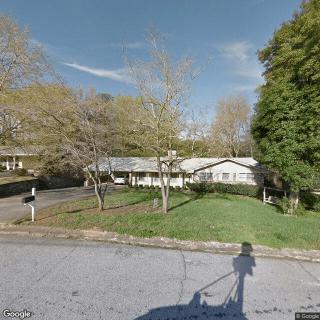


 Comprehensive Insights on the Late Stages of Dementia: What to Expect and How to Provide Care
 Medications Associated with Dementia Risk: A Comprehensive Overview
 Guiding Your Journey: Understanding Power of Attorney for Elderly Parents