
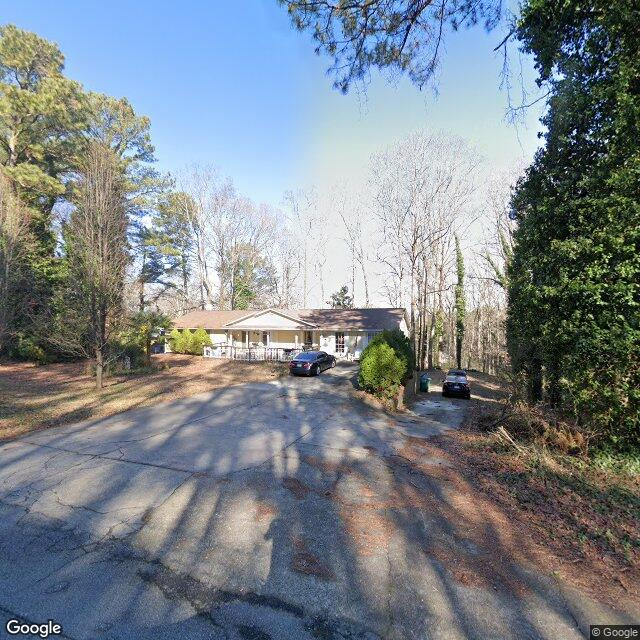
342 Rockbridge Road Southwest, Lilburn, GA 30047
To contact a resident: (770) 564-0754
For more information about senior living options: (866) 208-4318
Arborwood Costs & Pricing
Arborwood offers competitive pricing for its care services, with monthly costs significantly lower than both Gwinnett County and the state of Georgia. For a semi-private room, Arborwood charges $1,800, which is notably more affordable compared to the county's average of $2,530 and the state's rate of $2,529. Similarly, for a private room, Arborwood's rate of $2,000 stands out against Gwinnett County's $2,551 and Georgia's higher average of $2,864. These cost advantages not only reflect Arborwood's commitment to providing high-quality care but also make it an attractive option for families seeking value without compromising on service quality.
| Floor plans | Arborwood | Gwinnett County | Georgia |
|---|---|---|---|
| Semi-Private | $1,800 | $2,530 | $2,529 |
| Private | $2,000 | $2,551 | $2,864 |
Senior living communities with a similar price nearby
-
from -$300 / mo
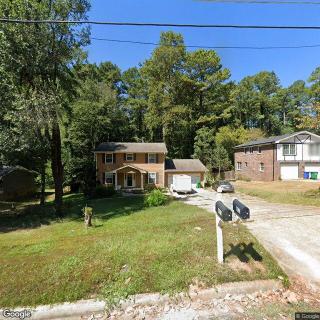
Americare Group
$1,500 / month7.3 miles away -
About the same
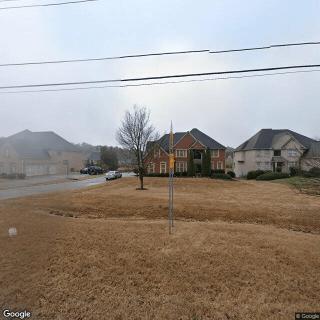
Lona Lisa's Assisted Living Home Inc.
$1,800 to $6,000 / month9.2 miles away -
from +$300 / mo
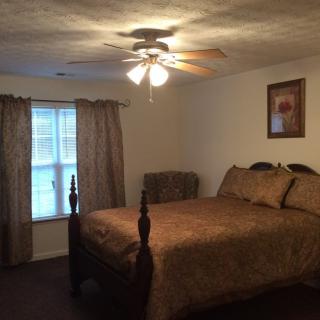
Abiding Care Home
$2,100 / month15.2 miles away -
About the same
G & M Personal Care Home
$1,800 to $2,500 / month7.7 miles away -
from +$200 / mo
B&A Personal Care Home
$2,000 / month13.3 miles away
Overall Review of Arborwood
Pros
 The facility has improved a lot under new management.
- Everything is going great at the facility.
- The facility offers activities such as exercising, games, and front-porch time for fresh air.
- Residents can walk in the door whenever they want, which is nice.
- Residents are allowed to bring their dogs into their rooms or onto the porch.
- The meals are homemade and smell really good.
- The home seems like a good option at an affordable rate.
- The staff are caring.
- The rooms are nicely sized.
- There is a small family atmosphere.
Cons
 The reviewer cautions against placing an Alzheimer's patient at Arborwood.
- The husband deteriorated rapidly after admission, becoming incoherent, severely dehydrated, malnourished, and unable to walk or stand, and contracted serious infections after two falls while under caregiver assistance.
- The account mentions two serious falls occurring under the care of staff, including management, followed by infections.
- The reviewer notes that the facility offers limited activities.
Review
Arborwood in Lilburn, GA is best suited for seniors who want a small, home-like atmosphere with straightforward assisted-living services, good meal options, and flexible visiting. It appeals to families who value a welcoming, less clinical environment and affordability alongside a pet-friendly policy that allows a dog to stay with the resident in the room or on the porch. The community tends to shine for residents who are relatively independent day-to-day but appreciate reliable assistance for routines, plus the comfort of a staff presence they can become familiar with. Those whose needs include robust memory care, aggressive medical supervision, or highly structured programming will likely find Arborwood insufficient. In essence, Arborwood serves a defined niche: comfort, simplicity, and a personable vibe rather than a full-spectrum, high-intensity care setting.
Those considering alternatives should note that memory-care focused facilities or places with stronger memory-support staffing will likely be a better fit for loved ones with Alzheimer’s or advanced dementia. Families prioritizing comprehensive clinical oversight, predictable daily schedules, and more expansive activity calendars may find options elsewhere that deliver more consistent cognitive care and higher supervision levels. Additionally, if proximity to home, a more active engagement calendar, or a larger community feel is essential, other communities in the metro area may check these boxes more reliably. Arborwood’s appeal rests on its intimate feel and affordability, but that comes with tradeoffs for residents who require more intensive or specialized care.
On the positive side, several reviews highlight meaningful improvements after a change in management, which signals potential for ongoing stabilization and better daily operations. Families report caring staff who are accessible, with a small, manageable staff presence that fosters a familiar, approachable atmosphere. The home-cooked meals receive consistent compliments, and the kitchen’s aroma adds to the sense of comfort and hominess. The ability to bring a dog into the resident’s room or onto the porch is repeatedly praised as a meaningful perk, reinforcing the sense of normalcy and companionship that many seniors seek. An open-door visiting philosophy, where family and friends can drop in, adds to the feeling of autonomy and continuous connection with loved ones. Finally, the community’s simpler activity lineup, exercises, games, porch time, can be enough to sustain routine and engagement for residents who thrive on consistency rather than constant novelty.
Yet the strongest objection voiced in one stark review cannot be ignored: the care for an Alzheimer’s patient was described as devastatingly inadequate, culminating in dehydration, malnutrition, and serious infections after a couple of falls while under staff care. While this is an isolated account within seven reviews, it underscores a critical reality: for families facing cognitive impairment, the level and quality of supervision matter enormously. Another review notes limited activities, suggesting that the engagement slate may be shallow for residents who crave more structured programming or varied stimulation. Taken together, these cautions imply that Arborwood may deliver a warm, personable environment, but it can fall short where cognitive decline or higher medical vigilance is present.
The key pros, improved operations under new leadership, staff accessibility, home-style meals, pet-friendly policies, and a relaxed visitation culture, can offset the drawbacks for residents who prioritize comfort, predictable routines, and social warmth over institutional breadth. For someone who values a tight-knit community where staff know residents well and neighbors know each other, Arborwood offers a credible, cost-conscious option that minimizes the sense of being in a large, impersonal facility. In contrast, the main cons, potentially insufficient supervision for dementia, limited activity programming, and concerns raised by a severe care incident, pose real risks that can tilt the balance away from Arborwood for certain families. Thus, the bottom line hinges on need: for straightforward, companionable living with moderate support, the positives can outweigh the negatives; for dementia care, frailties in supervision and programming demand a much closer review or a different placement.
Practical next steps are clear. Families evaluating Arborwood should verify current staff ratios, specifically for residents with memory impairment, and probe the residence’s dementia-care competencies, training, and emergency response procedures. Request a detailed activity calendar to see how engagement is structured beyond the basic offerings and ask how meals accommodate dietary restrictions and preferences. Schedule multiple visits at different times to observe staff responsiveness, room conditions, and the pace of daily life. Finally, compare Arborwood against nearby options in terms of proximity to home, total monthly cost, and the availability of a stronger memory-care option if cognitive needs are anticipated to rise. If memory care is not a pressing concern and a homelike setting with family-friendly policies is the priority, Arborwood offers a practical, if not flawless, fit for the right resident and family.
 Board and Care Home
 Cats allowed
 Dogs allowed
 Private
 William B Hartsfield-Atlanta International (22 miles away)
 Ambulatory care
 Diabetic care
 Adventist services


 Supportive Employee Benefits That Help Caregivers Attain Better Work-Life Harmony
 Top Cars for Senior Drivers and Essential Safety Innovations
 A Closer Look at Private Pay Home Care