
4043 Big Valley Trail, Stone Mountain, GA 30083
For more information about senior living options: (866) 208-4318
Overall Review of Kenny's Personal Care Home
Pros
 Wanda and Kirk Tucker are warm-hearted and professional.
- They keep families informed of any changes.
- Communication, cleanliness, and security are priorities at the home.
- They regularly organize group outings to keep residents entertained and active.
- The care provided preserves residents' dignity in a home-like setting.
- The facility is light-filled, clean, and welcoming.
- Residents feel at home and supported within the community.
- They go beyond regulatory requirements to meet each resident's unique needs.
Cons
 They describe the stay at K&W as the worst two days they've ever spent in any place.
- They say the owners are money-driven and did not make exceptions for their short stay.
- They report sparse meals that did not meet dietary restrictions, including not aligning with a low-sodium diet.
- They allege a medication-dispensing error and lapses in sanitary practices by the caretaker.
- They characterize the room as sparse and uninviting, with only a single bed, a chair, a side table, and a dresser.
Review
Kenny's Personal Care Home in Stone Mountain is best suited for families seeking a small, home-like setting where attentive, hands-on owners actively manage daily care. The community shines for seniors who benefit from warmth, clear communication, and a familiar, intimate environment. It works particularly well for residents who don’t require intensive skilled nursing but still need help with daily tasks, regular social engagement, and individualized attention. The owners’ medical background and hands-on oversight create a sense of security that many families value when choosing a private, cozy option over a larger institution.
Those weighing alternatives should consider what matters most in care complexity and oversight. If a loved one has substantial medical needs, frequent changes in treatment, or requires consistent licensed nursing supervision around the clock, a larger, more formally structured facility with 24/7 clinical staffing may be a more predictable fit. Similarly, families prioritizing extensive dementia programming, formal memory-care protocols, or rigorous, standardized pricing and contract transparency may prefer an established memory care campus or a multi-site operator. In short, this home excels on personal connection and flexibility, but less so for residents demanding high-intensity medical management or regimented institutional protocols.
On the strengths side, the positives are tangible and compelling. Reviewers repeatedly cite exceptional communication and transparency from Wanda and Kirk Tucker, with staff who stay closely engaged in residents’ lives. The property’s cleanliness and a sense of security contribute to peace of mind for families. Residents benefit from a warm, welcoming atmosphere, frequent group outings, and activities that help maintain social connections and a sense of belonging. The owners consistently strive to protect dignity and individuality, tailoring care to each person’s social, spiritual, and medical needs, which translates into improved mood, appetite, and daily rhythm for many residents. The kitchen and meals, often highlighted as a standout, also contribute meaningfully to a home-like quality of life.
Yet, one review in the pool raises legitimate cautions that cannot be dismissed. The writer describes a brief two-day stay marred by concerns about billing, meal quality, medication handling, and perceived misrepresentation of policies. In a small, owner-operated setting, such experiences can reflect broader vulnerabilities in oversight, policy clarity, and accountability. While this incident is not representative of the majority, it signals the need for prospective families to verify details before committing, especially around pricing, medication procedures, and the consistency between posted menus and actual meals. It also underscores the risk that a single troubling experience can disproportionately color impressions in a small operation.
Overall, the pros largely offset the potential drawbacks for families prioritizing a homey, relationship-driven care model. The strongest offset comes from genuine care, proactive communication, and a proven commitment to individual resident dignity, which appear to outweigh occasional drawbacks for many residents. The main caveat is that this is not a large, highly regulated campus; it is a tightly run home that can deliver remarkable personal attention but may require extra diligence from families to verify policies, pricing, and day-to-day operations. Trust in the staff’s integrity and systems matters as much as warmth and attentiveness.
For families deciding now, this community is a top choice if the goal is a warm, intimate setting with caregivers who treat residents like family and keep families closely informed. It is less ideal for those needing robust medical oversight, formal dementia programming, or rigorous price transparency in a larger facility. Before moving forward, schedule thorough visits with both residents and family members, review a current care plan and pricing sheet, ask to observe medication routines and meal preparation, and request contact with several long-term residents or families. If satisfied with governance, staffing consistency, and a clear contract, Kenny’s Personal Care Home offers a compelling, compassionate alternative to bigger, more clinical care environments.
 3 resident community capacity
 Assisted Living
 Cable or satellite TV
 Dining room
 Fully furnished
 Garden
 Housekeeping services
 Move-in coordination
 Outdoor space
 Telephone
 Wi-Fi/high-speed internet available
 William B Hartsfield-Atlanta International (15 miles away)
 24-hour supervision
 Activities of daily living assistance
 Assistance with bathing
 Assistance with dressing
 Assistance with transfers
 Diabetes diet
 Meal preparation and service
 Medication management
 Special dietary restrictions
 Transportation arrangement (medical)
 Transportation to doctors appointments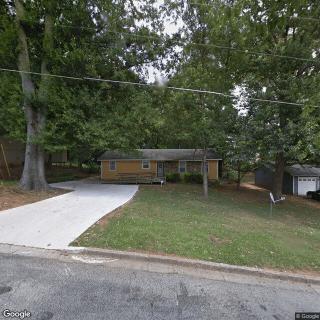





 Assisted Living Expenses and Long-Term Care Insurance: A Comprehensive Exploration
 Securing Financial Support for Assisted Living: A Comprehensive Overview
 Social Security Benefits and Assisted Living: Navigating Options Across the U.S.