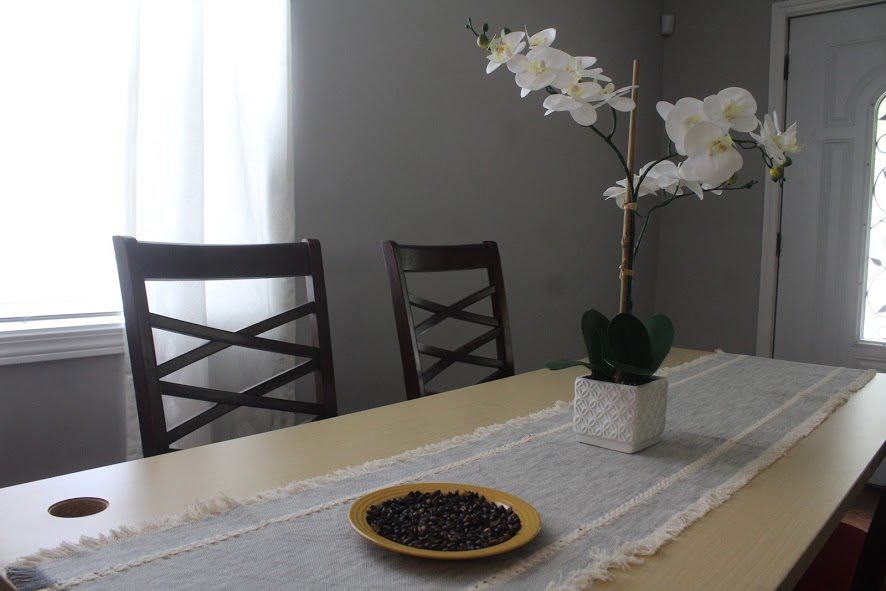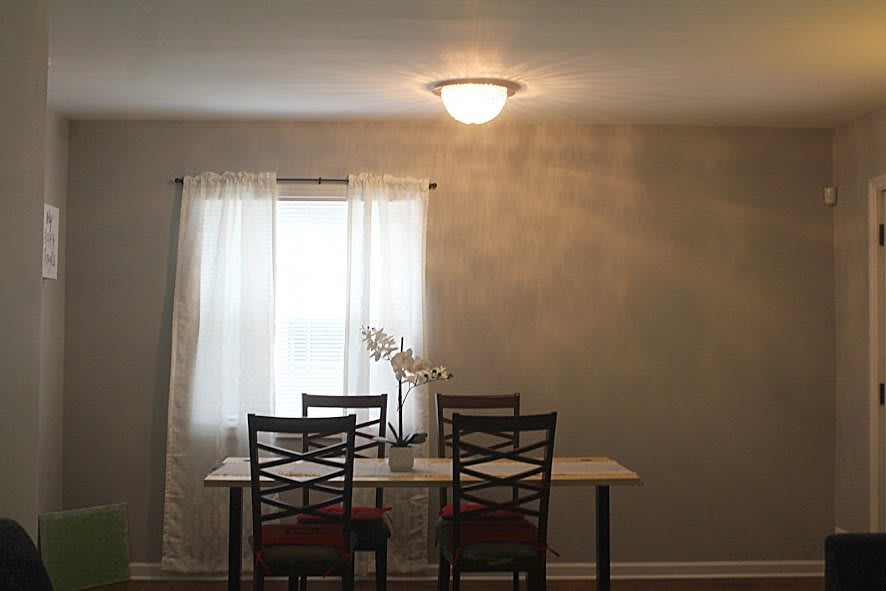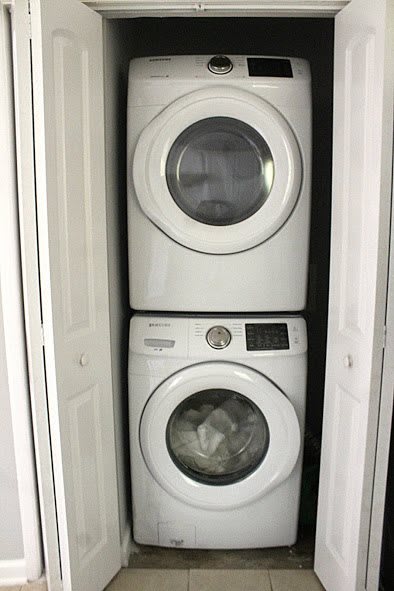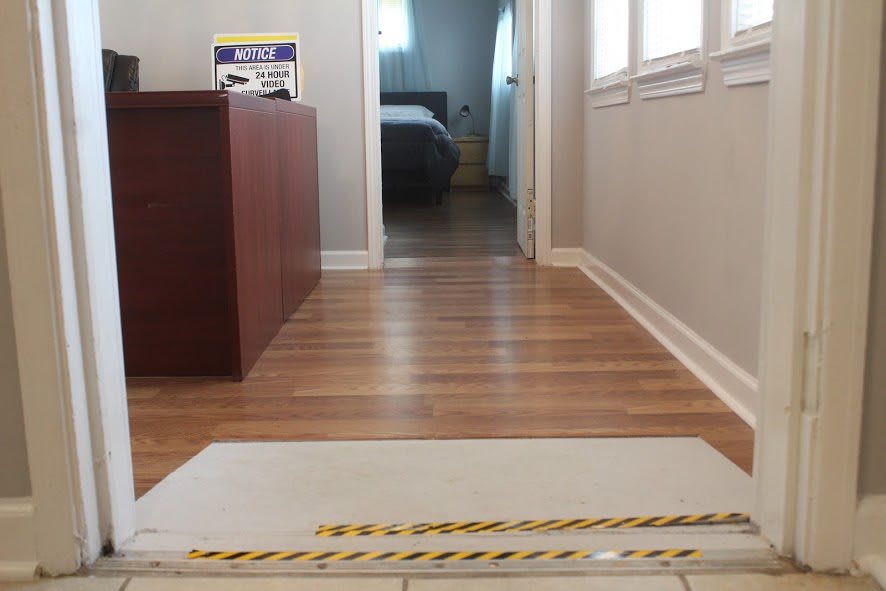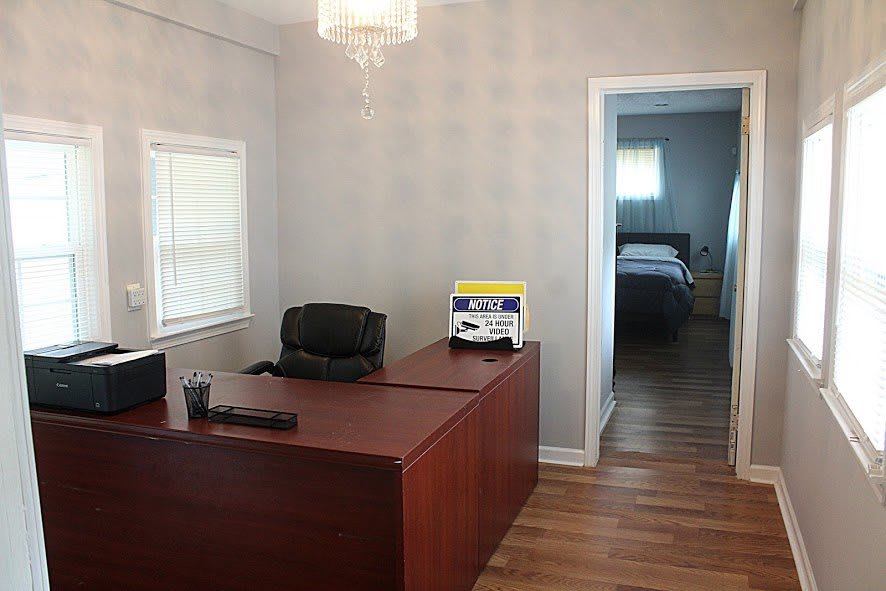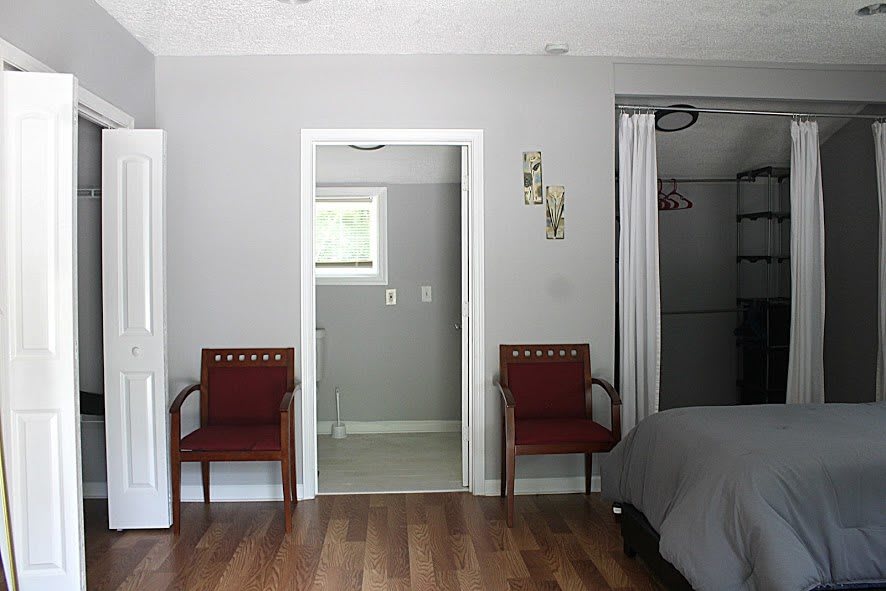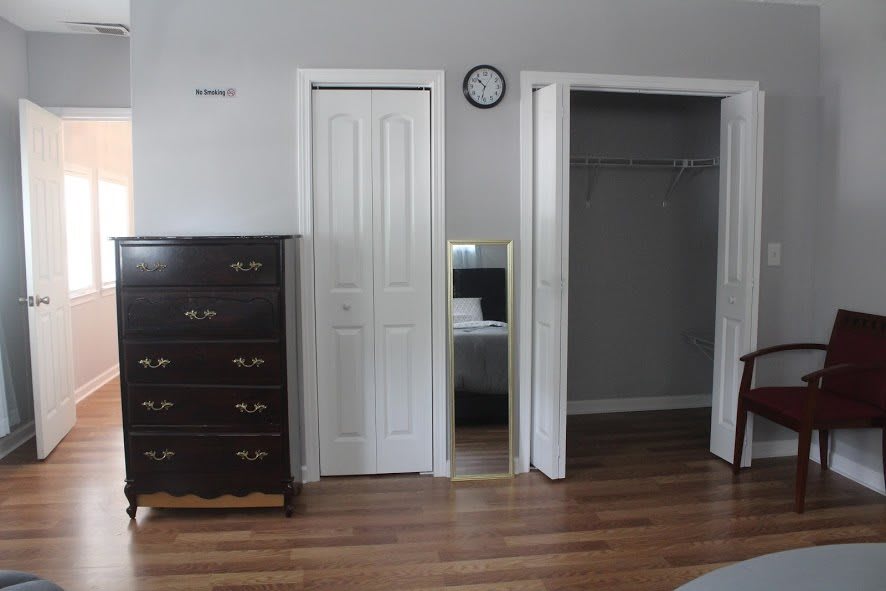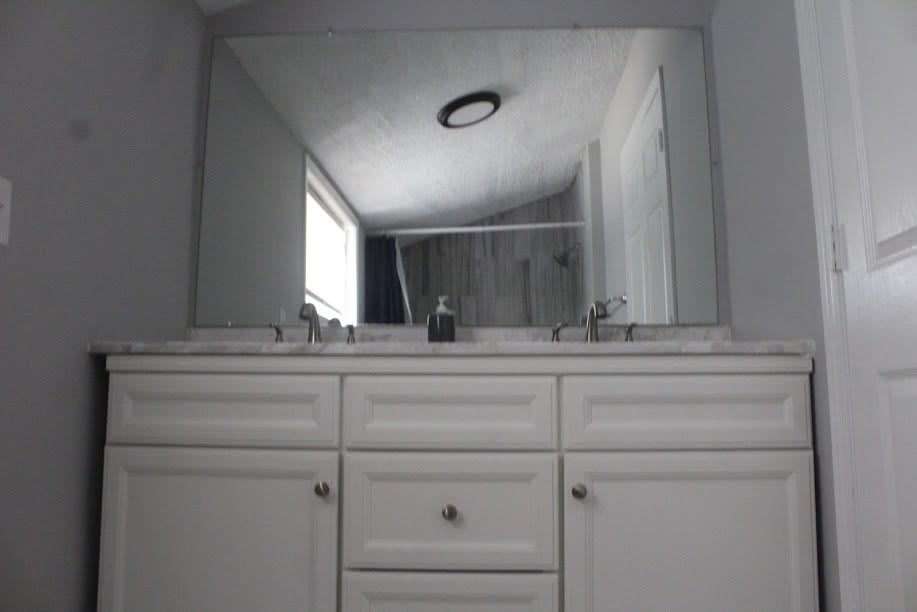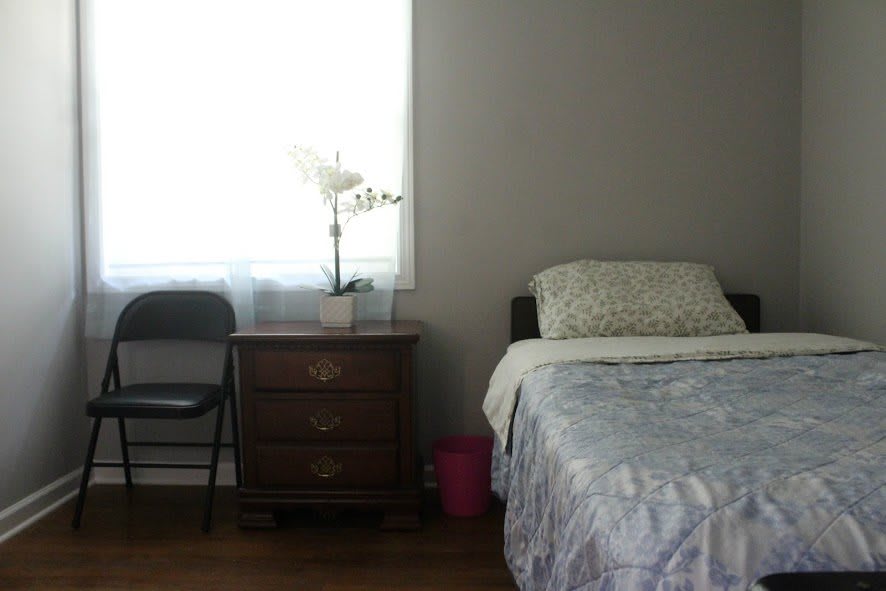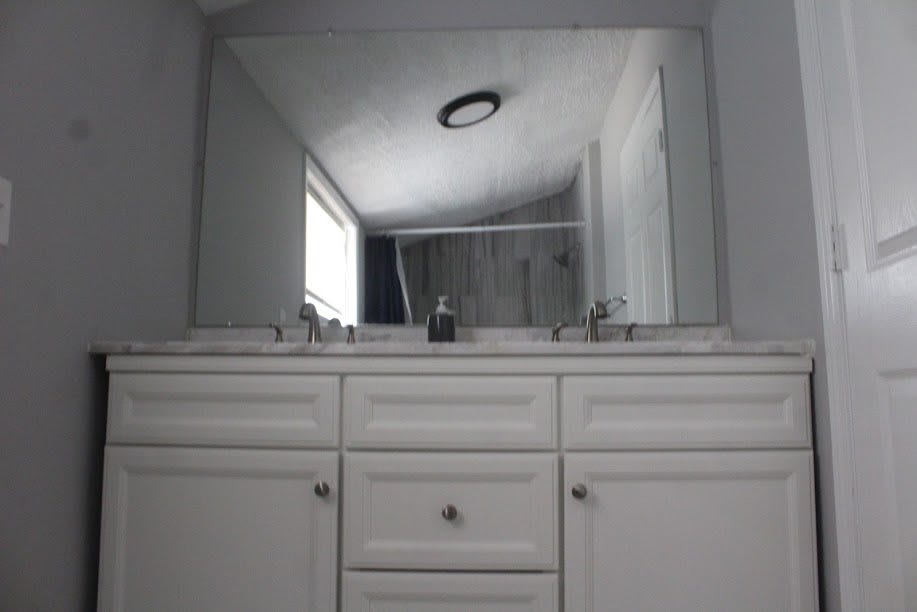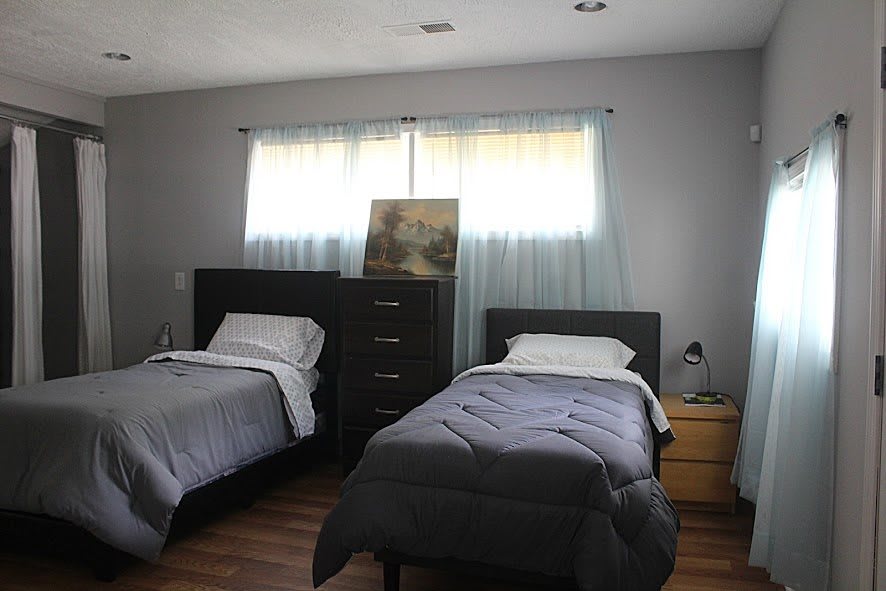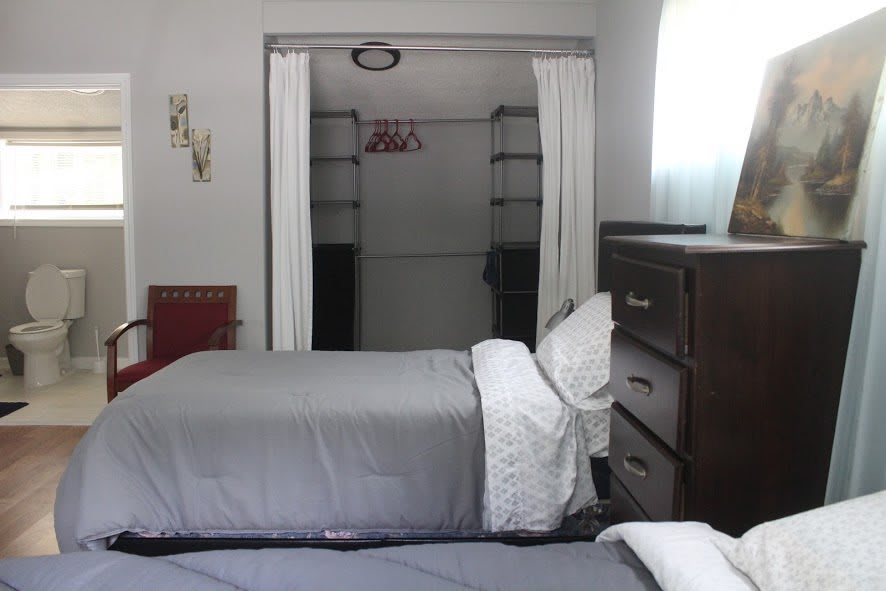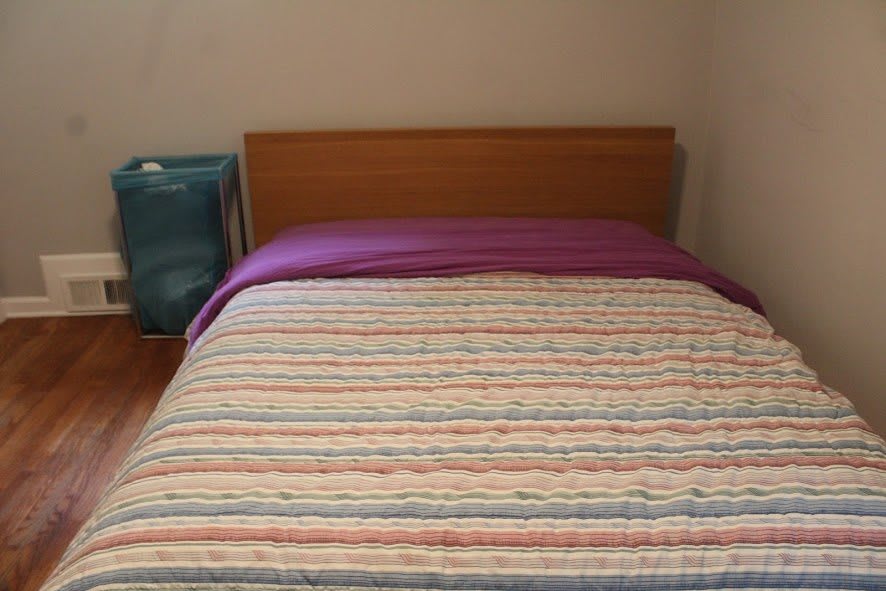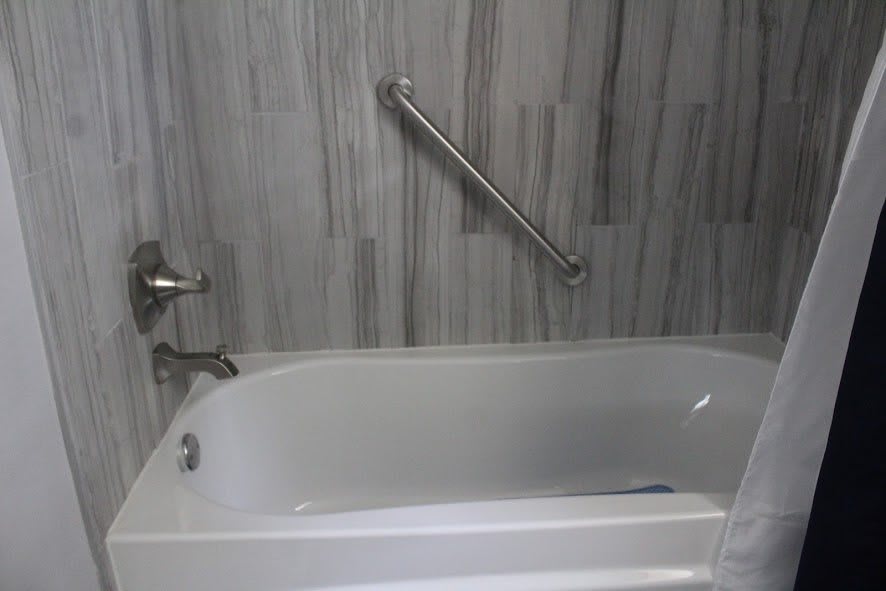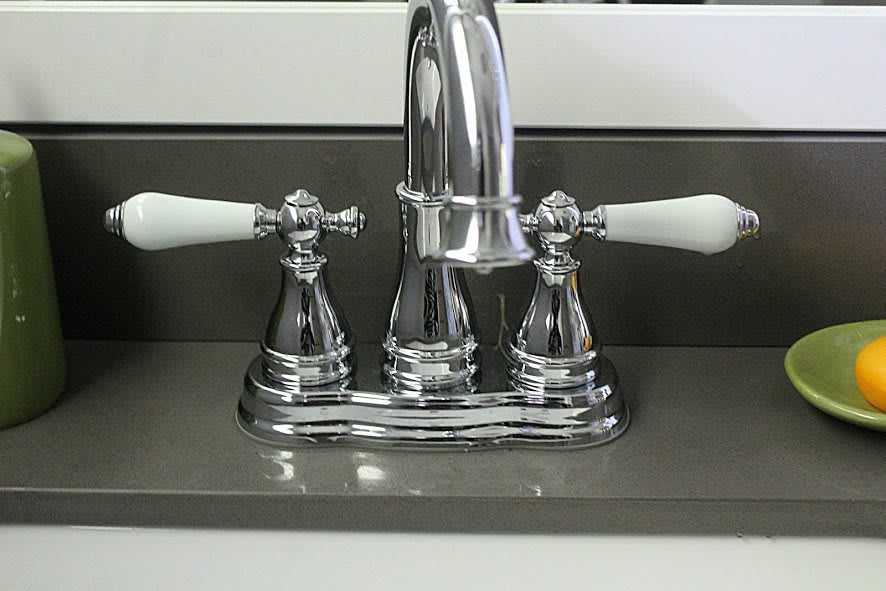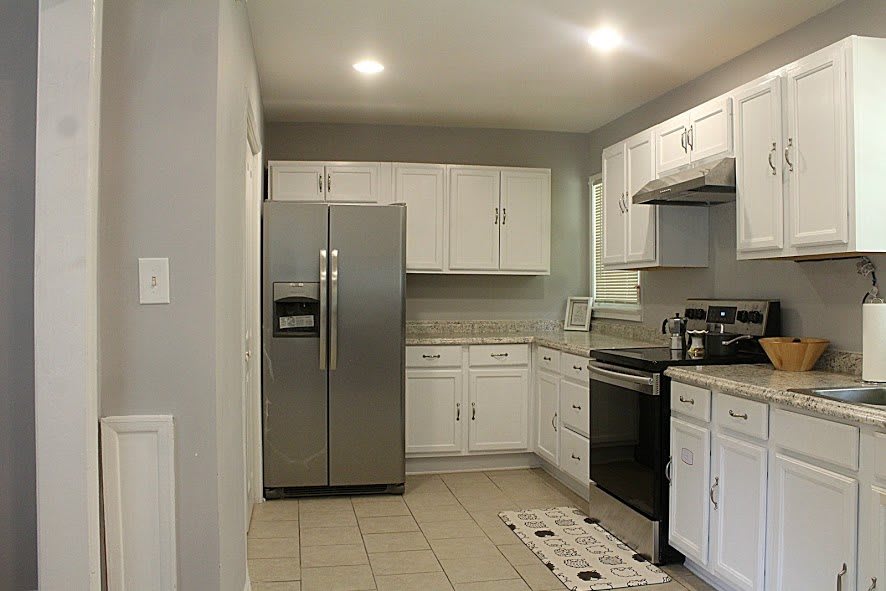
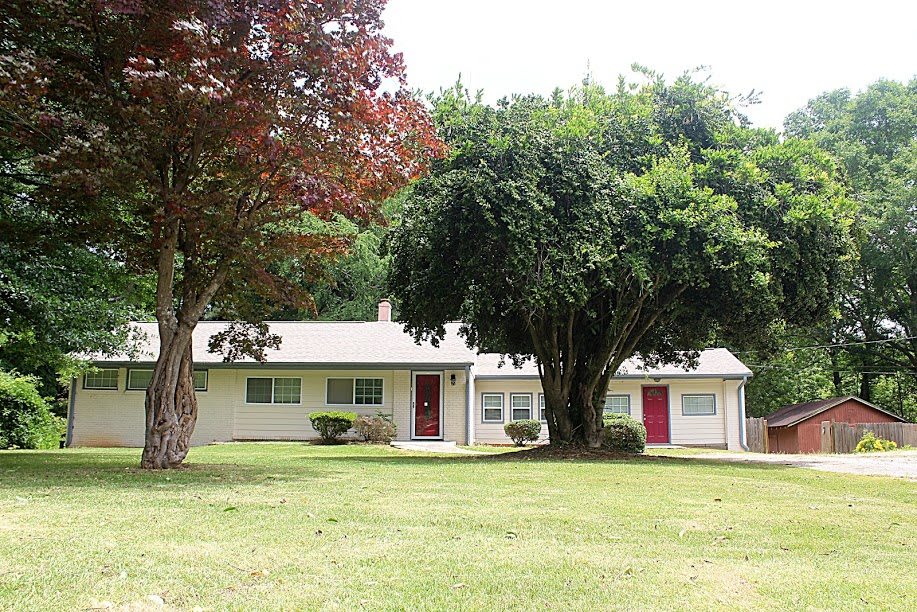
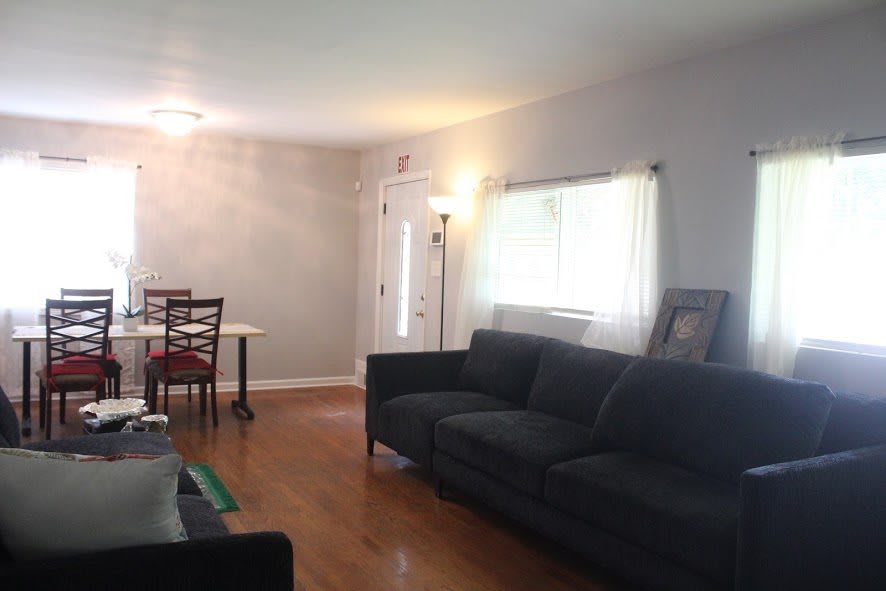
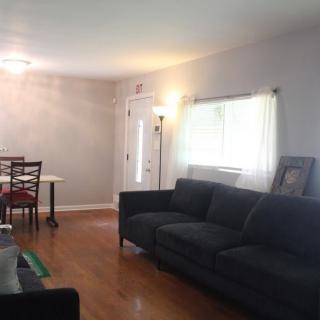
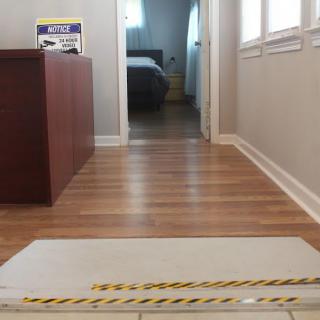
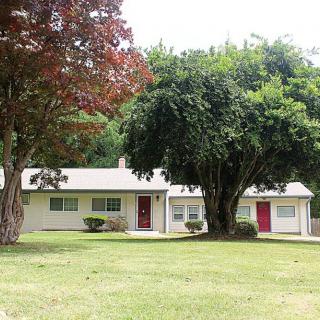
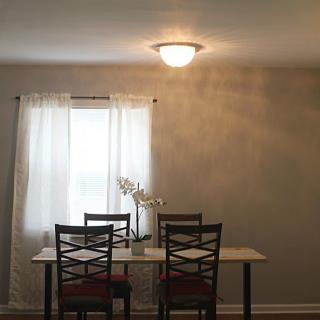





1584 S Hairston Rd, Stone Mountain, GA 30088
To contact a resident: (404) 246-3649
For more information about senior living options: (866) 208-4318
Weini's Personal Care Home Costs & Pricing
Weini's Personal Care Home offers competitive pricing for its services, with a monthly cost of $2,800 for semi-private rooms and $3,500 for private rooms. When compared to the average costs in DeKalb County and across Georgia, Weini's rates are notably higher; semi-private accommodations in DeKalb County average around $2,188, while private rooms are typically priced at $2,415. Furthermore, the state averages reflect similar trends, with semi-private rooms costing about $2,529 and private options at approximately $2,864. Despite these differences, Weini's Personal Care Home may provide unique benefits or personalized care that justify its premium pricing for those seeking quality support and services.
| Floor plans | Weini's Personal Care Home | DeKalb County | Georgia |
|---|---|---|---|
| Semi-Private | $2,800 | $2,188 | $2,529 |
| Private | $3,500 | $2,415 | $2,864 |
Senior living communities with a similar price nearby
-
from -$300 / mo
Eden Home Care
$2,500 / month15.9 miles away -
from -$500 / mo
Dalia Precious Memories
$2,300 / month19.8 miles away -
from -$300 / mo
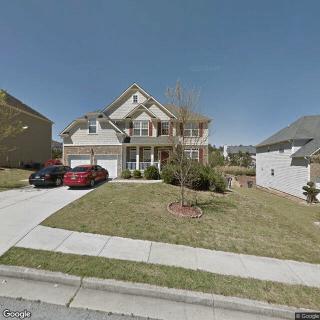
Loving Angels Home Care
$2,500 / month20.8 miles away -
from -$300 / mo

A & C Personal Care Home
$2,500 to $4,000 / month6.3 miles away -
from +$200 / mo
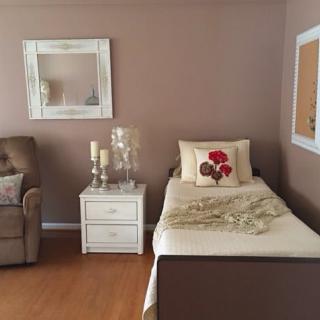
Living Treasures Personal Care
$3,000 to $3,200 / month17.6 miles away
Overall Review of Weini's Personal Care Home
Pros
 Willene's Home Care Service is the absolute best in the industry, with a staff that is well trained, courteous, timely, empathetic, compassionate, and caring.
- The staff become family as well as caregivers, and their warmth invites clients to welcome them into their personal lives and space.
- Clients are impressed by the service's integrity and honesty.
- People would want to work for Willene's Home Care Service.
- The service is stupendous.
- Willene is a caring, compassionate, trustworthy, and loving caretaker who goes above and beyond and is adored by families.
- The staff are professional, compassionate, and attentive, tailoring their approach to each client's unique requirements and ensuring comfort and security.
- Families experience peace of mind knowing their loved ones are in capable hands.
Review
Weini's Personal Care Home in Stone Mountain is best suited for families seeking an intensely personal, home-like care arrangement where a dedicated caregiver approach fosters trust, stability, and a family feel. The available testimonials describe a setting staffed with well-trained, courteous, and compassionate caregivers who become part of daily life rather than distant workers. This is the kind of option where routines are tailored to the individual, and security and comfort are prioritized, making it an attractive choice for loved ones who value intimate, hands-on support over a larger, more clinical environment.
For families evaluating alternatives, it’s worth noting that this model may not be the right fit for those who require broad clinical oversight or a campus-style assisted living with extensive programming and on-site nurses around the clock. If the goal is 24/7 medical supervision, specialized memory care, or a facility with a wide array of on-site services and activities designed for larger communities, more traditional facilities should be considered. This is not a critique of quality but a different care architecture, and the choice should hinge on the level of medical intensity and social structure desired.
The strongest pros center on the human touch. Reviewers consistently highlight staff as highly trained, courteous, timely, empathetic, and genuinely caring. The sense that staff “becomes family” is repeatedly cited, as is a praised integrity and honesty in dealings with families. The caregiver’s willingness to go above and beyond translates into practical advantages: reliable responsiveness, tailored attention to individual needs, and a palpable peace of mind for relatives. When trust and warmth are the baseline, the risk of feeling like an afterthought in care diminishes, which is a critical factor for aging in place or transitioning from independent living.
These strengths offset potential downsides by aligning care with emotional and daily living needs rather than treating care as a checklist. The intimate, home-based format can limit access to the breadth of services found in larger communities, but the documented commitment to personalized plans, clear communication, and attentive support helps ensure that essential needs, safety, comfort, dignity, and consistent caregiver availability, are met with exceptional reliability. In short, the human-driven advantages closely counterbalance the trade-offs of a smaller operation where every interaction carries weight.
Practically, families considering this option should pursue a focused set of steps before deciding. Schedule a face-to-face visit and observe how caregivers interact with a resident, noting whether routines feel respectful, responsive, and adaptable. Discuss the explicit care plan: daily schedules, medication management, emergency procedures, and how changes in health status are communicated. Ask about staff stability, training credentials, and how the team handles holidays or caregiver shortages. Clarify costs, billing practices, and what happens if extended care becomes necessary. A candid conversation about expectations will reveal whether the care philosophy aligns with the loved one’s needs.
Ultimately, the community presents a compelling choice for those prioritizing intimate, relationship-driven care delivered with integrity and warmth. It stands out for families desiring a smaller, home-like environment where staff members become trusted partners in daily living. It is less suited for families seeking a large, highly structured facility with extensive on-site medical resources or memory-care specialties. When the objective is to preserve dignity, comfort, and a high-touch caregiving experience, this option earns a strong, credible recommendation. The decision hinges on aligning the care setting’s size, tempo, and style with the elder’s medical needs and the family’s peace of mind.
 Board and Care Home
 Activities off-site
 Air-conditioning
 Bath tubs
 Beautician on-site
 Cable or satellite TV
 Devotional services off-site
 Handicap accessible
 Indoor common areas
 Outdoor common areas
 Private
 Respite or short term stays offered
 Wheelchair accessible showers
 Wi-Fi/high-speed internet available
 William B Hartsfield-Atlanta International (15 miles away)
 Ambulatory care
 Diabetic care
 High acuity care
 Incontinence care
 Medication management
 Kosher
 Art classes
 BBQs or picnics
 Birthday parties
 Day trips and outings
 Gardening club
 Karaoke
 Live musical performances
 Stretching classes
 Wine tasting


 Weight Training for Seniors: Building Strength and Vitality
 Understanding the Sandwich Generation: Stress and Responsibilities for Multigenerational Caregivers
 8 Essential Assistive Devices for Older Adults