
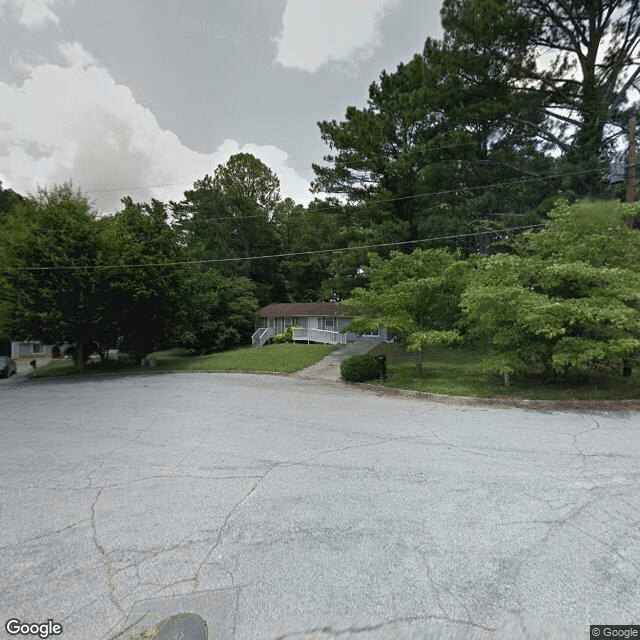
4650 Big Valley Court, Stone Mountain, GA 30083
To contact a resident: (914) 830-2992
For more information about senior living options: (866) 208-4318
Comfort Zone Personal Care Home Costs & Pricing
Comfort Zone Personal Care Home offers competitive pricing for its services, particularly when compared to the broader market in DeKalb County and the state of Georgia. For a semi-private room, residents pay $1,600 per month, which is significantly lower than the county average of $2,188 and the state average of $2,529. Likewise, those opting for a private room at Comfort Zone will find a monthly rate of $1,800, well below DeKalb's average price of $2,415 and the higher state average of $2,864. These cost advantages not only make Comfort Zone an attractive option for prospective residents but also highlight its commitment to providing affordable care without compromising on quality.
| Floor plans | Comfort Zone Personal Care Home | DeKalb County | Georgia |
|---|---|---|---|
| Semi-Private | $1,600 | $2,188 | $2,529 |
| Private | $1,800 | $2,415 | $2,864 |
Senior living communities with a similar price nearby
-
from -$100 / mo
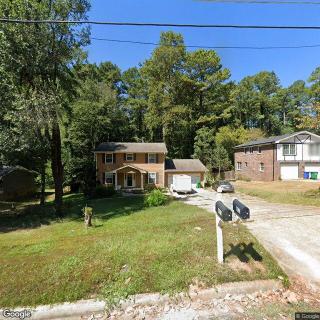
Americare Group
$1,500 / month2.8 miles away -
from +$200 / mo
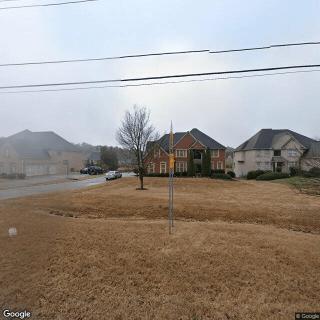
Lona Lisa's Assisted Living Home Inc.
$1,800 to $6,000 / month13.4 miles away -
from +$200 / mo
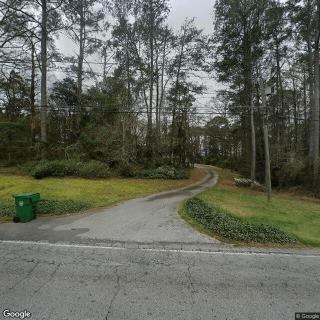
G & M Personal Care Home
$1,800 to $2,500 / month6.5 miles away -
from -$100 / mo
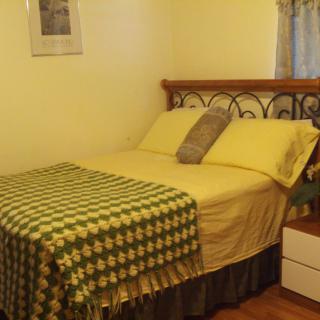
Lend A Hand Personal Care Home
$1,500 to $2,000 / month14.7 miles away -
from -$250 / mo
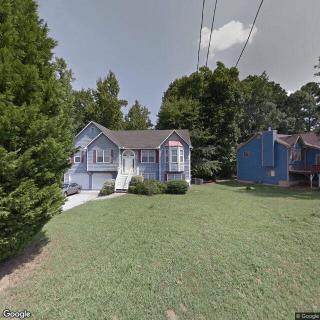
Le'glen Personal Care Home
$1,350 to $2,150 / month8.0 miles away
Overall Review of Comfort Zone Personal Care Home
Pros
 The proprietor and staff at Comfort Care PCH care for mom in a caring, professional, respectful, and dignified manner.
- They consistently prioritize what’s best for mom without sacrificing the safety and well-being of other residents and staff.
- Comfort Care is a God-sent facility where loved ones can continue to live a quality and full life.
- The reviewer strongly recommends Comfort Care PCH for others.
Review
This community is best suited for families seeking an intimate, home‑like setting for a loved one with dementia or Alzheimer’s disease, where care is delivered with dignity, calm reassurance, and a steady emphasis on safety. The long-term residence of nearly seven years under the same proprietor and staff speaks to stability, trust, and a culture of continuity. The reviewer lauds staff members as caring, professional, respectful, and focused on what is best for the resident without compromising the safety of others. For families who prize personal attention, consistent routines, and a respectful, humane approach to memory-care, Comfort Zone Personal Care Home stands out as a compelling match.
Those weighing alternatives should consider scenarios where larger campuses or more formal medical infrastructure are nonnegotiable. If a loved one requires aggressive medical oversight, high-intensity rehabilitation services, or a broad, highly visible program of activities, a bigger assisted living or dedicated memory-care community may offer alternatives that feel more comprehensive. Similarly, families seeking an environment with extensive on-site specialists or 24/7 medical teams might want to compare options with larger facilities. In short, the best fit balances the peace of mind from individualized, compassionate care with practical expectations about medical and programming capacity.
The strongest positives center on personalized care and the safety net that comes with a small, tightly run operation. The staff’s professional, respectful demeanor translates into dignified treatment that never sacrifices safety or well‑being for the sake of convenience. Care is framed around what is best for the resident, and the ongoing attention to the resident’s comfort helps maintain quality of life even as health declines. Long-tenured leadership appears to translate into reliable routines, predictable responses to changing needs, and a sense of continuity that families often associate with genuine, long‑term commitment.
In this same frame, the absence of documented drawbacks in the available account should be weighed against the nature of a small personal-care setting. Potential gaps commonly associated with smaller homes, such as fewer on-site medical resources, more limited diversification of daily programming, or reliance on local professionals, are not highlighted in the review. That absence does not declare perfection, but it does suggest that, for the resident described, the tangible gains in dignity, safety, and individualized attention sufficiently offset the trade-offs typically considered in choosing a dementia-focused residence. For some families, the intimate scale itself is a meaningful advantage that reduces confusion and overstimulation.
How the pros offset any potential trade-offs becomes clear when considering risk and stress. The seven-year placement demonstrates a proven track record of stability, consistent staffing, and a care philosophy that prioritizes the resident’s interests and safety without friction. The combination of a respectful, patient-first approach and a vigilant environment helps minimize common anxieties for families, such as feeling unheard or watching care become impersonal. In memory care, where routines and trust are paramount, this model can translate into steadier days, fewer disruptive episodes, and deliberate, compassionate handling of dementia‑related needs.
For families evaluating options in Stone Mountain, Comfort Zone Personal Care Home represents a strong, well-suited choice when the priority is humane, individualized dementia care in a manageable, home-like setting. The clear upshot is a facility where dignity and safety are not afterthoughts but the core operating principles, backed by staff continuity and a demonstrated commitment to the resident’s best interests. Prospective residents should schedule a visit to observe interactions firsthand, inquire about daily rhythms and safety features, and discuss how changes in health are managed. If the aim is to preserve quality of life through personal attention within a warm, small-community framework, this option warrants serious consideration.
 Board and Care Home
 Activities off-site
 Bath tubs
 Devotional services off-site
 Indoor common areas
 Private
 Private bathrooms
 Respite or short term stays offered
 Wheelchair accessible showers
 William B Hartsfield-Atlanta International (15 miles away)
 Diabetic care
 Incontinence care



 Understanding the Sandwich Generation: Stress and Responsibilities for Multigenerational Caregivers
 8 Essential Assistive Devices for Older Adults
 Navigating the Financial Road to Nursing Home Care: In-Depth Guidance and Resources