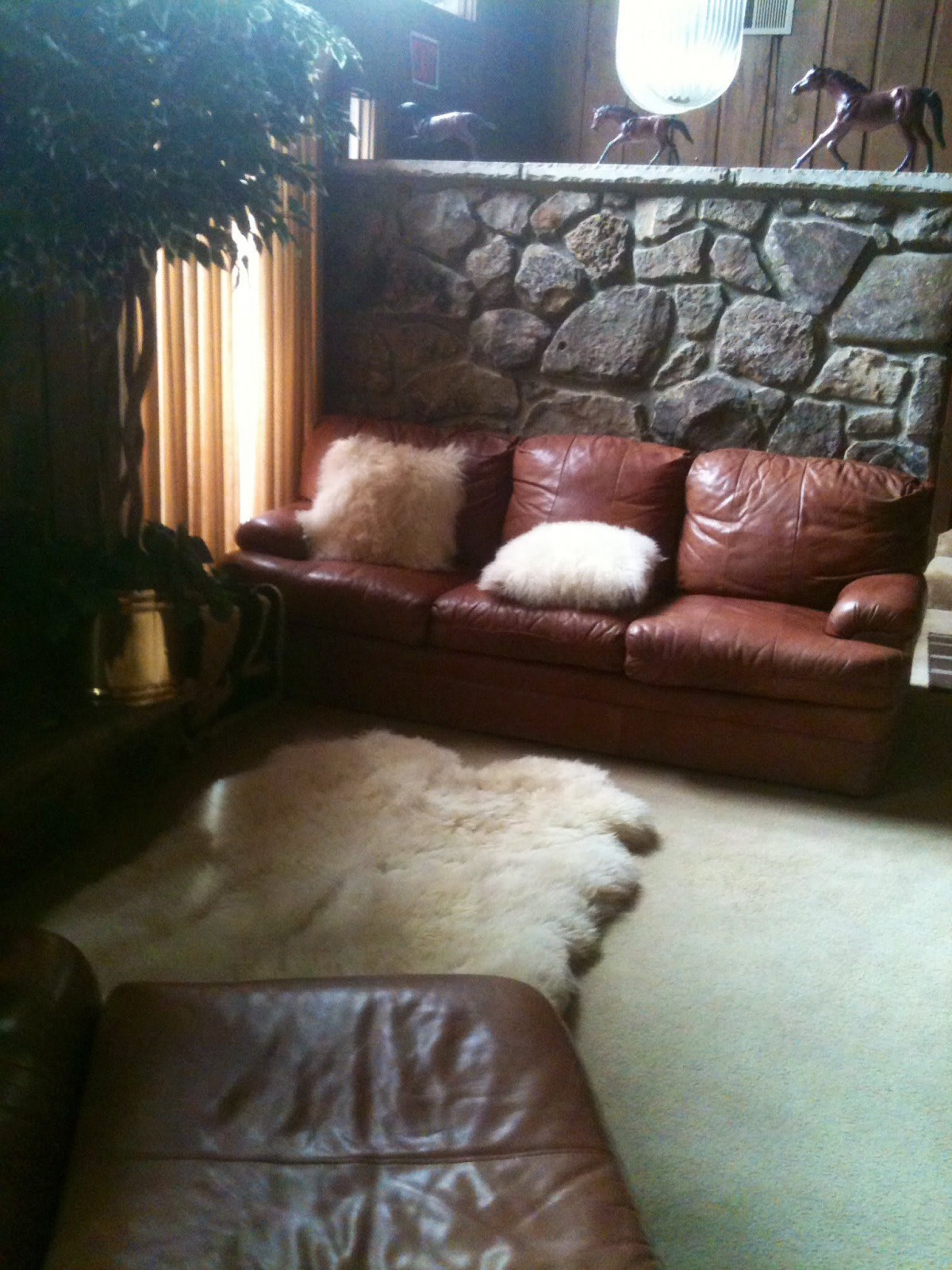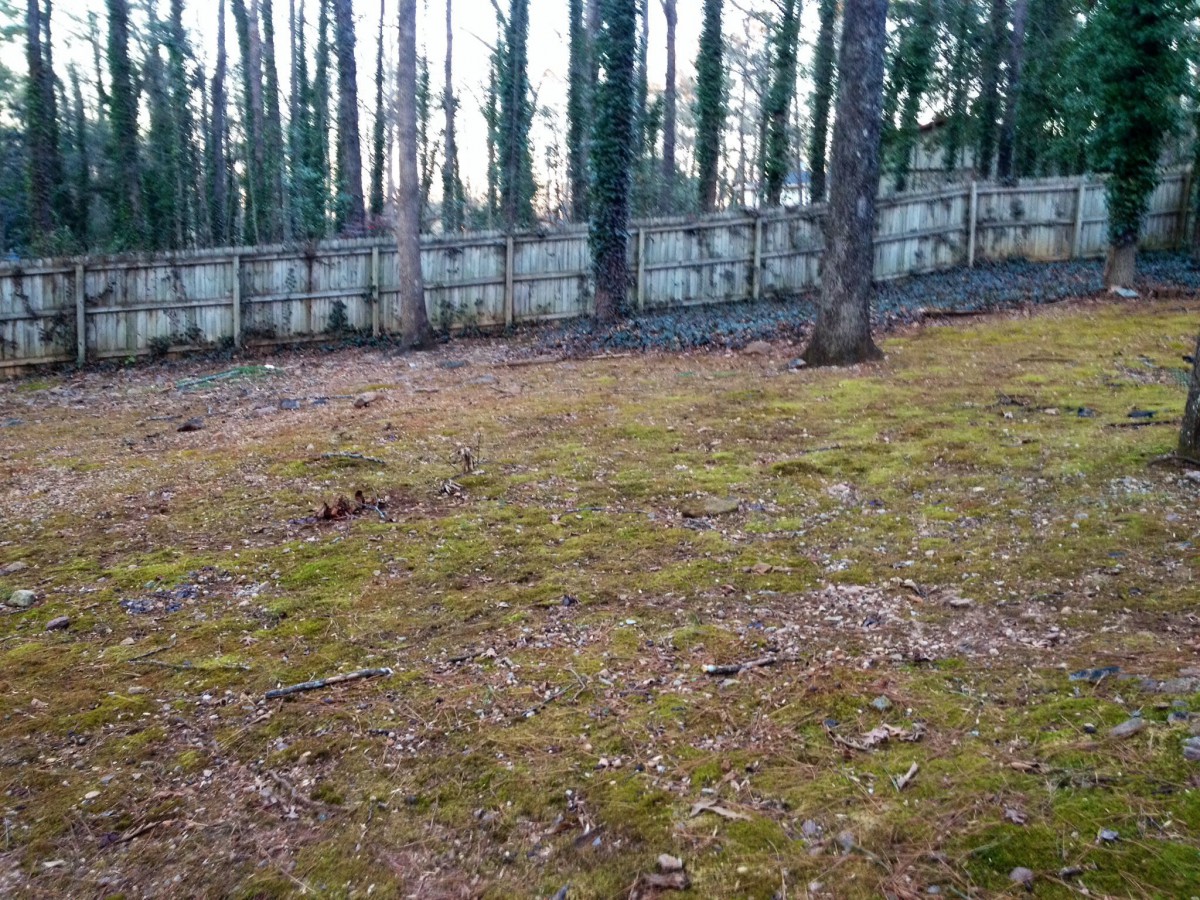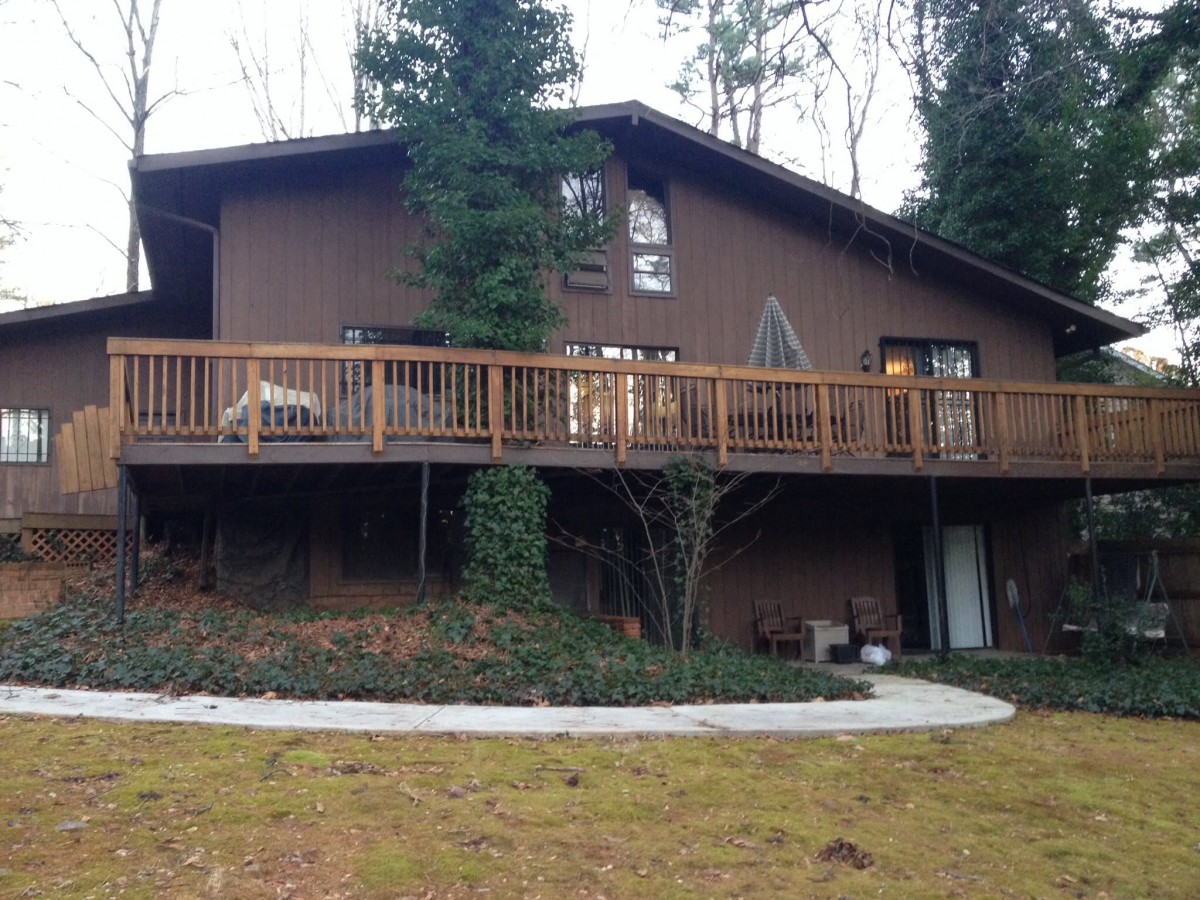
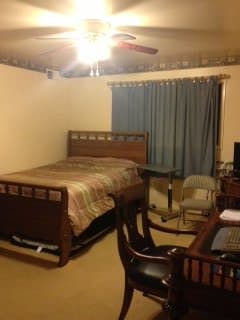

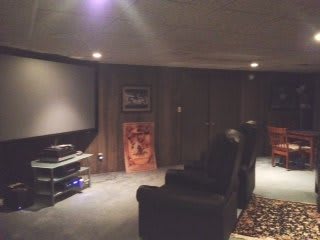
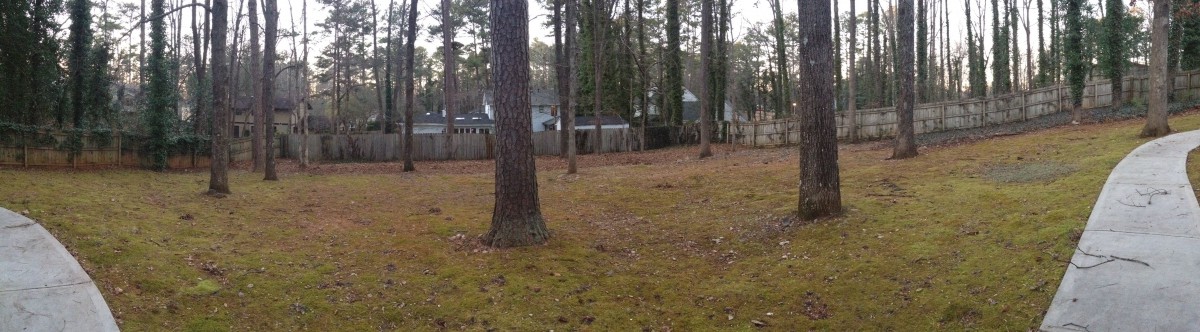




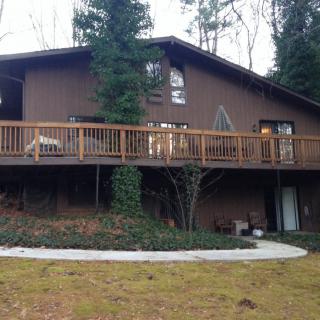
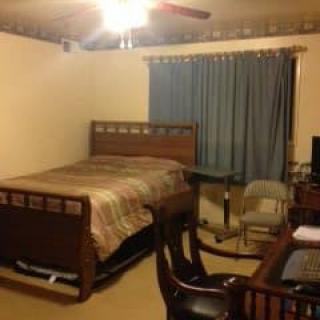
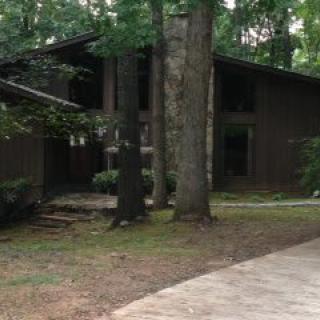


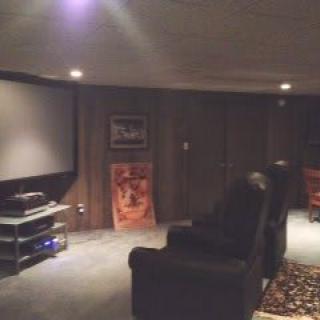
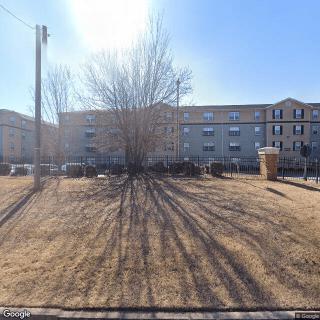
5268 Golf Valley Way, Stone Mountain, GA 30088
For more information about senior living options: (866) 208-4318
Hearts Of Love II Costs & Pricing
Hearts of Love II offers competitive pricing for its various room types compared to both DeKalb County and the broader state of Georgia. For a semi-private room, Hearts of Love II charges $2,000 per month, significantly lower than DeKalb County's average of $2,188 and Georgia's average of $2,529. The cost for a studio room at Hearts of Love II is set at $3,000, which presents a favorable alternative to the county's rate of $2,811 and the state's higher average of $3,520. Additionally, private rooms are offered at the same price as studios, also at $3,000, which undercuts DeKalb County's average of $2,415 and Georgia's state average of $2,864. Overall, Hearts of Love II provides a range of affordable options that stand out in comparison to local and statewide costs.
| Floor plans | Hearts Of Love II | DeKalb County | Georgia |
|---|---|---|---|
| Semi-Private | $2,000 | $2,188 | $2,529 |
| Studio | $3,000 | $2,811 | $3,520 |
| Private | $3,000 | $2,415 | $2,864 |
Memory care communities with a similar price nearby
-
from +$100 / mo
Abiding Care Home
$2,100 / month7.1 miles away -
About the same

Omni Adult Day Care
$2,000 to $3,000 / month22.7 miles away -
from +$300 / mo
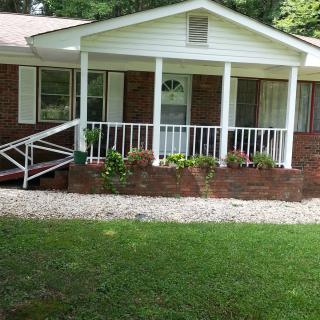
Comfort Care Personal Care Home
$2,300 / month6.6 miles away -
from +$200 / mo
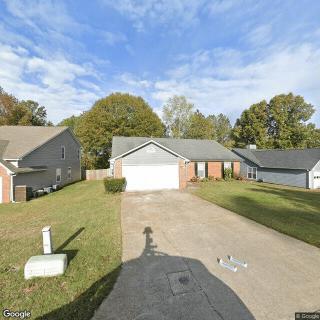
Lia's Personal Care Home
$2,200 to $2,500 / month21.0 miles away -
from +$101 / mo
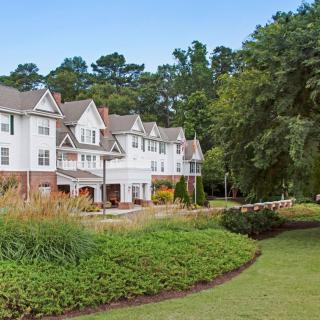
Brighton Gardens of Buckhead
$2,101 to $5,370 / month12.2 miles away
Overall Review of Hearts Of Love II
Pros
 The food at Hearts of Love was very good.
- They took really good care of mom for the short time she was there.
- The reviewer would recommend Hearts of Love.
Cons
 Mom was misdiagnosed with vascular dementia.
- She did not know what was going on.
- They ended up having to take her out of there and get her in a special place for her condition.
Review
Hearts Of Love II in Stone Mountain is best suited for families seeking a small, home‑like setting for a short‑term or transitional stay, where meals are nutritious and daily care feels attentive. The pace and footprint of the community appear to support residents who are relatively stable and do not yet require intensive, memory‑care programming. In practical terms, this location can serve as a decent bridge between hospital discharge and a more specialized arrangement, offering reliable daily structure, predictable routines, and a focus on quality meals.
Those considering alternatives should take note that long‑term memory‑care needs or confirmed dementia management demand a different fit. If cognitive decline is a central concern or if specialized, ongoing dementia programming is anticipated, this community may not be the best match. Families should evaluate facilities with dedicated memory‑care wings, clearer assessment and care‑planning processes for dementia, and proven continuity of care over months and years. In short, this setting is less clearly equipped for sustained, complex cognitive impairment and the associated behavior management that typically accompanies it.
On the upside, the dining experience stands out as a practical strength. The food being described as very good matters in a setting where nutrition and appetite can slide as health needs evolve. Beyond meals, the care delivered during the brief stay was presented as genuinely attentive; staff reportedly took the resident’s needs seriously and provided a level of daily support that reassured the family in a critical, short window. For families weighing a temporary placement while sorting out next steps, those functional touches can translate into meaningful peace of mind.
The principal drawback centers on cognitive‑care alignment. The resident was misdiagnosed with vascular dementia, which precipitated a move to a facility better suited to hold and treat that condition. While that outcome says nothing definitive about the current community’s capabilities, it does raise questions about assessment rigor, diagnostic follow‑through, and readiness to manage evolving dementia when it is present. In other words, the risk is not simply about one misstep in diagnosis, but about whether the community can sustain appropriate care if cognitive needs intensify or diverge from initial impressions.
In weighing the positives against the main concern, the good indicators, quality meals, and early signs of attentive daily care, do offset some risk for families seeking a short‑term or transitional experience. Yet the lack of clarity around long‑term cognitive support introduces a meaningful gap for anyone planning a future that includes memory‑care needs. The decisive factor becomes this: for temporary stabilization or respite, Hearts Of Love II can be a solid option; for anticipated dementia progression or ongoing cognitive impairment, alternatives with robust memory‑care programming are worth pursuing.
Practical next steps are straightforward. Arrange a thorough visit and request a candid discussion about memory‑care capabilities, staff training in dementia care, and the facility’s approach to assessment and ongoing care planning. Inquire about menu transparency, sample meals, and how nutrition is tailored to evolving health conditions. Ask about memory‑care options on site, staffing ratios, and whether there is a defined pathway for escalating care if cognitive needs worsen. If a long‑term placement is the goal, compare Hearts Of Love II to nearby communities with established memory‑care programs, ensuring the chosen option aligns with the anticipated trajectory of care. The bottom line: this community delivers meaningful care on a short horizon, but families should reserve final judgment for a fuller picture of long‑term cognitive support and continuity.
 3 resident community capacity
 Assisted Living
 Board and Care Home
 Memory Care
 Activities off-site
 Bath tubs
 Cable or satellite TV
 Devotional services off-site
 Dining room
 Fully furnished
 Garden
 Housekeeping services
 Indoor common areas
 Move-in coordination
 Outdoor common areas
 Private
 Private bathrooms
 Respite or short term stays offered
 Telephone
 Wheelchair accessible showers
 Wi-Fi/high-speed internet available
 William B Hartsfield-Atlanta International (16 miles away)
 24-hour supervision
 Assistance with bathing
 Assistance with dressing
 Assistance with transfers
 Diabetes diet
 Diabetic care
 High acuity care
 Incontinence care
 Meal preparation and service
 Medication management
 Special dietary restrictions
 Transportation arrangement (medical)
 Transportation to doctors appointments
 Why Do Dementia Patients Sleep So Much? Understanding Oversleeping, Stages, and Care Approaches
 8 Key Indicators That Suggest It May Be Time to Transition from Assisted Living to Skilled Nursing Care
 Nourishing the Mind: Essential Dietary Approaches for Dementia