
1545 Kelleys Close, Stone Mountain, GA 30088
For more information about senior living options: (866) 208-4318
Overall Review of Heartease - Community Living Arrangement
Cons
 They describe the business as horrible.
- They call it the most unprofessional work establishment they’ve encountered.
- The home manager is described as rude and unprofessional.
- Management-to-staff communication is inaccurate and inconsistent.
- They claim pay is withheld and not released promptly.
- The in-office manager avoids being contacted outside business hours, yet contacts others at will.
- The homes are outdated and suspected to have bed bugs.
- The agency is accused of unfair operations, with potential legal action.
Review
Heartease is not a fit for residents who require consistent, professional operation and reliable, transparent communication. This community is best suited for families and individuals who can tolerate significant administrative volatility and are prepared to advocate vigorously on payroll and scheduling matters. If a stable, well-managed environment with clear lines of accountability is non-negotiable, look elsewhere. The reviews point to a pattern of miscommunication, pay disputes, and staff-management friction that undermines trust and daily care. For anyone anchored by practical care decisions and safety, this is a scenario where the risks overwhelm any potential convenience.
More precisely, those who may want to consider alternatives are families who value dependable payroll practices, timely and respectful communication, and a well-maintained living environment. The repeated concerns about pay withholding, delays, and unclear expectations, combined with reports of unprofessional management and inconsistent staffing, create a fragile foundation for ongoing care. Prospective residents with complex medical needs or a requirement for coordinated, proactive caregiving should pivot to communities with solid licensing histories, stable administrator teams, and predictable operations. In short, where reliability is essential, this is not the right pick.
The few potential advantages that could be imagined do not materially offset the core drawbacks described. The criticism cluster centers on payroll problems and poor communication, with additional alarms raised by observations about outdated facilities and rumors of bed bugs. Even if one hopes for a low upfront cost or flexible shift coverage, those benefits are shadowed by the risk of withheld pay, last-minute scheduling chaos, and staff inconsistencies that directly impact resident safety and continuity of care. In this light, any slender upside is swamped by the daily realities of mismanagement and unresolved disputes.
Operational instability seeps into every facet of daily life at Heartease. Families evaluating placement must weigh how payroll disputes and a reportedly unprofessional management culture could affect staffing continuity, shift coverage, and responsiveness to urgent needs. When caregivers are uncertain about pay or left scrambling for clear direction, the bottom line is that resident care can suffer from missed passes, delays in essential tasks, and a lack of proactive problem-solving. The overall environment appears to lack the predictable framework that families rely on for long-term residency decisions.
For families sizing up options, several concrete steps are essential before committing. Request a current, binding written contract and a complete explanation of pay schedules, including direct deposit dates and any hold periods. Ask for copies of recent payroll records and the facility’s licensing status, including any open compliance concerns. Seek candid candid feedback from multiple sources, current residents, families, and independent ombudsmen if possible, and verify the facility’s response history to complaints. Inspect the living areas and talk plainly about bed bug history, maintenance cycles, and ongoing facility improvements. These guardrails help separate what looks affordable from what delivers dependable, respectful care.
Ultimately, the recommendation is clear: approach Heartease with a highly cautious, information-first mindset and prepare to walk away if the red flags persist. If a community can demonstrate stable management, transparent payroll practices, up-to-date facilities, and a responsive culture, it will clearly outshine Heartease in every practical metric. For those at the crossroads, explore alternatives that have verifiable licenses, steady leadership, and consistently positive feedback from both staff and residents. The decision should prioritize reliable care, predictable operations, and a safe, well-maintained environment over any cost savings or convenience in a setting marked by payroll disputes and communication breakdowns.
 3 resident community capacity
 Assisted Living
 Cable or satellite TV
 Dining room
 Fully furnished
 Garden
 Housekeeping services
 Move-in coordination
 Outdoor space
 Telephone
 Wi-Fi/high-speed internet available
 William B Hartsfield-Atlanta International (16 miles away)
 24-hour supervision
 Activities of daily living assistance
 Assistance with bathing
 Assistance with dressing
 Assistance with transfers
 Diabetes diet
 Meal preparation and service
 Medication management
 Special dietary restrictions
 Transportation arrangement (medical)
 Transportation to doctors appointments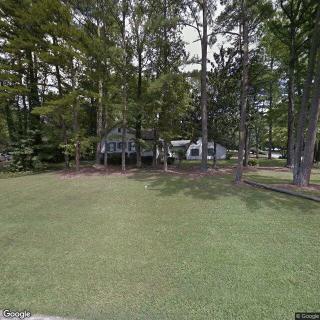
 Specialized memory care with comprehensive support (medication management, incontinence care, high acuity) and short-term respite options at a competitive price.


 Comprehensive Supportive Living Arrangements for Adults with Disabilities
 Funding and Affording Assisted Living: A Thorough Overview
 Assisted Living Expenses and Long-Term Care Insurance: A Comprehensive Exploration