At Oaks at Savannah, the monthly costs for various room types present an attractive alternative compared to both Chatham County and the broader state of Georgia. For instance, a studio unit is priced at $2,100, significantly lower than the county's average of $3,564 and the state's average of $3,520. Similarly, a one-bedroom apartment is available for $2,600, offering considerable savings against Chatham County's average of $3,245 and Georgia's $3,412. For those seeking more space, the two-bedroom option at Oaks is priced at $3,400 - again demonstrating value compared to Chatham County's average of $3,990 and the state's average of $3,921. Overall, Oaks at Savannah provides competitive pricing that reflects both quality living and financial sense in comparison to local and state averages.
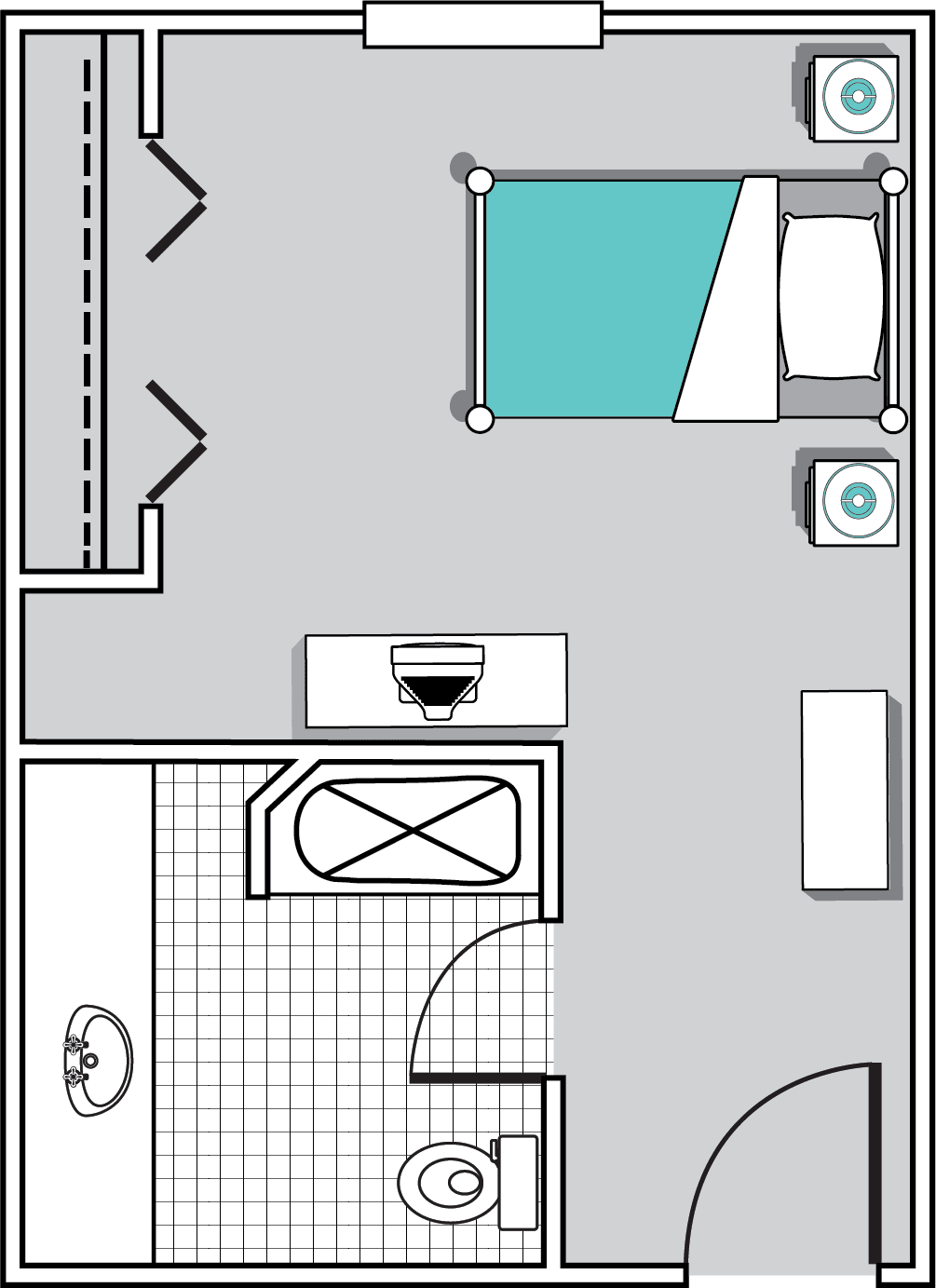
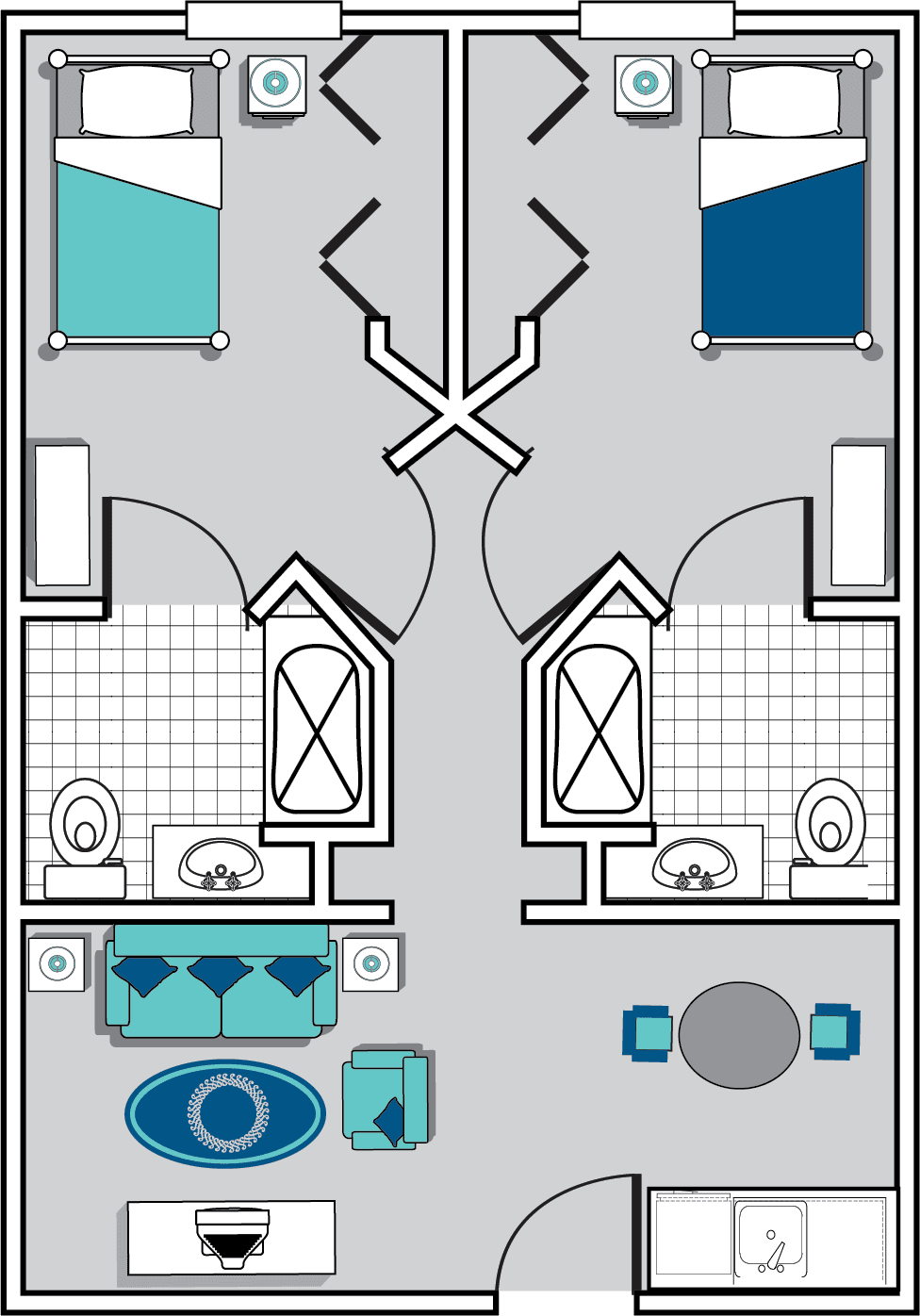
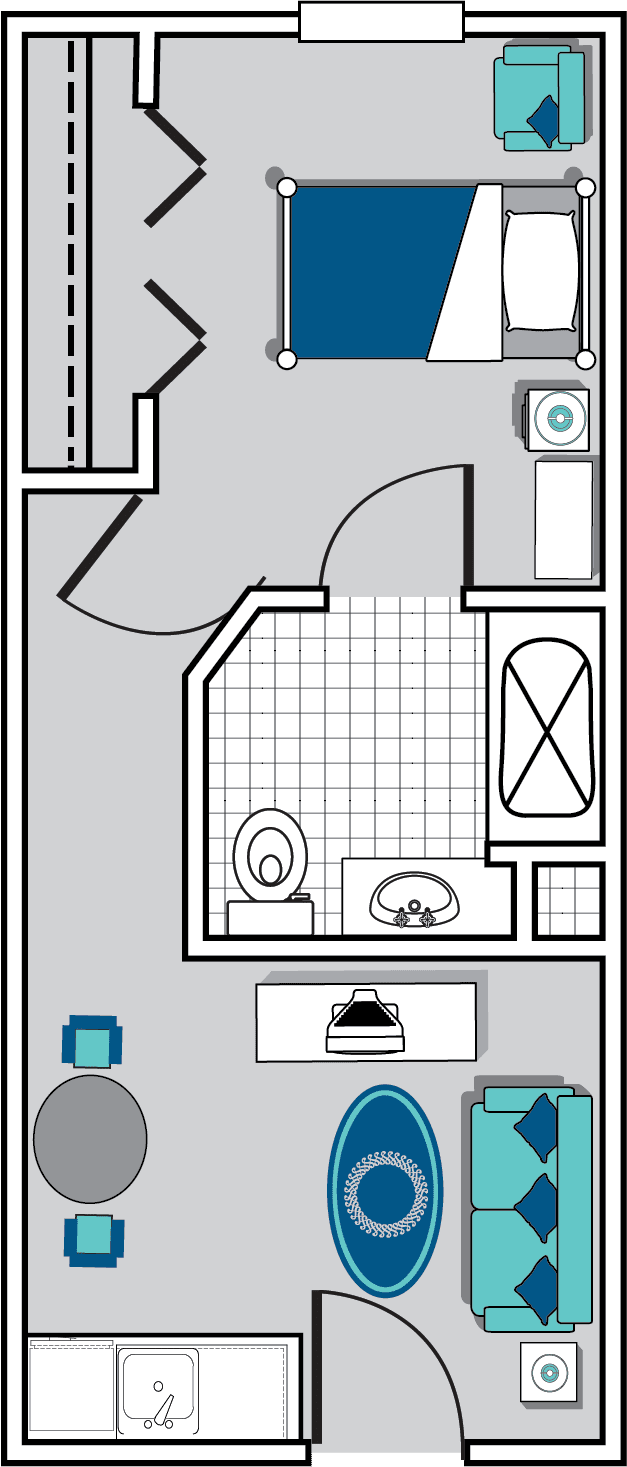
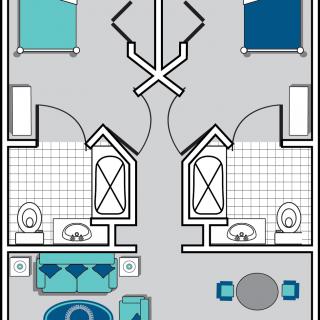
Floor plans
Oaks at Savannah
Chatham County
Georgia
Studio
$2,100
$3,564
$3,520
1 Bedroom
$2,600
$3,245
$3,412
2 Bedrooms
$3,400
$3,990
$3,921
Memory care communities with a similar price nearby
Many residents and families describe staff as welcoming and supportive.
A recurring theme is how approachable staff members can be, with multiple reviewers describing the team as friendly, caring, and easy to talk with. Several also mention follow-through—like addressing concerns quickly or calling when issues come up. At the same time, a smaller set of reviews raise serious concerns about staffing reliability and how care is handled day to day.
common10 reviews mention this
Cleanliness shows up repeatedly
Reviewers frequently mention the facility feels clean.
Cleanliness is a positive detail that comes up across tours and day-to-day experiences, with residents and families describing a spotless reception area, a clean overall look, and rooms and common spaces that appear well kept. In contrast, a few memory-care related reviews describe cleanliness problems such as pests, plumbing-related issues, and other sanitation concerns, which directly conflicts with the more positive accounts.
caveat9 reviews mention this
Dining is mixed in quality
Dining feedback ranges from decent to a major concern.
Some reviewers say the meals are good, including comments about enjoying the food and receiving appropriate options. Others describe meals as inconsistent—such as sending food residents can’t eat, running out of preferred items, or serving food that feels institutional. Several complaints also point to dietary management issues and a need for better meal planning and coordination.
common6 reviews mention this
Pricing is a frequent draw
Families often cite pricing as a reason they considered the community.
A number of reviewers describe the community as reasonably priced or fitting their budget, and some specifically compare it favorably to other options. However, other reviews warn about costs that may surface later, including billing concerns and charges they felt weren’t clearly explained upfront. The mixed pricing experience suggests value for some families, but frustration for others when fees and billing details don’t match expectations.
differentiator7 reviews mention this
Medication help and personal care
Residents and families mention medication management and help with bathing.
Multiple reviews describe care support that includes medication help and assistance with bathing, along with staff members being involved when needs come up. This aligns with the community offering care services that include medication management and personal care assistance. Still, there are also negative reviews—especially around memory care—that claim inadequate response and neglect-related safety concerns.
caveat4 reviews mention this
Memory care raises serious safety concerns
Some memory-care reviews describe failures in safety and attention.
A subset of reviewers, particularly those with loved ones in memory care, report severe concerns such as inadequate supervision, problems with hydration timing, and residents left waiting for help. There are also complaints about pest issues, falls and delayed assistance, and breakdowns in daily routines like laundry handling. Taken together, these accounts conflict sharply with the positive impressions of cleanliness and care from other reviews.
How we summarize
Counts show how many written reviews mention each theme; a review can touch several themes, and only frequently mentioned themes are displayed.
Features
Housing
1-bedroom apartments
2-bedroom apartments
Studio apartments
Types of Care
Assisted Living
Memory Care
Pets
Cats allowed
Dogs allowed
Amenities
Activities off-site
Activities on-site
Air-conditioning
Beautician on-site
Cable or satellite TV
Devotional services off-site
Devotional services on-site
Dining room
Garden
Ground floor units
Guasts at mealtime
Guest parking
Handicap accessible
Housekeeping services
Indoor common areas
Kitchenette
Laundry
Outdoor common areas
Overnight guests
Party space
Resident parking
Respite or short term stays offered
TV room
Wheelchair accessible showers
Wi-Fi/high-speed internet available
Transportation
Savannah International (12 miles away)
Transportation & parking
Care Services
Ambulatory care
Diabetic care
Hospice care
Incontinence care
Medication management
Personal care assistants
Physical therapy
Dining
Guest meals
Low / no sodium
Meals provided
No Sugar
Room service
Special dining programs
Vegetarian
Activities
Activities off-site
Art classes
Arts and crafts
Catholic services
Cooking classes
Day trips and outings
Devotional activities offsite
Devotional activities on-site
Educational speakers / life long learning
Games
Gardening club
Live musical performances
Live well programs
Other religious services
Protestant services
Religious services
Stories
Visiting chaplain or priest
Nearby Places of Interest
This area of Savannah, Georgia, offers a convenient and diverse range of amenities for seniors looking to make it their home. With multiple dining options such as McDonald's, Pearls Saltwater Grille, and Savannah Fried Chicken within a short distance, there is plenty of variety when it comes to meal choices. Additionally, there are several parks nearby like Lake Mayer Park for leisurely walks or outdoor activities. For medical needs, there are reputable physicians and hospitals like Southcoast Medical Group and St Joseph's/Candler Health in close proximity. Pharmacies such as CVS and Walgreens are also easily accessible for medication needs. Overall, this area provides a comfortable and well-rounded community for senior living.
Restaurants
McDonald's (0.5 miles)
Pearls Saltwater Grille (1.2 miles)
Savannah Fried Chicken (1.9 miles)
McDonald's (2.1 miles)
The Wyld Dock Bar (2.1 miles)
Green Tea Restaurant (2.1 miles)
Sonic Drive-In (2.4 miles)
Parks
Lake Mayer Park (0.9 miles)
Physicians
Boland Eye Center PC/Eyewear Studio (0.9 miles)
Southcoast Medical Group (1.9 miles)
Dr. Jules Victor III, MD (1.9 miles)
Savannah Neurology Specialists (2.2 miles)
Coastal Allergy & Asthma PC (2.2 miles)
Arrow Allergy Research (2.2 miles)
Memorial Medical Associates (2.2 miles)
Hospitals
Georgia Regional Hospital (1 miles)
St Joseph's/Candler Health (2.2 miles)
Memorial Neuro ICU (3.1 miles)
Memorial Heart and Vascular (3.1 miles)
Memorial Health University Medical Center Answerone/Nurseone/Switchboard (3.2 miles)
Memorial University Medical Center - Pediatric ICU (3.2 miles)
Pharmacies
Health Delivery Pharmacy (1.9 miles)
CVS Pharmacy (2.3 miles)
CVS Pharmacy (2.5 miles)
Kroger Pharmacy (2.7 miles)
Walgreens (3.1 miles)
Candler Prescription Center at Candler Hospital (3.2 miles)
At Oaks at Savannah, the monthly costs for various room types present an attractive alternative compared to both Chatham County and the broader state of Georgia. For instance, a studio unit is priced at $2,100, significantly lower than the county's average of $3,564 and the state's average of $3,520. Similarly, a one-bedroom apartment is available for $2,600, offering considerable savings against Chatham County's average of $3,245 and Georgia's $3,412. For those seeking more space, the two-bedroom option at Oaks is priced at $3,400 - again demonstrating value compared to Chatham County's average of $3,990 and the state's average of $3,921. Overall, Oaks at Savannah provides competitive pricing that reflects both quality living and financial sense in comparison to local and state averages.
Incontinence care is essential in addressing the specific needs of residents with dementia or Alzheimer's, as it promotes dignity and comfort while reducing anxiety around potential accidents. Medication management ensures that individuals receive their prescribed medications on time and in the correct dosages, which is crucial for managing symptoms and maintaining overall health. Physical therapy plays a vital role in enhancing mobility and physical function, helping residents maintain independence for as long as possible while also providing cognitive stimulation through movement. Collectively, these features create a supportive environment that prioritizes the well-being of individuals facing memory-related challenges.
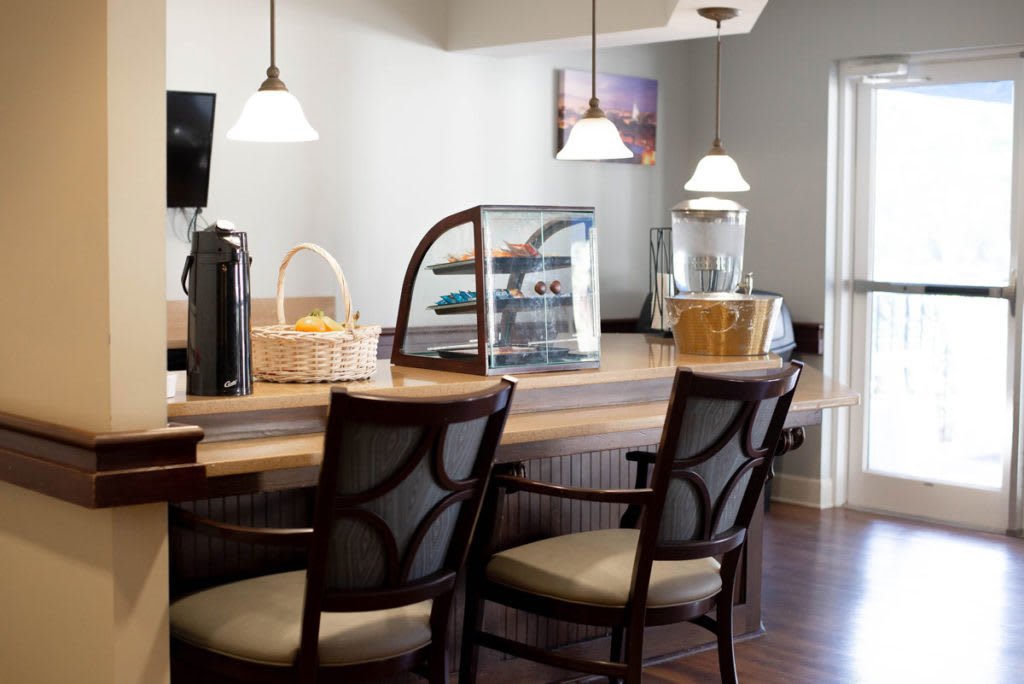
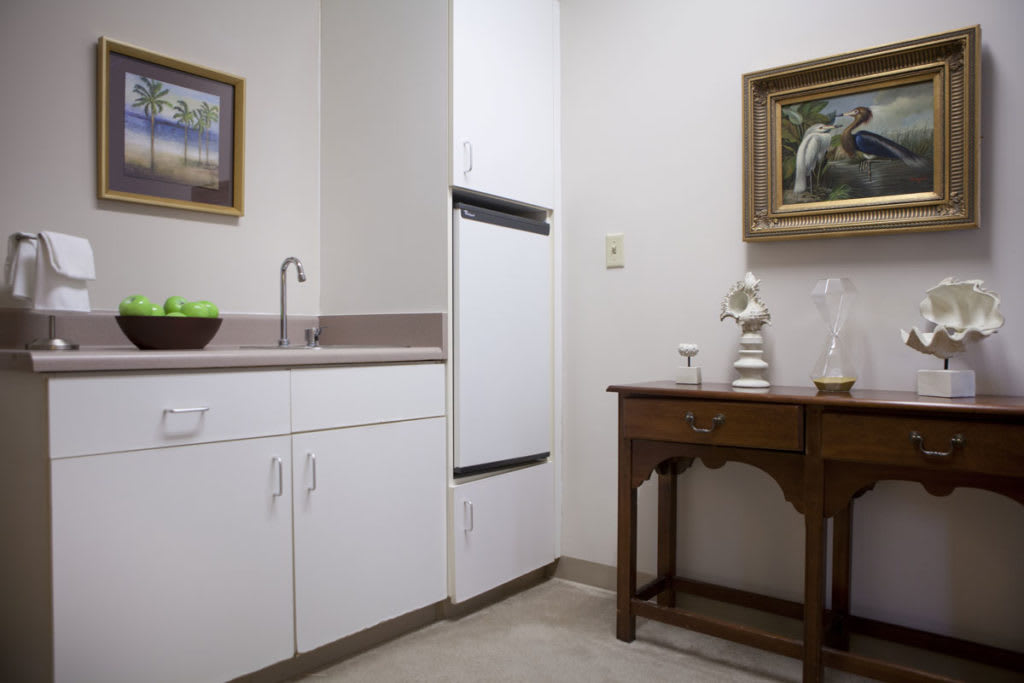
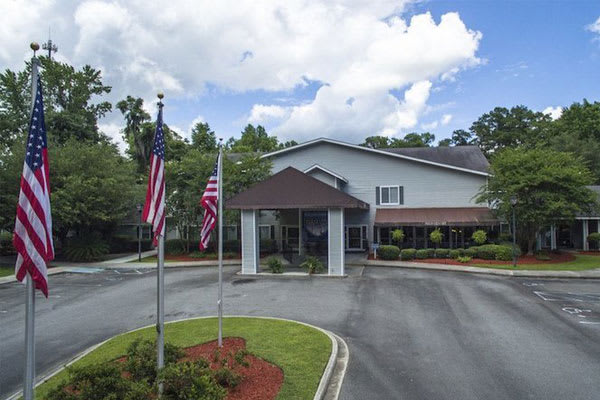
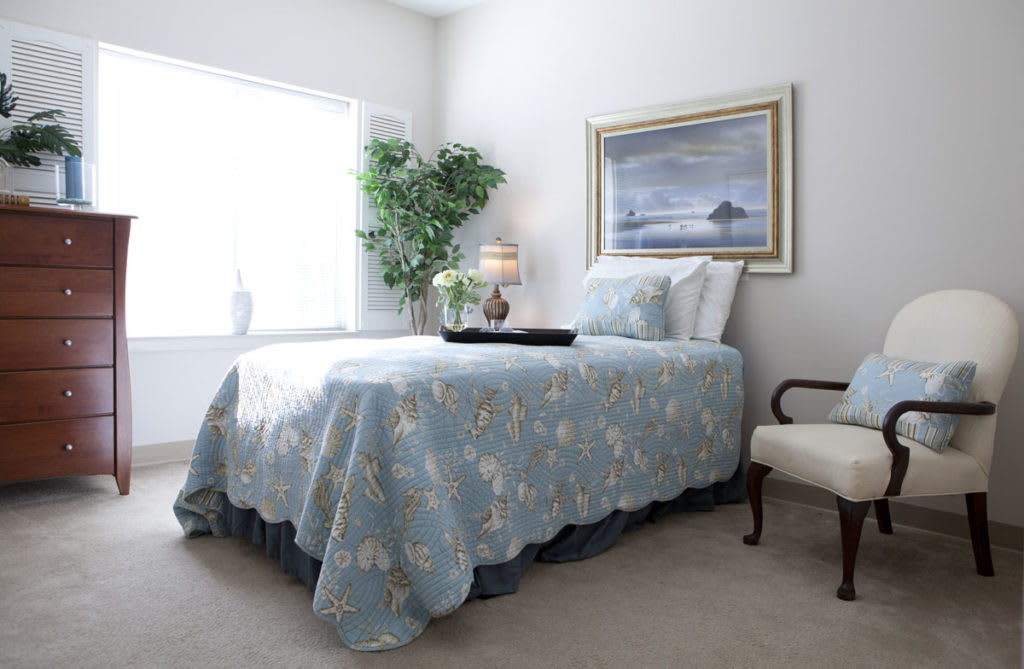
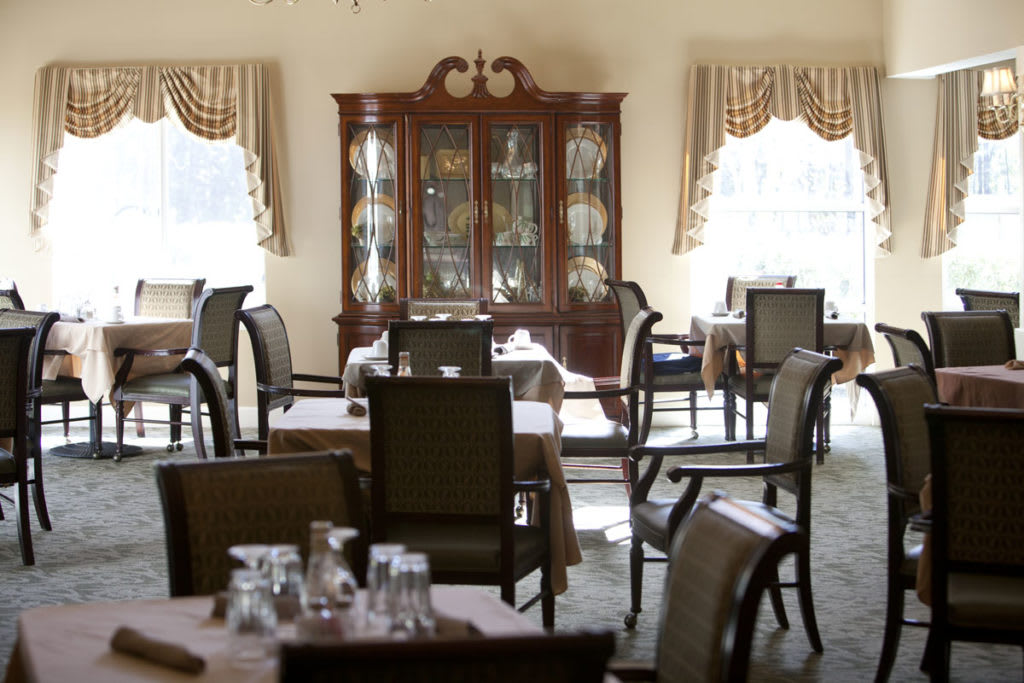
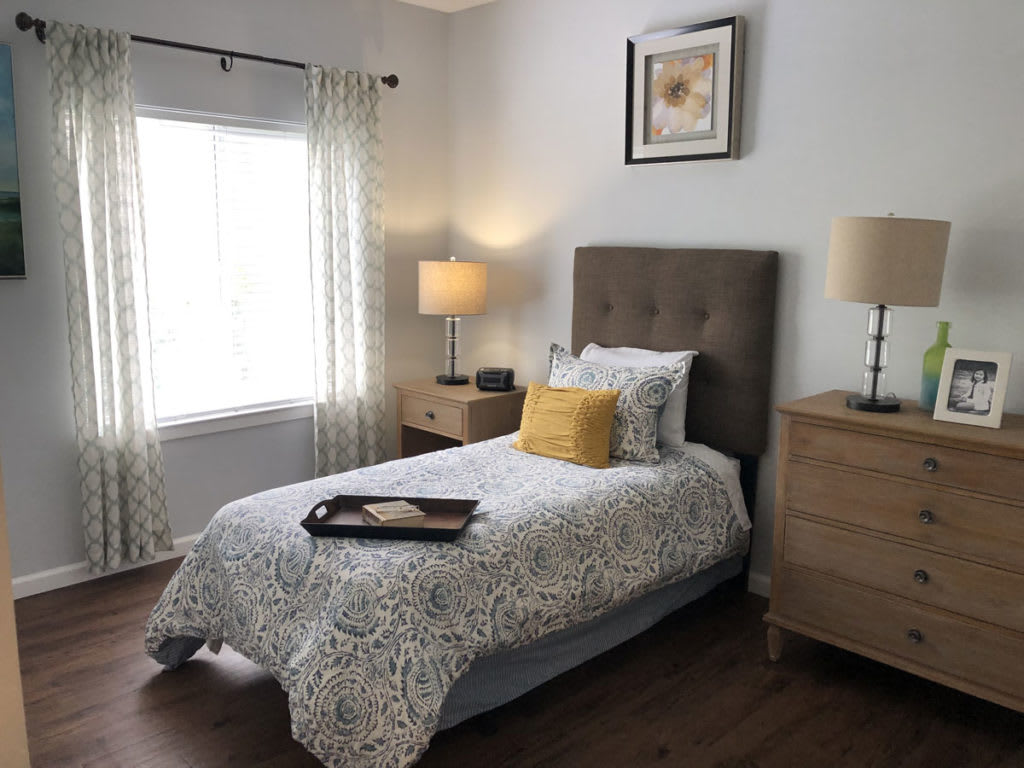
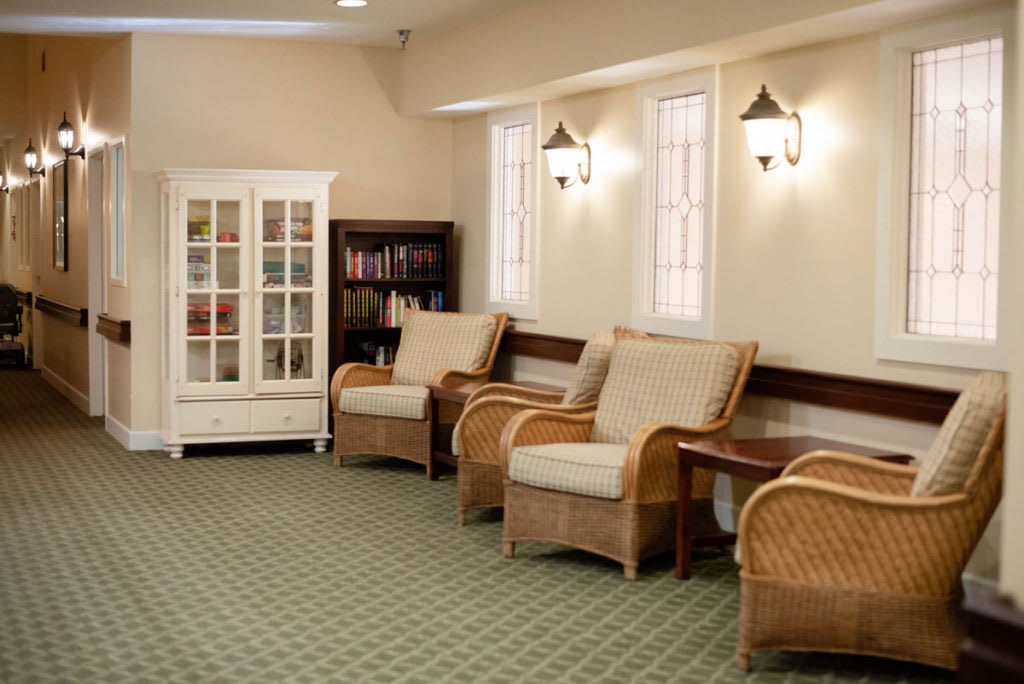
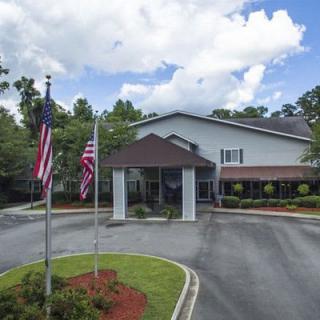
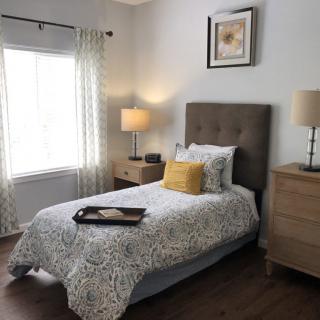
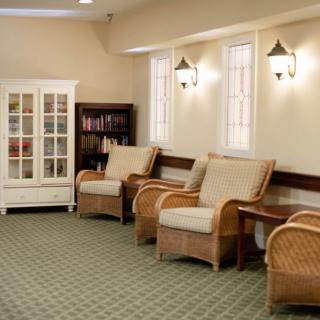
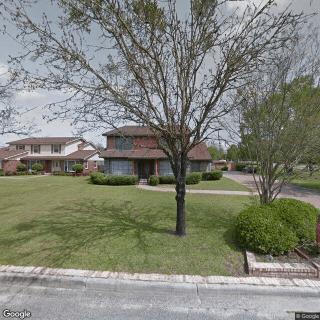
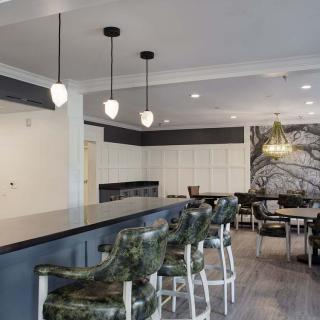
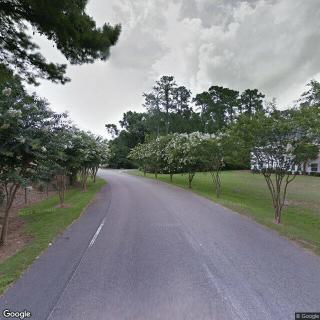
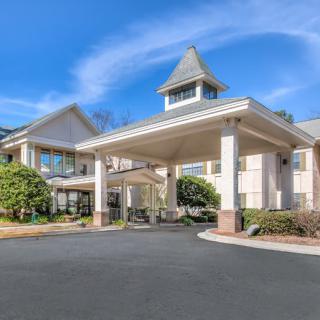
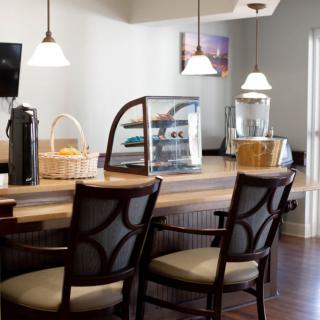
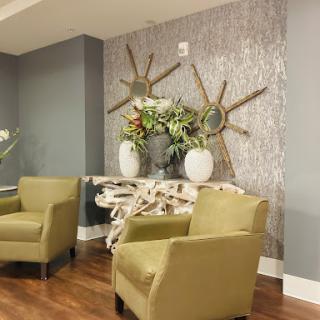
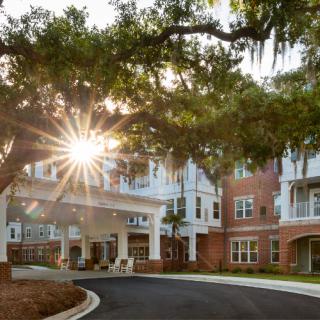
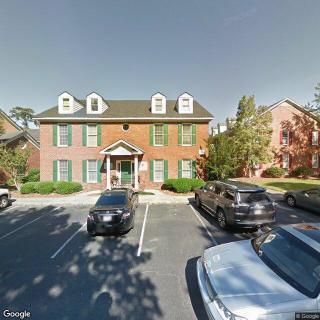
Oaks at Savannah on seniors.fyi includes 11 photos including images showing interior, floor plan, bathroom, bedroom, artwork, dining, lighting, landscaping, and more.
Nearby Communities
Morningside of Savannah
Savannah, GA
Specialized memory care with 24/7 supervision and comprehensive support.
Donnelly House
Savannah, GA
3.9 from 21 reviews
Fully furnished board-and-care with meals, daily activities, housekeeping, and 24/7 supervision.
KEY STREET GROUP HOME
Savannah, GA
4.7 from 86 reviews
Convenient access to healthcare and nearby amenities.
Riverview Health & Rehab Center - Savannah
Savannah, GA
3 from 58 reviews
Compassionate staff and a clean, comfortable rehab environment.
Harmony at Savannah
Savannah, GA
4.3 from 80 reviews
$3,380 to $4,245 / month
Beautiful, modern, and well-maintained building with friendly staff and an active resident community.
Senior Helpers - Savannah, GA
Savannah, GA
5 from 1 review
Caregiver provides companionship and dementia-focused support, helping families reduce stress.
Spanish Oaks Retreat
Savannah, GA
3.3 from 4 reviews
Clean, well-maintained rooms in an attractive, pleasant setting.
Home Instead Senior Care - Savannah
Savannah, GA
4.6 from 29 reviews
Compassionate, reliable caregivers with a proactive 24/7 care plan that aided recovery and well-being.
Thunderbolt Transitional Care And Rehabilitation
Thunderbolt, GA
2.3 from 41 reviews
24/7 care with restaurant-style dining and diverse activities.
The guide outlines the complexities of Medicaid coverage for assisted living, highlighting significant state-to-state variations, limited coverage often restricted to personal care services, and the existence of specialized waivers for certain needs like memory care. It advises families to consult local Medicaid offices for options while emphasizing the importance of understanding state-specific regulations and facility policies.
Medicaid coverage for assisted living varies by state and is primarily available to low-income individuals, with eligibility dependent on strict income and asset limits. Some states offer HCBS waivers for specific services in assisted living, but families must generally cover room and board costs, and should verify facility acceptance of Medicaid while considering potential waiting lists.
Medicaid waivers for assisted living services provide vital support for seniors and individuals with disabilities in need of long-term care, with varying state-specific eligibility criteria and benefits. These waivers cover personal care and case management but often do not fully cover room and board, leading to waiting lists for many applicants.
Bookshelves, Seating, Waiting Area, and Wicker Chairs
Plant
Get PricingAsk A QuestionSchedule A TourContact Senior Advisor
By clicking submit, you agree to our Partner's Terms of Use. You
also consent to receive calls and texts, which may be autodialed, from our Partner. Your consent is not a condition to
using our Partner's service. Please visit our Partner's Privacy Policy for information about their privacy practices.





 1-bedroom apartments
 Assisted Living
 Memory Care
 Cats allowed
 Dogs allowed
 Activities off-site
 Air-conditioning
 Beautician on-site
 Cable or satellite TV
 Devotional services off-site
 Dining room
 Garden
 Ground floor units
 Guest parking
 Handicap accessible
 Housekeeping services
 Indoor common areas
 Kitchenette
 Laundry
 Outdoor common areas
 Overnight guests
 Party space
 Respite or short term stays offered
 Wheelchair accessible showers
 Wi-Fi/high-speed internet available
 Savannah International (12 miles away)
 Transportation & parking
 Ambulatory care
 Diabetic care
 Hospice care
 Incontinence care
 Medication management
 Physical therapy
 Guest meals
 Art classes
 Catholic services
 Cooking classes
 Day trips and outings
 Educational speakers / life long learning
 Games
Games Live musical performances
 Live well programs
 Stories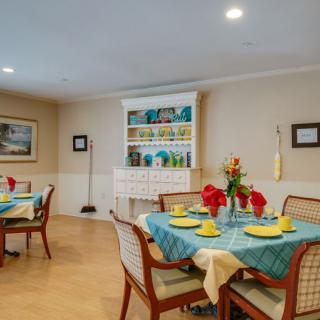
 Specialized memory care with 24/7 supervision and comprehensive support.

 Understanding Medicaid Coverage for Assisted Living: A Comprehensive Guide
 How and When Medicaid May Cover Assisted Living Costs
 A Detailed Exploration of Assisted Living Medicaid Waivers Across the United States