
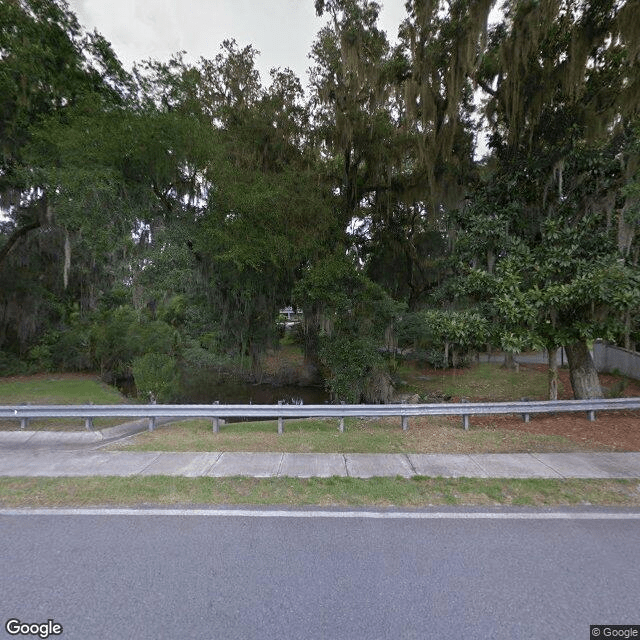
8510 Whitfield Avenue, Savannah, GA 31406
For more information about senior living options: (866) 208-4318
Overall Review of Spanish Oaks Retreat
Pros
 The staff were wonderful to the husband, providing care with expertise and kindness.
- The setting is lovely and calming.
- The rooms do not look like hospital rooms.
- The husband was well cared for with expertise and kindness.
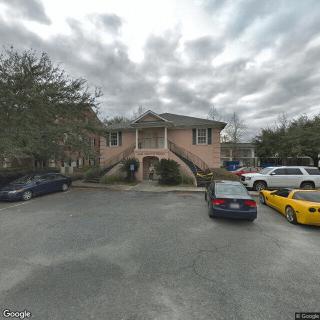
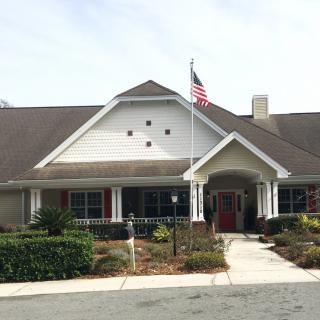
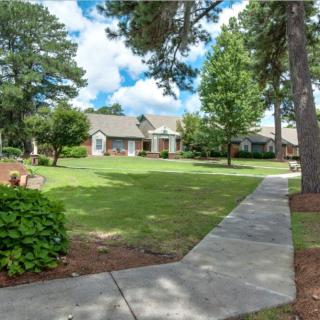
- The grounds are beautiful.
- The common areas are clean and clutter-free.
- The patient rooms are generally organized and clean.
Cons
 A staff member was asleep on duty in the common area while several residents were under her care.
- During lunchtime, several residents needed assistance with eating and were not being helped.
- The reviewer considers the staff to be unprofessional.
- There are concerns about the quality of care provided at the facility.
- The reviewer would not recommend the facility.
Review
Spanish Oaks Retreat in Savannah is best suited for seniors who prize a serene, non-clinical environment and for families that value genuine warmth and steady, compassionate staff attention over a highly medicalized setting. The campus presents a calm, home-like atmosphere with grounds that feel inviting rather than institutional, and the rooms avoid the harsh hospital look. This combination supports daily living with dignity, making it a reasonable option for residents who are relatively independent but appreciate a steady level of assistance. Those seeking aggressive medical oversight, complex nursing protocols, or highly structured memory-care resources may find this community outside the ideal target. One reviewer specifically noted suitability where dementia care is a consideration, but overall care quality remains uneven, so dementia-specific needs warrant a careful, case-by-case assessment.
The strongest positives consistently mentioned are the personal warmth of the staff and the facility’s pleasant aesthetics. A caregiver’s long-standing gratitude for how the team treated a husband underscores a level of expertise and kindness that leaves families with a meaningful sense of relief during difficult transitions. The environment supports well-being with clean, uncluttered common areas and well-kept rooms, and the grounds contribute to a calming daily experience. When staff engagement is present, residents appear well cared for and content, which matters greatly for mood, social connection, and daily satisfaction. These advantages show that Spanish Oaks Retreat can deliver a high-quality, person-centered living experience when the staffing is attentive and stable.
Yet, significant red flags temper the appeal. Reports of a staff member sleeping on duty during a visit raise legitimate concerns about supervision and accountability. Observations of residents needing help with eating during lunchtime without timely assistance point to gaps in responsiveness and execution of daily care tasks. The credibility of staff professionalism is questioned by at least one reviewer, and the impression of inconsistent, uneven care quality undermines overall confidence in routine operations. Taken together, these issues suggest that serious lapses can occur if supervision is not consistently strong, which has real implications for safety and resident dignity.
In weighing pros and cons, the compelling personal care experiences and the attractive, non-hospital setting offset some risk but do not fully counterbalance the core concerns. The facilities’ warmth and the home-like ambiance can meaningfully elevate quality of life when caregiving is reliable, but the existence of supervision gaps and professional doubts dampens the overall value proposition for those needing dependable daily care. In practical terms, Spanish Oaks Retreat rewards days when staff are alert, proactive, and truly engaged with residents; when that level of attentiveness falters, the advantages diminish quickly, and the risk profile rises for dependent or fragile residents.
For families comparing options, it becomes essential to identify whether reliable, consistent caregiving is an absolute priority. If even occasional lapses in supervision or meal-time responsiveness are unacceptable, alternative communities with stronger staffing standards and clearer accountability may be the safer path. For residents requiring more intensive memory-care resources or a higher nurse-to-resident ratio, seek out options with demonstrably robust dementia programs and oversight. A single glowing testimonial cannot erase the concerns raised by reports of inattentiveness and professionalism issues, so the decision should rest on a triangulation of recent visits, corroborating feedback, and transparent staffing data.
The next steps are practical and targeted. Arrange visits during peak activity times, including meals, to observe how staff respond to residents needing assistance. Request a clear staffing schedule, ask about caregiver assignments by shift, and explore the administrator’s escalation procedures and care-planning processes. Speak with current residents and families about consistency, meal support, and responsiveness. Review the facility’s memory-care offerings, existing care plans, and any quality assurance records. If the strengths align with family priorities, warm, person-centered care in a calm setting, and staffing reliability can be demonstrated, Spanish Oaks Retreat can be considered a viable option; otherwise, pursue communities with more consistent caregiving outcomes and accountability.
 36 resident community capacity
 Assisted Living
 Memory Care
 Activities on-site
 Beauty salon
 Cable or satellite TV
 Devotional services off-site
 Dining room
 Fully furnished
 Garden
 Housekeeping services
 Indoor common areas
 Kitchenette
 Move-in coordination
 Outdoor space
 Restaurant-style dining
 Small library
 Telephone
 Wi-Fi/high-speed internet available
 Savannah International (11 miles away)
 24-hour call system
 Ambulatory care
 Assistance with bathing
 Assistance with dressing
 Assistance with transfers
 Diabetes diet
 Diabetic care
 Medication management
 Mental wellness program
 Special dietary restrictions



 How and When Medicaid May Cover Assisted Living Costs
 A Detailed Exploration of Assisted Living Medicaid Waivers Across the United States
 Exploring the Contrasts Between Assisted Living and Skilled Nursing