
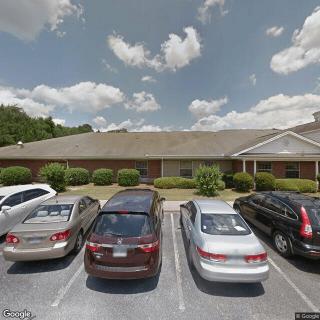
6622 Chiapuk Court, Lithonia, GA 30038
To contact a resident: (770) 710-0962
For more information about senior living options: (866) 208-4318
Grace TLC Assisted Living, LLC Costs & Pricing
At Grace TLC Assisted Living, LLC, the monthly cost for a private room is competitively set at $1,800. This pricing not only presents significant savings compared to the average costs in DeKalb County, which stand at approximately $2,415, but also offers an even greater advantage over the state-wide average of $2,864 in Georgia. By choosing Grace TLC Assisted Living, residents can enjoy a welcoming and supportive environment while benefitting from lower living expenses compared to similar facilities in the area. This makes it an attractive option for families seeking quality care without compromising on financial stability.
| Floor plans | Grace TLC Assisted Living, LLC | DeKalb County | Georgia |
|---|---|---|---|
| Private | $1,800 | $2,415 | $2,864 |
Senior living communities with a similar price nearby
-
from -$300 / mo

Americare Group
$1,500 / month8.3 miles away -
About the same

Lona Lisa's Assisted Living Home Inc.
$1,800 to $6,000 / month11.8 miles away -
from +$300 / mo
Abiding Care Home
$2,100 / month7.2 miles away -
About the same

G & M Personal Care Home
$1,800 to $2,500 / month5.2 miles away -
from +$200 / mo

B&A Personal Care Home
$2,000 / month2.4 miles away
Overall Review of Grace TLC Assisted Living, LLC
Pros
 The facility is great and caring.
- The father is happy.
- They thank everyone.
Cons
 They find it absurd that no one answers the phone after hours.
Review
Grace TLC Assisted Living in Lithonia is best suited for families seeking a small, hands-on caregiving environment where staff familiarity translates into daily warmth and personalized attention. The community seems designed for residents who thrive on routine, a home-like setting, and steady human contact more than flashy amenities or expansive programming. For seniors who value consistent daily support, companionship, and a sense of being known by name, Grace TLC delivers a tangible, people-centered experience that can translate into meaningful peace of mind for family members.
However, those who require relentless after-hours accessibility and real-time, immediate communication should consider alternatives. The most concrete critique among reviewers centers on after-hours phone coverage, with the implication that updates during evenings or weekends can be delayed. If a family’s top priority is uninterrupted, easily reachable communication with staff or administration at all times, a larger operation with robust front-desk coverage and a clearly defined escalation path may be a more reliable fit. For residents needing intensive medical oversight or specialized memory care, other communities with dedicated clinical leadership would be wise to compare.
The strongest pro is unmistakably the caregiving ethos. A positive reviewer notes a great, caring facility and another mentions a father who is happy, signaling genuine warmth and attentiveness from caregivers. That relational strength translates into practical benefits: more vigilant daily oversight, quicker recognition of subtle changes in condition, and a sense of security for families who cannot be on site constantly. The warmth and consistency of staff interactions can meaningfully offset minor operational friction, creating a trustworthy impression that the resident is genuinely valued.
The flip side is a real, actionable gap in operations, namely, after-hours communication. The existence of a 2-star experience connected to unanswered calls after hours is not trivial; it’s a concrete friction point that can erode confidence if not promptly addressed. Yet the overall sentiment across higher-rated reviews suggests that the caregiving quality often overcomes these issues when families are engaged and know what to expect. The dynamic is clear: compassion and reliability on the floor are strong, but the administrative arm behind the scenes must close the loop after hours to prevent concerns from compounding.
Decision-making should center on how critical reliable off-hours contact is to the prospective resident and family. If after-hours access is non-negotiable, demand a written policy detailing after-hours on-call availability, the exact communication channels, and a transparent escalation plan. Seek opportunities to observe a shift change or call handoff to gauge whether information flows smoothly from bedside staff to the administrative side. Ask about weekend staffing levels and how medications, safety checks, and mobility assistance are coordinated when primary caregivers are busy.
In final reckoning, Grace TLC Assisted Living offers a solid, person-centered choice for families prioritizing warmth, familiarity, and steady daily care. The bottom line is practical: compassionate, resident-focused caregiving is the community’s strongest asset and can offset some operational flaws, but a notable caveat remains for those who insist on flawless, always-available communication. If the aim is a genuine, affectionate home atmosphere where staff know residents well and respond with care, Grace TLC delivers. If unbroken, immediate access to staff at all hours is essential, alternatives with stronger after-hours coverage should be weighed as seriously.
 Board and Care Home
 Activities off-site
 Bath tubs
 Devotional services off-site
 Indoor common areas
 Outdoor common areas
 Private
 Private bathrooms
 Respite or short term stays offered
 Wheelchair accessible showers
 William B Hartsfield-Atlanta International (18 miles away)
 Ambulatory care
 Diabetic care
 High acuity care
 Incontinence care
 Medication management
 Kosher
 Adventist services
 Buddhist services
 Islamic services


 8 Essential Assistive Devices for Older Adults
 Navigating the Financial Road to Nursing Home Care: In-Depth Guidance and Resources
 Supportive Employee Benefits That Help Caregivers Attain Better Work-Life Harmony