
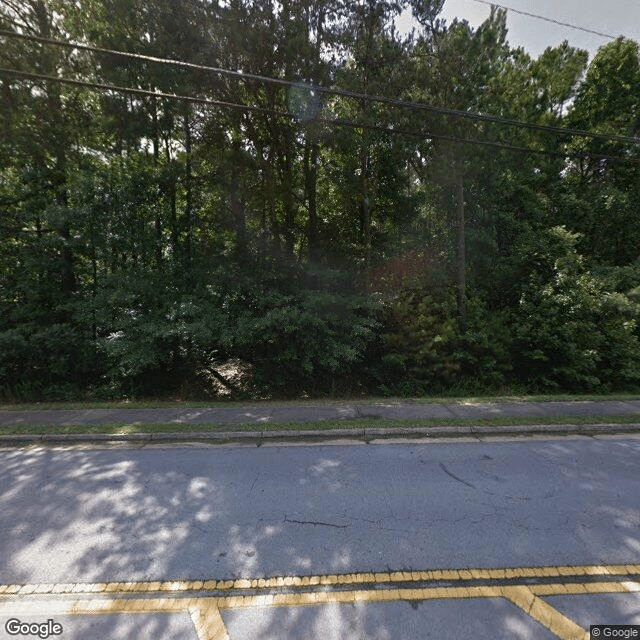
828 Rock Springs Road, Lawrenceville, GA 30043
To contact a resident: (678) 371-4191
For more information about senior living options: (866) 208-4318
Senior Care America 2 Costs & Pricing
Senior Care America 2 offers competitive pricing for senior care services in comparison to both Gwinnett County and the broader state of Georgia. For a semi-private room, Senior Care America 2 charges $2,000 per month, which is significantly lower than the county average of $2,530 and slightly beneath the state average of $2,529. Similarly, the cost for a private room at Senior Care America 2 is set at $2,500, again more affordable than the county's average of $2,551 and well below Georgia's average rate of $2,864. These prices reflect a commitment to providing quality care while ensuring accessibility for seniors and their families in the area.
| Floor plans | Senior Care America 2 | Gwinnett County | Georgia |
|---|---|---|---|
| Semi-Private | $2,000 | $2,530 | $2,529 |
| Private | $2,500 | $2,551 | $2,864 |
Senior living communities with a similar price nearby
-
from -$200 / mo
Lona Lisa's Assisted Living Home Inc.
$1,800 to $6,000 / month15.2 miles away -
from -$200 / mo
G & M Personal Care Home
$1,800 to $2,500 / month20.2 miles away -
About the same

Omni Adult Day Care
$2,000 to $3,000 / month10.6 miles away -
from +$300 / mo
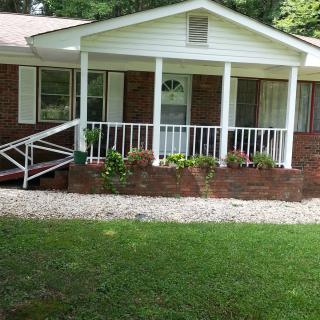
Comfort Care Personal Care Home
$2,300 / month16.2 miles away -
from -$200 / mo
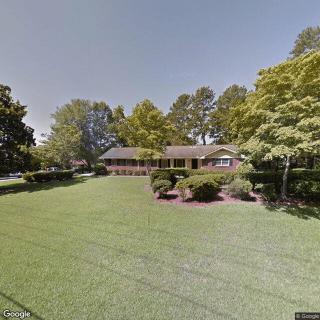
Good Faith II
$1,800 / month14.3 miles away
Overall Review of Senior Care America 2
Pros
 Rock Springs Senior Care is described as an answered prayer that brings peace to families and keeps loved ones safe and happy.
 - The staff are kind, attentive, and treat residents with love, respect, and as if they were family.
- Residents are content, peaceful, and smiling, with noticeable improvements in mood and well-being.
- The home is clean, tidy, fresh, and welcoming, with a warm, family-like atmosphere and seasonal celebrations.
- The care helps loved ones recover and flourish, with responsive communication between staff and families.
- Corrine and Chris, along with their team, are praised for compassionate leadership and thoughtful, attentive care.
- Families would highly recommend Rock Springs Senior Care and consider it the best option for elderly loved ones.
Cons
 They moved their mother three times to other facilities that were described as neglectful, drugging, and ignoring her needs.
- The reviewer had misgivings and felt like giving up before finding Rock Springs Senior Care.
- They approached Rock Springs with little guidance and great concern about placing a loved one into care during Covid.
Review
Rock Springs Senior Care in Lawrenceville is best suited for families seeking an intimate, home-like memory-care environment where residents are treated with visible warmth, respect, and a sense of family. This community shines for seniors who need daily support, especially those navigating dementia-related challenges or recovery after serious health events like strokes. It is ideal for families that value consistent, personal attention, a calm atmosphere, and a staff team that prioritizes emotional comfort and daily meaningful engagement over a clinical, ward-like setting.
Those who may want to consider alternatives include families looking for a larger campus or a more clinical, hospital-like level of oversight, or for residents who require more structured rehab programs and a broader menu of on-site medical services. A bigger operation can offer a wider slate of activities, more diverse social options, and greater redundancy in caregiving teams. For elders with complex medical needs that demand around-the-clock physician presence or highly specialized therapies, the intimate home model may fall short of expectations. In short, for highly medicalized or ultra-varied staffing needs, explore other options before committing.
The strongest pros revolve around the human-centric core of the operation. The home feels tidy, welcoming, and consistently clean, with a gentle, non-institutional rhythm that makes visits reassuring rather than stressful. Caregivers, most notably Corrine and Chris, are repeatedly cited as the heart of the community, delivering sustained, patient, and loving care that residents respond to with improved mood and a sense of safety. Families note that care is treated as a partnership, with clear communication and hands-on involvement that helps relatives rest easier about daily needs, meals, and activities. The daily life here centers on comfort, home-cooked meals, seasonal celebrations, and photos with residents, all of which reinforce a feeling that the setting is a real home rather than a facility.
These advantages offset potential drawbacks by transforming care into a relationship-driven experience. When residents are fragile or resist routine, the devoted, familiar staff can de-escalate anxiety and encourage participation in small, meaningful moments, meals, music, or holiday decor, that reinforce identity and dignity. The emphasis on family-like interactions also tends to reduce the isolation that often accompanies memory care, and the consistent attention to routine supports stability in moods and routines. In short, the emotional and relational benefits provide a powerful counterbalance to the limits of a smaller operation.
However, the limitations inherent in a small, intimate setting should be acknowledged. While the atmosphere is a strength, it can imply fewer on-site medical resources and a narrower range of services than larger communities. For families prioritizing aggressive rehab options, specialized therapies, or robust medical staffing, these arrangements may feel constrained. The care model is strongly person-to-person and hinges on the leadership and consistency of a small team; any disruption in staffing or leadership could impact continuity more than in a bigger operation. Those considerations matter when evaluating long-term expectations and escalation needs.
Ultimately, the decision comes down to fit. If a loved one thrives on a steady, affectionate, and highly personalized caregiving culture, with a home-like ambiance that honors daily joys and family involvement, Rock Springs Senior Care offers a compelling, high-quality option. For families that prize breadth of services, larger social ecosystems, or intensive clinical oversight, alternatives deserve careful comparison. The prudent path is a guided visit, a candid talk with Corrine and Chris about staffing plans, and a clear sense of monthly expectations, then align choices with the resident’s temperament, medical needs, and the family’s ability to partner closely in ongoing care.
 Board and Care Home
 Activities off-site
 Bath tubs
 Beautician on-site
 Devotional services on-site
 Indoor common areas
 Outdoor common areas
 Private
 Respite or short term stays offered
 Ambulatory care
 Diabetic care
 Incontinence care
 Medication management
 Kosher


 Urinary Tract Infections in Older Adults: Comprehensive Insights on Symptoms, Treatment, and Prevention
 California's Form 602A: An In-Depth Examination of Senior Care Assessment
 Comprehensive Look at Senior Blood Pressure Charts: Normal and Elevated Levels by Age