

1385 Rock Springs Road, Buford, GA 30519
For more information about senior living options: (866) 208-4318
Rock Springs Senior Care Costs & Pricing
Rock Springs Senior Care offers competitive pricing for its private rooms, with a monthly cost of $2,000. This figure stands in stark contrast to the average expenses observed in Hall County, where similar facilities charge approximately $3,368 per month. Even when compared to the broader state average in Georgia, which is around $2,864, Rock Springs presents a more budget-friendly option for seniors seeking care. This pricing strategy allows families the peace of mind knowing they can access quality care without overstretching their financial resources.
| Floor plans | Rock Springs Senior Care | Hall County | Georgia |
|---|---|---|---|
| Private | $2,000 | $3,368 | $2,864 |
Assisted Living communities with a similar price nearby
-
from -$200 / mo

G & M Personal Care Home
$1,800 to $2,500 / month20.5 miles away -
from +$300 / mo
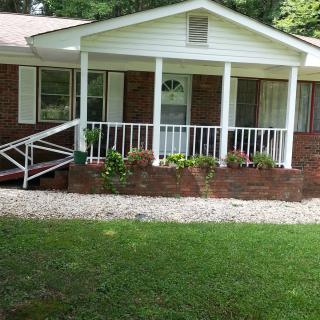
Comfort Care Personal Care Home
$2,300 / month16.8 miles away -
About the same
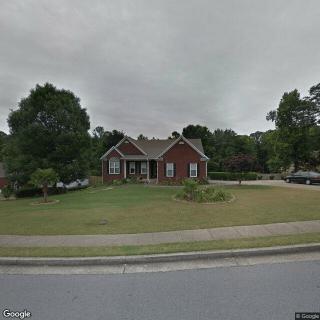
Tender Care Assisted Living
$2,000 to $2,400 / month6.4 miles away -
from +$250 / mo
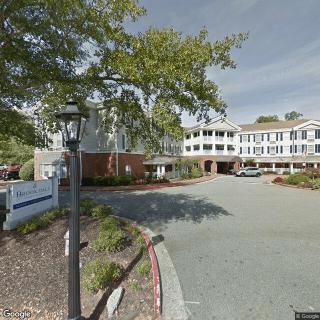
EPOCH Assisted Living of Roswell
$2,250 to $4,400 / month21.7 miles away -
from +$100 / mo

Marieta's Mission Personal Care Home
$2,100 to $2,550 / month2.8 miles away
Overall Review of Rock Springs Senior Care
Pros
 They view Rock Springs Senior Care as an answered prayer that makes a world of difference in their loved one’s life.
- They feel their loved ones are valued, respected, and seen under the care.
- They describe the environment as loving, home-like, clean, and pleasant.
- They praise the staff for being kind, attentive, patient, and treating residents like family.
- They note improvements in well-being, with loved ones feeling content, peaceful, and happy.
- They highlight the quality of meals, often mentioning the good, home-cooked options.
- They experience relief and peace knowing their loved ones are safe and well cared for.
Cons
 They didn’t like the large open public area layout.
- They noted the home was newer and licensed for only three residents despite a max of six.
- They found the visible ambulatory equipment off-putting.
Review
Rock Springs Senior Care in Buford, GA is best suited for families seeking a small, home-like memory-care environment where residents receive intimate, attentive daily care and feel truly seen. The community earns exceptionally high marks for warmth, consistent staffing, and a culture that treats residents as individuals rather than tasks. It works best for seniors whose needs revolve around memory support, companionship, gentle routine, and nutrition-focused, home-cooked meals. Families valuing stability, direct accessibility to caregivers, and a calm, tidy home atmosphere will find Rock Springs aligns with their priorities and delivers outcomes that reduce family worry.
Nonetheless, some families may want alternatives if a larger scale, more clinical setting is needed. The home operates with a footprint that suggests a small-capacity model, listed as max six residents, with licensed capacity reportedly limited to three. This licensing detail can matter for families considering broader admissions, longer-term stays with higher levels of medical intervention, or partnerships with outside providers. Additionally, for those who prioritize a spacious, open-concept common area or a layout that favors a more expansive social program, the design of this setting may feel restrictive. Prospective residents should verify current licensing status and capacity to ensure alignment with anticipated needs.
The strongest pros here are palpable and tangible: a caregiver team led by Corrine and Chris who cultivate a family-like environment, meticulous daily routines, and meaningful, personalized attention. Residents appear settled, content, and connected to their caregivers, with staff who handle challenging behaviors with grace and patience. The environment is consistently described as clean, fresh, and welcoming, reinforcing a sense of safety and home. Nutritional value stands out, with praise for quality, home-cooked meals and even small rituals around holidays and celebrations that foster dignity, companionship, and a sense of normalcy in daily life.
Family communication elevates Rock Springs beyond standard care, creating transparency and reassurance for relatives. Reports highlight reliable updates and responsive coordination when changes occur, which is especially valuable for families navigating dementia, post-stroke recovery, or cancer-related caregiving. The presence of independent nurses visiting the home adds a practical layer of medical oversight without sacrificing the intimate, caregiver-led approach. These strengths collectively translate into real outcomes: residents who are calmer, more engaged, and more content, with families able to sleep at night knowing their loved ones are cherished and protected.
The care philosophy at Rock Springs consistently translates into observable improvements for residents who previously faced high-stress hospital or rehab transitions. Several reviews describe substantial gains in mood, happiness, and daily functioning after moving in, sometimes after a brief adjustment period. This is not merely a soft impression; it reflects improved quality of life, clearer communication with families, and a sense that the home has become a stabilizing, restorative environment. However, this is most aligned with residents who benefit from a steady, hands-on, low-traffic setting rather than highly medicalized care. For those with complex, technology-driven clinical needs or advanced end-of-life planning requiring tighter clinical governance, more robust hospital-like resources may be preferable.
In guiding a decision, Rock Springs stands as a compelling fit for families prioritizing heartfelt caregiving in a small, cohesive home that treats aging and memory challenges with dignity and affection. It excels where warmth, reliability, and family-centered routines matter most, delivering tangible gains in resident happiness and family peace of mind. Alternatives are worth exploring for families needing larger campuses, broader clinical capacity, or a layout that prioritizes expansive common areas and programming. The prudent path is to visit, speak with Corrine and Chris, confirm current licensing and capacity, review the on-site medical support plan, and converse with current families about daily life and scheduling. This preparation will clarify whether Rock Springs is the right level of care, or if a different setting better matches the anticipated pace, medical needs, and social aspirations of the senior being cared for.
 3 resident community capacity
 Assisted Living
 Board and Care Home
 Cats allowed
 Dogs allowed
 Activities off-site
 Beautician on-site
 Cable or satellite TV
 Devotional services off-site
 Dining room
 Fully furnished
 Garden
 Housekeeping services
 Indoor common areas
 Move-in coordination
 Outdoor common areas
 Private
 Telephone
 Wheelchair accessible showers
 Wi-Fi/high-speed internet available
 24-hour supervision
 Ambulatory care
 Assistance with bathing
 Assistance with dressing
 Assistance with transfers
 Diabetes diet
 Diabetic care
 High acuity care
 Incontinence care
 Meal preparation and service
 Medication management
 Special dietary restrictions
 Transportation arrangement (medical)
 Transportation to doctors appointments
 Christian services





 Funding and Affording Assisted Living: A Thorough Overview
 Assisted Living Expenses and Long-Term Care Insurance: A Comprehensive Exploration
 Securing Financial Support for Assisted Living: A Comprehensive Overview