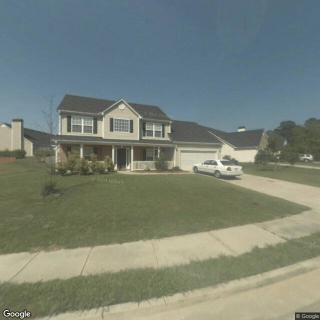
Good Shepherd Senior Living in Lawrenceville, GA

Save
Good Shepherd Senior Living

Good Shepherd Senior Living in Lawrenceville, GA

1712 Brasleton Highway, Lawrenceville, GA 30043

For more information about senior living options: (844) 490-3973

5 from 4 reviews
5 stars
4
4 stars
0
3 stars
0
2 stars
0
1 stars
0

Board and Care Home

Good Shepherd Senior Living Costs & Pricing

Good Shepherd Senior Living offers competitive pricing for its residents, particularly when compared to both Gwinnett County and the broader state of Georgia. For semi-private rooms, the monthly cost at Good Shepherd is $2,100, significantly lower than the county average of $2,530 and slightly below the state average of $2,529. Similarly, in terms of private accommodations, Good Shepherd's monthly fee of $2,700 stands favorably against Gwinnett County's rate of $2,551 and Georgia's average of $2,864. These pricing structures not only highlight Good Shepherd's commitment to affordability but also position it as an attractive option for those seeking quality senior living without straining their budgets.

Floor plansGood Shepherd Senior LivingGwinnett CountyGeorgia
Semi-Private$2,100$2,530$2,529
Private$2,700$2,551$2,864

Overall Review of Good Shepherd Senior Living

Pros

  • pro The facility is very lovely and clean.
  • pro It is highly recommended for loved ones.
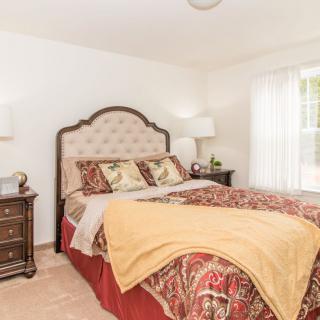
  • pro It is very clean and nicely decorated.
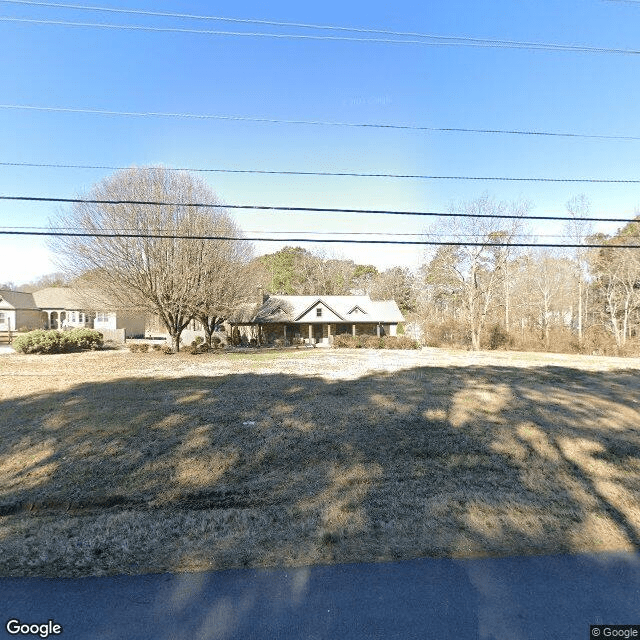
  • pro It features a nice enclosed back yard and pleasant views from the front.
  • pro The lower level provides wheelchair access and an electric ramp.
  • pro Baths are monitored and body wash is required.
  • pro The capacity is six residents.
  • pro It may be the most comfortable option here.

Review

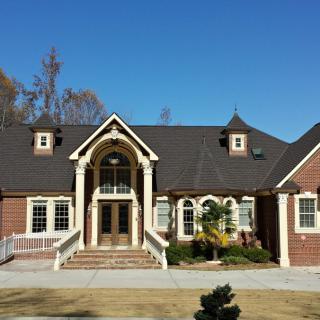
Best suited for seniors who want a small, home-like assisted living experience where relationships with staff feel personal and the daily routine stays calm and predictable. Good Shepherd Senior Living in Lawrenceville operates as a tightly knit, six-resident home rather than a sprawling campus, and that arrangement appeals particularly to couples or individuals who value intimate oversight, frequent direct contact with the leadership team, and a setting that looks and feels clean, well-maintained, and quietly reassuring. The emphasis on a neat interior, tasteful decor, and a pleasant outdoor space - an enclosed back yard plus inviting front views - creates an environment where comfort and dignity are palpable from the first impression.

Those weighing alternatives should consider options that offer a larger resident population, more expansive programming, or broader medical support. Families seeking a broader social calendar, diversified activities, or more intensive clinical services may find a small, six-occupant home less suitable. Similarly, residents who want a longer horizon of independence with a wider range of on-site amenities could be better served by communities that function more like traditional campuses rather than a single-family residence adapted for care. If constant exposure to a broader community and more structured activity schedules are priorities, alternatives deserve serious consideration.

The strongest positives are tangible and well aligned with careful caregiving. The facility's cleanliness and thoughtful presentation stand out, reinforced by quiet, tasteful d?cor that reinforces dignity and ease of comfort. The enclosed yard and scenic views add value for residents who appreciate outdoor time without leaving a contained, secure space. Accessibility is prioritized on the lower level with a wheelchair-friendly layout and an electric ramp, which broadens independence for residents with mobility limitations. Safety routines - such as monitoring baths and the practice of body wash - signal a clear commitment to reducing risk while preserving daily comfort. The small capacity of six can translate into a sense of belonging and predictability that many families prize.

These strengths, however, sit alongside the reality that a six-bed residence inherently limits social options, activity variety, and the pace at which new needs can be scaled or accommodations adjusted. The intimate setting means less shadow staff coverage than larger facilities, which can translate into tighter scheduling or slower responses if multiple issues arise simultaneously. Yet the reviews indicate high engagement from the director and the live-in healthcare provider, which helps mitigate these concerns by ensuring quick, consistent attention and continuity of care. In this sense, the pros compensate for the most practical drawbacks: when stability, safety, and a warm, homey atmosphere top the priority list, the model delivers.

From a decision-maker's perspective, Good Shepherd presents a compelling fit for families prioritizing intimate, safety-forward care over the bells and whistles of a bigger campus. It excels when the goal is clear, compassionate supervision delivered in a private, nearly private-home environment, where residents are known by name and routines feel predictable. The trade-offs - limited peers, a narrower activity slate, and a compact staff footprint - recede in importance for those who value direct access to a small team that truly knows their loved one. For others, the absence of larger programming and additional medical resources means exploring options that can scale with growing needs is prudent.

In practical terms, families considering Good Shepherd should plan a visit focused on staffing dynamics and care plans, not just ambience. Confirm caregiver ratios during peak times, ask about the continuity of the live-in provider, and discuss how medical needs are coordinated if a situation evolves. In parallel, assess how important a broader community experience is relative to the comfort of a single, devoted care team. If the decision hinges on the combination of spotless presentation, intimate setting, and high caregiver visibility, this community stands out as a strong choice. If, instead, a larger network of peers, more extensive programming, or integrated clinical services are non-negotiable, steering toward other Lawrenceville options is advised.

Features

Types of Care

  • Board and Care Home Board and Care HomeBoard and care homes provide a smaller, more intimate setting for seniors who require assistance with daily tasks but do not need the level of care offered by a nursing home. They offer personalized care, meals, and social activities in a homelike environment, ensuring that seniors receive individualized attention and support in their golden years.

Amenities

  • Activities off-site Activities off-siteEngaging in off-site activities is crucial for seniors to maintain social connections, stay active, and stimulate their minds. It promotes overall well-being and helps combat feelings of isolation and loneliness.
  • Activities on-site Activities on-siteActivities on-site are important for seniors because they provide opportunities for socialization, mental stimulation, physical activity, and overall well-being. Engaging in activities can help seniors stay active, maintain their independence, and improve their quality of life.
  • Bath tubs Bath tubsBath tubs are important for seniors because they provide a safe and relaxing way to bathe, helping to prevent slips and falls while promoting independence and overall well-being.
  • Beautician on-site Beautician on-siteHaving a beautician on-site at a senior living community is important for seniors as it allows them to easily access grooming and personal care services, boosting their self-esteem and overall well-being. It also provides convenience and helps seniors maintain their sense of independence and personal style.
  • Devotional services off-site Devotional services off-siteDevotional services off-site are important for seniors as they provide spiritual nourishment, social engagement, and a sense of community outside of the senior living facility. This can enhance overall well-being and help combat feelings of isolation and loneliness often experienced by older adults.
  • Devotional services on-site Devotional services on-siteDevotional services on-site provide seniors with spiritual support and a sense of community, as well as an opportunity for reflection and guidance during their senior living experience. This can promote emotional well-being and connection to others, leading to a more fulfilling and enriching lifestyle in their later years.
  • Indoor common areas Indoor common areasIndoor common areas are crucial for seniors as they provide a space for socialization, recreation, and community engagement, promoting overall well-being and reducing feelings of isolation and loneliness.
  • Outdoor common areas Outdoor common areasOutdoor common areas are important for seniors as they provide a space for socialization, physical activity, and relaxation. Being outside in nature can improve mood and overall well-being, while also encouraging movement and engagement with others. These spaces can help combat feelings of isolation and promote a sense of community among residents.
  • Private PrivatePrivacy is important for seniors as it allows them to maintain their independence, dignity, and sense of control over their own lives. It also gives them the space and freedom to relax, reflect, and engage in activities that bring them joy and fulfillment. Creating private spaces within senior living facilities is crucial for promoting overall well-being and quality of life.
  • Respite or short term stays offered Respite or short term stays offeredRespite or short term stays provide seniors with a temporary solution when their regular caregiver is unavailable, offering them the opportunity to receive additional care and support during times of need, while also giving caregivers a chance to rest and recharge.
  • Wheelchair accessible showers Wheelchair accessible showersWheelchair accessible showers are crucial for seniors as they provide a safe and independent bathing option for those with mobility challenges. These showers help prevent falls and allow seniors to maintain their dignity and autonomy while ensuring they can bathe comfortably.

Care Services

  • Ambulatory care Ambulatory care"Ambulatory care services provide essential medical support and treatment to seniors without requiring hospitalization, allowing them to maintain their independence and quality of life while managing chronic conditions or receiving routine medical care."
  • Diabetic care Diabetic careDiabetic care is crucial for seniors as they are more susceptible to developing diabetes due to aging and other health conditions. Proper management of diabetes can help prevent complications such as heart disease, vision loss, and nerve damage, improving the overall quality of life for seniors in senior living communities.
  • High acuity care High acuity careHigh acuity care is important for seniors because it provides specialized medical attention and support for individuals with complex medical needs. This level of care ensures that seniors receive the appropriate treatment and assistance to maintain their health and quality of life as they age.
  • Incontinence care Incontinence careIncontinence care is essential for seniors to maintain their dignity, hygiene, and overall quality of life. By addressing incontinence issues promptly and effectively, seniors can enjoy a sense of independence and comfort in their daily activities.

Dining

  • Meals provided Meals provided"Meals provided" are crucial for seniors in assisted living communities as it ensures they have access to nutritious, balanced meals without the stress of meal planning and preparation. This can help promote overall health and well-being for seniors who may have limited mobility or cognitive abilities.

Activities

  • Activities off-site Activities off-siteEngaging in off-site activities is crucial for seniors to maintain social connections, stay active, and stimulate their minds. It promotes overall well-being and helps combat feelings of isolation and loneliness.
  • Activities on-site Activities on-siteActivities on-site are important for seniors because they provide opportunities for socialization, mental stimulation, physical activity, and overall well-being. Engaging in activities can help seniors stay active, maintain their independence, and improve their quality of life.
  • Devotional activities offsite Devotional activities offsiteDevotional activities offsite are important for seniors because they provide social engagement, spiritual growth, and a sense of community outside of their living environment. This can improve overall well-being, mental health, and combat feelings of isolation or loneliness.
  • Devotional activities on-site Devotional activities on-siteDevotional activities on-site provide seniors with a sense of community, spiritual fulfillment, and emotional support, promoting overall well-being and a positive sense of purpose in their lives.

Description

Good Shepherd Senior Living is an assisted living community located in Lawrenceville, GA. Our community offers a range of amenities and care services to ensure that our residents enjoy a comfortable and fulfilling lifestyle.

Our residents have access to various activities right on-site, allowing them to stay active and engaged. They can also benefit from the services of a beautician who visits our community regularly. Additionally, we offer devotional services both on-site and off-site, ensuring that our residents can maintain their spiritual well-being.

Our indoor and outdoor common areas provide spaces for socializing and relaxation. Whether it's enjoying a game or conversation indoors or taking a stroll in our well-maintained outdoor areas, there are plenty of opportunities for our residents to connect with others and enjoy the beautiful surroundings.

We understand that some individuals may require temporary stays or respite care, and we are pleased to offer these options as well. Our community is wheelchair accessible, including accessible showers, to provide convenience and ease of movement for those with mobility needs.

To cater to specific healthcare needs, we provide diabetic care, high acuity care, and incontinence care. Our compassionate staff is trained to assist residents with these specialized needs while ensuring their comfort and dignity.

Beyond the community walls, there are numerous conveniences available nearby. With five cafes, 22 restaurants, three parks, eight pharmacies, six physicians' offices, one place of worship nearby, and even a theater nearby, our residents can easily access the amenities they need or indulge in various recreational activities at their convenience.

At Good Shepherd Senior Living in Lawrenceville, GA, we strive to create an enriching environment where seniors can enjoy their golden years surrounded by compassionate care and engaging activities while having easy access to all the amenities they need.

Nearby Places of Interest

This part of Lawrenceville, Georgia offers a convenient location with a variety of amenities nearby for seniors looking to settle down in a peaceful and well-equipped community. With several pharmacies including Walgreens and CVS within a few miles, access to healthcare services is easily accessible. Additionally, there are plenty of dining options such as Culver's and The Cheesecake Factory for those who enjoy eating out. For entertainment, residents can visit the Regal Hamilton Mill theater or explore the nearby parks like Rabbit Hill Park and Rock Springs Park for some outdoor recreation. Places of worship like 12Stone Church and First United Methodist Church are also within reach for spiritual fulfillment. Overall, this area provides a balanced mix of essentials and leisure activities for seniors looking to make Lawrenceville their home.

Pharmacies

  • Walgreens (1.5 miles)
  • Walgreens (2.1 miles)
  • CVS Pharmacy (2.3 miles)
  • CVS Pharmacy (2.9 miles)
  • Walgreens (3.6 miles)
  • Kroger Pharmacy (3.8 miles)
  • CVS Pharmacy (4.1 miles)

Cafes

  • Starbucks (2.3 miles)
  • Kung Fu Tea (3.3 miles)
  • Starbucks (3.8 miles)
  • Starbucks (3.9 miles)
  • Ding Tea (4.9 miles)
  • Starbucks (5.6 miles)
  • Starbucks (7.5 miles)

Restaurants

  • Culver's (2.5 miles)
  • The Cheesecake Factory (2.5 miles)
  • La Madeleine French Bakery & Café (2.7 miles)
  • Chick-Fil-A (2.8 miles)
  • Ted's Montana Grill (2.8 miles)
  • Del Rio Mexican Grill (2.9 miles)
  • Old Fountain Tavern (3 miles)

Physicians

  • Milan Eye Center (2.5 miles)
  • Northeast Georgia Physicians Group Hamilton Mill (4 miles)
  • Reagan Medical Center (4.2 miles)
  • Gwinnett Clinic Dacula (4.3 miles)
  • Crossroads Treatment Centers (4.7 miles)
  • Philip A. Romm (5 miles)
  • Lawrenceville Family Practice (5 miles)

Places of Worship

  • 12Stone Church - Central Campus (3.1 miles)
  • First United Methodist Church of Lawrenceville (5.7 miles)
  • Hmong New Hope Alliance Church (6.2 miles)

Parks

  • Rabbit Hill Park (3.1 miles)
  • Rock Springs Park (3.2 miles)
  • Little Mulberry Park (4.6 miles)
  • Rhodes Jordan Park (5.4 miles)
  • McKendree Park (6 miles)
  • Town Center Park (6.1 miles)
  • George Pierce Park (6.1 miles)

Theaters

  • Regal Hamilton Mill (4 miles)
  • AMC Colonial 18 (5.5 miles)

Hospitals

  • Wound Treatment Center at Northside Hospital Gwinnett (5.6 miles)

Frequently Asked Questions

How much does it cost to live at Good Shepherd Senior Living in Lawrenceville, GA?
Where is Good Shepherd Senior Living?

Nearby Communities

  • Golden Manor Senior Living Of Buford

    Golden Manor Senior Living Of Buford

    Buford, GA

    5 from 13 reviews
     

    pro Small, intimate community with personalized care and fully furnished apartments.

  • Golden Age Personal Care Home

    Golden Age Personal Care Home

    Lawrenceville, GA

    5 from 6 reviews
    $4,000 to $4,500 / month

    pro Compassionate staff delivering personalized care in a clean, private-room environment.

  • Azaria Personal Care Home

    Azaria Personal Care Home

    Lawrenceville, GA

    4.5 from 11 reviews
    $1,750 to $2,200 / month

    pro Friendly, attentive staff in a clean, home-like setting.

  • Almost Like Home

    Almost Like Home

    Lawrenceville, GA

    4.8 from 9 reviews
    $2,500 / month

    pro Caring owners and a welcoming director create a home-like, inviting atmosphere.

  • The Mansions at Gwinnett Park Senior Independent Living

    The Mansions at Gwinnett Park Senior Independent Living

    Lawrenceville, GA

    4.5 from 14 reviews
    $3,260 to $4,180 / month

    pro Friendly, attentive staff and a strong sense of community supported by robust amenities.

  • Mansions At Gwinnett Park Assisted Living And Mc

    Mansions At Gwinnett Park Assisted Living And Mc

    Lawrenceville, GA

    5 from 5 reviews
     

    pro Exceptional quality, friendly staff, clean upscale setting with engaging activities.

  • The Mansions at Gwinnett Park Assisted Living and Memory Care

    The Mansions at Gwinnett Park Assisted Living and Memory Care

    Lawrenceville, GA

    4.6 from 36 reviews
    $3,140 to $5,625 / month

    pro Friendly, attentive staff; engaging activities in a clean, home-like setting.

  • Garden Plaza at Lawrenceville

    Garden Plaza at Lawrenceville

    Lawrenceville, GA

    4.4 from 73 reviews
    $2,495 to $3,795 / month

    pro Friendly, compassionate staff and a warm, family-like atmosphere.

  • Linwood Estates Gracious Retirement Living

    Linwood Estates Gracious Retirement Living

    Lawrenceville, GA

    4.8 from 99 reviews
    $2,495 to $3,795 / month

    pro Caring on-site management; clean, engaging environment.

Related Resources

  • senior move managementSenior Move Management: Understanding the Role, Value, and Associated Costs

    Senior move management provides specialized support for older adults relocating by assisting with logistics, emotional challenges, and downsizing decisions to ensure a smooth transition to new living environments. These services address the unique needs of seniors and have become increasingly important as baby boomers retire and seek to downsize.

  • weight training for seniorsWeight Training for Seniors: Building Strength and Vitality
    Weight training is vital for seniors to maintain muscle mass, bone density, and overall health, combating age-related declines through customized resistance exercises that enhance balance and well-being. Safe routines should start with realistic goals and proper form, while emphasizing gradual progress and consultations with healthcare providers to ensure safety and effectiveness.

  • what does the sandwich generation meanUnderstanding the Sandwich Generation: Stress and Responsibilities for Multigenerational Caregivers

    The Sandwich Generation comprises adults managing the dual responsibilities of caring for aging parents and raising children, leading to significant emotional, logistical, and financial challenges. This situation is exacerbated by longer life expectancies and cultural expectations, necessitating effective coping strategies and support resources to alleviate caregiver stress and burnout.