
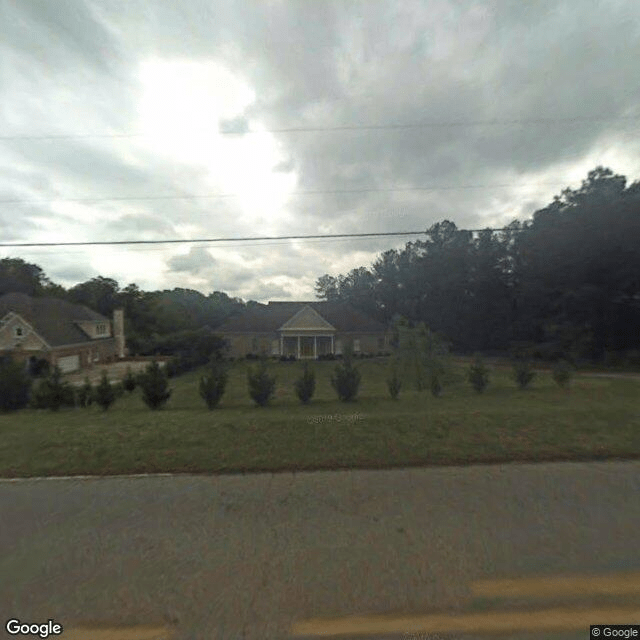
730 Campbell Road*, Lawrenceville, GA 30045
To contact a resident: (770) 236-8501
For more information about senior living options: (866) 208-4318
Adonis Personal Care Home Costs & Pricing
Adonis Personal Care Home offers competitively priced accommodations, with costs for a semi-private room at $1,500 per month, significantly lower than the average rates in Gwinnett County and the broader state of Georgia, which stand at $2,530 and $2,864 respectively. For those seeking more privacy, Adonis provides private rooms at $2,800 per month - again an appealing option compared to the county's average price of $2,551. These rates highlight Adonis Personal Care Home's commitment to providing quality care at affordable prices within a region where costs can often be prohibitive.
| Floor plans | Adonis Personal Care Home | Gwinnett County | Georgia |
|---|---|---|---|
| Semi-Private | $1,500 | $2,530 | $2,529 |
| Private | $2,800 | $2,551 | $2,864 |
Senior living communities with a similar price nearby
-
About the same
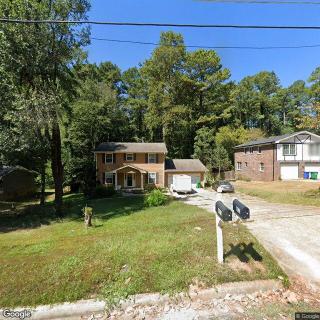
Americare Group
$1,500 / month22.0 miles away -
About the same
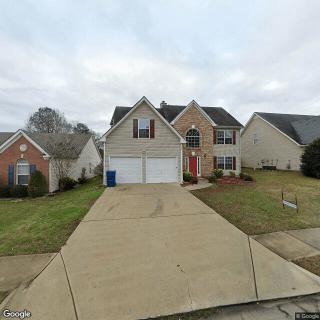
Harmony Home Care
$1,500 to $2,100 / month7.5 miles away -
About the same
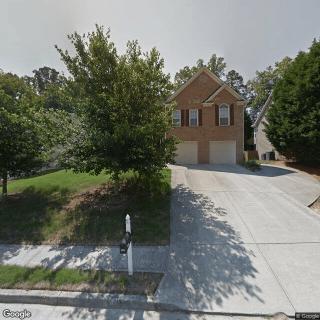
Tender Life Estate
$1,500 to $1,800 / month9.4 miles away -
from +$215 / mo

Park at Johns Creek
$1,715 to $2,115 / month17.0 miles away -
About the same
Give Thanks to God PCH
$1,475 to $1,950 / month13.8 miles away
Overall Review of Adonis Personal Care Home
Pros
 It is a good place for personal care.
Cons
 They were told by the owner that they would have to pay an absurd amount out of pocket and make a non-refundable deposit.
- They felt the owner should have relayed this information sooner so they would be prepared.
- They were very disappointed and wished that information had been communicated from the start.
Review
Adonis Personal Care Home in Lawrenceville, GA is best suited for families seeking a small, home-like setting where residents receive direct, hands-on personal care and daily living support. It appeals to those who prioritize daily routine, intimate supervision, and a straightforward, low-key environment over the amenities and pace of larger campuses. The arrangement is a fit for seniors who mainly need help with activities of daily living and who want a caretaker-focused atmosphere rather than medicalized, high-tech care. In such cases, the staff’s presence and the setting can translate to peace of mind about basic day-to-day needs, provided expectations around cost and communication are managed from the outset.
Nevertheless, there are clear reasons to consider alternatives. The loudest caution is cost transparency. One recent experience describes an abrupt demand for a substantial out-of-pocket amount coupled with a non-refundable deposit that was not disclosed earlier in the process. For families facing a move on short notice, that lack of upfront clarity can derail plans and create financial risk. Any option that relies on a private deal with unclear terms should be weighed against facilities that publish itemized fees and deposit policies in writing before any commitment is made. In other words, if predictable budgeting and forthright communication are non-negotiable, other communities deserve a closer look.
The primary strength cited is the quality of personal care. The phrase “good place for personal care” signals dependable day-to-day support, attentive supervision, and a level of hands-on assistance that aligns with what families expect from a small-scale home setting. This is meaningful for residents who require consistent help with everyday tasks, supervision to prevent falls or confusion, and a nurturing environment where caregivers know the residents by name and routine. The absence of distracting frills can be a real asset for families seeking uncomplicated, reliable care rather than an on-demand menu of premium services.
The main drawback resides in communication and cost management. The negative review underscores a breakdown between what was promised and what was demanded at the point of transition. A non-refundable deposit paired with sudden out-of-pocket obligations, without timely disclosure, undermines trust and raises questions about financial predictability. In a landscape where families must plan budgets around care, such experiences can turn a seemingly solid care option into a financial stressor. Without assurance that pricing terms will be transparent from the outset, the risk profile of this community shifts decisively downward.
To determine whether the benefits truly outweigh the drawbacks, weigh how critical cost transparency is against the value of reliable personal care. The strong point, hands-on daily support in a home-like setting, only goes so far when the financial terms feel opaque or adversarial. For families with flexible budgets who can absorb unexpected costs, the care quality may still justify consideration. For others, especially those navigating fixed incomes or pursuing comprehensive budgeting for multiple care needs, the lack of upfront clarity risks turning a favorable caregiving arrangement into a misaligned financial commitment. In practice, the decision hinges on appetite for close-knit, personal care coupled with assurance about how fees are derived and disclosed.
Practical next steps are clear. Request a detailed, itemized written fee schedule that separates base care, room and board, activities, and any add-ons. Obtain a formal deposit policy and cancellation terms, with explicit timelines for refunds or credits. Ask for a sample contract and have an independent party review it to ensure terms are standard for the area. Compare this with transparent options from other small groups and from larger, reputation-driven facilities in the region. If the facility can provide consistent, proactive communication about costs and a clear transition plan, it remains a viable choice for families prioritizing intimate, personal care. If not, there are other communities where the upfront financial terms and ongoing communication are more aligned with prudent, long-term planning.
 Board and Care Home
 Activities on-site
 Beautician on-site
 Devotional services on-site
 Indoor common areas
 Outdoor common areas
 Private
 Private bathrooms
 Respite or short term stays offered
 Wheelchair accessible showers
 Ambulatory care
 Diabetic care
 High acuity care
 Incontinence care
 Meals provided
 Christian services



 A Comprehensive Exploration of Common Misunderstandings about Powers of Attorney
 Senior Move Management: Understanding the Role, Value, and Associated Costs
 Weight Training for Seniors: Building Strength and Vitality