Overall Review of Chapel Hill - Community Living Arrangement
common
Staff communication and support varies
Families describe both helpful support and hard-to-reach or unresponsive staff communication.
Multiple reviewers say staff members are caring, attentive, and willing to help, and they credit staff with making residents feel welcomed and comfortable. In contrast, other reviewers describe problems getting in touch on weekends and concerns about medication management, including reports of wrong or missed medications and staff not answering calls. Overall, experiences with day-to-day responsiveness appear inconsistent across reviews.
differentiator
Activities keep residents engaged
Residents and families repeatedly mention busy, engaging activities led by the activity team.
Several reviewers highlight frequent activities and events, including theme days, holiday parties, and regular special programming. A number of reviews specifically praise the activities director for keeping residents engaged and for bringing joy through planned events. Even visitors who describe themselves as only stopping by regularly note how active the community feels.
common
Food quality is a point of contrast
Dining is discussed both positively and negatively in resident and family feedback.
Some families say the food is good or delicious, and they mention meals as part of a positive overall experience. Other reviewers report serious dining issues, including uncooked food and concerns like roaches or ants affecting their view of the environment around meals. Taken together, reviews do not agree on dining consistency.
caveat
Facility cleanliness is mixed
Reviewers describe the building as very clean at times, but also mention pests and mess.
A few reviews emphasize cleanliness, describing the facility as exceptionally clean and even referencing no bugs. Others report major cleanliness problems, including roaches, ants, and a facility that “stinks” or feels dirty. These conflicting comments suggest cleaning and maintenance quality may vary by period or unit.
How we summarize
We summarize when many written reviews mention each theme; a review can touch several themes, and only frequently mentioned themes are displayed.
Features
Housing
3 resident community capacity
Types of Care
Assisted Living
Amenities
Cable or satellite TV
Dining room
Fully furnished
Garden
Housekeeping services
Move-in coordination
Outdoor space
Telephone
Wi-Fi/high-speed internet available
Care Services
24-hour supervision
Activities of daily living assistance
Assistance with bathing
Assistance with dressing
Assistance with transfers
Coordination with health care providers
Diabetes diet
Meal preparation and service
Medication management
Special dietary restrictions
Transportation arrangement (medical)
Transportation to doctors appointments
Dining
Diabetes diet
Special dietary restrictions
Activities
Community-sponsored activities
Scheduled daily activities
Nearby Places of Interest
Parks
Tribble Mill Park (2.7 miles)
Rabbit Hill Park (3.3 miles)
Rhodes Jordan Park (3.4 miles)
Bay Creek Park (4.9 miles)
Harbins Park (5.1 miles)
Alexander Park (5.1 miles)
McKendree Park (7 miles)
Physicians
Gwinnett Clinic Dacula (2.8 miles)
Metro Behavioral Care (3.7 miles)
Psychiatric Services of America (3.9 miles)
Philip A. Romm (4.7 miles)
Gwinnett County Radiation Therapy Center (4.8 miles)
The guide highlights the importance of assisted living facilities for aging veterans needing daily support, discusses unique challenges they face, and outlines available financial assistance from the VA, including the Aid and Attendance program. It emphasizes understanding eligibility criteria and navigating the VA system to access necessary benefits effectively.
The article compares assisted living and skilled nursing facilities, detailing their differing levels of assistance, medical support, cost structures, and day-to-day experiences. It emphasizes that assisted living is for those needing help with daily activities while maintaining independence, whereas skilled nursing facilities provide intensive medical care with 24-hour staff supervision.
The transition from assisted living to skilled nursing care is often prompted by complex medical needs that assisted living cannot meet, with key indicators including frequent health declines, increased falls, severe memory issues, and caregiver burnout. Families should recognize these signs early to discuss options with healthcare providers and prepare for the emotional and logistical aspects of moving to a facility that offers comprehensive medical support.
Get PricingAsk A QuestionSchedule A TourContact Senior Advisor
By clicking submit, you agree to our Partner's Terms of Use. You
also consent to receive calls and texts, which may be autodialed, from our Partner. Your consent is not a condition to
using our Partner's service. Please visit our Partner's Privacy Policy for information about their privacy practices.

 3 resident community capacity
 Assisted Living
 Cable or satellite TV
 Dining room
 Fully furnished
 Garden
 Housekeeping services
 Move-in coordination
 Outdoor space
 Telephone
 Wi-Fi/high-speed internet available
 24-hour supervision
 Activities of daily living assistance
 Assistance with bathing
 Assistance with dressing
 Assistance with transfers
 Diabetes diet
 Meal preparation and service
 Medication management
 Special dietary restrictions
 Transportation arrangement (medical)
 Transportation to doctors appointments
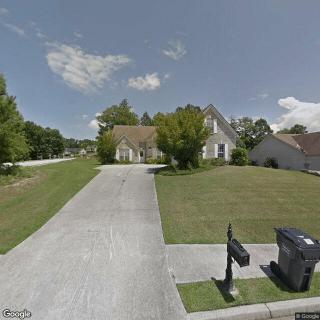
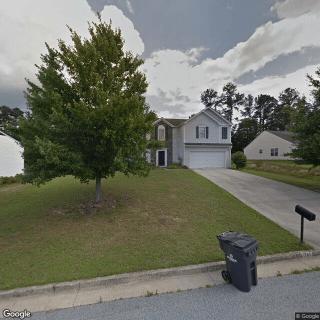
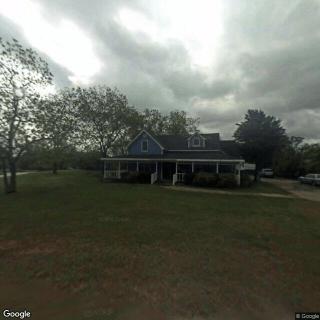
 Small, intimate board-and-care with 24-hour supervision, ADL support, diabetes-friendly meals, and coordinated healthcare.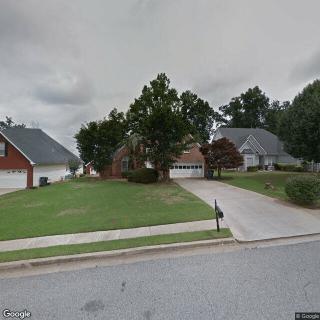

 Assisted Living Support for Veterans: A Complete and Detailed Overview
 Exploring the Contrasts Between Assisted Living and Skilled Nursing
 8 Key Indicators That Suggest It May Be Time to Transition from Assisted Living to Skilled Nursing Care