
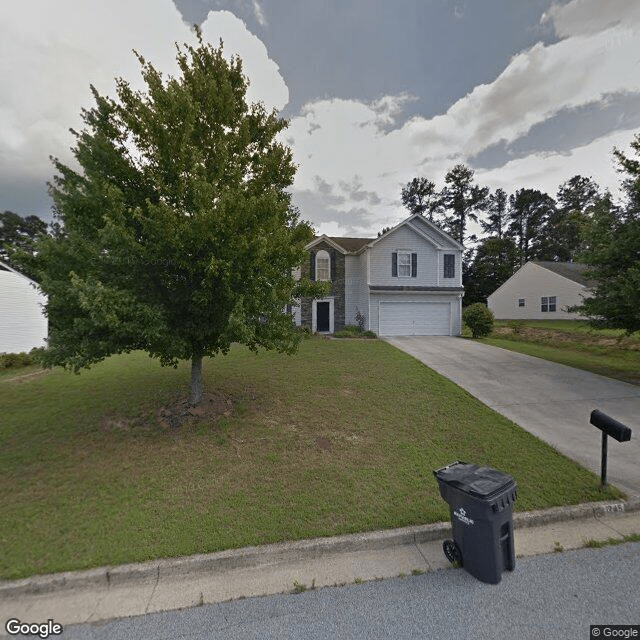
1745 Campbell Ives Drive, Lawrenceville, GA 30045
To contact a resident: (770) 837-2705
For more information about senior living options: (866) 208-4318
Agnes Personal Care Home Costs & Pricing
At Agnes Personal Care Home, the monthly cost for a private room is set at $1,500, which is quite competitive compared to both Gwinnett County and the broader Georgia state average. In Gwinnett County, the typical fee for a private room reaches $2,551, while across the state of Georgia, costs peak at $2,864. This significant difference highlights Agnes Personal Care Home as an affordable option for individuals seeking personal care services without compromising on quality. By offering lower rates than both county and state standards, Agnes Personal Care Home provides a valuable alternative for families looking to ensure their loved ones receive attentive care in a comfortable setting.
| Floor plans | Agnes Personal Care Home | Gwinnett County | Georgia |
|---|---|---|---|
| Private | $1,500 | $2,551 | $2,864 |
Senior living communities with a similar price nearby
-
About the same
Americare Group
$1,500 / month21.6 miles away -
About the same
Harmony Home Care
$1,500 to $2,100 / month6.8 miles away -
About the same
Tender Life Estate
$1,500 to $1,800 / month10.0 miles away -
from +$215 / mo

Park at Johns Creek
$1,715 to $2,115 / month17.3 miles away -
About the same
Give Thanks to God PCH
$1,475 to $1,950 / month13.3 miles away
Overall Review of Agnes Personal Care Home
Pros
 Very kind and loving people to care for your loved one.
- Beautiful home.
Cons
 There was a broken window upon arrival.
- There were multiple caretakers, which the reviewer found negative.
- The reviewer did not feel a connection with the owner.
Review
Agnes Personal Care Home in Lawrenceville is best suited for seniors who want a warm, family-like atmosphere and staff who genuinely care. This setting excels for families seeking intimate, personalized attention delivered in a true home environment rather than a clinical facility. The caregivers’ kindness and the comfortable, beautiful house contribute to a sense of belonging that matters when daily life revolves around companionship and gentle supervision. Those who prize emotional connection, meaningful conversations, and a low-key pace will find this community especially appealing. However, families that require highly predictable staffing, formal oversight, or a strong, ongoing relationship with ownership may want to consider alternatives.
On the positive side, residents encounter clearly kind and loving people who are dedicated to caring for your loved one. The home itself is described as beautiful, which supports dignity and a sense of normalcy. A smaller, house-like setting can translate into more familiar faces at mealtimes and during daily routines, with opportunities for individualized interactions that bigger campuses may struggle to deliver. In this context, caregivers likely remember preferences and adapt to personal habits, reinforcing comfort and trust. These attributes form a solid emotional foundation for daily living, and that is a real strength when clinical urgency isn't the dominant daily concern.
Yet several concrete concerns temper the warmth. A broken window upon arrival signals maintenance lapses that raise safety questions and suggest attention may waver when issues arise. The presence of multiple caretakers, while not inherently negative, can undercut continuity of care and impede the resident’s sense of a steady routine. For families managing complex schedules or anticipating changes in medical needs, turnover and variability can complicate care planning. Additionally, a lack of strong rapport with the owner or administrator can leave families feeling they must navigate issues themselves rather than relying on a confident point person.
Those pros and cons don’t cancel each other out, but they do shift the decision. The emotional warmth and homey ambiance are meaningful assets that can offset some inconveniences, especially for residents who value companionship and a comfortable, almost familial setting. However, when a facility shows maintenance gaps, inconsistent staffing, and an owner-operations dynamic that isn’t resonant with a family’s communication style, the risk that concerns go unresolved increases. In practical terms, this means outcomes hinge on how quickly and effectively issues are addressed when they arise, and on whether the resident’s daily rhythm remains calm despite staff changes.
For families weighing Agnes, a structured due diligence plan is essential. Visit in person and meet the care team, not just the owner, to gauge consistency and responsiveness. Inquire about staff-to-resident ratios, caregiver turnover, and whether a dedicated caregiver follows the same schedule each week. Ask how maintenance requests are tracked and how quickly repairs are completed, and request examples of how care plans are updated as needs evolve. If a strong relationship with leadership and a consistently stable team are nonnegotiables, or if advanced medical oversight is required, alternatives such as larger assisted living communities with formal management structures should be on the table.
Ultimately, Agnes Personal Care Home offers a compelling combination of warmth, attentiveness, and a welcoming home setting. It is best suited for families who prioritize intimate, person-centered care and a homelike atmosphere, and who can tolerate the trade-offs of occasional maintenance lapses and staff variability. Those seeking a highly predictable routine, a single, tightly integrated leadership relationship, or robust clinical oversight may want to explore other options first. In Lawrenceville, a careful comparison with similarly sized, more regimented communities will reveal whether this home’s emotional strengths align with the resident’s needs, or whether the balance shifts toward a more structured environment elsewhere.
 Board and Care Home
 Activities off-site
 Indoor common areas
 Outdoor common areas
 Private
 Private bathrooms
 Respite or short term stays offered
 Ambulatory care
 High acuity care
 Kosher


 Comprehensive Insights and Practical Strategies to Help Older Adults Avoid Falls
 6 Crucial Ways an Elder Law Attorney Assists Families
 Navigating the Tax Landscape of Caregiving: Credits, Deductions, and Beyond