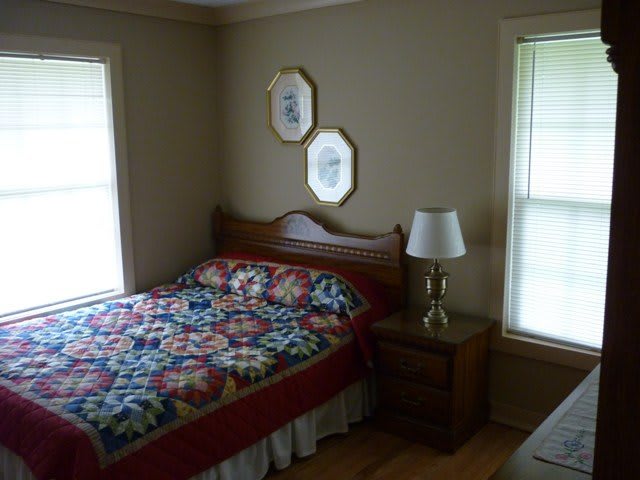
971 Harbins Road, Dacula, GA 30019
To contact a resident: (770) 374-2715
For more information about senior living options: (866) 208-4318
Rose of Sharon Personal Care Home Costs & Pricing
Rose of Sharon Personal Care Home offers a range of accommodations with monthly costs that reflect its unique services and location. For a semi-private room, the rate is competitively set at $2,500, which is slightly above the average for Walton County at $2,304 but below the state average of $2,529. In contrast, the private room option is priced at $3,500, which positions it significantly higher than both the county's average of $2,643 and Georgia's state average of $2,864. This pricing structure suggests that while Rose of Sharon may be on the higher end for private accommodations, it provides distinct value through its personalized care services and inviting environment that cater to residents' needs.
| Floor plans | Rose of Sharon Personal Care Home | Walton County | Georgia |
|---|---|---|---|
| Semi-Private | $2,500 | $2,304 | $2,529 |
| Private | $3,500 | $2,643 | $2,864 |
Senior living communities with a similar price nearby
-
from +$350 / mo

Miss Willie's Manor
$2,850 to $3,250 / month13.5 miles away -
About the same
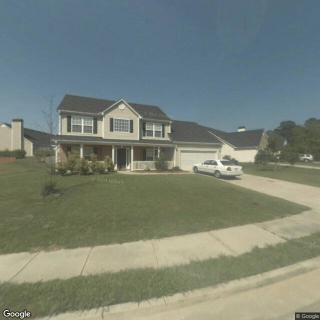
Eden Home Care
$2,500 / month7.9 miles away -
About the same
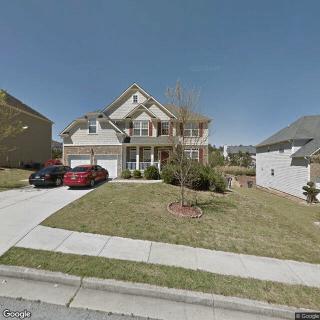
Loving Angels Home Care
$2,500 / month2.7 miles away -
About the same

A & C Personal Care Home
$2,500 to $4,000 / month18.0 miles away -
About the same

Golden Manor Senior Living
$2,500 to $4,445 / month7.8 miles away
Overall Review of Rose of Sharon Personal Care Home
Pros
 Sharon was able to work with hospice doctors to straighten out medication blunders, and the mother's health improved.
- The staff were amazing and loving, and they cried with the family when the mother passed away.
- Rose of Sharon is a really good place to care for loved ones.
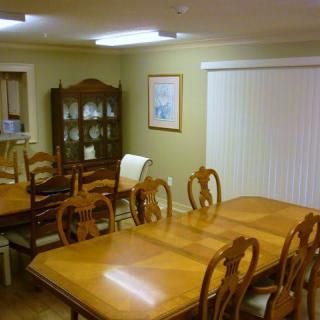
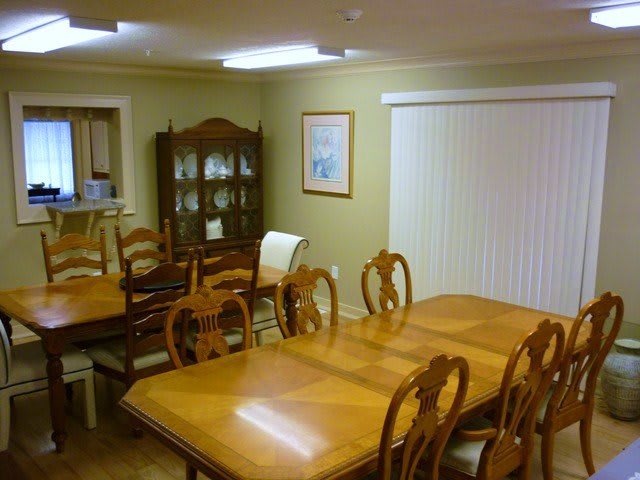
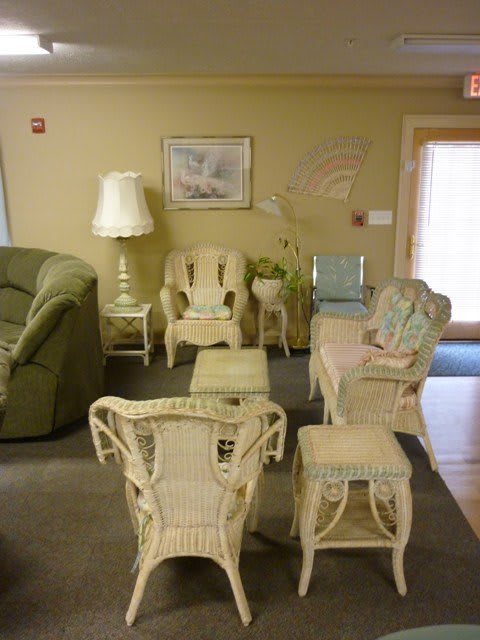
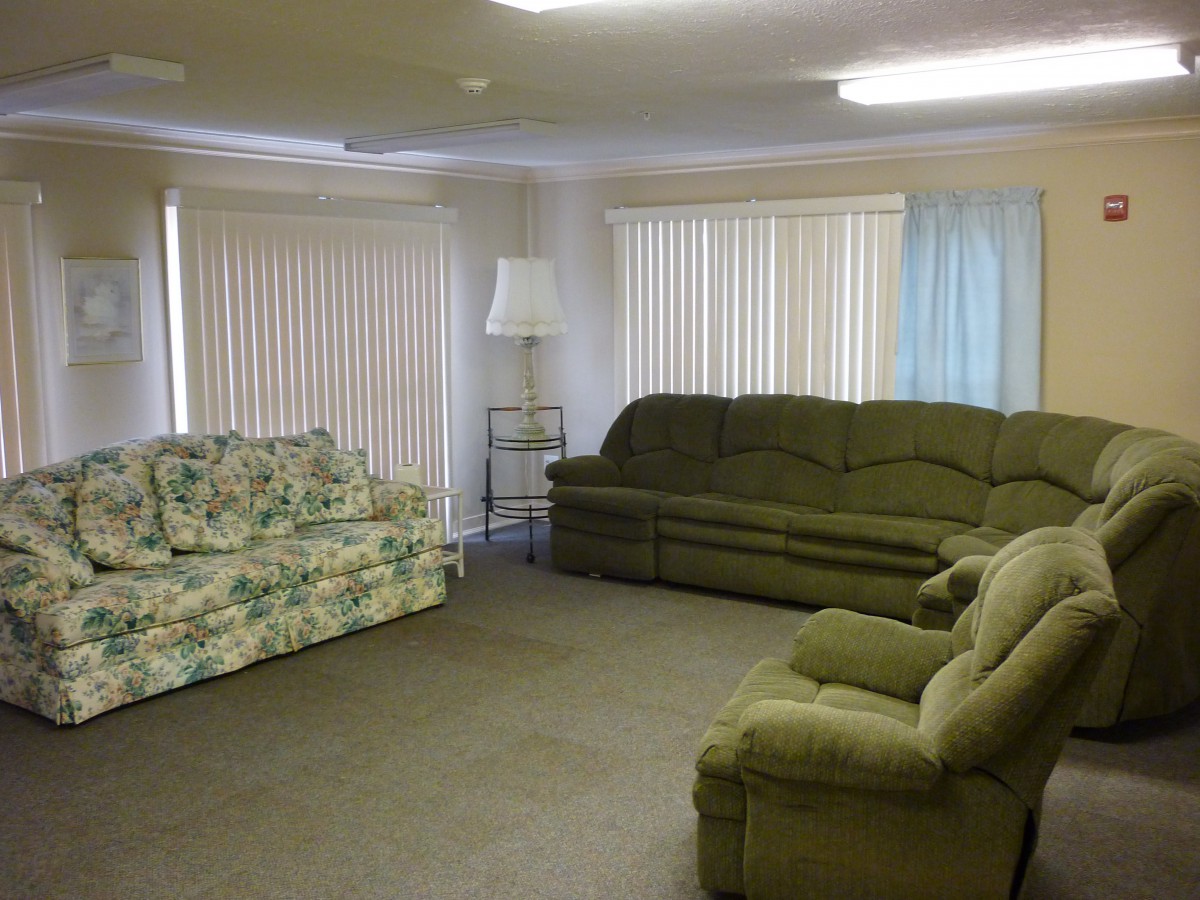
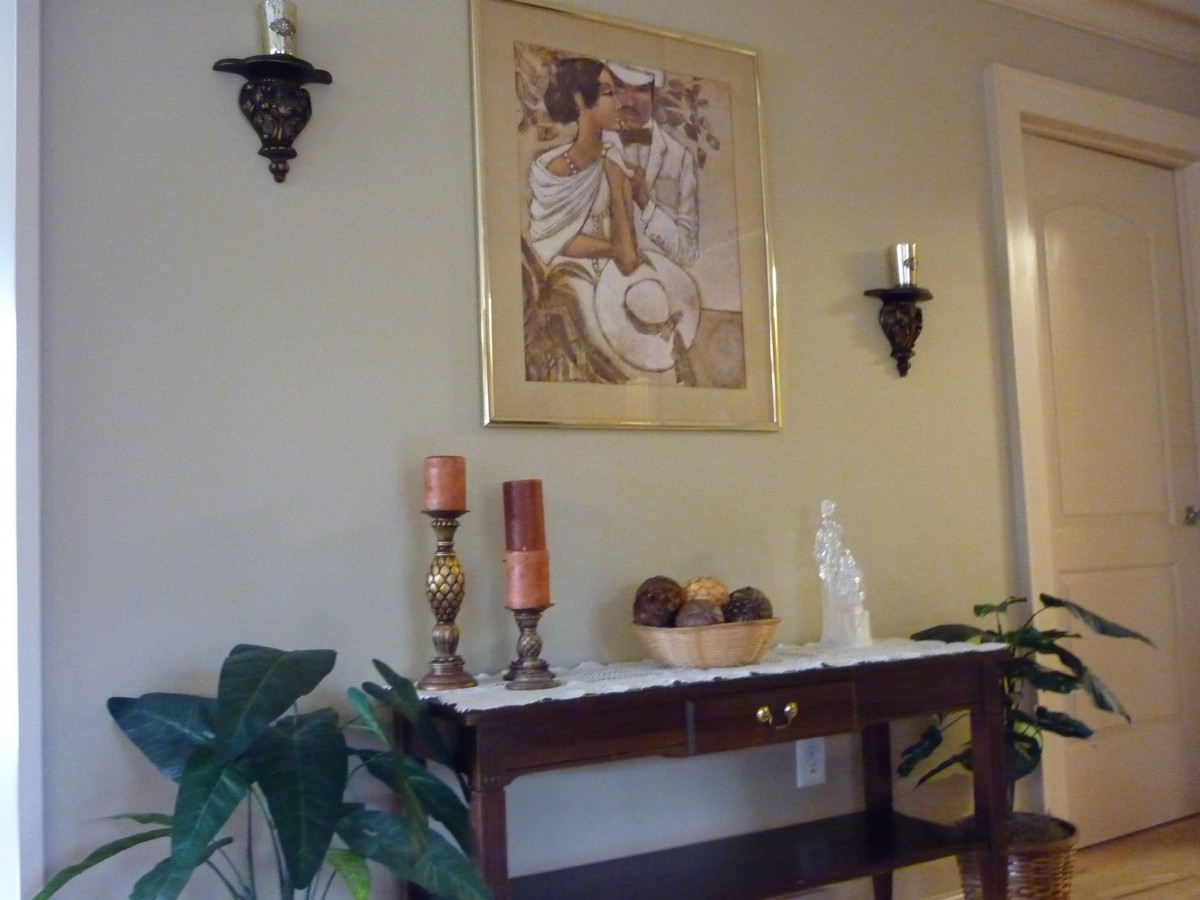
- The facility is Christian-based, loves their residents, and offers a newly decorated home with ample space, great lighting, a large living room, a large dining room, and a quiet neighborhood.
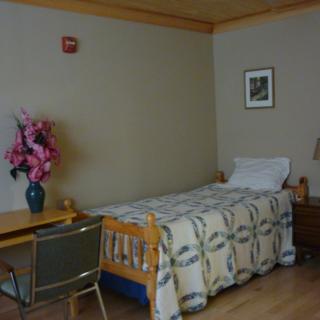
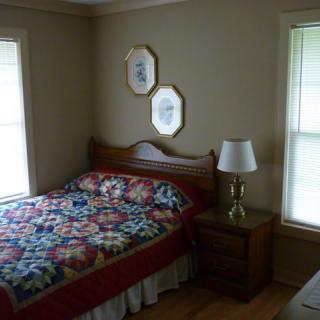
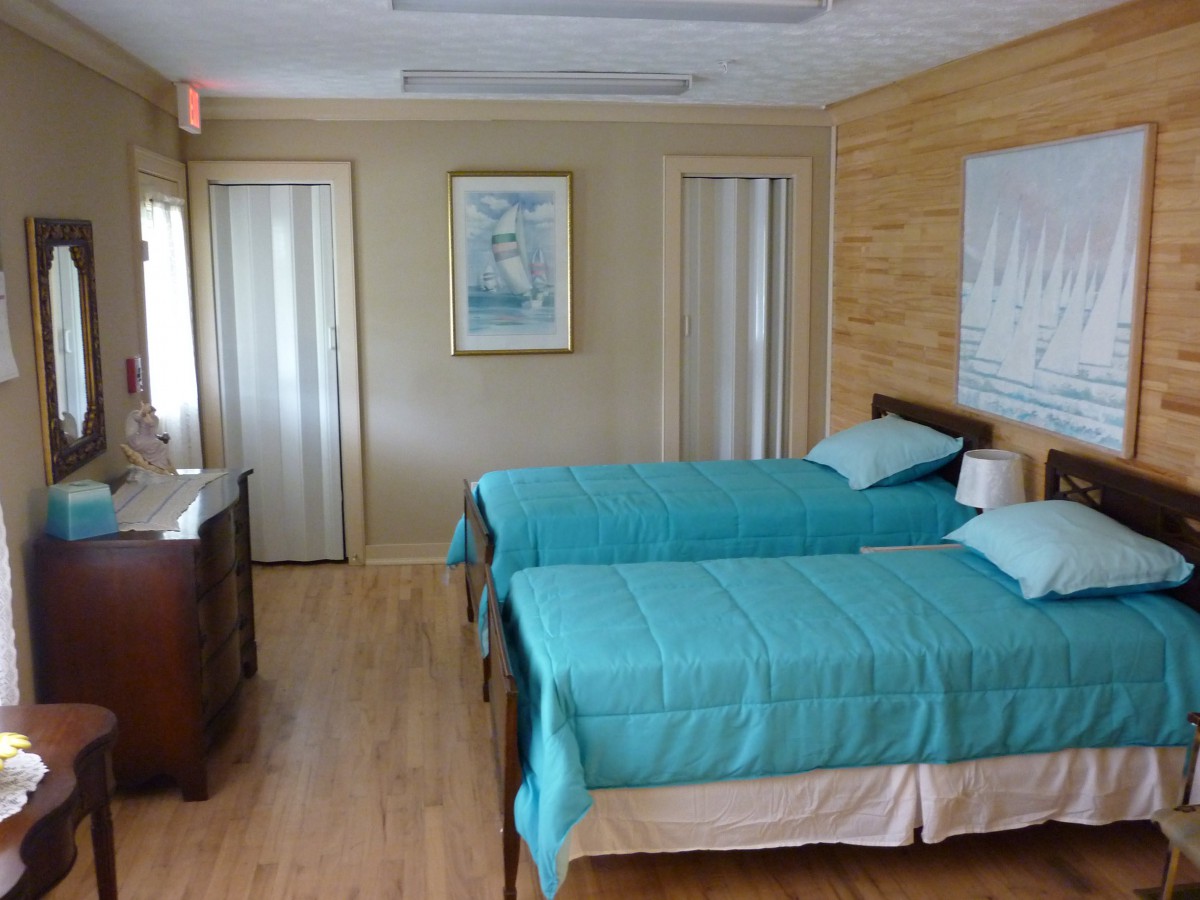
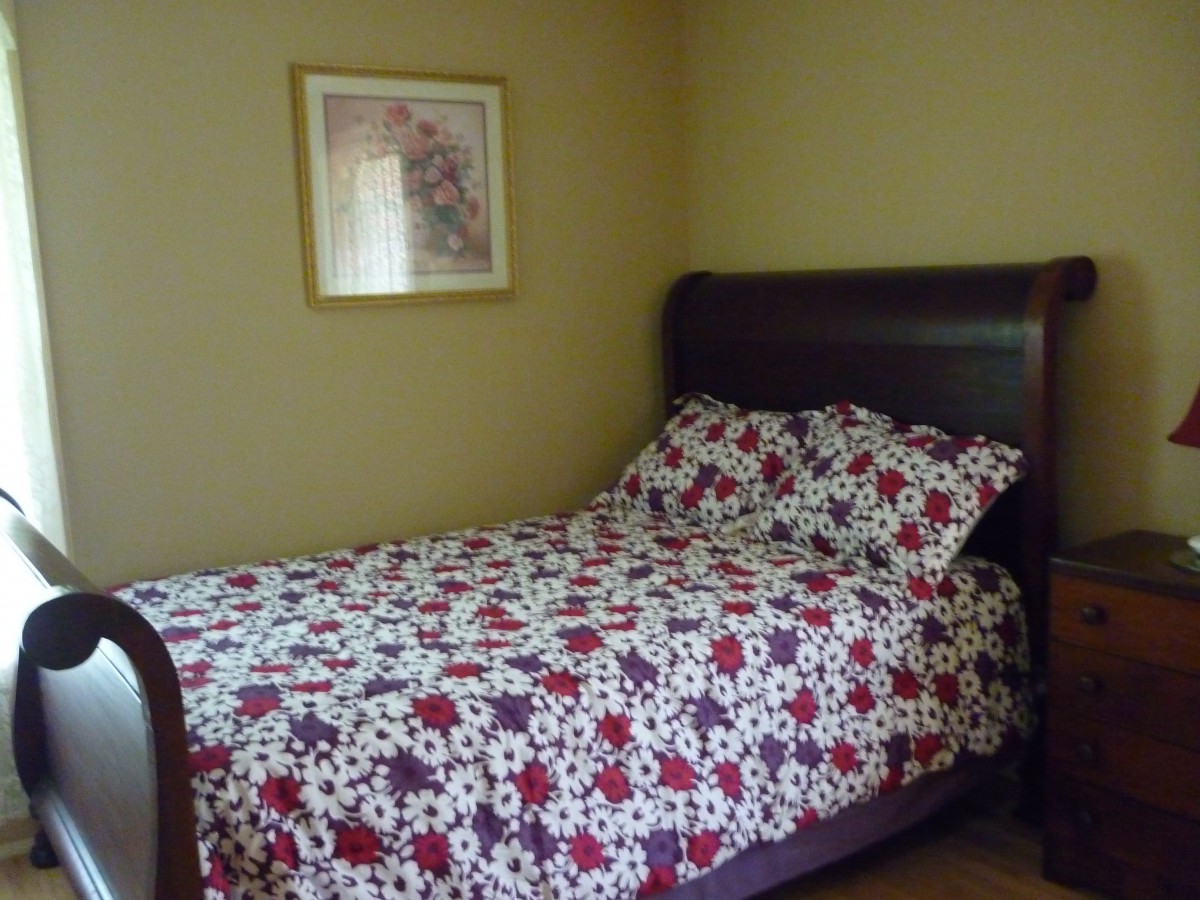
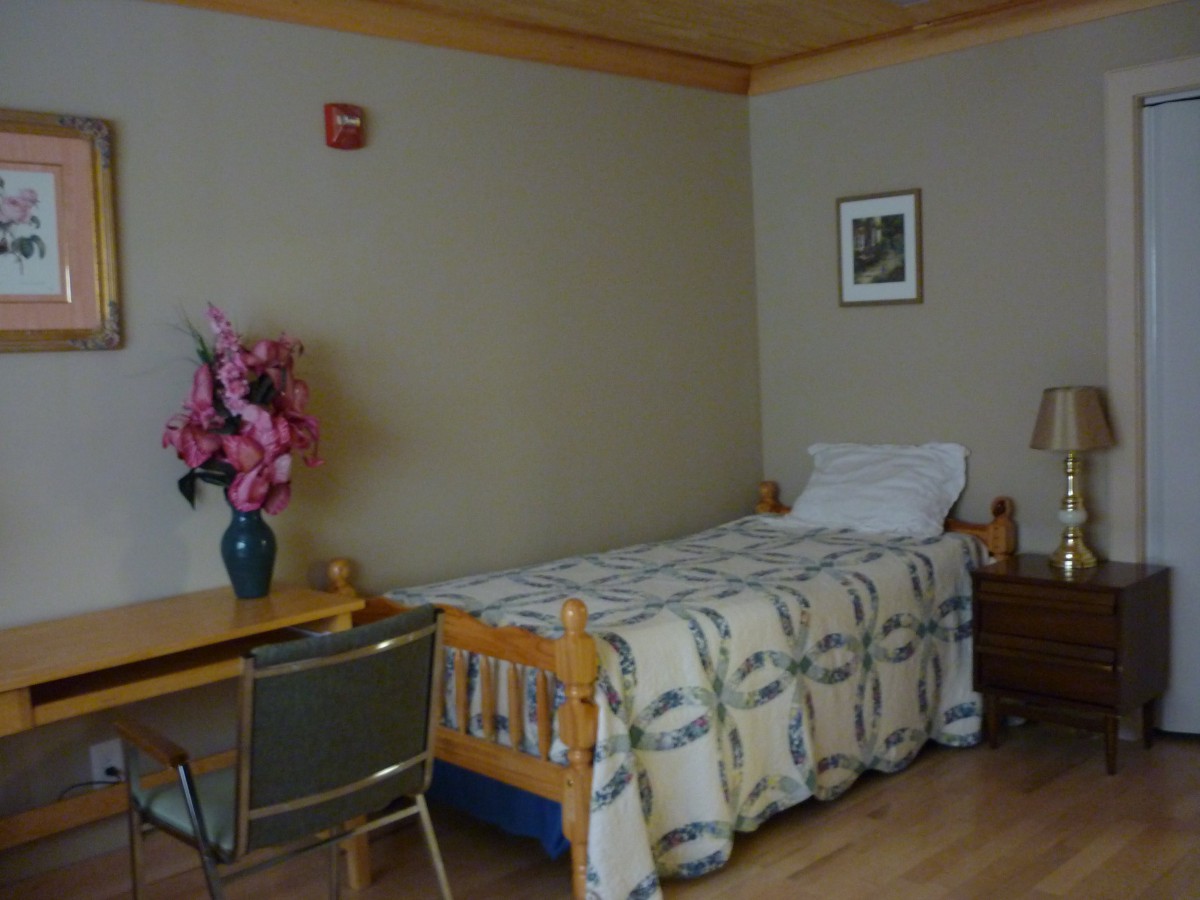
- Private and semi-private bedrooms are available, just like family.
Cons
 The facility’s claimed Christian values are described as borderline.
- The nurses smoke on the premises, leave residents unattended, and provide no meaningful entertainment or safety measures.
- They hire caregivers who may be unqualified or unsuitable, including elderly or pregnant workers who should not lift residents.
- The few qualified staff spend most of their shifts on personal cell phone use.
- The facility would be the last place someone would trust with a loved one.
- It cannot accommodate residents with wandering issues.
Review
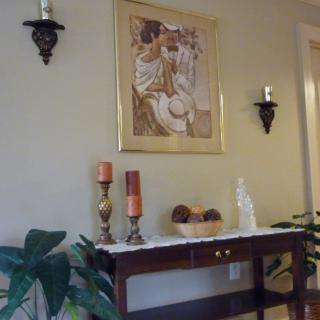
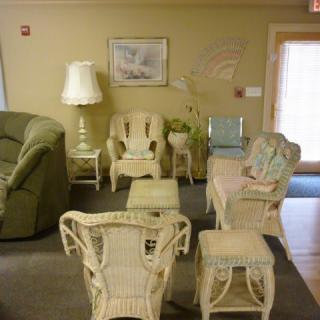
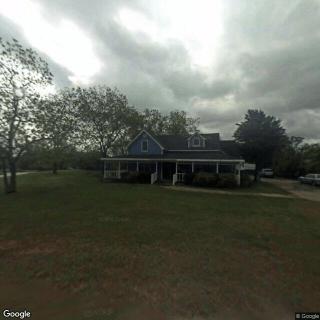
This community is best suited for families seeking end-of-life or gentle, home-like care where a warm, devoted staff provides intimate attention and a sense of belonging. Rose of Sharon leans into a Christian-based approach, and families note that residents are loved and treated with tenderness that feels personal rather than clinical. The setting is a newly decorated home with ample space, bright lighting, and comfortable common areas, all tucked into a quiet Dacula neighborhood a short drive from Highway 316. Private and semi-private rooms give options for dignity and privacy, and the layout supports easy movement for residents who prefer to stay independent while receiving help. For families prioritizing emotional warmth and hands-on caregiving in a home environment, this community is a compelling fit.
Clinical coordination is a standout: staff collaborate with hospice teams to straighten medication issues that arise from hospital or rehab stays, and in at least one case, a health trajectory improved once proper oversight was in place. The care staff are described as loving and deeply invested, with the kind of empathy that can ease the hardest transitions for families and residents. The physical space reinforces this: a homey floorplan with generous living and dining areas, modern lighting, and a quiet setting that reduces agitation. Being half a mile off the highway makes visits more manageable, and the option of private or semi-private bedrooms gives families flexibility to balance privacy with shared support when desired.
However, there are significant red flags raised by several reviewers. Some describe nurses who smoke on the premises, residents left unattended, and a lack of structured entertainment beyond television, which can translate to limited meaningful engagement for residents who need stimulation. Safety practices are called into question, with concerns about who is performing heavy lifting and the overall staffing mix, including instances where the better-qualified staff are scarce and distracted by personal cell phone use. The most troubling notes concern wandering risk and the facility’s ability to accommodate residents with memory or mobility challenges. Taken together, these factors create a tension between warmth and risk that must be weighed carefully.
The core strength, the compassionate, medically coordinated care, can offset many of the operational concerns for residents who require supportive care, not intensive supervision. When medication issues are flagged and promptly addressed through hospice collaboration, the risk of hospital readmission diminishes and peace of mind grows for families. The home atmosphere and modest size can reduce withdrawal and elicit cooperation from staff who know residents well. Yet the offset is contingent on consistent staffing, reliable supervision, and visible safety protocols. Without those, the warmth can feel hollow for families facing complex needs, particularly for wandering residents or those requiring regular, hands-on assistance with activities of daily living.
For families whose priority is rigorous safety, structured programming, or heavier supervision, alternatives should be considered. Look for communities with higher caregiver-to-resident ratios, licensed memory care options, and clear activities calendars that ensure residents are engaged beyond a TV screen. If Christian-based programming matters or not, clarity on how spiritual values are integrated into daily care matters, since some reviewers question the depth of those promises. If wandering risk is present or if a resident requires consistent, high-touch lifting and transfer support, a larger facility with dedicated dementia or memory-care wings may be a safer fit.
Decision-making should hinge on a concrete evaluation of safety practices, staffing reliability, and care philosophy. Prospective families should request a detailed care plan, meet frontline caregivers, and ask who oversees medication administration and safety protocols. Schedule a multi-day visit or trial to observe staff interactions, and probe for responsiveness to wandering alerts, emergency drills, and how residents are engaged beyond TV time. If the balance favors warmth, trust in companionship, and coordinated care, Rose of Sharon offers a humane, home-first option, provided the overlooked risks are acknowledged and actively managed.
 Board and Care Home
 Activities on-site
 Beautician on-site
 Devotional services off-site
 Indoor common areas
 Outdoor common areas
 Private
 Wheelchair accessible showers
 Ambulatory care
 Diabetic care
 Incontinence care
 Medication management
 Meals provided




 6 Crucial Ways an Elder Law Attorney Assists Families
 Navigating the Tax Landscape of Caregiving: Credits, Deductions, and Beyond
 Highly Beneficial Low-Impact Exercises for Senior Living Residents