
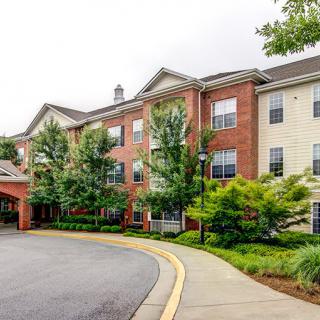
6626 Chason Woods Ct, Jonesboro, GA 30238
For more information about senior living options: (866) 208-4318
Overall Review of Holy Trinity Place
Pros
 OCA is a wonderful school with a great graduation.
- The community is generous, sharing food for the family.
- It is a nice place that helps people with food, and the owners are friendly.
- A friendly group of Believers gathers there.
- The word is heard there.
- The church is great, and the Saturday food helper is very nice, bringing food to cars.
- The people are friendly.
- It is a cozy spot with friendly owners and a bar clerk who has a great personality.
- Two lovely parishioners were met there.
- The atmosphere is Godly and the people are kind-hearted.
- Youth Bible study is offered there.
- VBS and Summer Camp were the best this year.
Review
Holy Trinity Place in Jonesboro operates as a faith-centered community hub more than a traditional care campus. The reviews paint a picture of a warm, church-based environment where residents and neighbors come together for worship, Bible study, VBS, and regular food distributions. It feels like a neighborhood congregation that extends practical support, shared meals, generosity, friendly faces, more than a monitored living arrangement with licensed caregivers. This setting will appeal to seniors who prize spiritual life, social connection, and low-key involvement in volunteer activities. It is not presented as a full-service assisted living option with on-site nursing, daily living assistance, or safety-ready housing. For families wanting a serene, community-first atmosphere that nourishes the soul as well as the social life, Holy Trinity Place can be a compelling fit.
Who should consider alternatives: for seniors who require ongoing personal care, medication management, mobility assistance, or supervision, this community may fall short. The absence of on-site clinical staff or formal care programs means it cannot substitute for licensed assisted living or memory care. Transportation to appointments, daily hygiene support, and safety monitoring are not described in reviews. Those with rising needs or concerns about fall risk, incontinence care, or cognitive decline should evaluate traditional elder-care communities in the area that offer 24/7 staffing, rehab services, and structured daily routines. A model built around church-based service and voluntary help is powerful for social wellness, but it is not a complete care solution.
Key pros that matter in decision-making: the strongest asset is the community's warmth. The reviews consistently describe a friendly, godly atmosphere, approachable owners, and a welcoming bar/clerk with a good personality. Regular spiritual programming, youth Bible study, church activities, VBS, provides meaningful purpose and routine for residents who want to stay engaged. The practical support, notably the food distribution operation, reinforces a sense of belonging and reciprocity, neighbors helping neighbors, that can ease daily living concerns and reduce social isolation. For seniors who value faith-based social life and informal networks, these elements translate into real quality-of-life benefits that often outweigh the lack of formal care in comparable settings.
Cons to weigh carefully: the lack of on-site medical oversight and personal-care services is the clearest limitation. There is no explicit evidence of licensed nursing, medication administration, or rehabilitation therapies on site, and no described transportation program or safety features typical of elder-care facilities. The social model brings tremendous intangible value, but it cannot guarantee safety or address health emergencies. The high level of positivity in reviews signals satisfaction with atmosphere and culture, yet it does not counterbalance practical needs that require professional care. Families should be realistic about the gap between spiritual-social support and medical or daily living help.
Practical path to a wise decision: start with a clear map of needs. If independence is strong, mobility is intact, and spiritual and social fulfillment is the top priority, Holy Trinity Place offers unmatched community energy. Ask visiting staff about how residents participate in activities, who coordinates volunteer involvement, and whether any respite or day programs exist for brief caregiver relief. Inquire about partnerships with nearby licensed providers for episodic care, transportation support, and emergency protocols. Compare cost structures against nearby assisted living facilities that deliver licensed care to determine whether the value aligns with long-term needs. A visit during a service or community event will reveal whether the atmosphere matches the reviews.
Bottom line: Holy Trinity Place shines as a faith-forward, community-driven environment that can deliver extraordinary social and spiritual nourishment for independent seniors who want to belong and contribute. It is not a substitute for assisted living or memory care when medical oversight and daily living assistance are required. Families that prioritize belonging, purpose, and relational warmth, while still managing health and safety needs through other providers, will find this setting a natural, uplifting fit. For those with rising care needs, the prudent course is to explore licensed options in parallel, visiting Holy Trinity Place to gauge fit and to understand how it can complement a broader care plan rather than replace it.
 3 resident community capacity
 Assisted Living
 Board and Care Home
 Cable or satellite TV
 Dining room
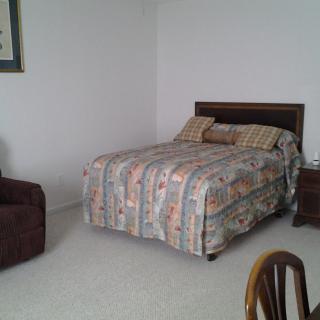
 Fully furnished
 Garden
 Housekeeping services
 Move-in coordination
 Outdoor space
 Telephone
 Wi-Fi/high-speed internet available
 William B Hartsfield-Atlanta International (11 miles away)
 24-hour supervision
 Activities of daily living assistance
 Assistance with bathing
 Assistance with dressing
 Assistance with transfers
 Diabetes diet
 Meal preparation and service
 Medication management
 Special dietary restrictions
 Transportation arrangement (medical)
 Transportation to doctors appointments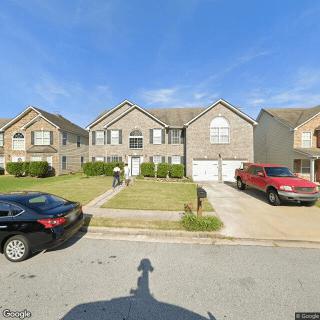




 Understanding the Distinctions: Assisted Living and Memory Care Explained
 Guiding Elderly Parents Who Refuse Assisted Living: 6 Practical Steps
 Your Comprehensive Guide to Luxury Assisted Living: Elevated Facilities, Amenities, and Costs