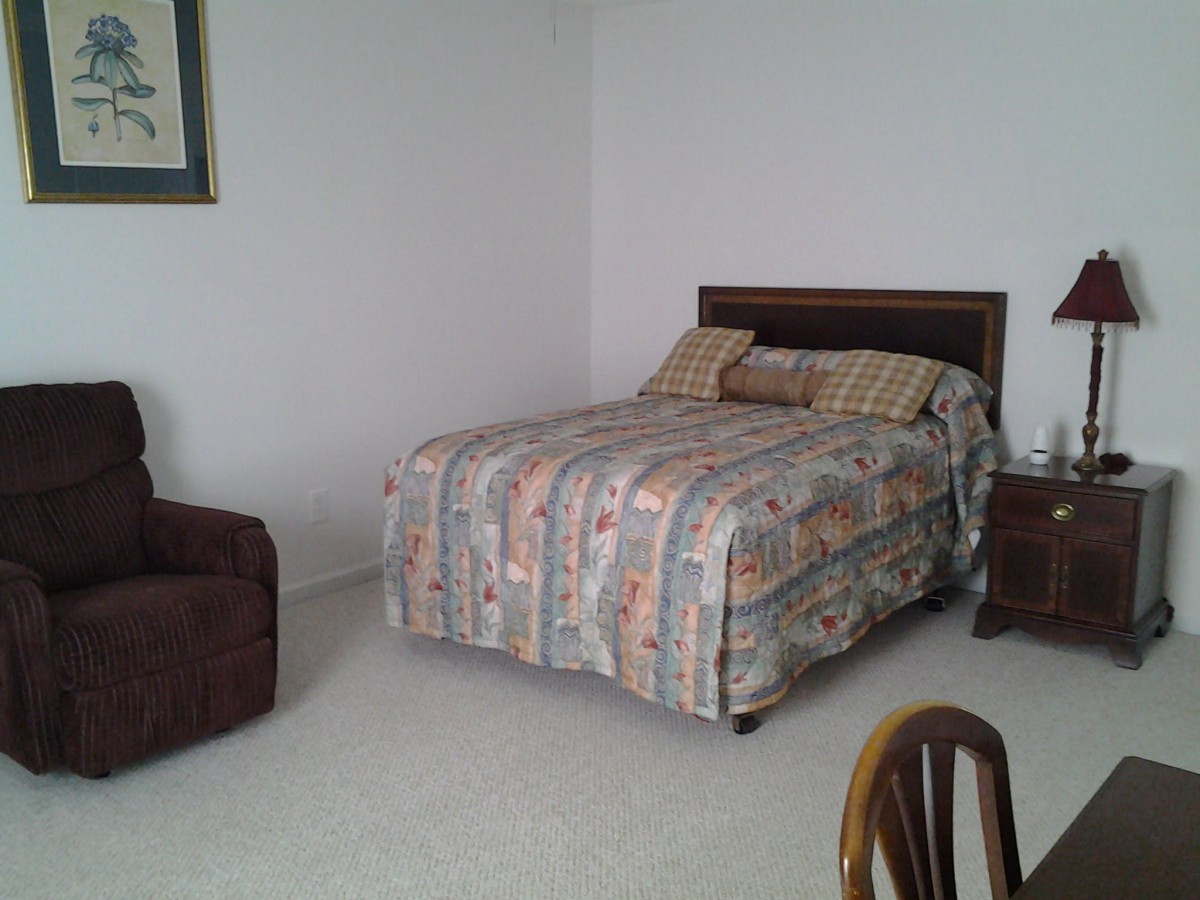
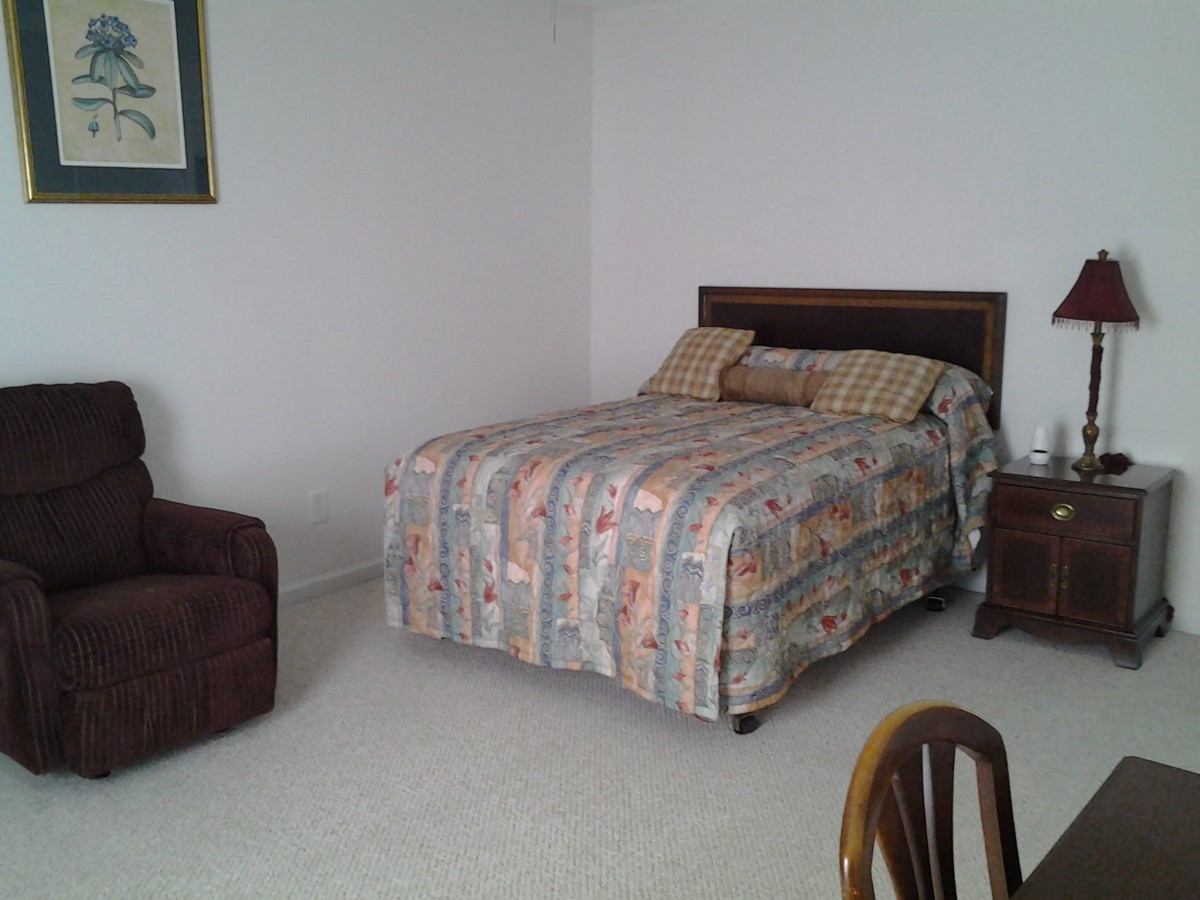
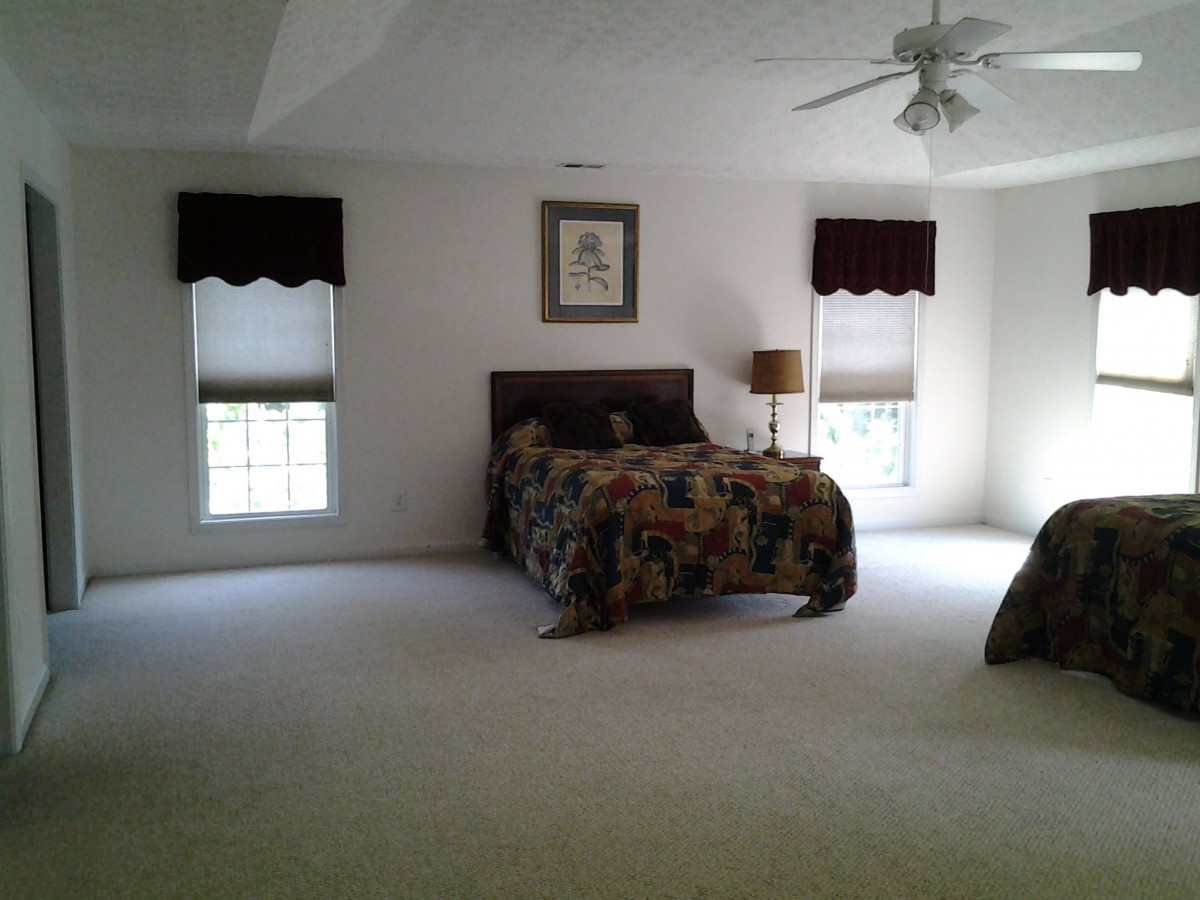
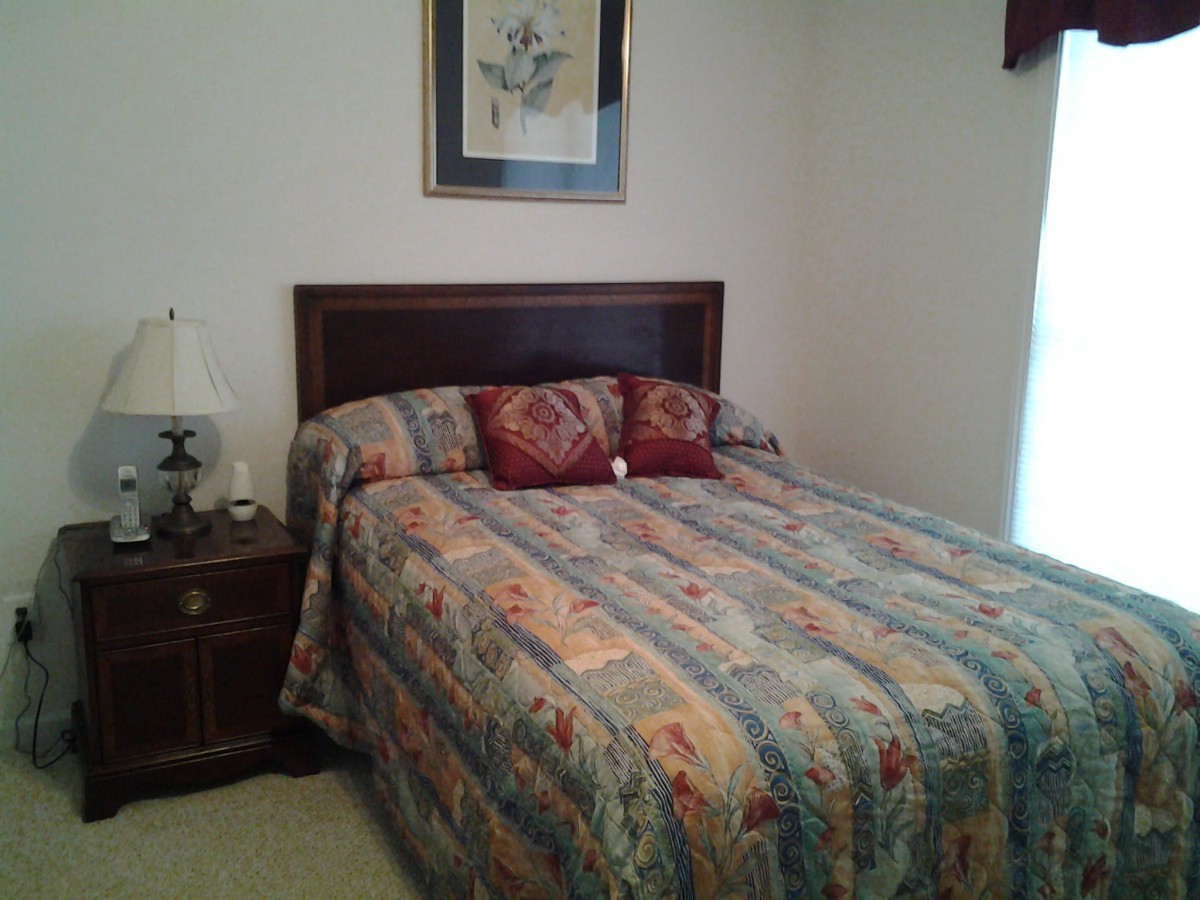
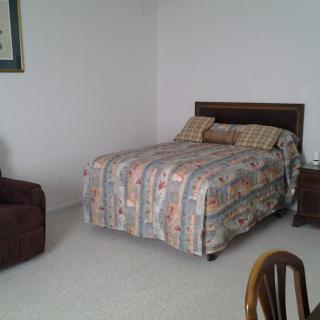
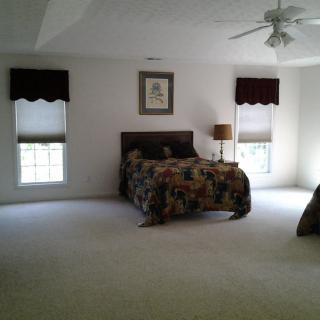
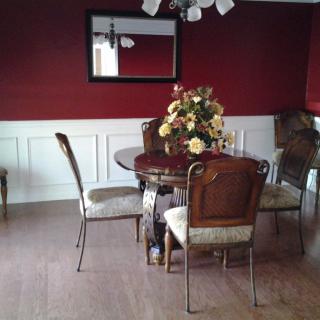
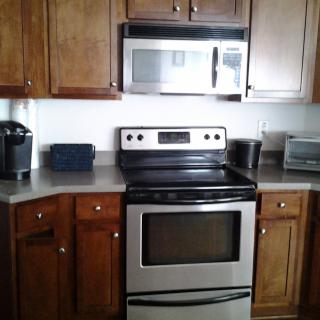
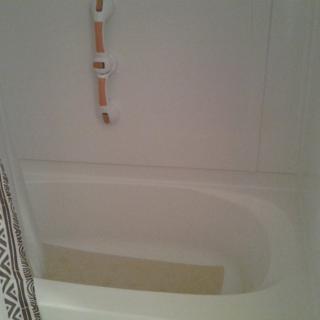
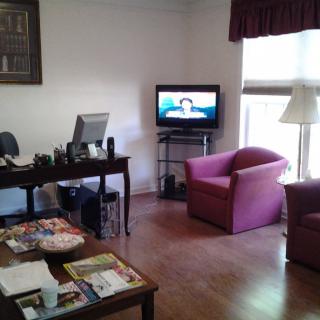
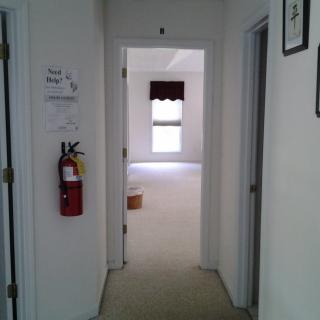
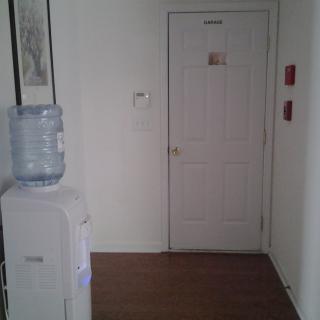
561 Millstone Drive, Jonesboro, GA 30238
To contact a resident: (770) 472-0954
For more information about senior living options: (866) 208-4318
Southside Personal Care Home Costs & Pricing
Southside Personal Care Home offers competitively priced accommodations, providing an attractive option for those seeking personal care in a supportive environment. The monthly rates for various room types are notably lower than both Fayette County and the broader state of Georgia. For instance, residents can enjoy a semi-private room at Southside for $1,400, significantly less than the county average of $2,236 and the state average of $2,529. Similarly, one-bedroom options are available at $1,500, compared to Fayette's average of $3,643 and Georgia's average of $3,412. Private rooms at Southside also present a cost-effective choice at $1,500 versus the higher county and state figures of $2,493 and $2,864 respectively. This pricing structure not only underscores Southside Personal Care Home's commitment to affordability but also reflects its aim to provide quality care without compromising on comfort or accessibility.
| Floor plans | Southside Personal Care Home | Fayette County | Georgia |
|---|---|---|---|
| Semi-Private | $1,400 | $2,236 | $2,529 |
| 1 Bedroom | $1,500 | $3,643 | $3,412 |
| Private | $1,500 | $2,493 | $2,864 |
Memory care communities with a similar price nearby
-
from -$50 / mo
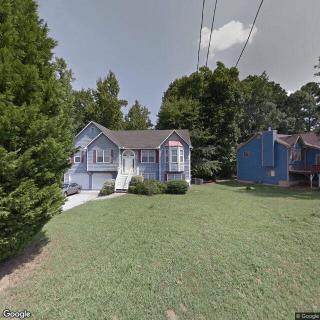
Le'glen Personal Care Home
$1,350 to $2,150 / month12.1 miles away -
from -$200 / mo
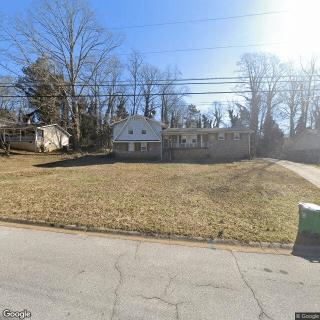
Praise Personal Care
$1,200 to $1,400 / month20.7 miles away -
from +$100 / mo
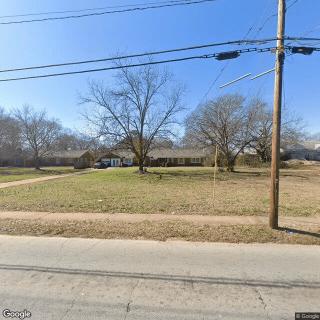
Joy's Manor Pch
$1,500 to $4,000 / month19.7 miles away -
from -$200 / mo
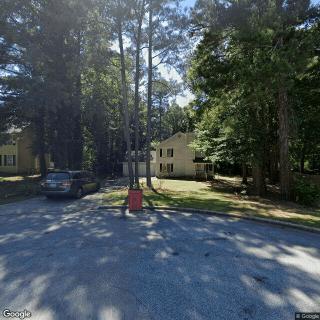
Thereatha Hill Personal Care Home
$1,200 / month4.2 miles away -
from -$50 / mo
Young @ Heart Place
$1,350 to $1,650 / month20.0 miles away
Overall Review of Southside Personal Care Home
Pros
 He is very professional.
- He shows excellent hospitality in his performance.
- The places to work are good.
- They are very happy with how their mother-in-law is being cared for in the Personal Care Home.
- The love and care shown by Mr and Mrs Johnson is awesome.
- They feel the love every time they visit.
Review
Southside Personal Care Home in Jonesboro is best suited for seniors who want a compact, home-like living arrangement and rely on steady, affectionate caregiving with easy, reassuring family visits. This community shines for families prioritizing warmth, personal attention, and a strong sense of belonging over a large campus’s breadth of services. It is ideal for residents who value familiar caregivers and daily routines that feel intimate rather than institutional. Those whose loved ones require extensive skilled medical care, advanced memory-care programming, or a broad on-site clinical team may want to explore alternatives with larger staffs and more comprehensive medical capabilities.
The strongest positives center on the human touch. The Johnsons run the home with evident care and professionalism, and families consistently describe the care as loving and the staff as professional. This combination builds a trust-filled dynamic where visits feel meaningful and not mere formalities. A hospitality-driven atmosphere translates into predictable routines and attentive monitoring, with caregivers who seem to understand resident preferences and respond with consistency. The result is a setting that feels welcoming and reassuring for both residents and their families.
Additional advantages include staff stability and morale, as implied by remarks that the facility is a good place to work. When the team feels supported, schedules tend to be reliable, and residents benefit from continuity in care plans and daily activities. The ease of visiting is another clear plus; families report that stopping by is straightforward and communication with caregivers is accessible. Taken together, the blend of warm daily contact and straightforward family engagement helps residents settle in quickly and reduces the burden on relatives managing care logistics.
Yet, practical caveats require attention. The reviews do not specify the level of clinical oversight, availability of dementia-specific programming, or the breadth of on-site medical services. For a senior requiring ongoing cognitive therapies, regular rehabilitation, or advanced medical wound care, these gaps deserve direct verification. The intimate scale is a double-edged sword: it creates a close-knit, comforting environment but may limit access to a wider array of amenities or specialized therapies that larger facilities can offer. Prospective residents should obtain a precise care plan and confirm what services are included and what would necessitate off-site arrangements.
Despite these potential trade-offs, the warmth and family-centered approach largely offset the downsides. Emotional well-being and reduced isolation are tangible benefits when care is personalized and caregivers anticipate needs. The strong emphasis on transparent, frequent communication gives families confidence that the resident’s day-to-day life remains dignified and predictable. In practice, the care experience here often translates into less stress for both residents and relatives, with visits that reinforce a sense of home and belonging that larger communities struggle to replicate.
For families deciding between options, the path is clear: prioritize alignment between desired care intensity, independence level, and the resident’s temperament. If a loved one thrives on close relationships, familiar faces, and steady, compassionate support, this community stands out as a compelling choice. If medical complexity, dementia-specific programming, or expansive activity calendars drive the decision, it is prudent to explore alternatives. Before committing, request a detailed care plan, verify staffing ratios, meet the Johnsons, and consider a trial visit to confirm that the emotional and practical fit is right.
 Board and Care Home
 Memory Care
 Activities off-site
 Air-conditioning
 Bath tubs
 Devotional services off-site
 Indoor common areas
 Outdoor common areas
 Private
 Private bathrooms
 Respite or short term stays offered
 William B Hartsfield-Atlanta International (11 miles away)
 Ambulatory care
 Diabetic care
 Incontinence care
 Medication management
 Kosher
 BBQs or picnics
 Birthday parties
 Cooking classes
 Wii bowling


 Dementia Behaviors: In-Depth Understanding and Effective Coping Strategies
 5 Early Indicators of Dementia and What You Can Do
 8 Important Indicators That Memory Care May Be Necessary