Family Bridge - Community Living Arrangement II in Jonesboro, GA

Information last verified:

515 Mundy'S Mill Road, Jonesboro, GA 30238

For more information about senior living options: (844) 490-3973

4.1 from 44 reviews
5 stars
33
4 stars
1
3 stars
1
2 stars
1
1 stars
8

Seniors.FYI Elite Community Awards

Top 5% Senior Living Community in 2023Top 5% Senior Living Community in 2026

Add this award to your website

Overall Review of Family Bridge - Community Living Arrangement II

Pros

  • pro Family Bridge is an answer to prayer for families.
  • pro The staff are patient, readily available, and responsive.
  • pro The environment is welcoming and warm.
  • pro The services are great and would be recommended for anyone in need of at-home medical help.
  • pro The team and Family Bridge are wonderful to work with, showing kindness, patience, and appreciation.
  • pro Family Bridge Healthcare Services offers flexible schedules and a good environment for employment.
  • pro The staff are available and accommodating, with flexible schedules and competitive pay and benefits.
  • pro The caring staff are amazing and strive to make a difference in the lives of those they serve.
  • pro The fingerprinting process is quick, with welcoming and helpful staff.
  • pro The agency provides timely communication and impressive care.
  • pro The home care practice is warm and family-oriented.
  • pro The staff are very professional.

Cons

  • pro The front staff were rude.
  • pro The fingerprinting staff were rude and did not communicate well.
  • pro The reviewer was sexually assaulted by a fingerprinting staff member.
  • pro The place sucks.
  • pro The owner never returned calls after the incident was reported.
  • pro Customers find the lunch-break hours frustrating as the business closes mid-day.

Review

Family Bridge - Community Living Arrangement II in Jonesboro, GA is best suited for families seeking in-home, hands-on care that helps an aging loved one stay independent longer while still accessing professional support and guidance to navigate community options. The model centers on bringing home health assistance into daily life, with staff who coordinate services, monitor wellbeing, and help family members connect with broader resources. For households where aging in place is the priority and a responsive, relationship-driven care team matters, this option provides a practical framework backed by a service-oriented culture.

The strongest asset is the people who deliver care. Reviews repeatedly highlight patient, helpful staff who are available and responsive to questions, a warm, family-oriented atmosphere, and a willingness to accommodate schedules. Families praise the care as compassionate and reliable, with teams that strive to keep loved ones comfortable in familiar surroundings. The emotional tone from many accounts is one of trust-building and genuine regard for both the senior and the family, which translates into smoother coordination of daily tasks, errands, and medical needs. On the employment side, the agency’s staff comments about a supportive environment and opportunities for growth also signal an organization that prioritizes stability and ongoing training, which in turn benefits clients.

Yet there are clear drawbacks that families should weigh. Several reviews point to inconsistent front-desk interactions and some friction in the onboarding processes, particularly around fingerprinting requirements and scheduling. A handful of complaints describe rude or inattentive service at the front desk, and there is a notably negative note about a lunch-hour closure that disrupts planning for appointments and visits. One exceptionally negative post references a misconduct incident during fingerprinting, which, even if isolated, raises meaningful questions about the consistency of safety and professionalism in the administrative layer. Taken together, these conerns suggest that the administrative experience can range from smooth to frustrating, depending on the day and the individuals involved.

The core positives nonetheless tend to offset these administrative gaps for families who prize continuity of care and aging-in-place outcomes. The home-care model means tasks, reminders, and wellness checks stay integrated with daily life, reducing the need for disruptive moves or transitions to unfamiliar settings. Timely communication, frequent updates, quick responses, and an apparent emphasis on keeping families in the loop, adds a layer of predictability that can ease families’ decision-making. The environment’s warmth and the sense of being cared for as part of a family-friendly practice matter when stress rises around medical appointments, medication management, or transportation planning. In short, the care quality on the ground remains a strong counterweight to the administrative and scheduling hiccups that appear in some reviews.

Those who may want to consider alternatives are families whose priority is a highly predictable, facility-based setting with constant on-site oversight, or who require more specialized levels of care that extend beyond home-based support. If 24/7 on-site supervision, robust memory-care programming, or stringent compliance and safety protocols are non-negotiable, a traditional assisted living community or a licensed skilled-nursing environment may be a better fit. For clients with more complex medical needs or who value a friction-free front-desk experience and clearly defined hours, shopping around other home-health agencies or different local providers could yield a smoother administrative journey and fewer service gaps.

Bottom line: Family Bridge offers a solid, empathetic option for aging-in-place with dependable in-home support and a clearly family-centered culture, tempered by inconsistencies in administrative interactions and occasional scheduling frictions. Pros, compassionate, accessible staff; strong caregiver–family communication; and a warm, supportive atmosphere, tend to outweigh the cons for families who want to keep loved ones home while still leveraging professional guidance. For those who cannot tolerate front-d desk variability, routine lunch-hour closures, or the risk of onboarding missteps, exploring alternatives, especially facility-based or other home-health providers, will be prudent. A careful due-diligence process, including site visits, reference checks, and a concrete plan for on-call coordination, is essential to determine if this model aligns with both medical needs and family expectations.

Features

Housing

  • 3 resident community capacity 3 resident community capacity

Types of Care

  • Assisted Living Assisted LivingAssisted living facilities provide crucial support and care for seniors who may need help with daily tasks such as medication management, bathing, and meal preparation. These communities offer a safe and comfortable environment where seniors can maintain their independence while receiving the assistance they need to thrive in their golden years.

Amenities

  • Cable or satellite TV Cable or satellite TVCable or satellite TV is important for seniors because it provides entertainment, news, and companionship, helping to combat loneliness and boredom. It also offers a wide range of programming options tailored to different interests and preferences.
  • Dining room Dining roomDining rooms are important for seniors as they provide a space for socialization, connection, and nutritious meals. They offer opportunities for residents to bond over shared meals, foster a sense of community, and promote healthy eating habits. Dining rooms also ensure that seniors have access to well-balanced meals tailored to their dietary needs and preferences.
  • Fully furnished Fully furnishedFully furnished senior living communities are important for seniors because they provide convenience, comfort, and a hassle-free moving experience. Seniors can easily settle into their new living space without the stress of having to buy and move furniture. This allows them to focus on enjoying their new home and community.
  • Garden GardenGardens are important for seniors as they provide a peaceful and therapeutic environment for relaxation, physical activity, and socialization. Being in nature has been shown to reduce stress, improve mood, and promote overall well-being. Gardens also offer opportunities for seniors to engage in gardening activities, which can improve mobility, flexibility, and cognitive function. Additionally, gardens create a sense of community and connection with others who share a passion for plants and outdoor spaces.
  • Housekeeping services Housekeeping servicesHousekeeping services are important for seniors because they help maintain a clean and safe living environment, promote independence, and reduce the risk of accidents or illnesses. Additionally, having assistance with household chores can alleviate physical strain and allow seniors to focus on other aspects of their well-being.
  • Move-in coordination Move-in coordinationMove-in coordination is important for seniors because it helps ease the transition into their new living environment. It ensures that all logistics, such as packing, organizing movers, and setting up utilities are taken care of, allowing seniors to focus on settling in and adjusting to their new home. Having a smooth move-in process can alleviate stress and anxiety, making the transition smoother and more enjoyable for seniors.
  • Outdoor space Outdoor spaceOutdoor spaces are important for seniors as they provide opportunities for physical activity, social interaction, exposure to natural light and fresh air, and a sense of connection to nature. Having access to outdoor spaces can improve overall well-being and quality of life for older adults living in senior communities.
  • Telephone TelephoneTelephones are important for seniors as they provide a lifeline for communication with loved ones, emergency services, and healthcare providers. They offer a sense of security and independence, enabling seniors to stay connected and access assistance when needed.
  • Wi-Fi/high-speed internet available Wi-Fi/high-speed internet availableWi-Fi/high-speed internet is important for seniors to stay connected with loved ones, access online resources, and participate in virtual activities to combat feelings of loneliness and isolation. It also allows them to easily manage healthcare needs, access entertainment, and engage in lifelong learning opportunities.

Transportation

  • William B Hartsfield-Atlanta International (11 miles away) William B Hartsfield-Atlanta International (11 miles away)

Care Services

  • 24-hour supervision 24-hour supervision24-hour supervision is important for seniors to ensure their safety, well-being, and access to immediate assistance in case of emergencies or health issues. This constant support provides peace of mind for both seniors and their loved ones, allowing them to age in place with dignity and security.
  • Activities of daily living assistance Activities of daily living assistanceActivities of daily living assistance are important for seniors because they provide essential support with tasks such as eating, bathing, dressing, and mobility. This assistance helps seniors maintain their independence, dignity, and overall quality of life as they age.
  • Assistance with bathing Assistance with bathingAssistance with bathing is crucial for seniors as it helps maintain personal hygiene, prevents infections, and ensures their overall well-being and comfort. It also provides a sense of dignity and independence for seniors who may struggle with this task on their own.
  • Assistance with dressing Assistance with dressingAssistance with dressing is important for seniors because it helps maintain their independence, promotes personal hygiene, prevents accidents and injuries, and improves overall quality of life. This service ensures that seniors can continue to dress comfortably and confidently, despite any physical limitations they may have.
  • Assistance with transfers Assistance with transfersAssistance with transfers is crucial for seniors as it helps prevent falls and injuries, maintains their independence, and ensures they can safely navigate their living environment. It also provides peace of mind for both seniors and their loved ones.
  • Coordination with health care providers Coordination with health care providersCoordination with health care providers is crucial for seniors to ensure proper medical care, medication management, and overall well-being. This collaboration helps prevent overlapping treatments, track progress more effectively, and provide comprehensive support tailored to individual needs.
  • Diabetes diet Diabetes dietA diabetes diet is crucial for seniors as it helps manage blood sugar levels, reduce risks of complications, and improve overall health and well-being. By following a balanced and nutritious diet tailored to their specific needs, seniors can better control their diabetes and enhance their quality of life.
  • Meal preparation and service Meal preparation and serviceMeal preparation and service are crucial for seniors as they may have limited mobility or energy to cook nutritious meals. Having access to healthy and convenient food options can ensure they are getting the proper nutrition needed to maintain their overall health and well-being.
  • Medication management Medication managementMedication management is crucial for seniors to ensure they are taking the right medications at the correct dosages and times. This helps prevent adverse drug interactions, reduces the risk of medication errors, and promotes overall health and well-being. Proactive management also allows for adjustments as needed based on changing health conditions or new prescriptions.
  • Special dietary restrictions Special dietary restrictionsSpecial dietary restrictions are important for seniors because age-related changes in metabolism and health conditions can make it difficult for their bodies to process certain foods. By following a diet tailored to their specific needs, seniors can maintain their overall health and well-being, manage chronic conditions, and reduce the risk of complications such as malnutrition or food interactions with medications.
  • Transportation arrangement (medical) Transportation arrangement (medical)Transportation arrangements for medical purposes are essential for seniors as they may have difficulty driving themselves to appointments or accessing public transportation. Having reliable and safe transportation options ensures that seniors can receive timely medical care and maintain their health and well-being.
  • Transportation to doctors appointments Transportation to doctors appointmentsTransportation to doctors' appointments is crucial for seniors as it ensures they have access to necessary medical care and support for their health needs. Without reliable transportation, seniors may struggle to attend important appointments, leading to potential delays in treatment and health complications. Providing transportation services helps seniors maintain their overall well-being and quality of life.
Dining

  • Diabetes diet Diabetes dietA diabetes diet is crucial for seniors as it helps manage blood sugar levels, reduce risks of complications, and improve overall health and well-being. By following a balanced and nutritious diet tailored to their specific needs, seniors can better control their diabetes and enhance their quality of life.
  • Special dietary restrictions Special dietary restrictionsSpecial dietary restrictions are important for seniors because age-related changes in metabolism and health conditions can make it difficult for their bodies to process certain foods. By following a diet tailored to their specific needs, seniors can maintain their overall health and well-being, manage chronic conditions, and reduce the risk of complications such as malnutrition or food interactions with medications.

Activities

  • Community-sponsored activities Community-sponsored activitiesCommunity-sponsored activities are important for seniors as they provide opportunities for social interaction, mental stimulation, and physical activity. These activities can help improve overall well-being, combat loneliness and isolation, and promote a sense of belonging and purpose among older adults.
  • Scheduled daily activities Scheduled daily activitiesScheduled daily activities are important for seniors because they provide structure, socialization, mental stimulation, and physical activity. Engaging in regular activities can improve overall well-being and quality of life for seniors living in a community setting.

Description

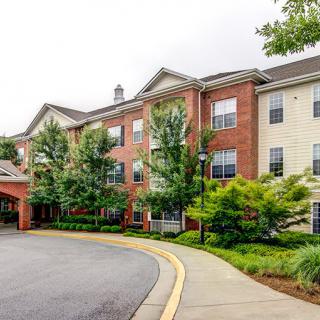
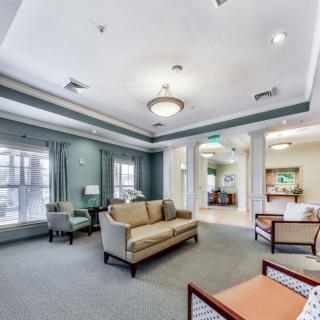
Family Bridge - Community Living Arrangement II in Jonesboro, GA is a welcoming and comfortable assisted living community that provides a range of amenities and care services to enhance the quality of life for our residents.

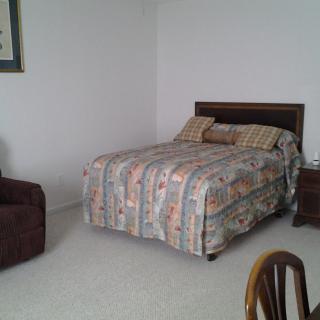
Our community features a spacious dining room where residents can enjoy delicious meals prepared by our skilled staff. Each living space is fully furnished, offering a cozy and functional environment. Residents can also take advantage of our beautiful garden and outdoor space, perfect for relaxation and socializing with fellow residents.

We understand the importance of a clean and organized living environment, which is why we provide housekeeping services to ensure that each resident's living space is kept tidy and comfortable. Additionally, we offer move-in coordination assistance to ease the transition for new residents.

To keep our residents connected, we provide telephone and Wi-Fi/high-speed internet access throughout the community. This allows residents to stay connected with family and friends, as well as engage in online activities such as researching hobbies or streaming entertainment.

Our dedicated care staff is available to assist with activities of daily living such as bathing, dressing, transfers, and medication management. We also coordinate with healthcare providers to ensure that each resident receives proper medical attention.

At Family Bridge - Community Living Arrangement II, we understand that dietary needs may vary from person to person. Therefore, we offer special dietary restriction options for our residents, including diabetes diets and meal preparation services. Our aim is to provide nutritious meals that cater to individual preferences and needs.

Transportation arrangements are available for medical appointments, ensuring that residents have convenient access to necessary healthcare services. Additionally, scheduled daily activities are offered to promote socialization and engagement among residents.

Located in Jonesboro, GA, our community benefits from its proximity to various amenities. Residents can easily access nearby cafes, parks, pharmacies, physicians' offices, restaurants, places of worship, and theaters.

At Family Bridge - Community Living Arrangement II in Jonesboro, GA, we strive to create a warm and supportive environment where residents can enjoy a fulfilling and comfortable lifestyle.

Nearby Places of Interest

Restaurants

  • Slutty Vegan (2.9 miles)
  • Club Sugar Bush (3.5 miles)
  • Wendy's (3.6 miles)
  • McDonald's (4 miles)
  • Hardee's (4.2 miles)
  • Panda Express (4.2 miles)
  • Chick-Fil-A (4.3 miles)

Pharmacies

  • CVS Pharmacy (3 miles)
  • CVS Pharmacy (3.2 miles)
  • Walgreens (3.6 miles)
  • Summit Point (6 miles)
  • Walgreens (6.1 miles)
  • Heart Pharmacy (6.2 miles)
  • CVS Pharmacy (6.3 miles)

Parks

  • McCurry Park (3.2 miles)

Physicians

  • Breast Health Clinic (3.4 miles)
  • Southeast Primary Care (3.5 miles)
  • Harsch & Osborne Md Pc (3.5 miles)
  • Primary Medical Care PC (3.9 miles)
  • Children 1st Pediatrics (4.4 miles)
  • Southside Internal Medicine PC (5.1 miles)
  • Southern Behavioral Healthcare PC (5.8 miles)

Cafes

  • Panera Bread (3.8 miles)
  • Starbucks (6.1 miles)
  • Eat More Korean (6.2 miles)

Theaters

  • Cinemark Tinseltown 17 And Xd (4.1 miles)
  • AMC Southlake 24 (5.9 miles)

Places of Worship

  • New Macedonia Baptist Church (4.7 miles)
  • Whitewater Church (6.9 miles)

Hospitals

  • Labor & Delivery (6.5 miles)
  • Southern Regional Health System (6.5 miles)
  • Piedmont Fayette Hospital (8 miles)
  • Children's Healthcare of Atlanta (8 miles)
  • Children's Healthcare (8.1 miles)

Frequently Asked Questions

Where is Family Bridge - Community Living Arrangement II?

Nearby Communities

  • Southside Personal Care Home

    Southside Personal Care Home

    Jonesboro, GA

    5 from 4 reviews
    $1,400 to $1,500 / month

  • Reprah Enterprise - Community Living Arrangement #5

    Reprah Enterprise - Community Living Arrangement #5

    Jonesboro, GA


    pro Small, personalized setting with 24/7 supervision, medical coordination, and diabetes-friendly meals.



  • Acti-Kare of Jonesboro,  GA

    Acti-Kare of Jonesboro, GA

    Jonesboro, GA


    pro Proximity to cafes, pharmacies, physicians, restaurants, parks, and theaters nearby.

  • Comfort Hands Home Care LLC

    Comfort Hands Home Care LLC

    Jonesboro, GA

    5 from 1 review
     

    pro Quiet residential setting with extensive nearby amenities (pharmacies, physicians, restaurants, parks, theaters).

  • Laties Personal Care Home

    Laties Personal Care Home

    Jonesboro, GA

    4.2 from 28 reviews
    $1,500 to $1,800 / month

    pro Clean, well-maintained facility with attentive staff and affordable rates.

  • Bsa Community Living Arrangement 2

    Bsa Community Living Arrangement 2

    Jonesboro, GA


    pro Small, fully furnished assisted living with 24/7 supervision, ADL assistance, meal service, medication management, housekeeping, and transportation to medical appointments.

  • Azalea Estates of Fayetteville

    Azalea Estates of Fayetteville

    Fayetteville, GA

    4.5 from 77 reviews
    $3,800 to $4,975 / month

    pro Welcoming staff, abundant activities and amenities, and well-maintained grounds.

  • Palms of Lake Spivey

    Palms of Lake Spivey

    Lake Spivey, GA

    4.2 from 63 reviews
    $2,700 to $3,500 / month

    pro Friendly staff, strong activity program, and spacious, well-maintained apartments.

  • Hope Center Memory Care

    Hope Center Memory Care

    Fayetteville, GA

    4.4 from 99 reviews
    $4,250 to $5,750 / month

    pro Compassionate, knowledgeable staff with clean facilities, engaging activities, and uniform units that ease transitions.

Related Resources

  • active senior livingVibrant Senior Living: A Comprehensive Guide for Active Older Adults

    Vibrant Senior Living emphasizes active senior living communities that promote independence and engagement through diverse amenities and activities, fostering wellness and social interaction among older adults. These communities range from independent to assisted living, with a focus on personal growth, family involvement, financial planning, and leveraging technology to enhance residents' experiences.

  • when to move from assisted living to memory careWhen to Transition from Assisted Living to Memory Care: Key Indicators, Steps, and Finding the Right Community

    Transitioning from assisted living to memory care is driven by an individual's cognitive decline and specific needs, requiring careful evaluation of indicators like increased confusion and wandering. The process involves consulting medical professionals, researching suitable communities, considering financial and legal aspects, and ensuring effective communication for personalized care plans.

  • assisted living vs memory careAssisted Living and Memory Care: Understanding Their Core Differences

    Assisted living provides moderate support for seniors seeking independence, while memory care offers specialized support for individuals with dementia or cognitive impairments through structured routines and trained staff. Key differences include care approaches, environment security measures, staff training levels, activity types, and cost considerations.