

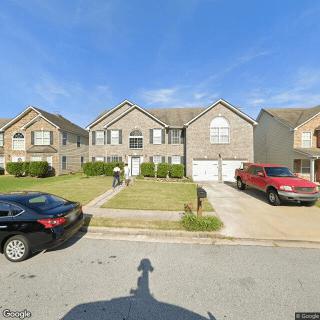
1180 Mundys Mill Road, Jonesboro, GA 30238
For more information about senior living options: (866) 208-4318
Overall Review of Tarr Personal Care Home Of Jonesboro
Pros
 Reviewers describe Our Rising Angels Personal Care Home as safe, clean, and full of genuine compassion.
- Monique and her staff are praised for going above and beyond to ensure residents are well cared for.
- Families say residents are treated with dignity, kindness, and respect, like family.
- The owner’s hands-on involvement is highlighted, with Monique often seen working alongside staff.
- The team is described as patient, understanding, and able to reassure families.
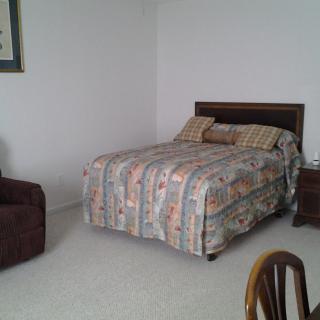
- The facility is noted for spacious rooms, comfortable accommodations, and a home-like atmosphere.
- Respite and memory care are highly recommended for loved ones needing specialized care.
- Dementia care is described as calm, tailored, and supportive, easing family stress.
- Many reviewers call the home a great place and heaven-sent for loved ones.
- Caregivers are described as loving, compassionate, and dedicated to building trust with residents.
- Families consistently report positive experiences, good communication, and satisfaction with outcomes.
- The staff are recognized as compassionate professionals who treat residents like family.
Cons
 The review states that the place smells like doo-doo when you walk in.
- The reviewer says Monica Gibson is very unprofessional and ghetto.
Review
Tarr Personal Care Home Of Jonesboro is best suited for families who want an intimate, hands-on environment where their loved one receives consistent, relationship-driven care from an operator and a small staff. The reviews consistently describe a home-like setting led by an involved owner, with care delivered as if residents were family. For memory care needs, dementia or post-stroke recovery, families who prize quiet, respectful, day-to-day attention, personal connections, and clear, regular communication will find this community a strong match. This is not a large campus with clinical programming; it is a small, domestic-scale home that prioritizes dignity, calm routines, and accessibility to the operator and caregivers.
Those who may want to consider alternatives include families whose loved one requires robust, on-site medical nursing 24/7, highly structured clinical therapies, or a facility with a broad menu of on-site specialists and activities. If the priority is a highly medicalized setting, with constant access to advanced skilled nursing or hospital-like services, a larger assisted living or a dedicated memory-care center with extensive staffing may be more appropriate. Similarly, families seeking a facility with a wide array of amenities and formal programming throughout the day may prefer a bigger community with scheduled, on-site medical and rehabilitative services.
On the upside, the most persuasive pro is the staff’s ability to deliver personalized, compassionate care in a setting that feels like home. Families repeatedly mention that residents are treated with dignity, kindness, and respect, and that the owner and caregivers are readily available, patient with questions, and genuinely engaged in each resident’s well-being. The memory-care focus stands out: staff are described as patient and knowledgeable about dementia, building trust, and forming meaningful relationships with residents. Cleanliness, safety, and a non-institutional atmosphere are frequently cited, along with resident comfort, easily observed through spacious rooms, accommodating furniture, and even practical touches like safety rails and accessible TVs. Communication with families is strong, with updates and direct contact via phone when needed, which helps families feel connected to their loved one’s daily life.
A notable concern surfaces in a minority review that mentions an odor and describes unprofessional behavior by a particular staff member. While this appears to be an outlier among overwhelmingly positive experiences, it is a reminder to validate the environment personally. Given the scale of the operation, a single negative report can indicate variable day-to-day conditions, so prospective families should inspect cleanliness, odor control, and staff demeanor during visits. Beyond that specific critique, other potential caveats include the inherent limits of a small home setting: less on-site medical coverage, fewer formal therapies, and the possibility that staff turnover could affect consistency. These are not universal failures of the model, but legitimate considerations for those with complex medical needs or high care demands.
The key is to weight the standout strengths against the areas that require closer scrutiny. The strongest offset comes from a demonstrably caring leadership style and a team that treats residents like family, which often translates into steadier routines, quicker responsiveness, and warmer daily interactions for memory-impaired residents. In dementia and post-stroke care scenarios, that relational foundation can be more valuable than a long list of clinical services, because trust and familiarity reduce agitation and improve daily cooperation. The potential drawbacks, less formal medical oversight and the risks inherent in a smaller setting, are manageable if families enter with clear expectations, insist on transparent care plans, and verify the availability of licensed nursing support and emergency protocols.
For families considering Tarr, practical next steps are essential. Schedule multiple visits at different times to observe staff interaction with residents and to test the responsiveness of the operator. Request a written care plan that outlines daily routines, dementia-specific strategies, medication management, and emergency procedures, along with the staff-to-resident ratio. Ask for recent references from families with residents at similar care levels and for specific examples of how concerns were addressed. Discuss respite care options, dietary accommodations, and how activities adapt to varying cognitive and physical abilities. If those conversations reinforce a warm, well-organized, and communicative environment, Tarr becomes a compelling choice for a loved one who values home-like care with a strong personal touch and a proven focus on dignity and relationship-based care.
 5 resident community capacity
 Assisted Living
 Board and Care Home
 Cable or satellite TV
 Dining room
 Fully furnished
 Garden
 Housekeeping services
 Move-in coordination
 Outdoor space
 Small library
 Telephone
 William B Hartsfield-Atlanta International (11 miles away)
 24-hour supervision
 Activities of daily living assistance
 Assistance with bathing
 Assistance with dressing
 Assistance with transfers
 Diabetes diet
 Meal preparation and service
 Medication management
 Special dietary restrictions



 Comprehensive Supportive Living Arrangements for Adults with Disabilities
 Funding and Affording Assisted Living: A Thorough Overview
 Assisted Living Expenses and Long-Term Care Insurance: A Comprehensive Exploration