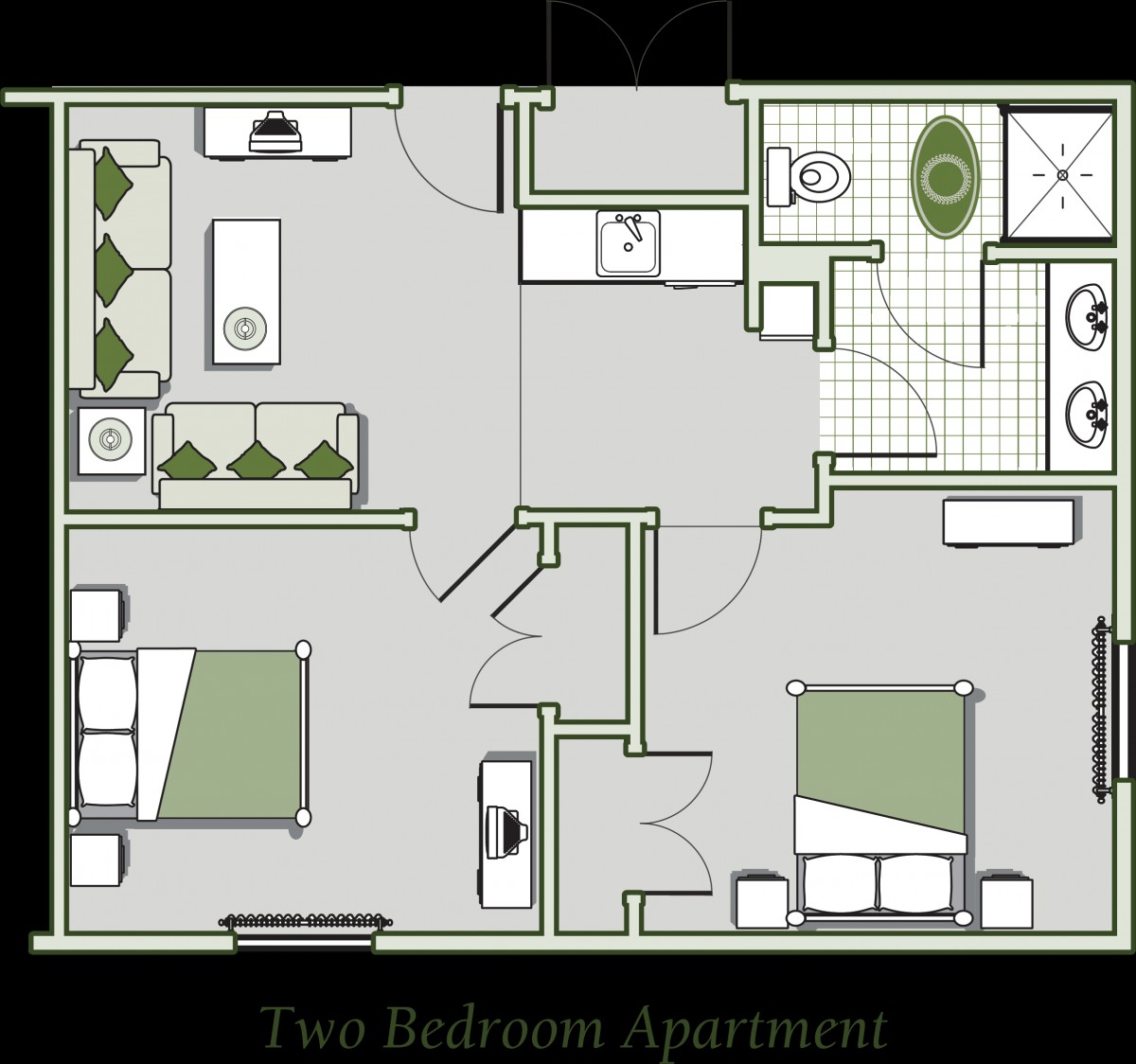
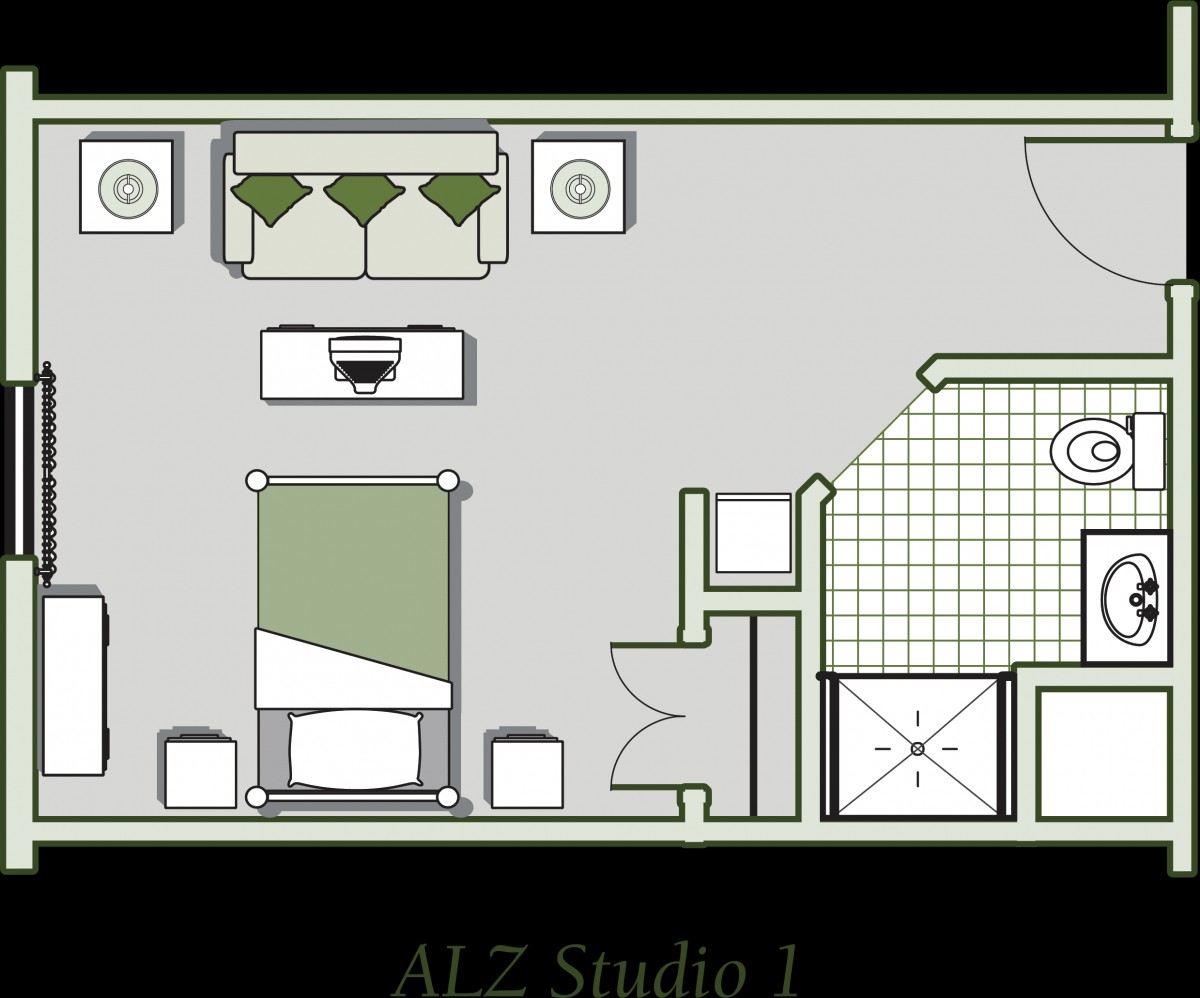
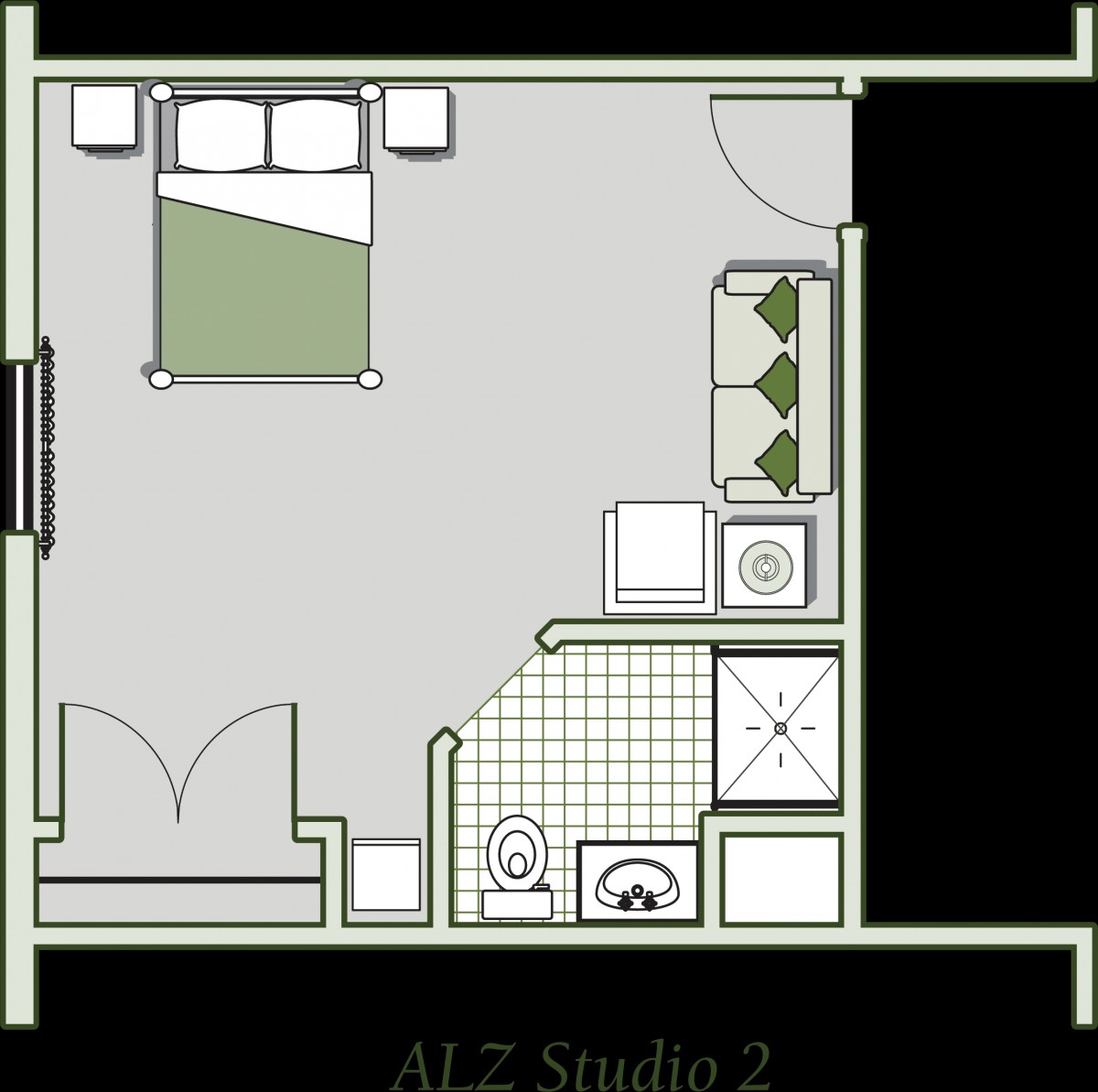
At Oaks at Hampton, the monthly costs for living arrangements reflect a competitive pricing strategy within Forsyth County and the broader state of Georgia. For a studio apartment, residents pay $3,565, which is notably lower than the county average of $3,962, but slightly above the state average of $3,520. Moving to one-bedroom units, Oaks at Hampton's rate of $4,150 stands in contrast to Forsyth County's more affordable rate of $3,591 and Georgia's statewide average of $3,412. The two-bedroom option showcases a significant difference; at $6,115 per month, it exceeds both the county average of $4,722 and the state average of $3,921. Overall, while Oaks at Hampton offers premium accommodations that may justify higher prices in certain categories, potential residents should weigh these costs against the amenities and services provided.
Floor plans
Oaks at Hampton
Forsyth County
Georgia
Studio
$3,565
$3,962
$3,520
1 Bedroom
$4,150
$3,591
$3,412
2 Bedrooms
$6,115
$4,722
$3,921
Memory care communities with a similar price nearby
Residents and families repeatedly describe staff who listen, assist, and follow through.
Multiple reviews emphasize that caregivers and management are attentive and available, and that communication during visits is clear. Several families say staff learn preferences and treat residents like people, not just patients. A number of reviewers also mention follow-up being prompt when questions or concerns come up.
common14 reviews mention this
Activities keep residents engaged
A steady schedule of activities is a consistent reason families feel comfortable.
Reviews frequently mention that the community keeps residents active with daily activities and group events. Families describe outings and special events that help residents stay engaged, including programming in both assisted living and memory care. Even visitors who were assessing fit before moving in often cite the variety and atmosphere around activities.
common6 reviews mention this
Dining earns mostly positive feedback
Many residents and families describe the food as enjoyable and well prepared.
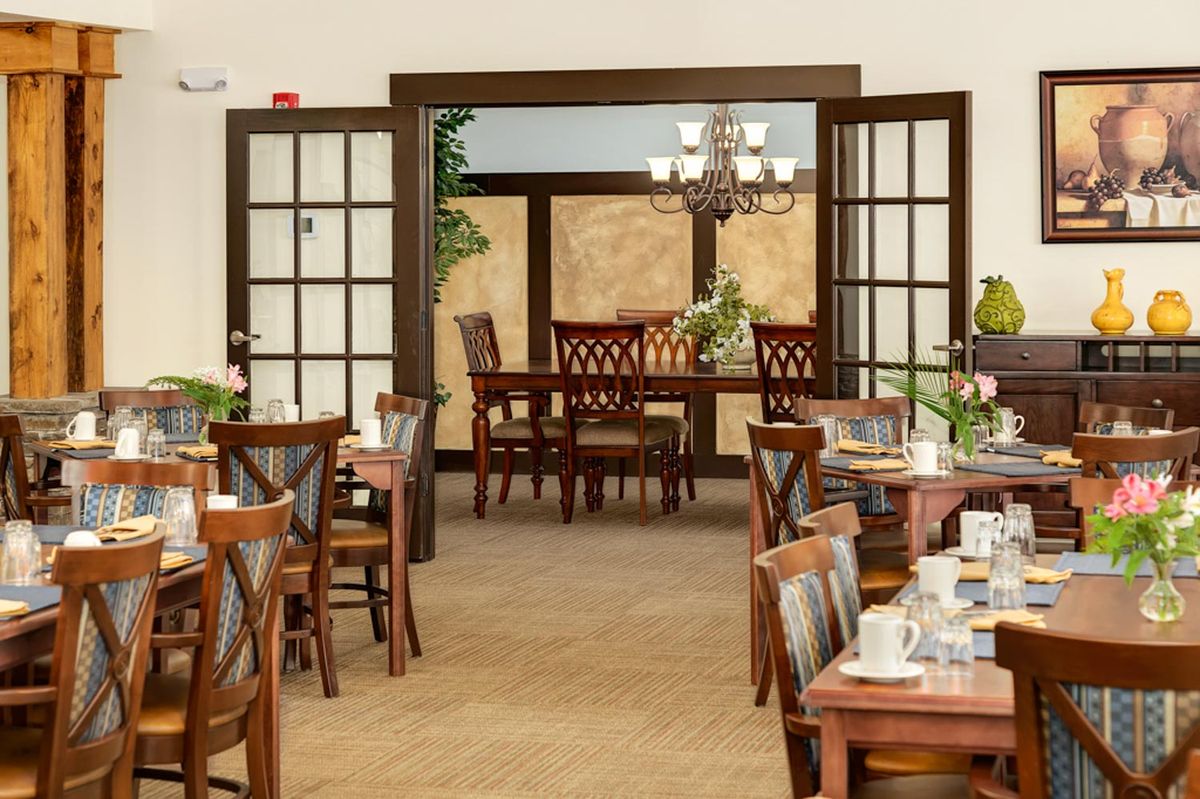
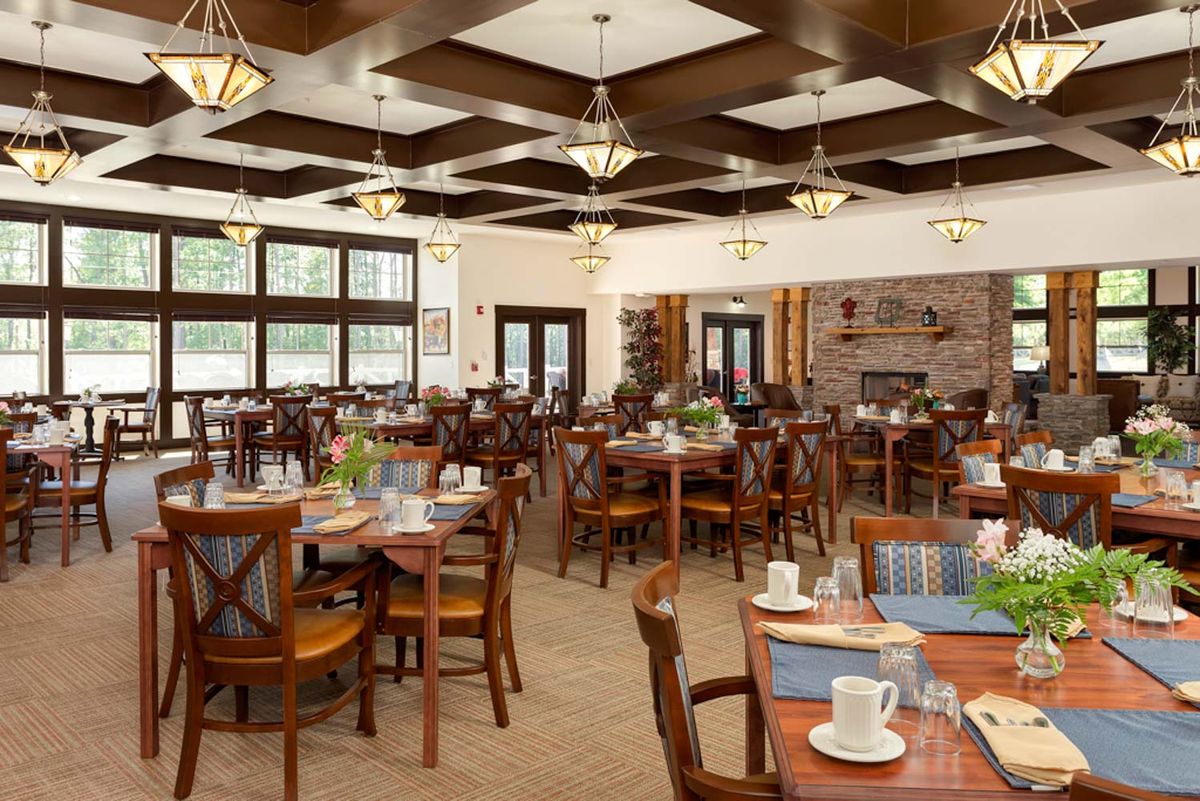
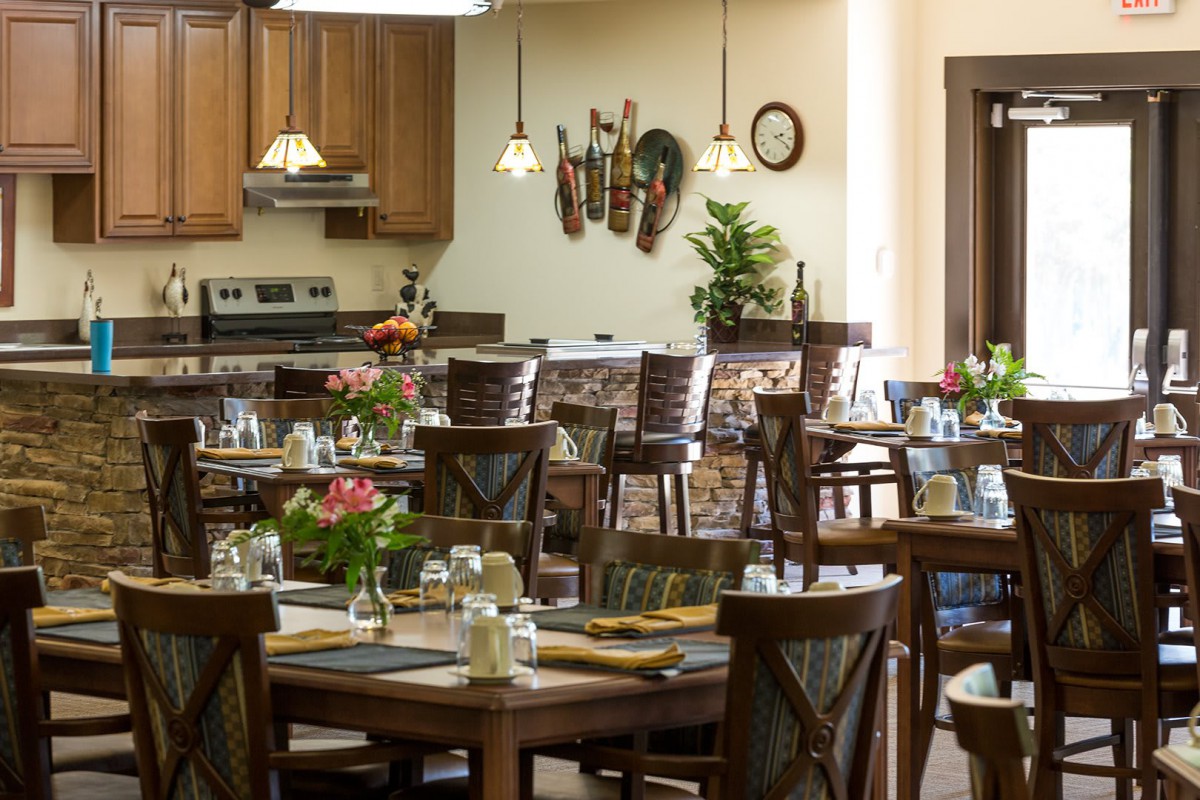
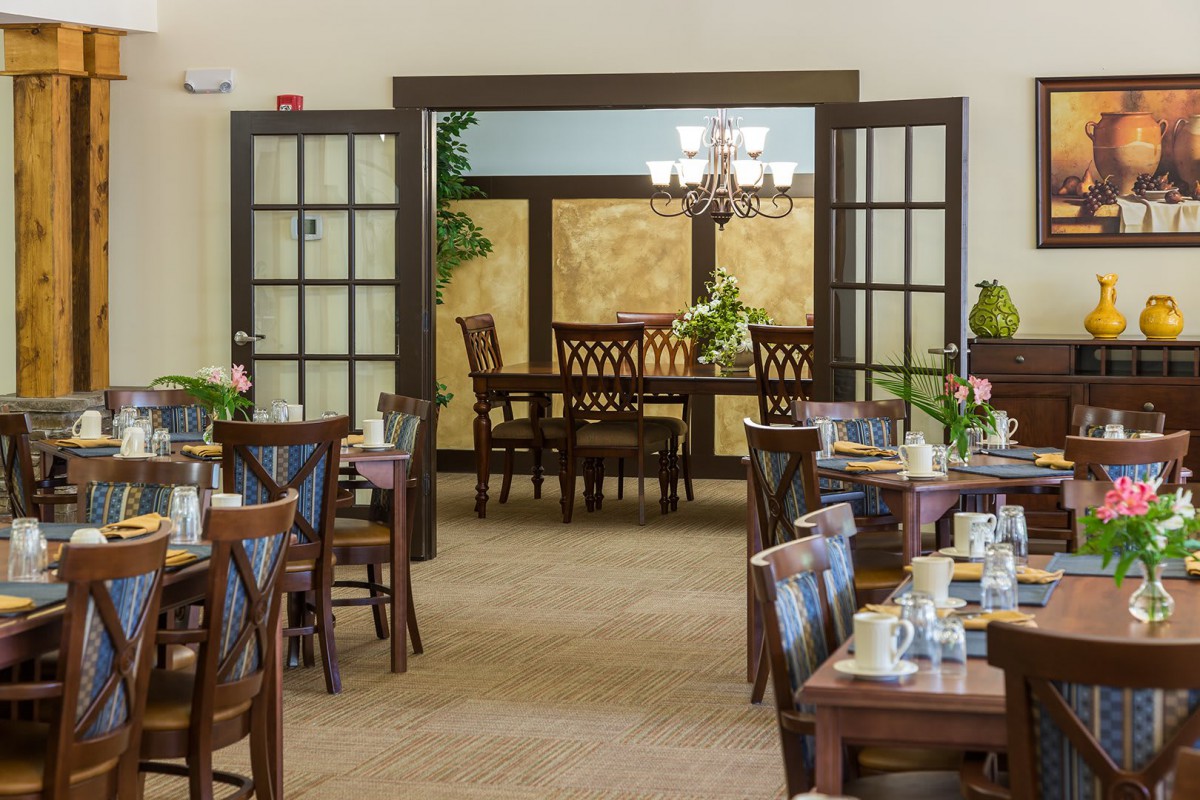
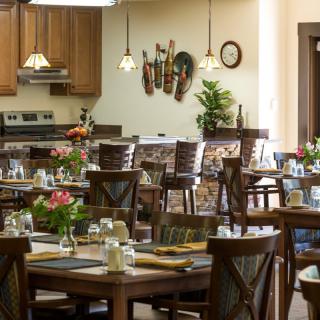
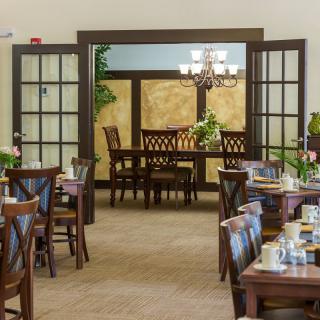
Several reviews highlight that dining is a strength, with positive comments about the taste and the dining area. The community also offers multiple dining formats, including restaurant-style dining and meal service options that support residents’ needs. A small number of reviewers note minor concerns about food quality or preference, but most comments stay positive overall.
common10 reviews mention this
Memory care is frequently praised
Families in memory care describe a supportive environment focused on resident comfort.
Reviews from residents in memory care commonly describe a person-centered approach, with staff engaging residents and responding to needs. Families also mention that move-in experiences can feel smooth and that leadership spends time interacting with residents. Several reviewers add that activities and family support continue in the memory care setting, helping residents maintain routines and connection.
caveat2 reviews mention this
Facility lighting can feel too dark
Some reviewers feel parts of the building are too dark for a welcoming visit.
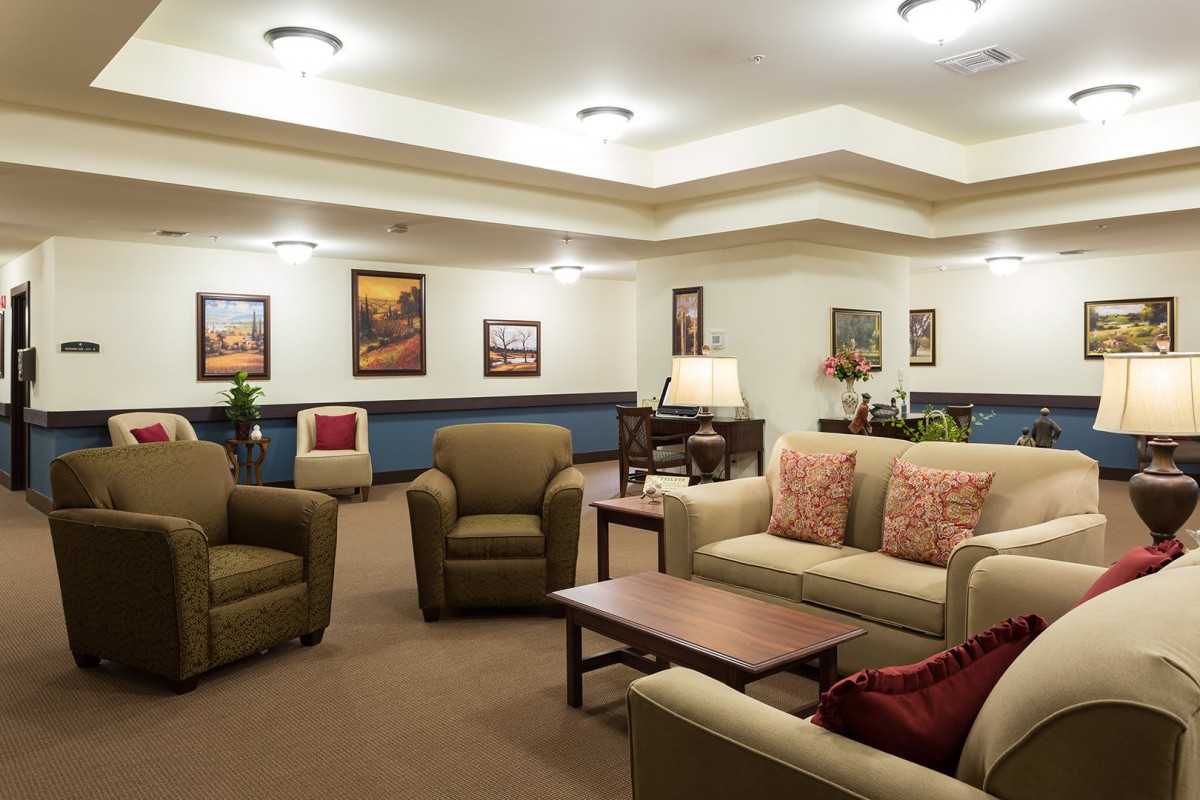
A couple of reviews specifically call out the interior lighting as dark, including comments about hallways and a general “nursing home” feel. Even when staff are praised as caring, these reviewers say the overall atmosphere could use brighter updates. Others mention outdoor areas and gardens positively, suggesting the darker indoor feel isn’t shared by everyone.
caveat2 reviews mention this
Serious concerns about staff conduct
A small number of families report serious issues with respect and follow-up after incidents.
Two reviews describe highly negative experiences involving alleged disrespect in care situations and a lack of timely resolution from management. Both reviewers say they provided documentation and were disappointed with the follow-up and communication afterward. These reports stand out sharply compared with the many positive reviews, but they are present in the review set.
How we summarize
Counts show how many written reviews mention each theme; a review can touch several themes, and only frequently mentioned themes are displayed.
Features
Housing
52 resident community capacity
1-bedroom apartments
2-bedroom apartments
Studio apartments
Types of Care
Assisted Living
Day Program
Memory Care
Pets
Cats allowed
Dogs allowed
Amenities
Activities off-site
Activities on-site
Air-conditioning
Beautician on-site
Beauty salon
Cable or satellite TV
Computer center
Devotional services off-site
Devotional services on-site
Dining room
Fitness room
Fully furnished
Gaming room
Garden
Ground floor units
Handicap accessible
Housekeeping services
Indoor common areas
Kitchenette
Move-in coordination
Outdoor common areas
Outdoor space
Private bathrooms
Respite or short term stays offered
Restaurant-style dining
Small library
Telephone
Wellness center
Wheelchair accessible showers
Wi-Fi/high-speed internet available
Transportation
Community operated transportation
Transportation arrangement
Transportation arrangement (non-medical)
Transportation to doctors appointments
Care Services
12-16 hour nursing
24-hour call system
24-hour supervision
Activities of daily living assistance
Ambulatory care
Assistance with bathing
Assistance with dressing
Assistance with transfers
Diabetes diet
High acuity care
Incontinence care
Meal preparation and service
Medication management
Mental wellness program
Special dietary restrictions
Dining
Anytime dining
Diabetes diet
Guest meals
Low / no sodium
Meals provided
No Sugar
Professional chef
Restaurant style dining
Room service
Special dietary restrictions
Special dining programs
Vegan
Vegetarian
Activities
Brain fitness
Community-sponsored activities
Concierge services
Day trips and outings
Devotional activities offsite
Devotional activities on-site
Fitness programs
Happy hour
Karaoke
Live dance or theater performances
Live musical performances
Planned day trips
Resident-run activities
Scheduled daily activities
Stretching classes
Visiting chaplain or priest
Wine tasting
Yoga / chair yoga
Nearby Places of Interest
This area of Cumming, Georgia offers a variety of amenities and services that may be appealing to seniors looking to relocate. With several parks nearby, including Coal Mountain Park and Sawnee Mountain Preserve Playground, there are plenty of opportunities for outdoor recreation and leisurely walks. In terms of dining options, there is a selection of fast food restaurants such as Burger King and Taco Bell, as well as sit-down establishments like Hacienda Barr & Grill. The presence of pharmacies like Walgreens and CVS Pharmacy ensures convenient access to medications and healthcare needs. Additionally, places of worship such as Browns Bridge Community Church and First Baptist Cumming provide spiritual support for those seeking it. For medical care, there are multiple physicians' offices in the vicinity, including Keating Family Medicine and Summit Surgical. In case of emergencies, hospitals like Northside Hospital are located within a short distance. Overall, this area offers a mix of recreational, dining, healthcare, and religious options that cater to the needs of seniors considering senior living in Cumming.
At Oaks at Hampton, the monthly costs for living arrangements reflect a competitive pricing strategy within Forsyth County and the broader state of Georgia. For a studio apartment, residents pay $3,565, which is notably lower than the county average of $3,962, but slightly above the state average of $3,520. Moving to one-bedroom units, Oaks at Hampton's rate of $4,150 stands in contrast to Forsyth County's more affordable rate of $3,591 and Georgia's statewide average of $3,412. The two-bedroom option showcases a significant difference; at $6,115 per month, it exceeds both the county average of $4,722 and the state average of $3,921. Overall, while Oaks at Hampton offers premium accommodations that may justify higher prices in certain categories, potential residents should weigh these costs against the amenities and services provided.
The features offered at Oaks at Hampton are designed to comprehensively support residents with dementia or Alzheimer's disease, ensuring their safety and enhancing their quality of life. The 24-hour supervision provides constant oversight, allowing caregivers to promptly respond to any needs or emergencies, fostering a secure environment. Assistance with activities of daily living--such as bathing, dressing, and transfers--ensures that residents maintain personal dignity while receiving the necessary support tailored to their cognitive capabilities. Engaging in brain fitness activities promotes mental stimulation and cognitive health, which are crucial for slowing progression. Incontinence care helps maintain dignity and comfort, while the attentive meal preparation and service cater to nutritional needs that can be challenging for those with memory impairments. Medication management ensures adherence to prescribed treatments, reducing the risk of confusion or complications associated with medication regimens. Lastly, a mental wellness program addresses emotional and psychological aspects of care, promoting overall well-being in a supportive community setting.
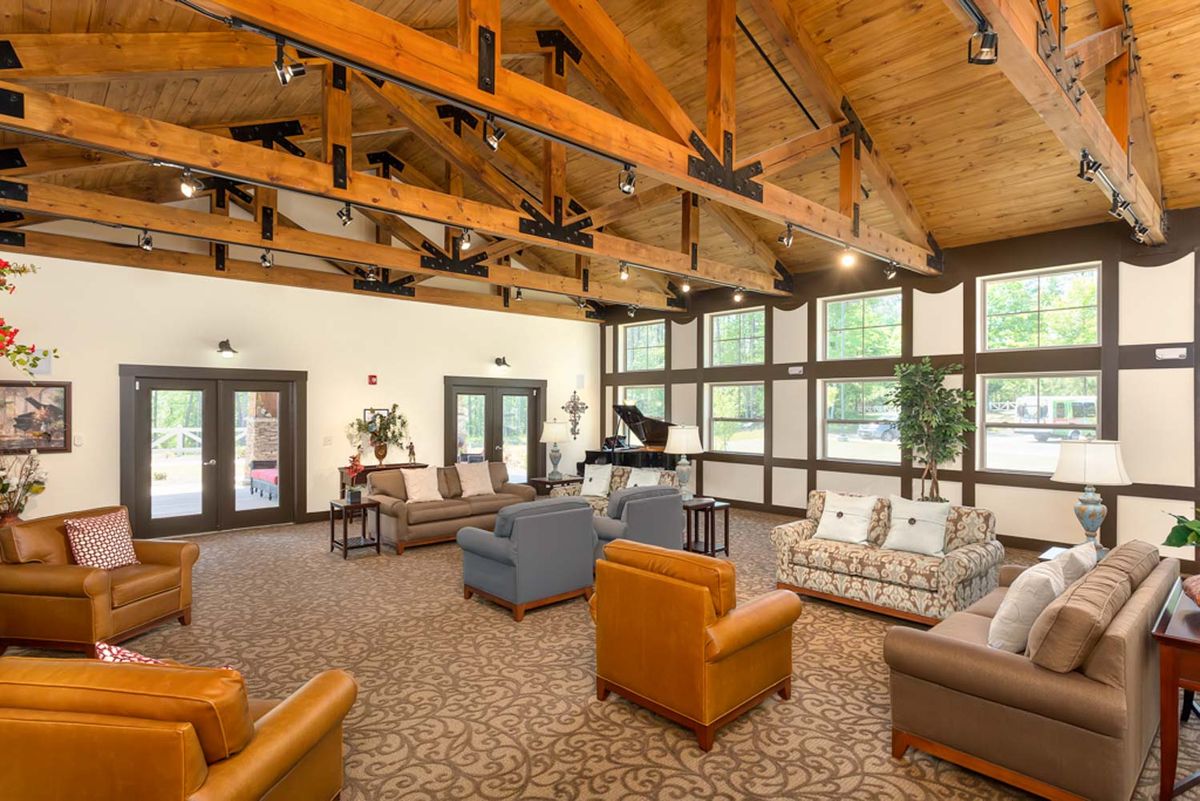
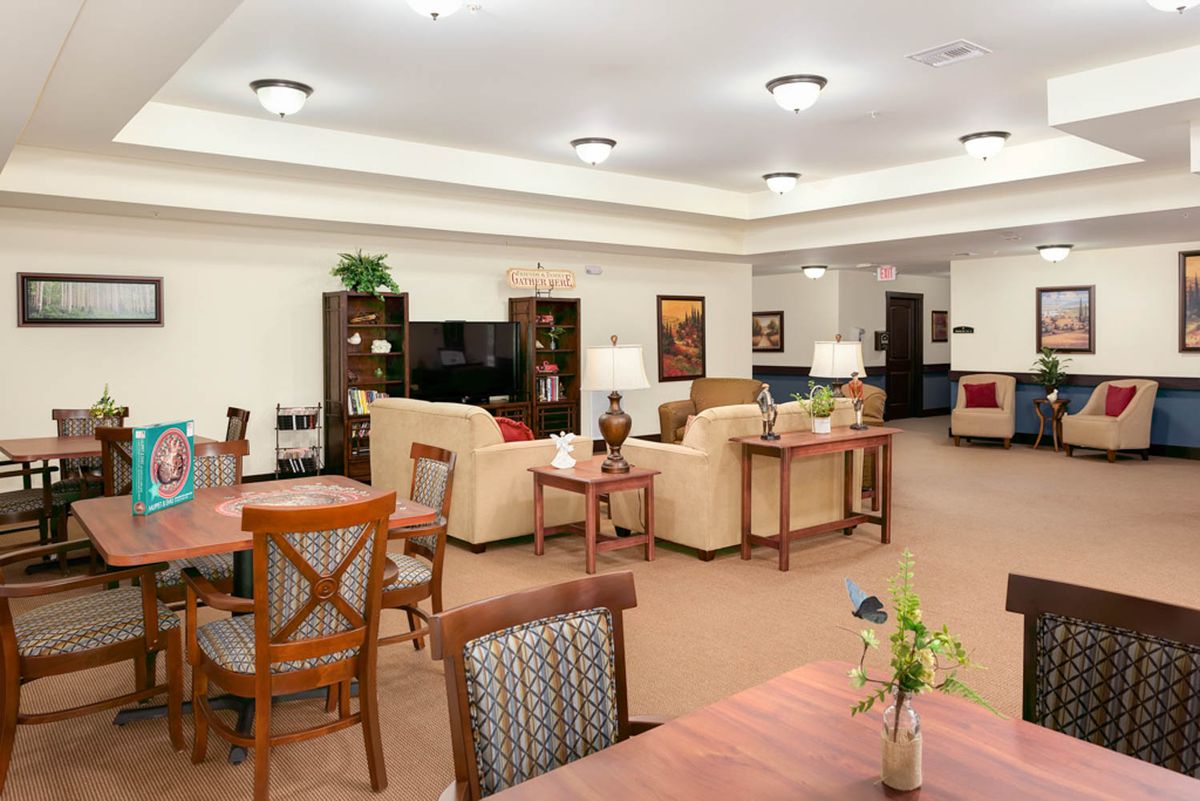
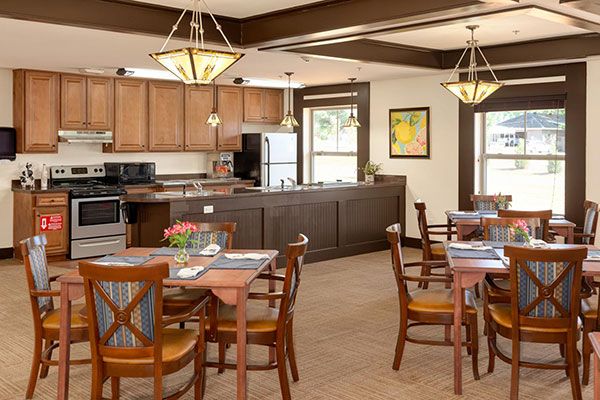
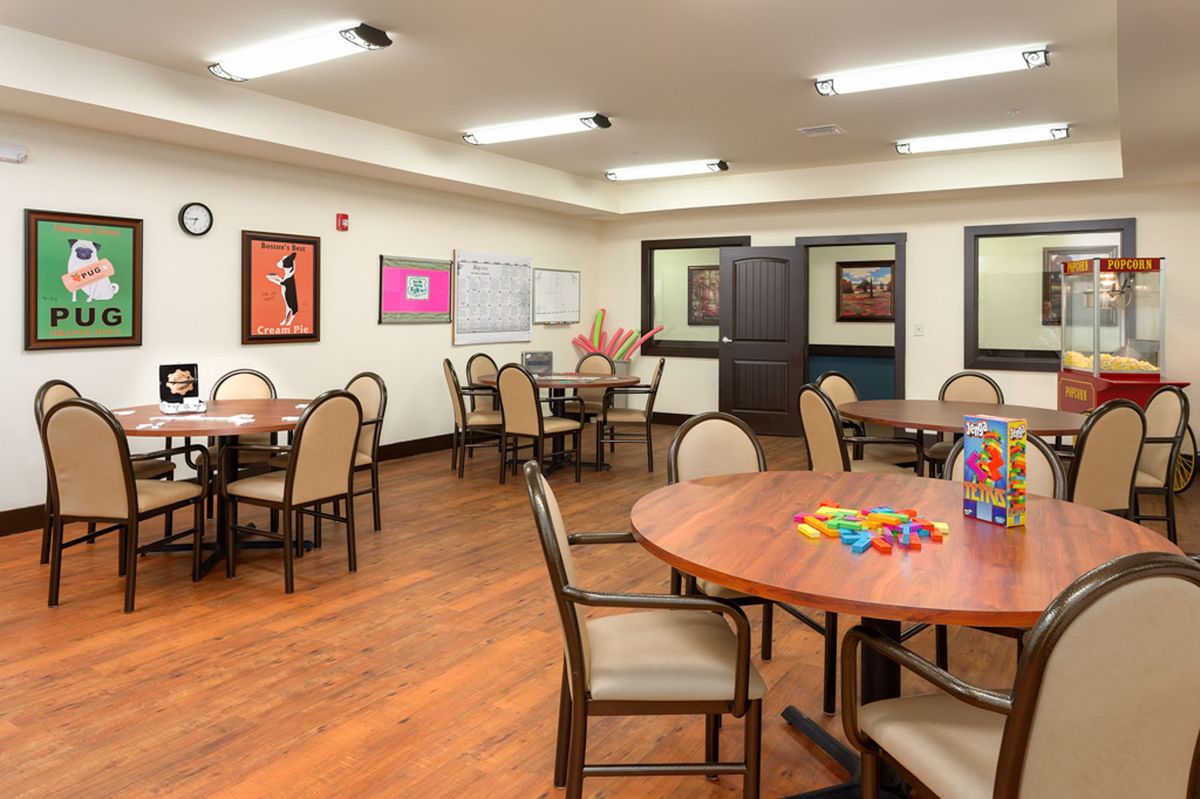
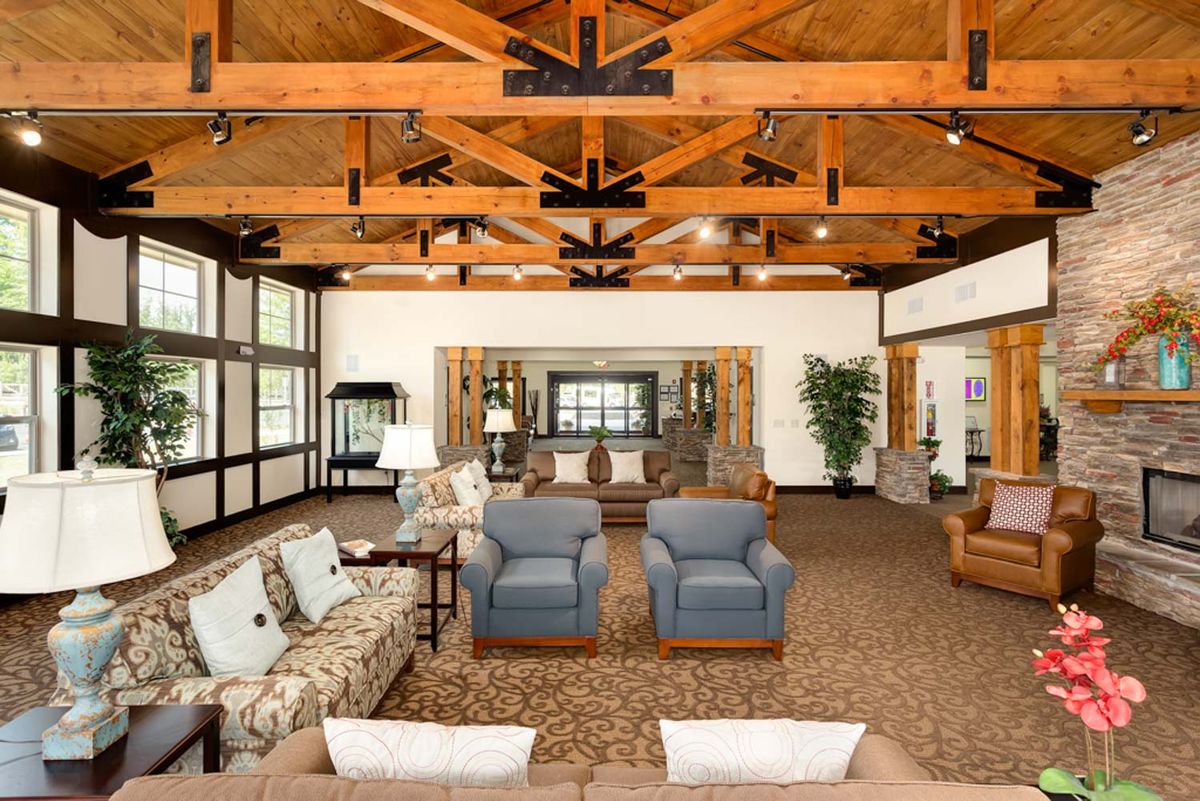
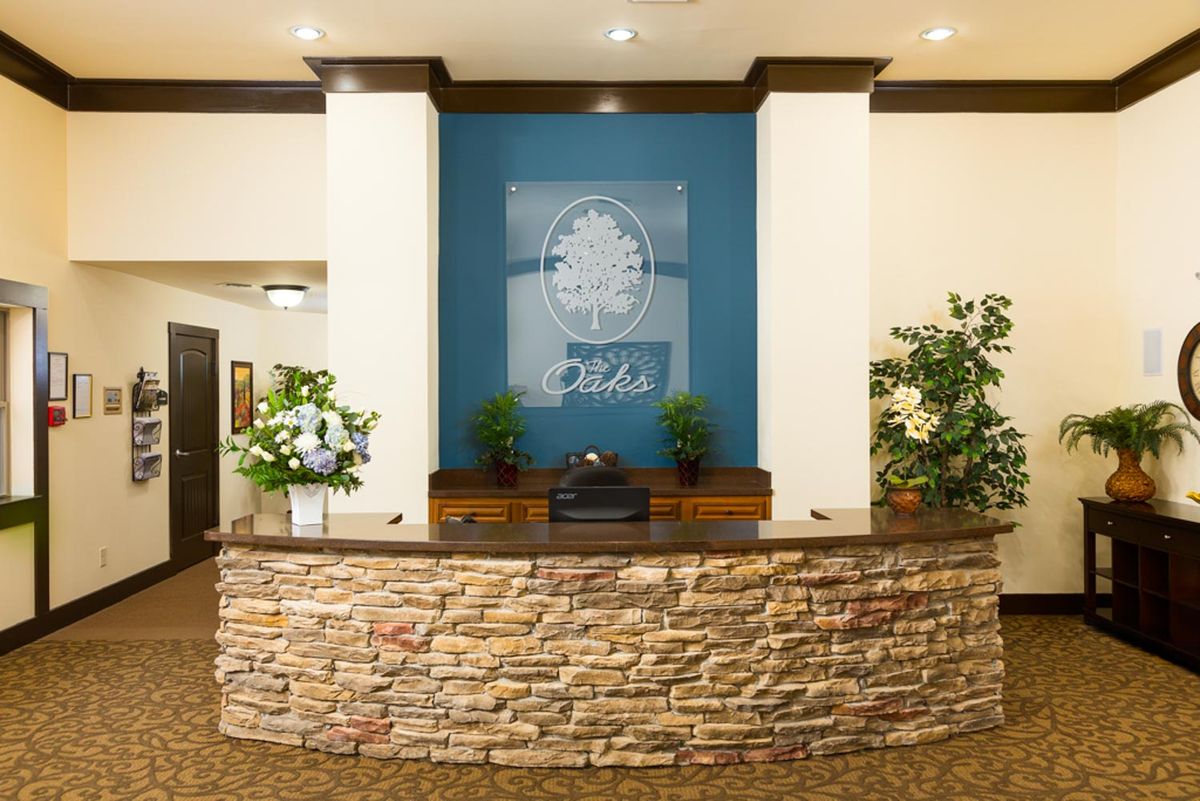
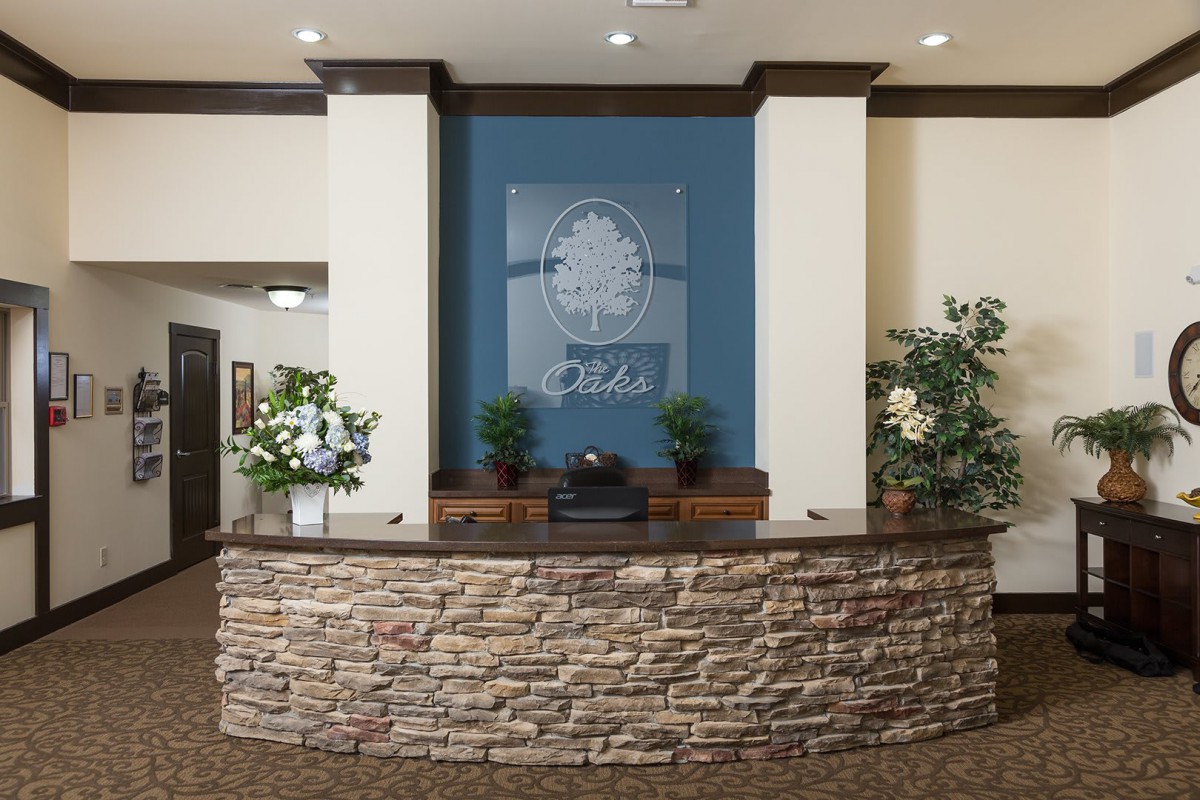
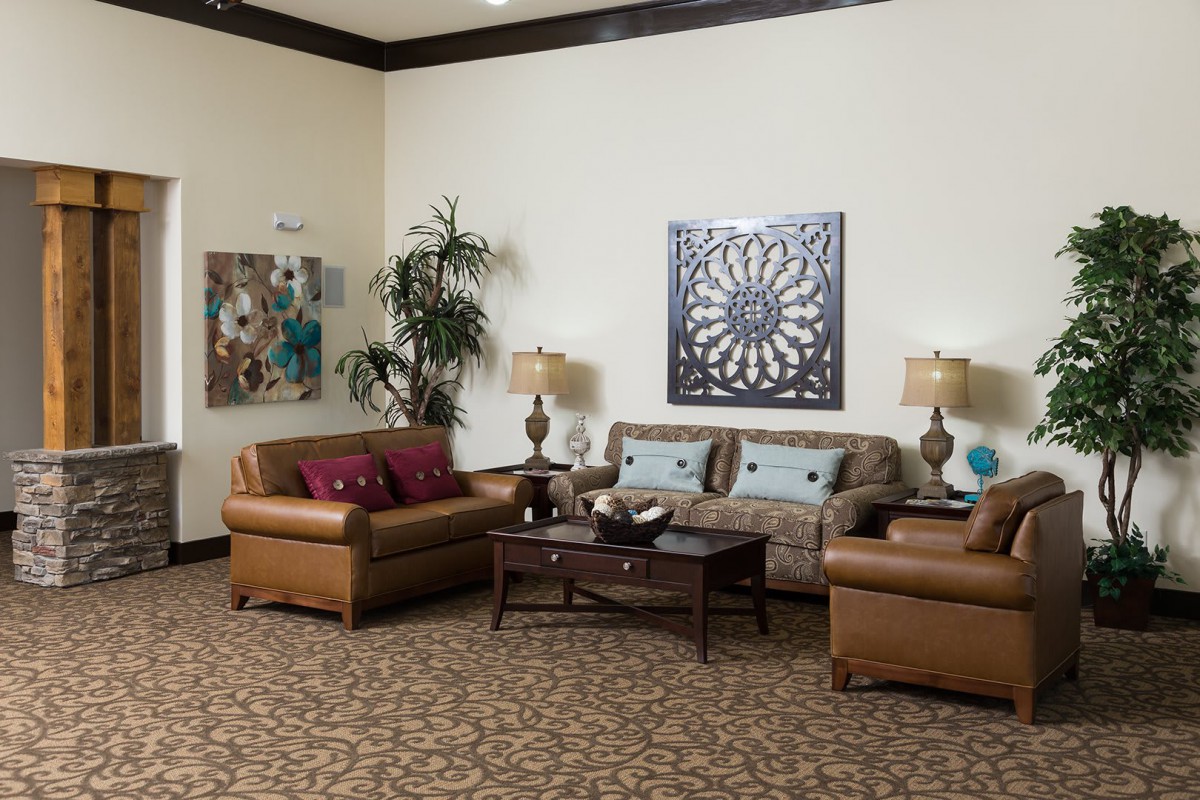
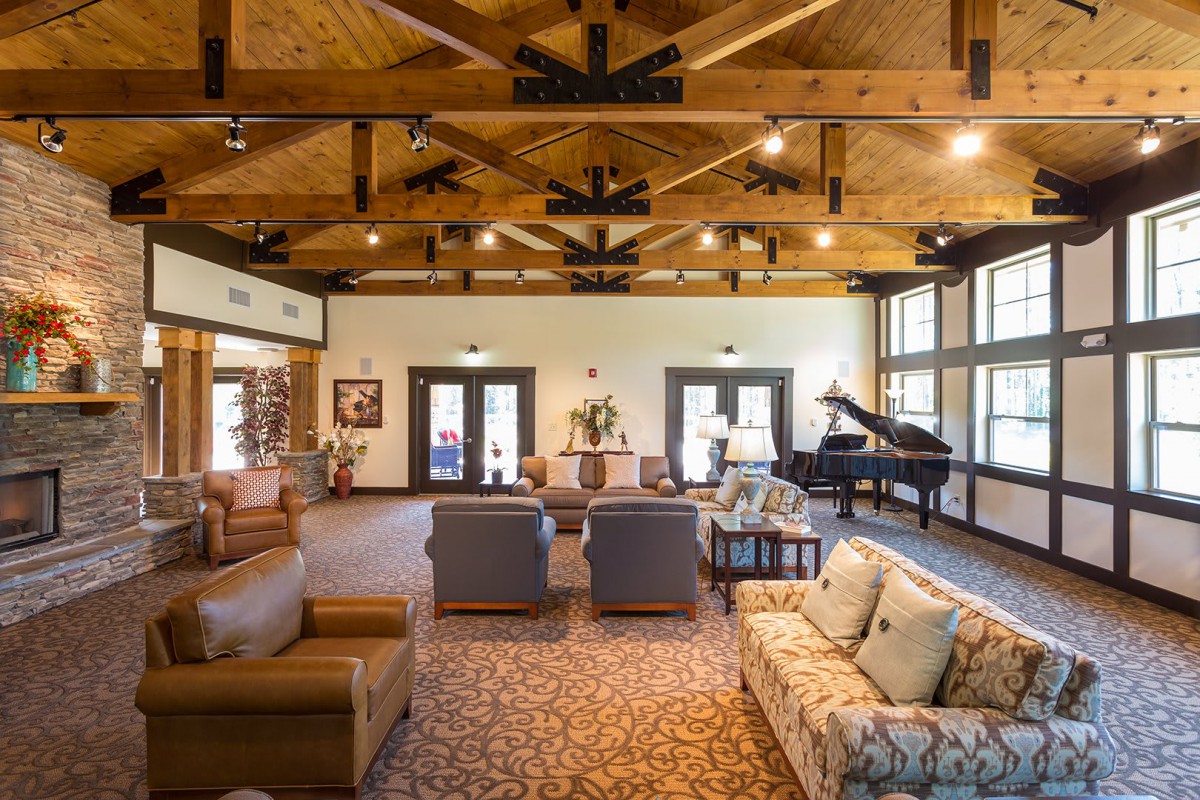
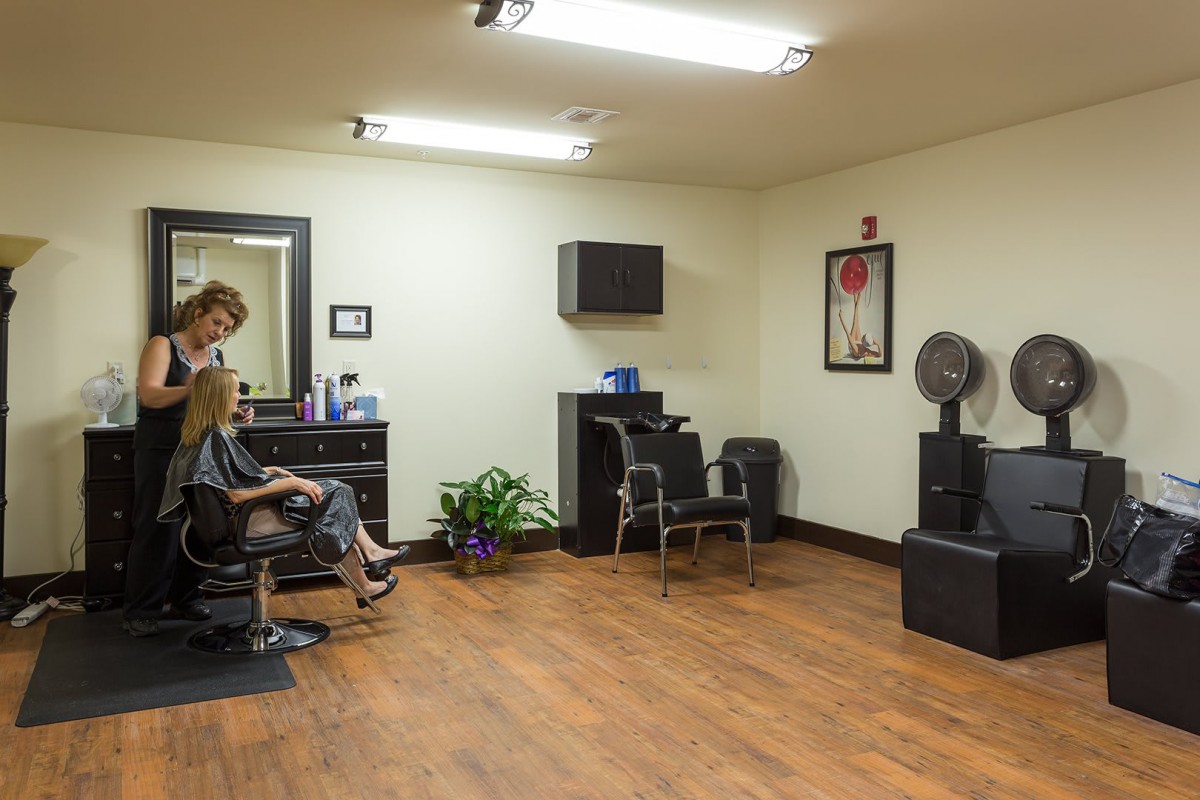
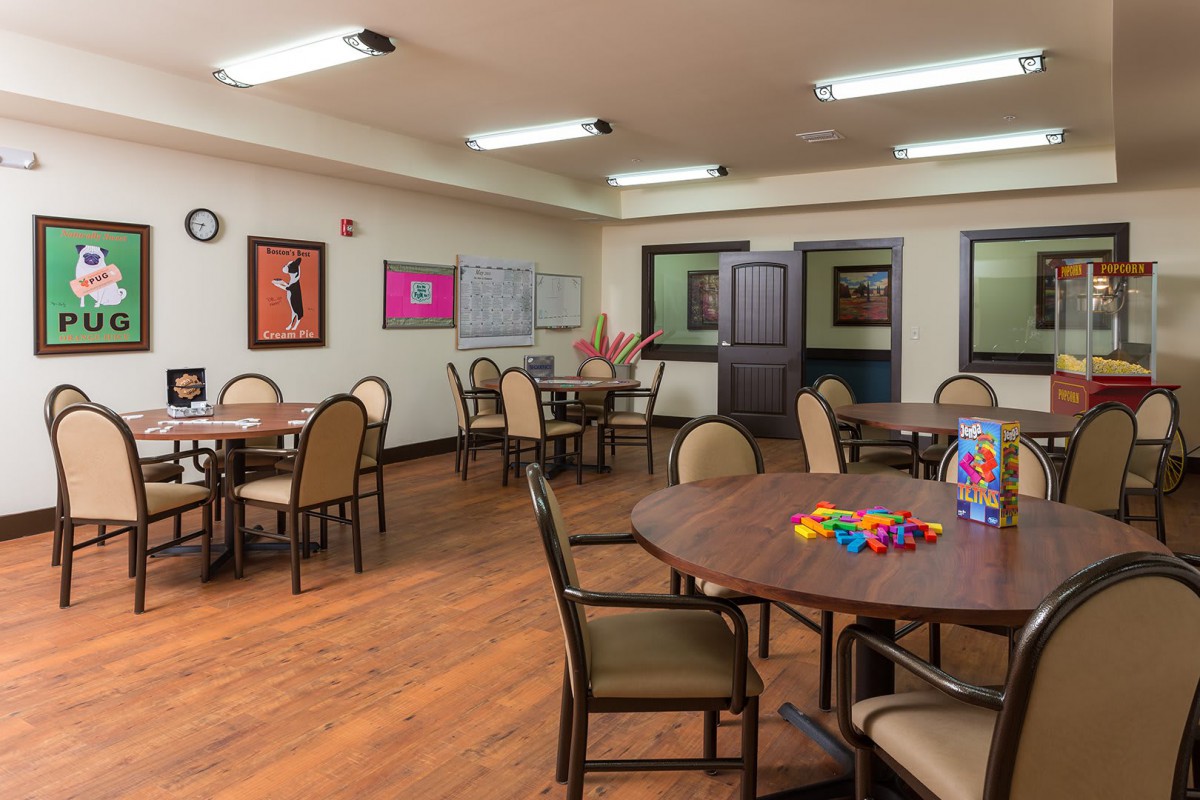
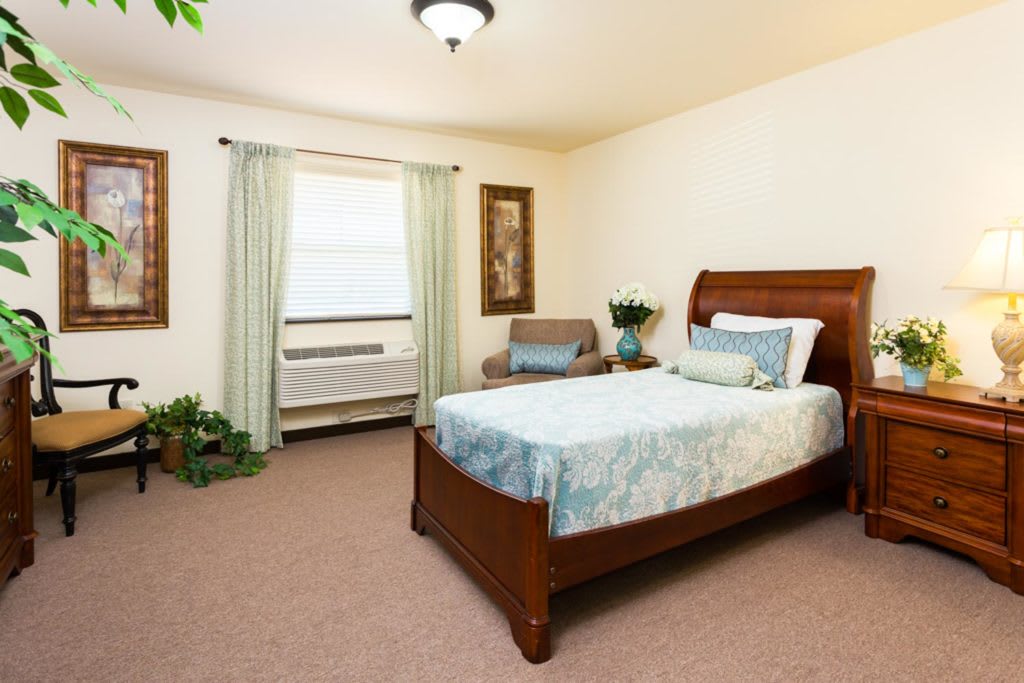
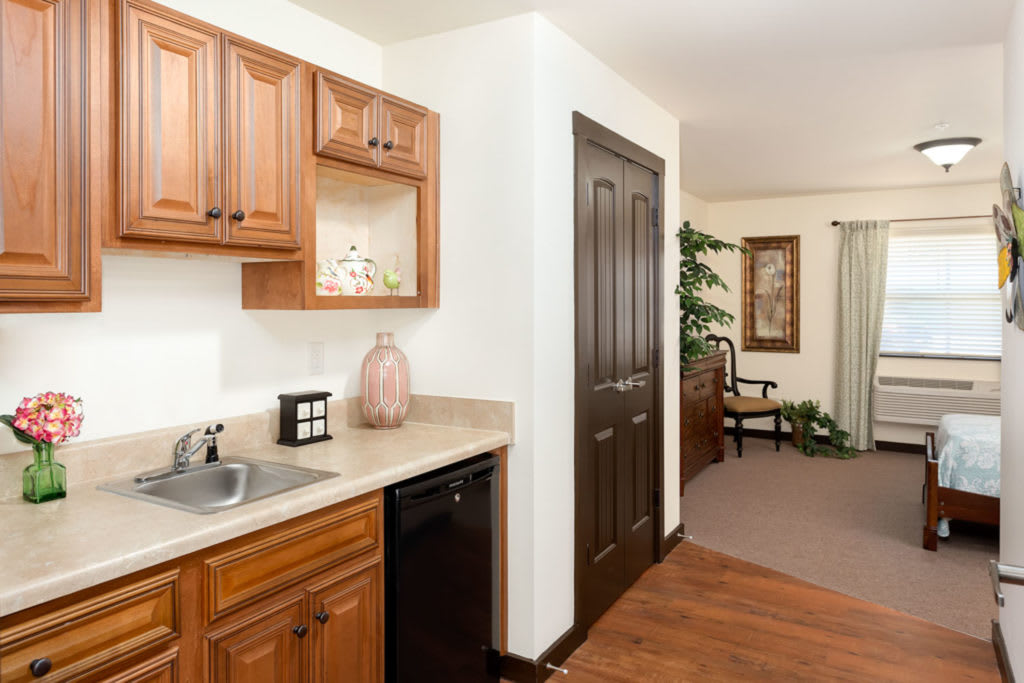
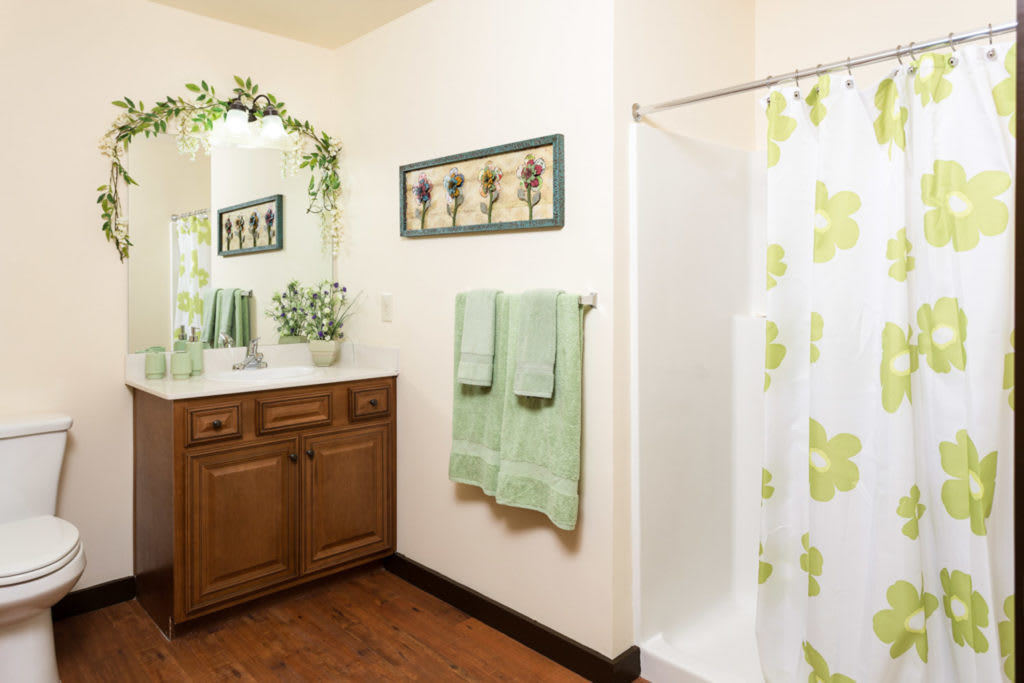
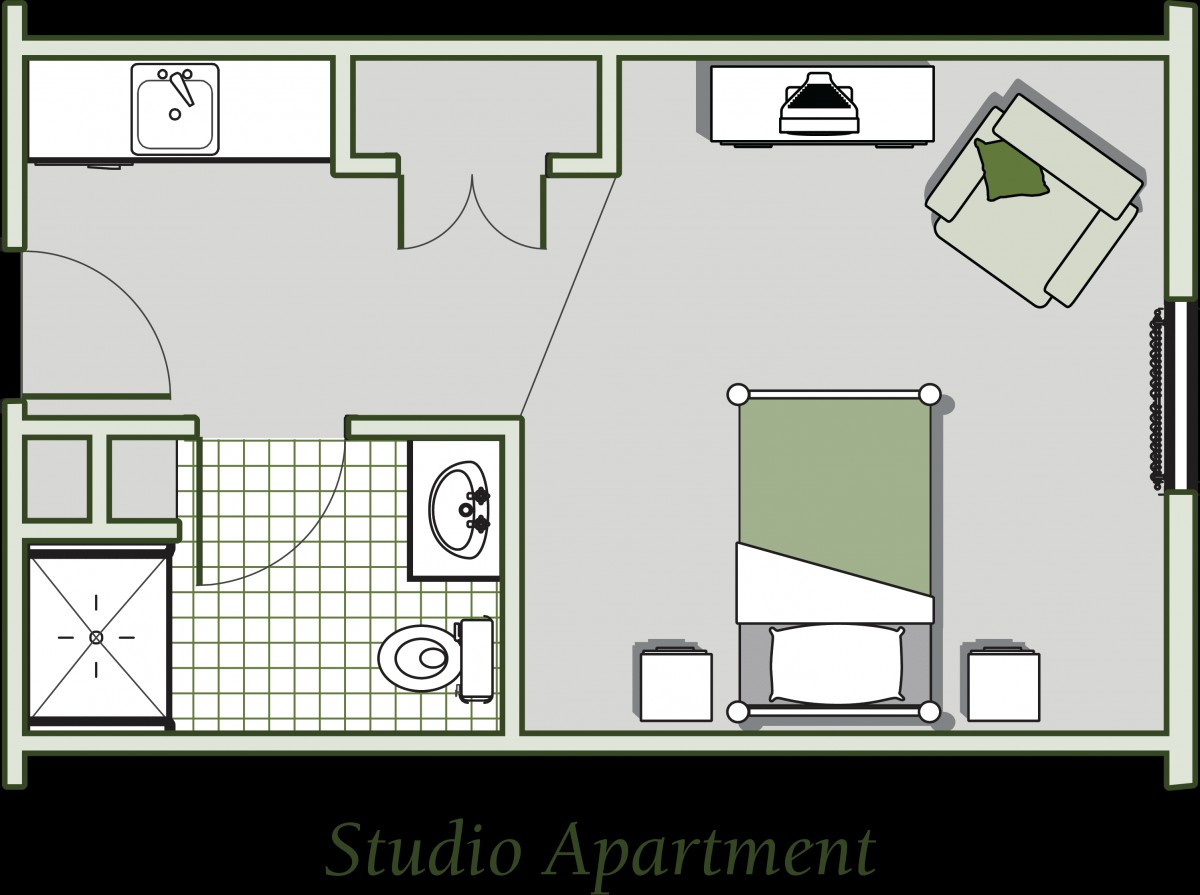
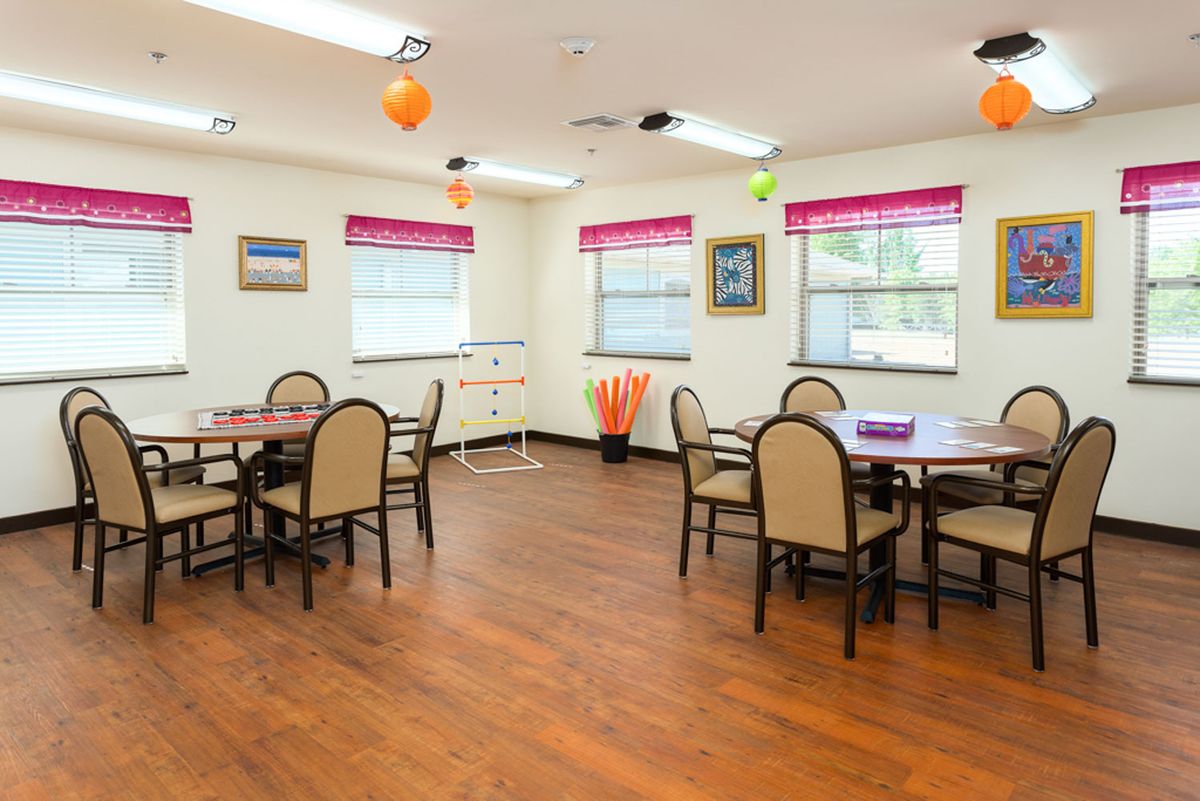
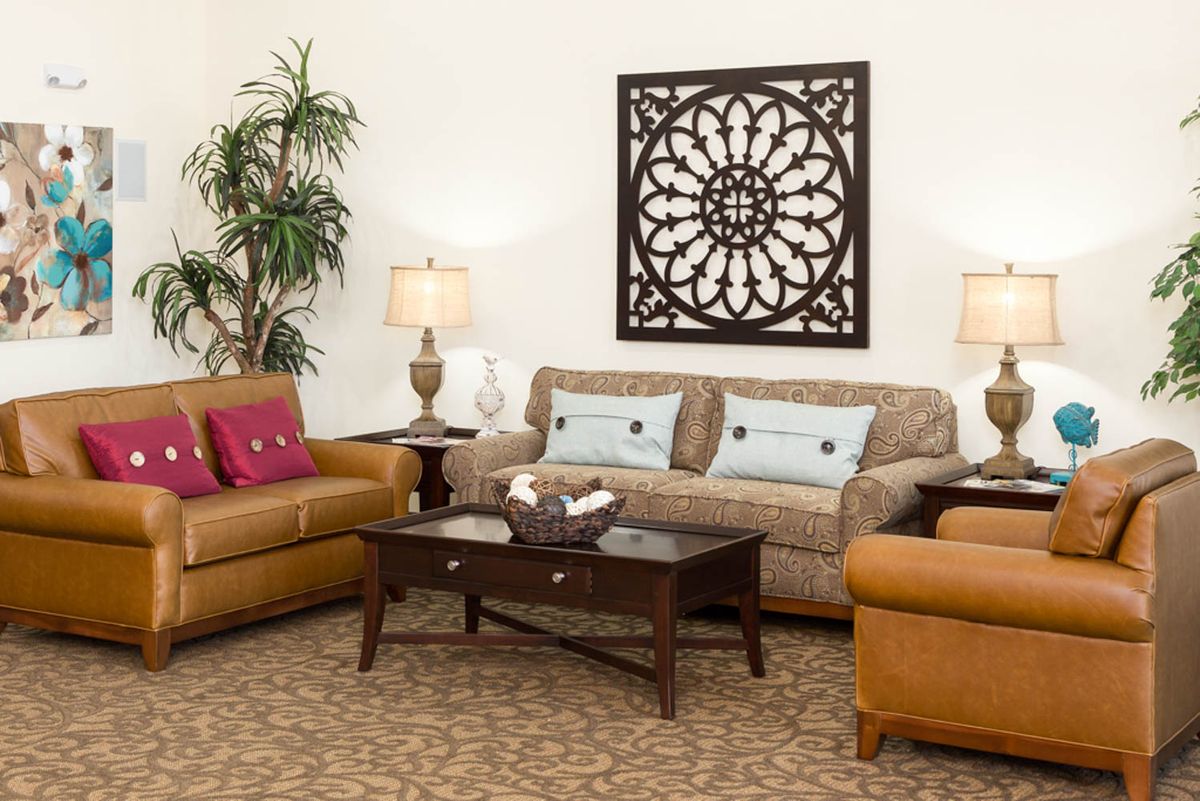
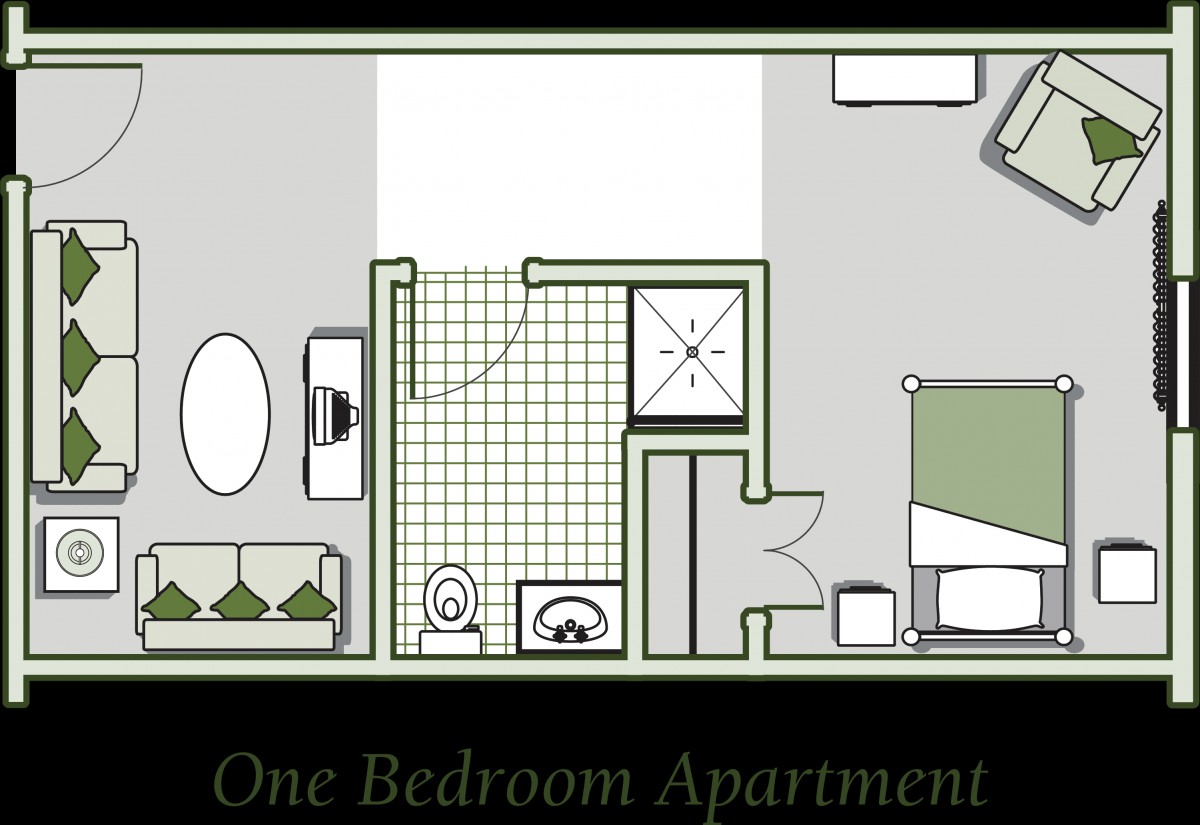
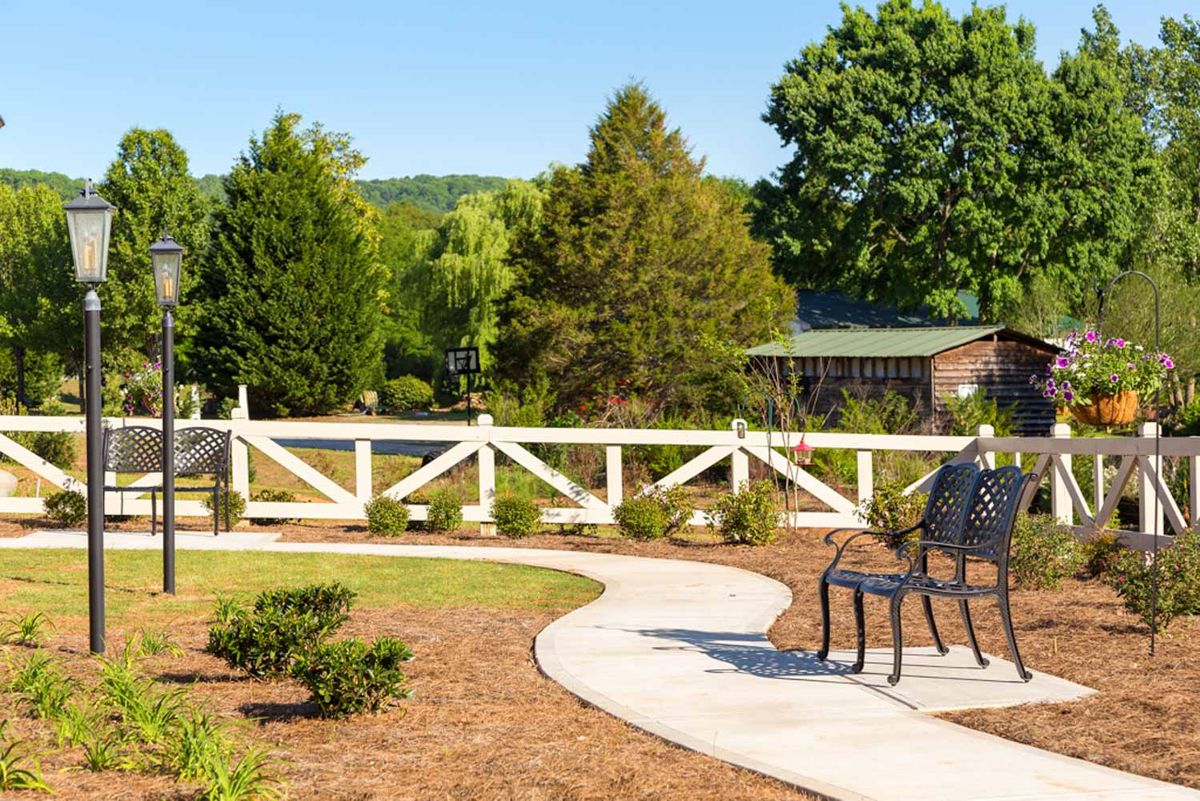
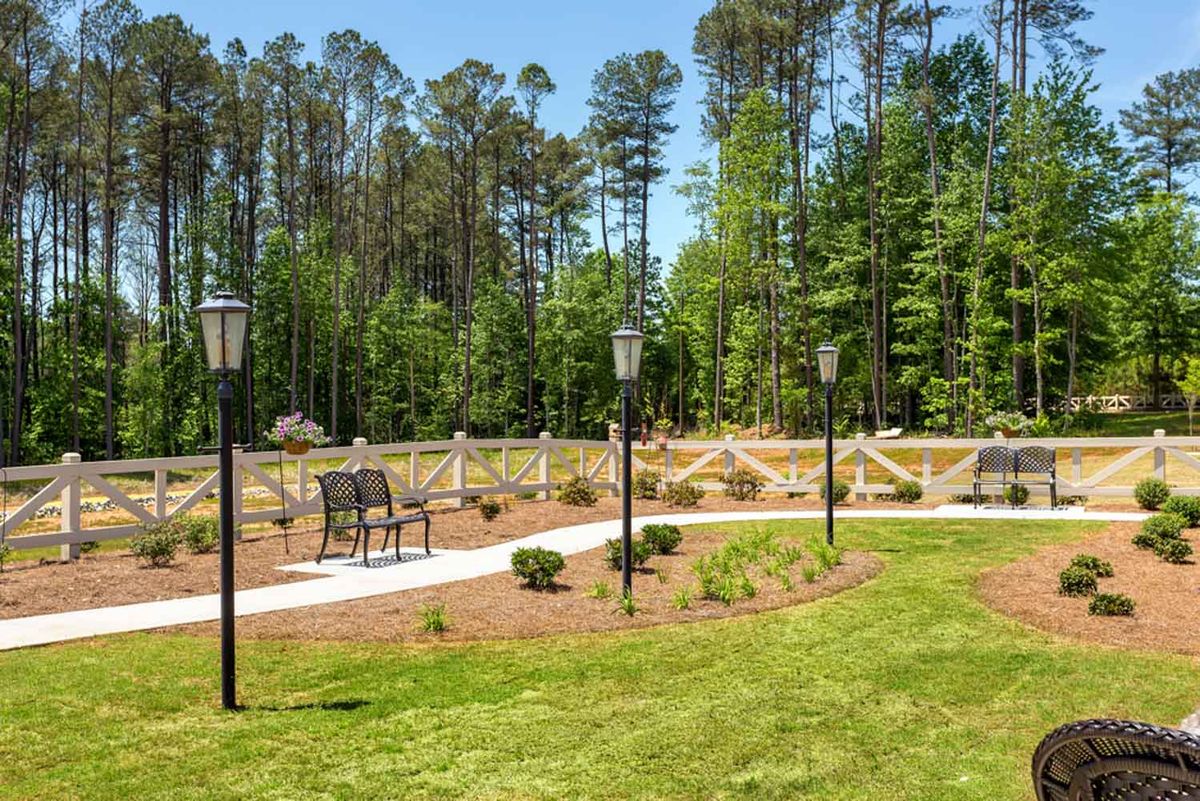
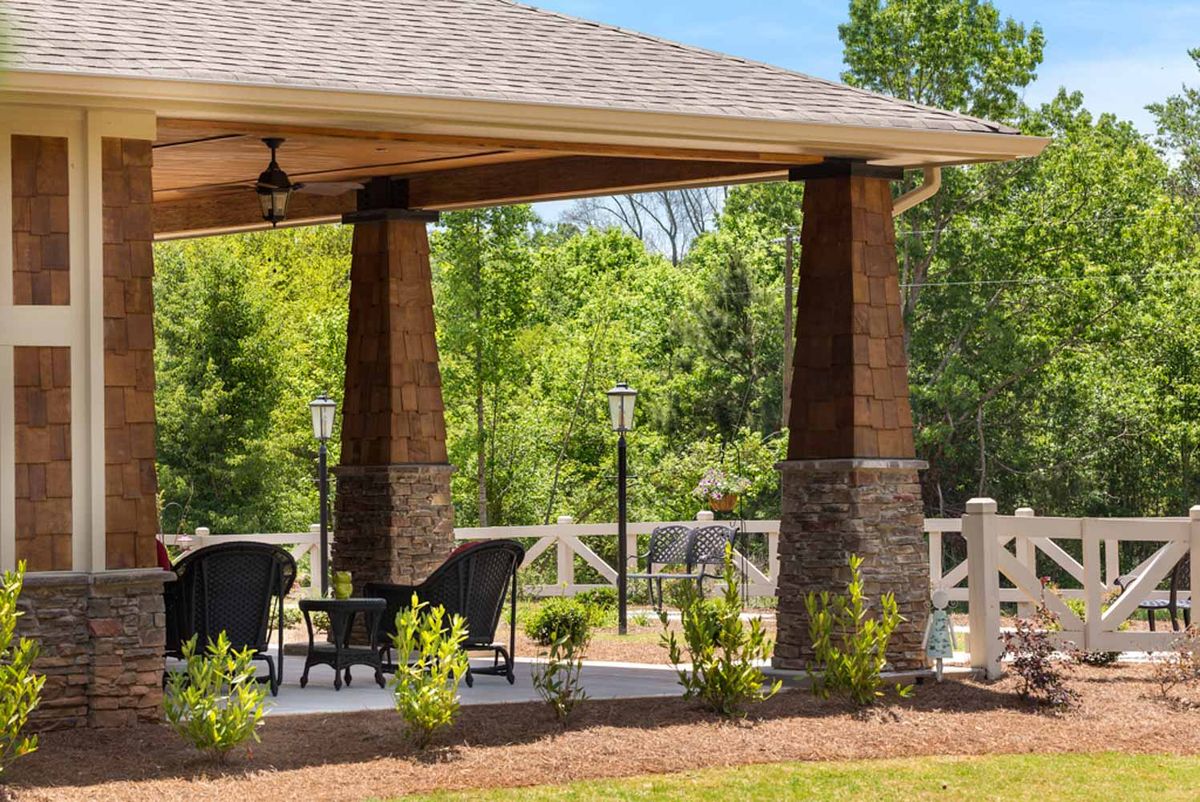
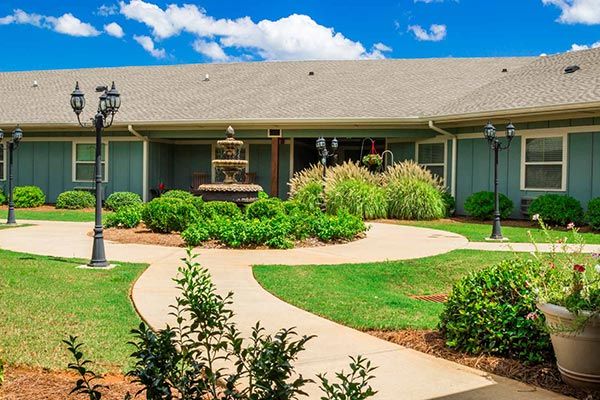
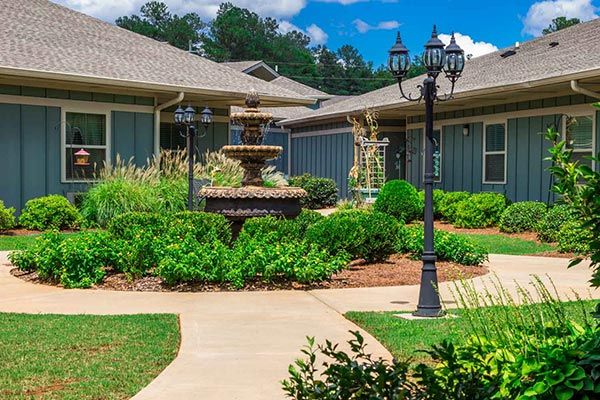
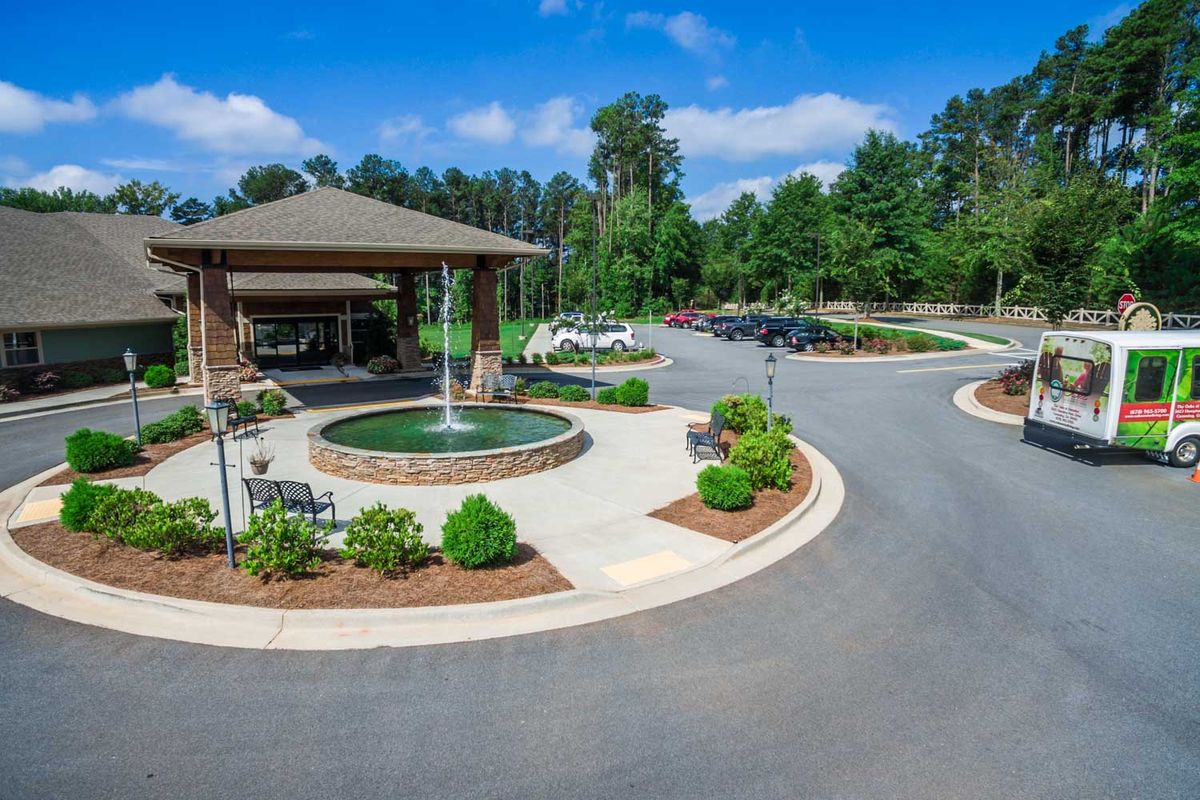
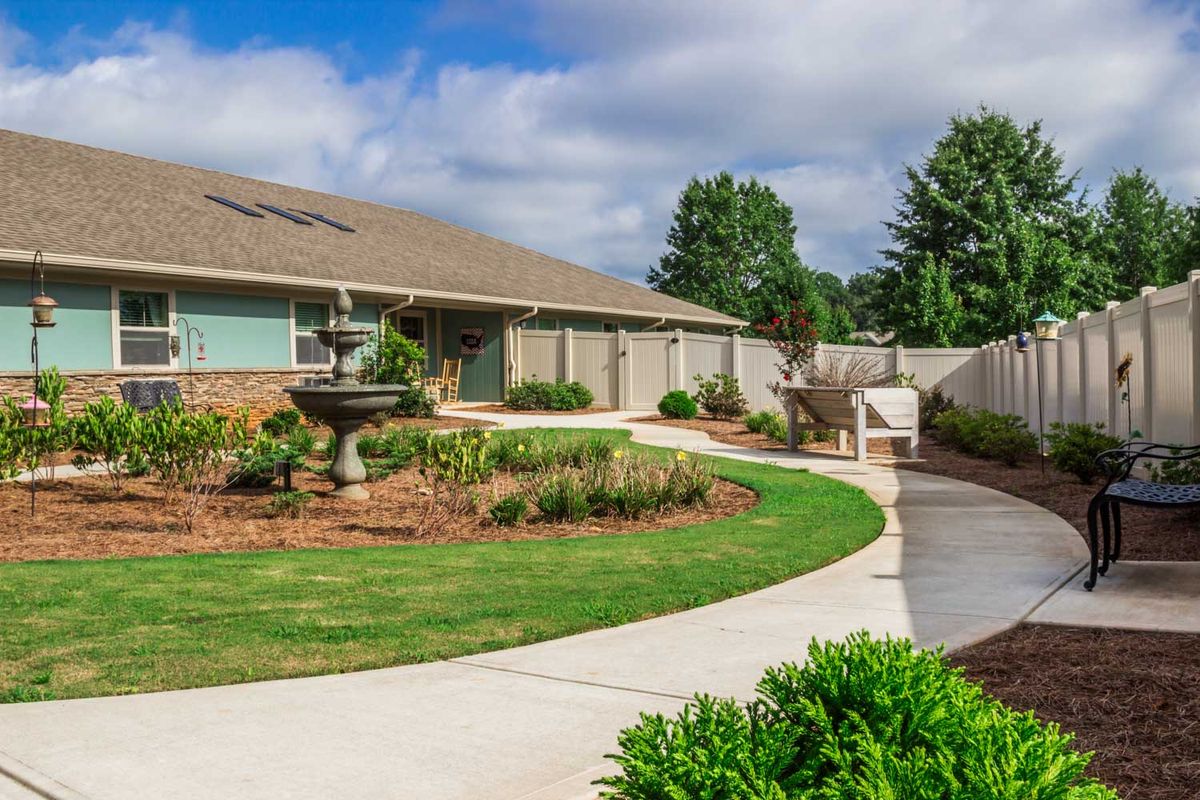
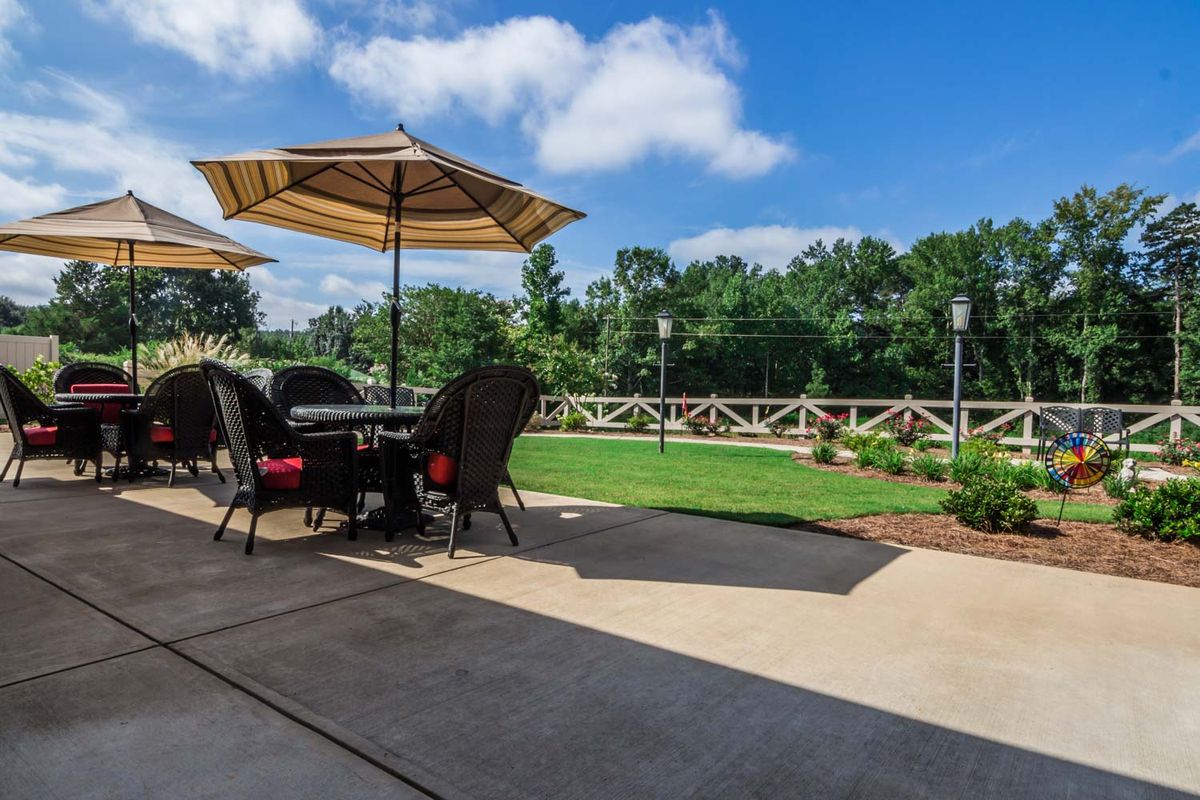
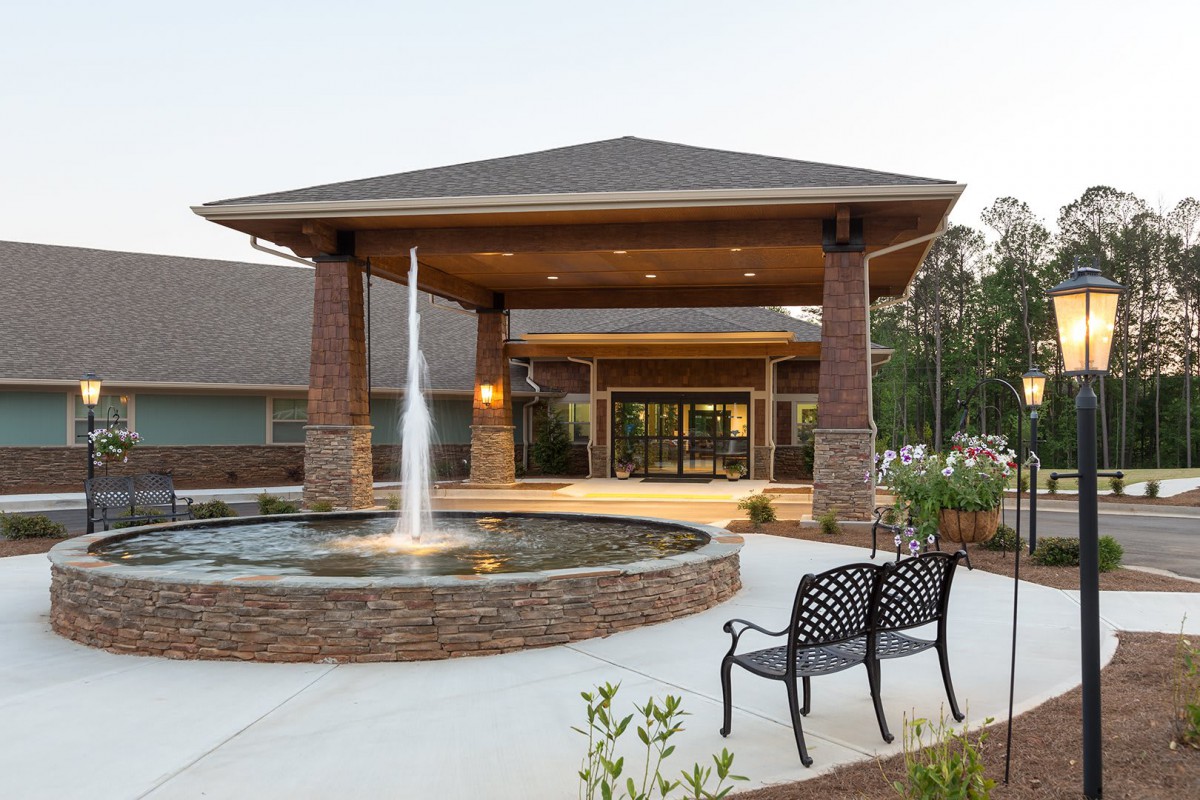
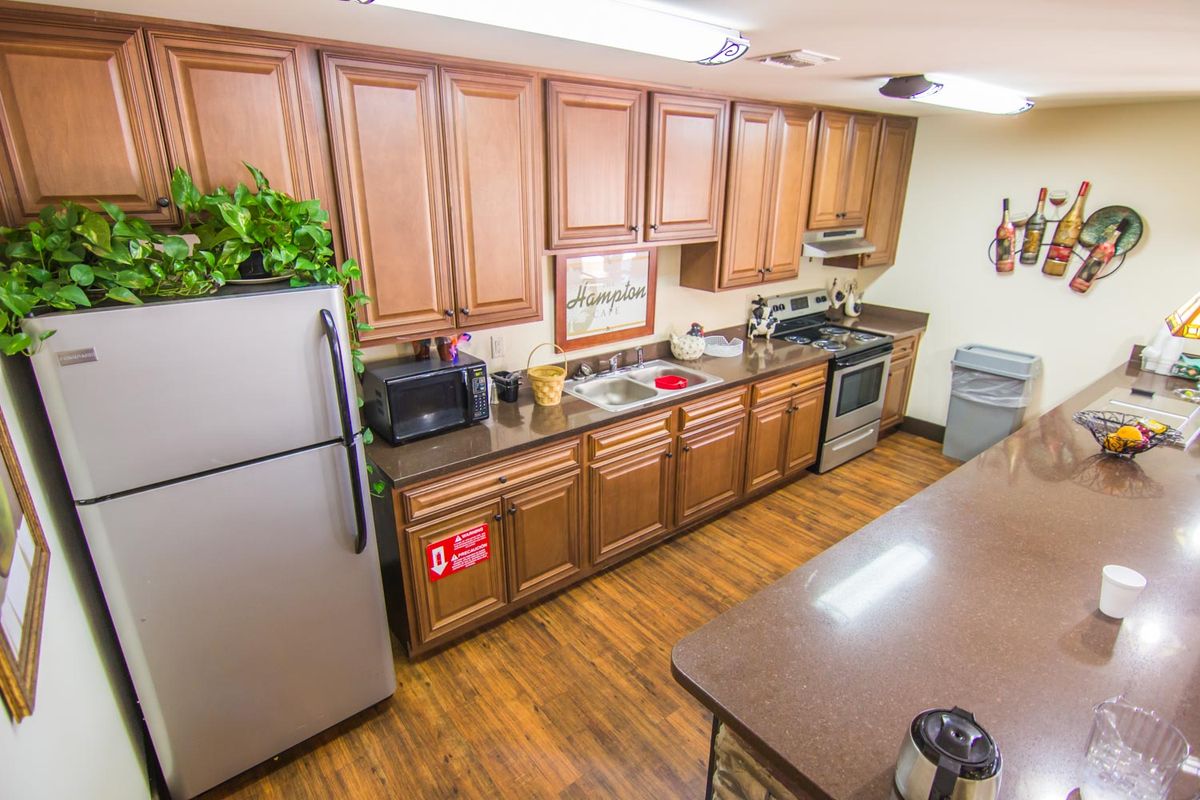
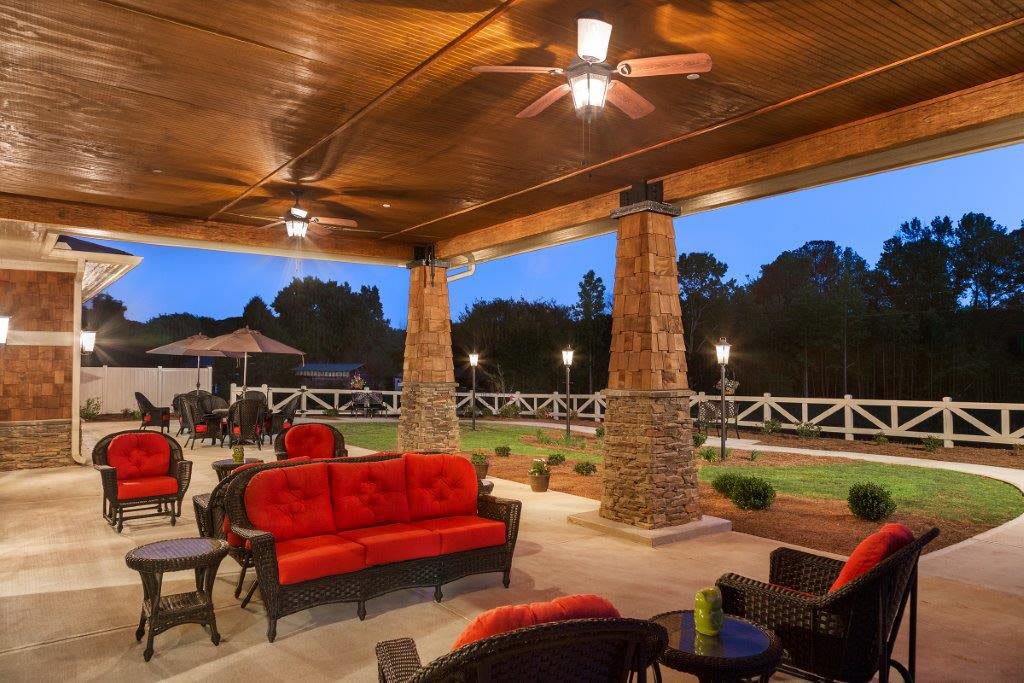
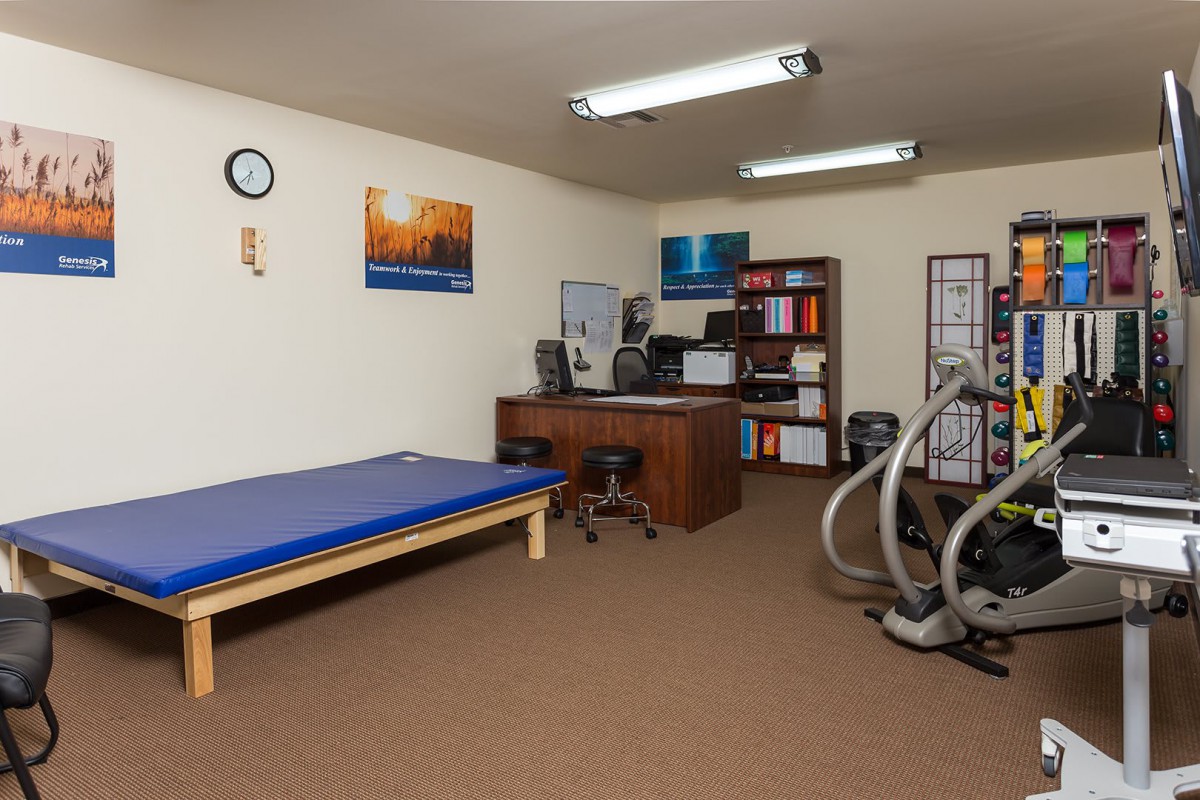
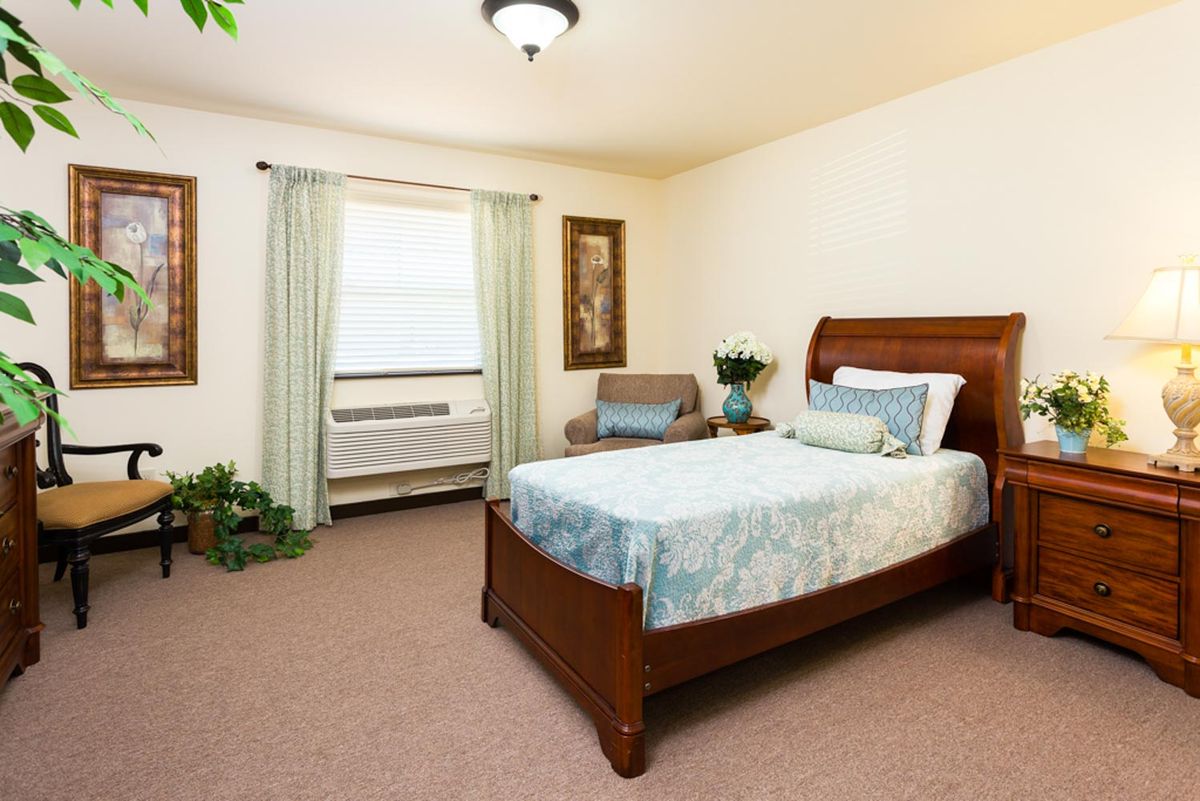
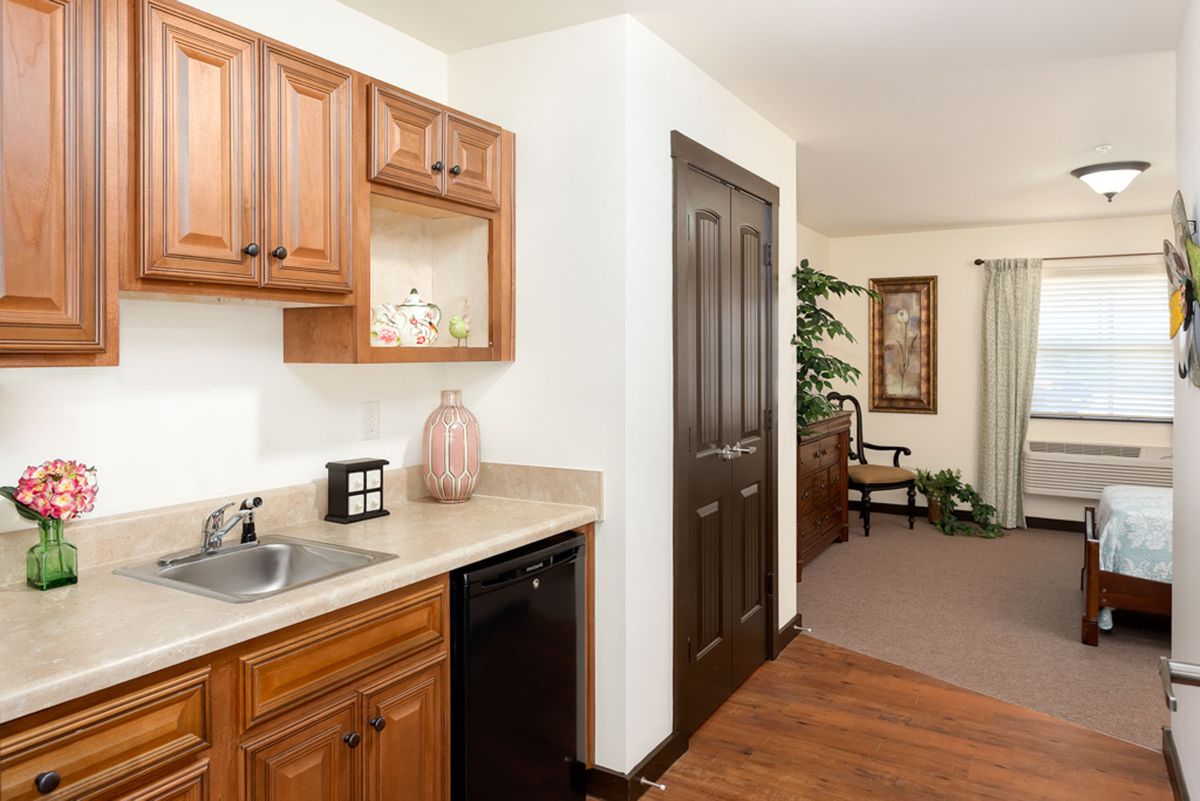
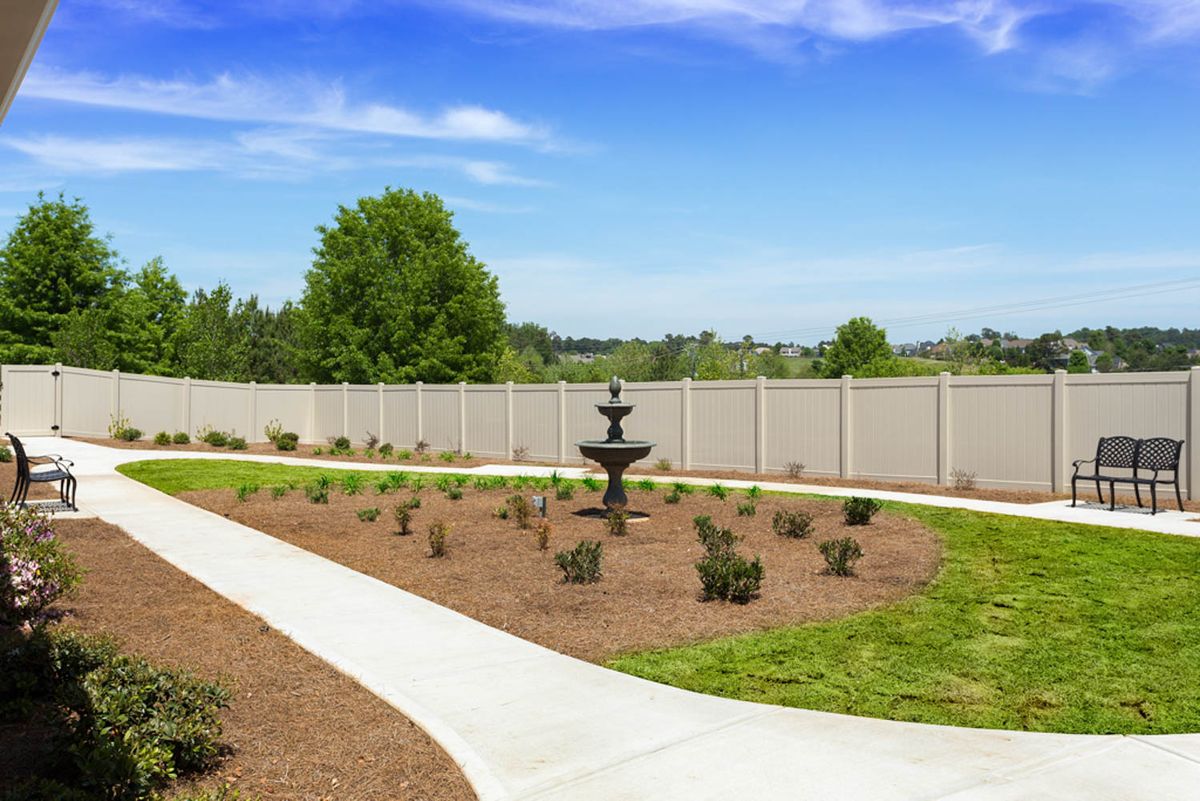
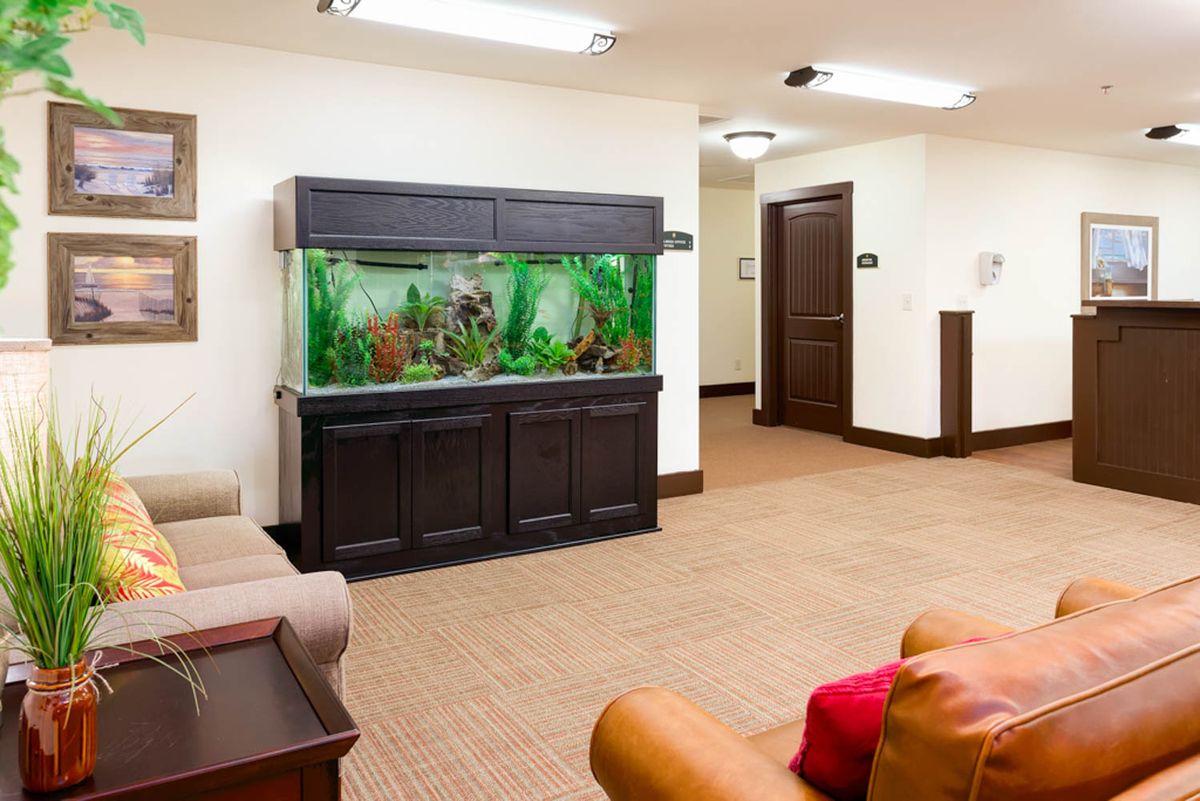
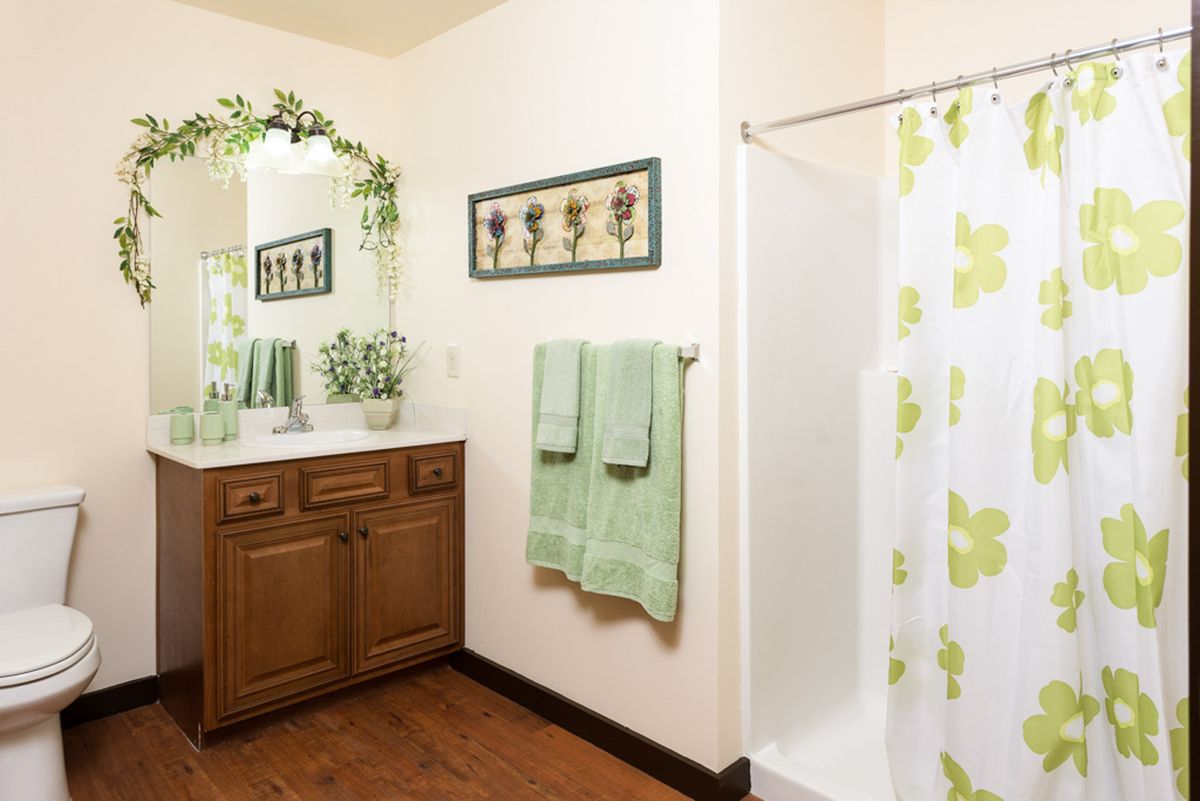
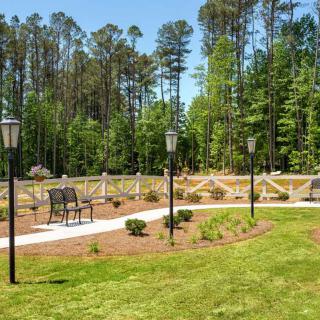
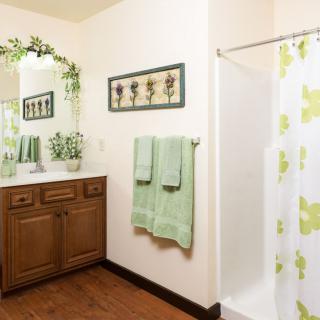
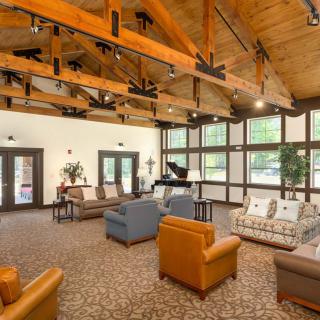
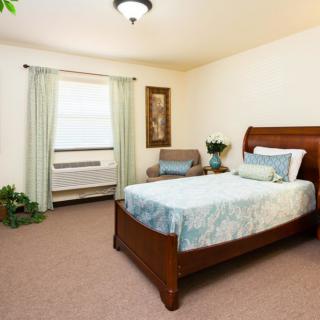
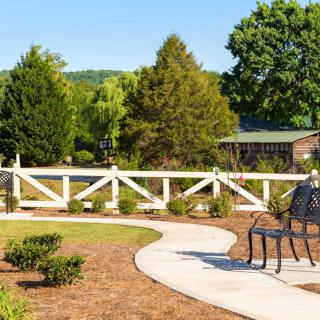
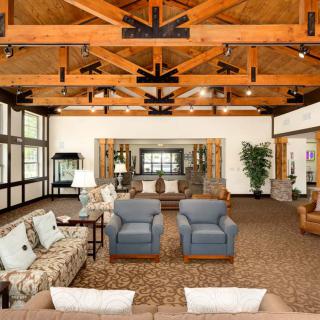
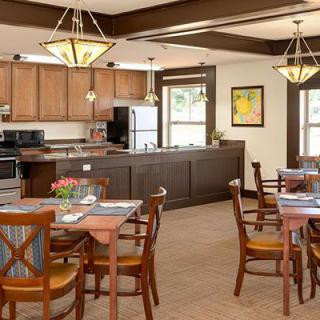
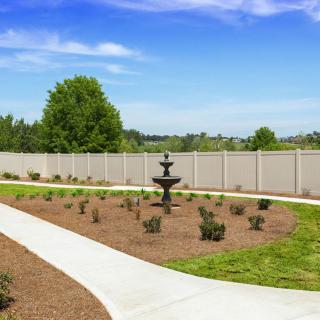
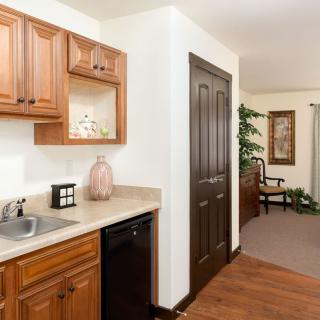
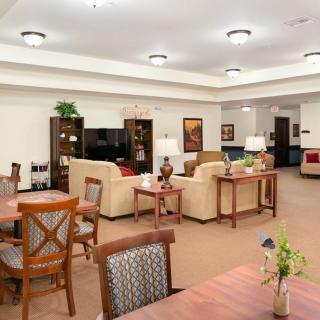
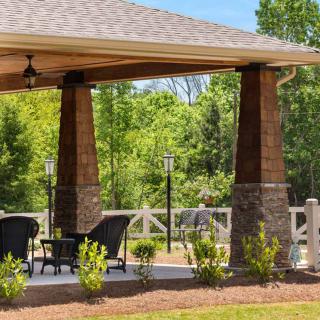
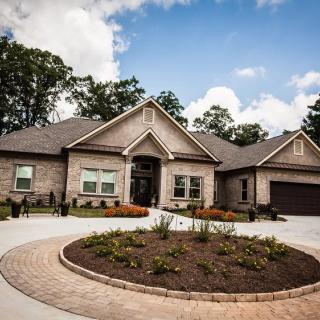
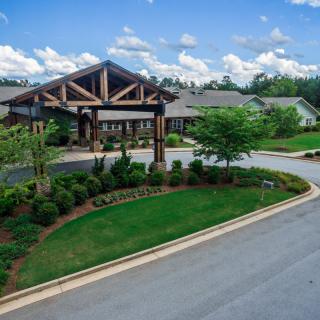
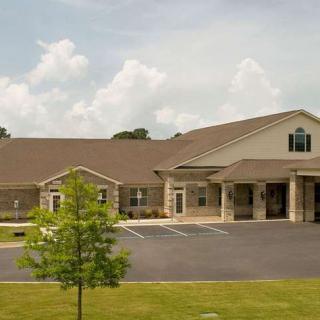
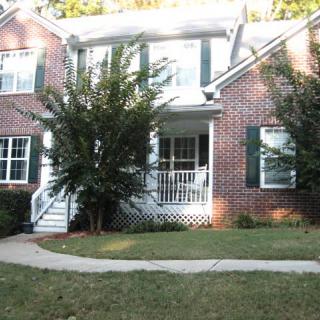
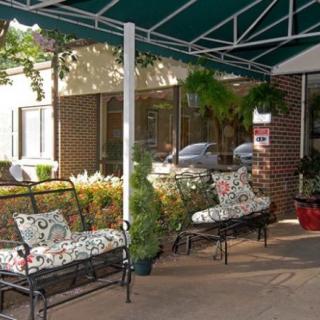
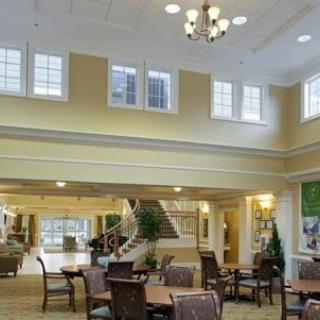
Oaks at Hampton on seniors.fyi includes 45 photos including images showing interior, decor, landscaping, floor plan, dining, living room, garden, outdoor, and more.
Nearby Communities
Oaks at Gracemont
Cumming, GA
4.2 from 73 reviews
$3,200 to $3,500 / month
Friendly, professional staff; clean, attractive surroundings; good sense of community and compassionate care.
Gracemont Senior Living
Cumming, GA
4.4 from 45 reviews
$4,635 to $6,025 / month
Comprehensive care options with restaurant-style dining and extensive amenities.
The Villas at Willow Lake
Cumming, GA
3.5 from 6 reviews
$3,150 / month
Affordable option with robust on-site amenities.
Gracemont
Cumming, GA
4.5 from 52 reviews
$7,000 / month
Extensive on-site amenities and services for independent living (dining, wellness, transportation, beauty salon, fitness, library).
Bella's Cottage
Cumming, GA
1 from 2 reviews
$1,600 to $2,200 / month
Competitive pricing with memory-care focus and robust on-site/off-site activities.
Piedmont Corners
Cumming, GA
Small, intimate community with personalized care, dietary accommodations, and convenient access to nearby pharmacies, physicians, parks, and other amenities.
Chestnut Ridge Nursing & Rehab Center
Cumming, GA
4.4 from 119 reviews
Attentive nurses and effective rehab in a clean, spacious setting.
Medicaid coverage for assisted living varies by state and is primarily available to low-income individuals, with eligibility dependent on strict income and asset limits. Some states offer HCBS waivers for specific services in assisted living, but families must generally cover room and board costs, and should verify facility acceptance of Medicaid while considering potential waiting lists.
Medicaid waivers for assisted living services provide vital support for seniors and individuals with disabilities in need of long-term care, with varying state-specific eligibility criteria and benefits. These waivers cover personal care and case management but often do not fully cover room and board, leading to waiting lists for many applicants.
The article compares assisted living and skilled nursing facilities, detailing their differing levels of assistance, medical support, cost structures, and day-to-day experiences. It emphasizes that assisted living is for those needing help with daily activities while maintaining independence, whereas skilled nursing facilities provide intensive medical care with 24-hour staff supervision.
Get PricingAsk A QuestionSchedule A TourContact Senior Advisor
By clicking submit, you agree to our Partner's Terms of Use. You
also consent to receive calls and texts, which may be autodialed, from our Partner. Your consent is not a condition to
using our Partner's service. Please visit our Partner's Privacy Policy for information about their privacy practices.









 52 resident community capacity
 1-bedroom apartments
 Assisted Living
 Day Program
 Memory Care
 Cats allowed
 Dogs allowed
 Air-conditioning
 Beautician on-site
 Cable or satellite TV
 Computer center
 Devotional services off-site
 Dining room
 Fitness room
 Fully furnished
 Gaming room
 Garden
 Ground floor units
 Handicap accessible
 Housekeeping services
 Indoor common areas
 Kitchenette
 Move-in coordination
 Outdoor common areas
 Private bathrooms
 Respite or short term stays offered
 Restaurant-style dining
 Small library
 Telephone
 Wellness center
 Wheelchair accessible showers
 Wi-Fi/high-speed internet available
 Community operated transportation
 12-16 hour nursing
 24-hour call system
 Ambulatory care
 Assistance with bathing
 Assistance with dressing
 Assistance with transfers
 Diabetes diet
 High acuity care
 Incontinence care
 Medication management
 Mental wellness program
 Special dietary restrictions
 Brain fitness
 Concierge services
 Day trips and outings
 Happy hour
 Karaoke
 Live dance or theater performances
 Live musical performances
 Visiting chaplain or priest
 Wine tasting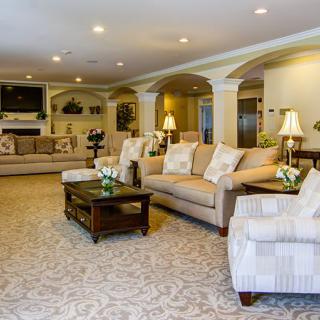
 Friendly, professional staff; clean, attractive surroundings; good sense of community and compassionate care.



 How and When Medicaid May Cover Assisted Living Costs
 A Detailed Exploration of Assisted Living Medicaid Waivers Across the United States
 Exploring the Contrasts Between Assisted Living and Skilled Nursing