
746 Rudgate Road, Columbus, GA 31904
For more information about senior living options: (866) 208-4318
Overall Review of Peaceful River - Community Living Arrangement 2
Pros
 Peaceful Rivers provides essential services, including independent living and protective care for elderly individuals and those with developmental disabilities.
- Peaceful River lives up to its name for the residents and their families; their care is exceptional and has helped weather some storms.
- It is a good place to be.
- The home is nice for the elderly and the care center; the owners have several homes in the area and all are clean and orderly.
- The mother of a resident was very well taken care of, was well-fed, and often had a song in her heart, a dance in her feet, and a smile on her face.
Cons
 There are concerns about resident safety because an employee with an open CPS case and a positive drug test remains employed at Peaceful Rivers.
- There are questions about Victoria Kyles’s mental stability and her ability to competently care for residents.
- One reviewer claims that residents are being heavily medicated and harmed, suggesting they are being killed slowly.
- The reviews express a demand for clear assurances on safety and staff competence.
Review
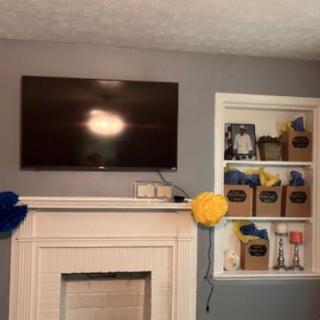
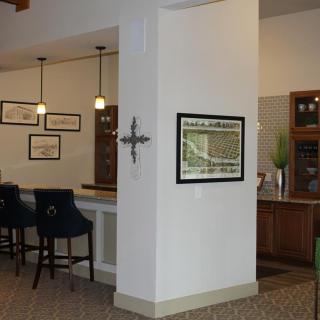
Peaceful River – Community Living Arrangement 2 in Columbus is best suited for families seeking a small, home‑like setting where an elderly loved one can enjoy independent living with light protective care. The environment is described as clean, orderly, and infused with personal attention from local owners who run multiple homes. Residents appear to benefit from a warm daily rhythm: nourishing meals, gentle routines, and a sense of community that helps keep elders engaged and connected. This arrangement suits seniors who thrive in a non‑institutional feel, where staff build ongoing relationships and respond to individual preferences in a setting that feels more like a family home than a hospital wing.
However, families prioritizing formal safety oversight and robust medical coordination should explore alternatives. The review pool includes accounts that raise serious concerns about staff safety and governance, including questions about a worker with an open case with protective services and a positive drug test. For residents with higher medical needs, or for families requiring transparent incident handling and regulatory accountability, larger licensed facilities with structured medication management and clear reporting may be a better fit. When distance or the need for immediate, around‑the‑clock medical support matters, alternatives with stronger clinical oversight deserve serious consideration.
The strongest positives here are the intimate, home‑like feel and the evident personal attention. Residents report being well cared for, with meals that feel nourishing and routines that promote a sense of normalcy and dignity. The small scale helps staff stay accessible, and caregivers often know each resident’s preferences, daily rhythms, and small joys. This fosters emotional safety and daily connection that many larger operations struggle to sustain. Those advantages, while meaningful, cannot fully compensate for governance and safety questions if organizational oversight and staffing stability are uncertain.
Raising red flags, several reviews urge caution about safety and oversight. One account notes concerns about a staff member tied to protective services and a positive drug test, along with questions about the person’s coherence and ability to participate safely in care. Another message suggests distress about possible overmedication. These are not trivial claims, and they push families to demand transparency, verified background checks, strict medication administration policies, and a clearly articulated plan for addressing any future incidents. The credibility of the care experience hinges on timely, credible responses to such concerns from management and licensing authorities alike.
Actionable due diligence becomes essential before deciding. Prospective residents should visit and observe interactions, and request detailed staffing ratios and qualifications. Ask for written policies on medication management, supervision, and incident reporting, and speak directly with current residents’ families to gauge consistency over time. A candid conversation with the administrator about safety concerns, along with references from other families, helps calibrate expectations. When possible, pursue a short trial stay to test responsiveness and compatibility. Verify the facility’s licensing status with the state and inquire about any enforcement history. These steps reveal whether the care environment can sustain a reliable, loving home atmosphere alongside credible safety and governance.
Bottom line: Peaceful River works best for families who prize a warm, intimate home environment and personal, attentive care for a relatively independent elder. The strengths, close relationships, a clean, orderly setting, and a comforting routine, are genuinely meaningful and appealing. Yet the serious safety and governance concerns raised in reviews cannot be dismissed; they tilt the decision toward alternatives for anyone requiring steady, formal oversight and transparent accountability. For families willing to conduct diligent verification and to weigh a cozy atmosphere against potential risk, the community remains a viable option; for others, a larger, more regulated setting with explicit medication management andStaff stability should be the default path.
 4 resident community capacity
 Assisted Living
 Cable or satellite TV
 Dining room
 Fully furnished
 Garden
 Housekeeping services
 Move-in coordination
 Outdoor space
 Telephone
 Wi-Fi/high-speed internet available
 Columbus Metropolitan (3 miles away)
 24-hour supervision
 Activities of daily living assistance
 Assistance with bathing
 Assistance with dressing
 Assistance with transfers
 Diabetes diet
 Meal preparation and service
 Medication management
 Special dietary restrictions
 Transportation arrangement (medical)
 Transportation to doctors appointments





 Understanding the True Cost of Assisted Living in 2025: A Comprehensive Guide
 Understanding Medicaid Coverage for Assisted Living: A Comprehensive Guide
 How and When Medicaid May Cover Assisted Living Costs