
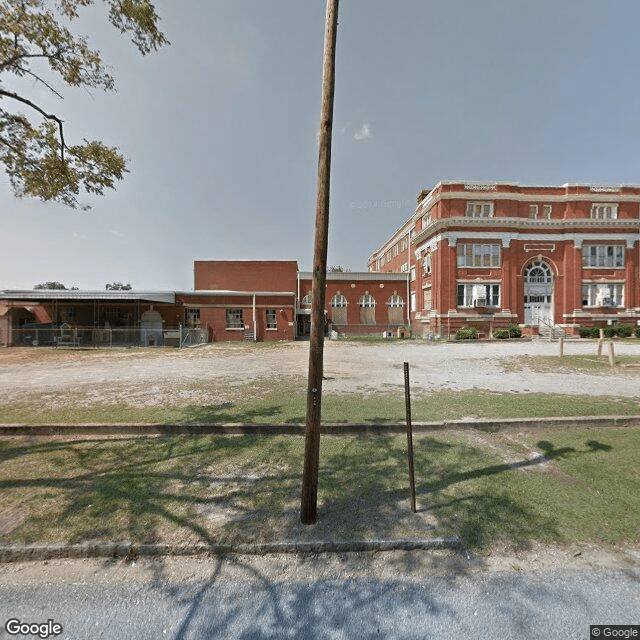
2829 Peabody Ave, Columbus, GA 31904
To contact a resident: (706) 323-0086
For more information about senior living options: (866) 208-4318
Waverly Terrace Senior Apartments Costs & Pricing
Waverly Terrace Senior Apartments offers a compelling value for seniors seeking affordable living arrangements, with monthly costs significantly lower than both the county and state averages. For a one-bedroom unit, residents pay just $501, contrasting sharply with the Muscogee County average of $3,476 and the broader Georgia state average of $3,412. Similarly, two-bedroom apartments are available at $601, well below the county's average of $3,472 and the state's higher benchmark of $3,921. These pricing structures not only make Waverly Terrace an attractive option for seniors but also reflect a commitment to providing quality housing that aligns with financial accessibility in the region.
| Floor plans | Waverly Terrace Senior Apartments | Muscogee County | Georgia |
|---|---|---|---|
| 1 Bedroom | $501 | $3,476 | $3,412 |
| 2 Bedrooms | $601 | $3,472 | $3,921 |
Senior living communities with a similar price nearby
-
About the same
Savannah Court - Smiths Station
$500 to $1,890 / month7.4 miles away
Overall Review of Waverly Terrace Senior Apartments
Pros
 Residents praise Christina Welch for treating tenants with respect and getting things done.
- The maintenance team is friendly and fixes repairs promptly.
- The garbage disposal works better than ever, and residents feel valued.
- The office staff are wonderful and hosted a January birthday party for residents.
- Management and staff have built a true sense of community; the property is spotless and repairs are addressed immediately.
- A friend of a resident loves living there and would highly recommend the place.
Cons
 The complex is described as horrible because it allows drinking, drugs, and cliques, and residents report bed bugs and want to move out.
- There are bed bugs in the apartments, and residents are always trying to get out.
Review
Waverly Terrace Senior Apartments in Columbus, GA is best suited for independent seniors who want a clean, low-maintenance home with a built-in sense of community. The property functions like a small campus where upkeep is handled on-site and maintenance requests are meant to be resolved promptly. Current leadership under Christina Welch has yielded visible improvements in operations and resident relations, with maintenance staff delivering timely fixes and a noticeable uptick in how residents are treated. For families seeking a stable, autonomous living option where daily needs are largely managed and social life is easy to cultivate, this community checks the core boxes.
Those who should consider alternatives are those who require on-site medical supervision or daily assisted living services, or who insist on a pest-free environment with an uncompromising zero-tolerance policy for social disruption. The bulk of feedback highlights strong management and a safe, orderly atmosphere, but a minority voice raises red flags about pests and social dynamics. A single bed-bug complaint paired with concerns about drinking or clique behavior suggests variability in the living culture. Prospective tenants should tour with a critical eye, request pest-control history, and talk in depth with several residents to gauge whether the climate aligns with personal expectations.
The strong pros tend to offset the main drawbacks when weighed against practical needs. Cleanliness and upkeep are repeatedly praised, and several residents point to spotless common areas and rapid repairs as standard rather than exception. The new management team is frequently credited with respectful treatment and decisive action, which translates into fewer lingering maintenance issues and a smoother daily routine. A deliberate emphasis on community-building, occasional celebrations, approachable office staff, and visible resident engagement, helps convert apartment living into a livable, low-stress experience. For someone prioritizing reliability and a friendly, responsive environment, this combination is hard to beat.
Safety and belonging emerge as notable strengths in the narrative. Residents describe a sense of security fostered by prompt issue resolution and a management culture that prioritizes resident well-being. The atmosphere is peppered with practical touches: courteous mail service, accessible maintenance, and staff who actively participate in fostering connections among neighbors. This creates a predictable rhythm for daily life and reduces the sense of isolation that can accompany independent living. Families evaluating options will appreciate the way these factors translate into fewer emergencies, less worry about upkeep, and a more cohesive, welcoming community.
The concerns cited cannot be fully dismissed, and they warrant careful verification. A highly negative review focusing on pests and disruptive social behavior underscores the importance of obtaining concrete pest-control records and evaluating building policies before committing. While this perspective appears not to be the prevailing tone, it serves as a cautionary signal to verify current pest-management practices and to assess the social climate during a tour. The reality of independent living hinges on both the physical environment and daily interpersonal dynamics; ensuring alignment on pest control, noise levels, and resident interactions is essential.
Bottom line: for independent seniors who want a well-maintained, community-oriented setting with leadership that tends to residentsā€™ needs and provides dependable maintenance, Waverly Terrace offers solid value and reliable daily life. It is less suitable for those who require continuous care on-site, demand spotless pest-free guarantees, or seek a uniformly quiet, tightly scripted social environment. Alternatives to consider include other independent-living communities with transparent pest-control histories or licensed assisted-living options for ongoing care. Prospective residents should schedule a visit, request current lease terms, review pest-management documentation, and speak with multiple residents about day-to-day life to ensure the experience truly matches expectations.
 Active Adult Communities (55+)
 Cats allowed
 Dogs allowed
 Activities on-site
 Bath tubs
 Beautician on-site
 Devotional services off-site
 Full kitchen
 Indoor common areas
 Outdoor common areas
 Wheelchair accessible showers
 Columbus Metropolitan (3 miles away)



 Home Health Care Demystified: A Comprehensive Guide for Families and Caregivers
 Seniors and Modern Transportation: Exploring Uber, Lyft, and Other Ride-Hailing Options
 Comprehensive Guide to Qualifying for Home Health Care Services