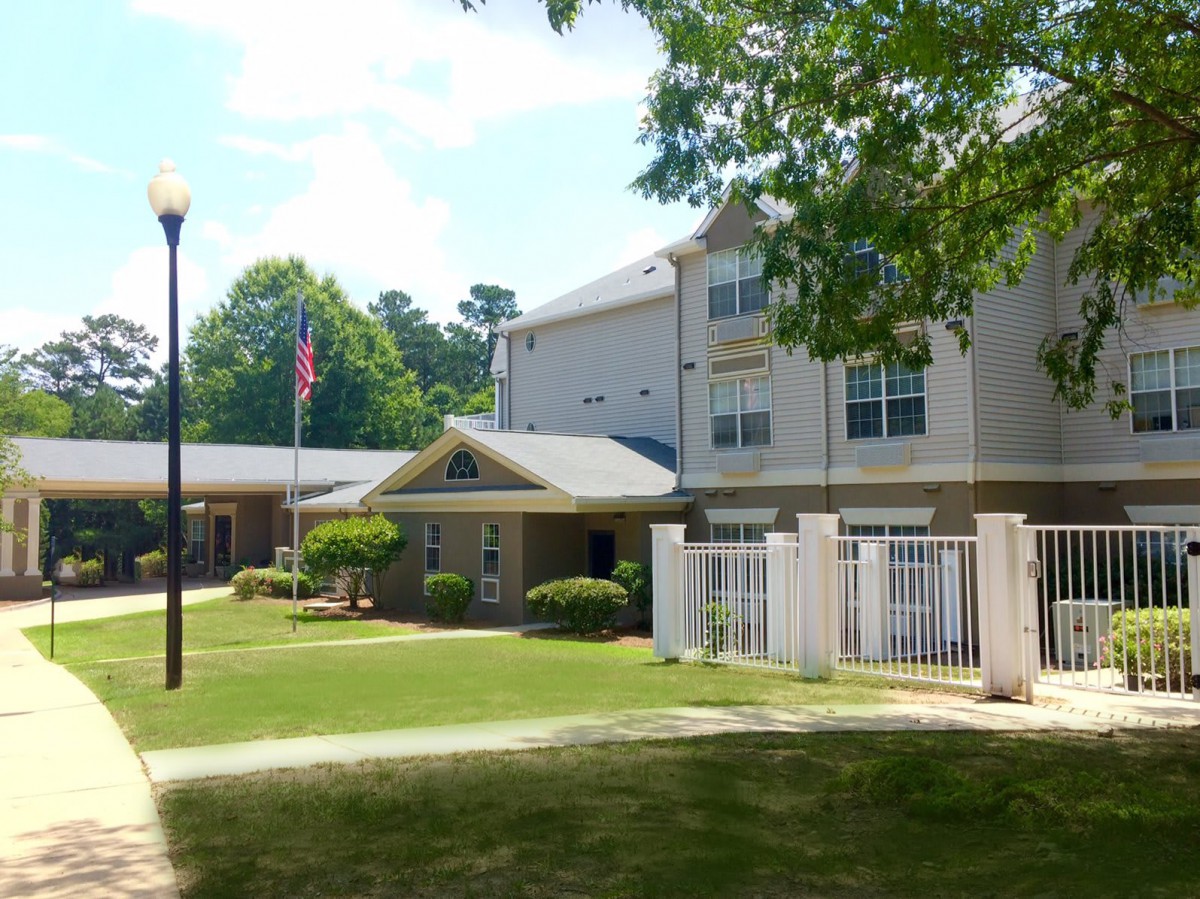

6830 River Rd, Columbus, GA 31904
To contact a resident: (706) 653-9191
For more information about senior living options: (866) 208-4318
Manor House of Columbus Costs & Pricing
At Manor House of Columbus, the cost structure for residential options is quite competitive when compared to both Muscogee County and the broader state of Georgia. For a semi-private room, residents can expect to pay $2,200 per month, which is notably lower than the county average of $2,650 and significantly below the state average of $2,529. This presents an attractive option for those seeking affordability without compromising on quality. Additionally, the studio rooms at Manor House are priced at $3,000 per month, again offering a more economical choice compared to the Muscogee County average of $3,826 and Georgia's average of $3,520. This pricing strategy positions Manor House as an appealing alternative for individuals looking for high-quality accommodations in a supportive community setting.
| Floor plans | Manor House of Columbus | Muscogee County | Georgia |
|---|---|---|---|
| Semi-Private | $2,200 | $2,650 | $2,529 |
| Studio | $3,000 | $3,826 | $3,520 |
Memory care communities with a similar price nearby
-
from +$400 / mo

Valley Park Manor
$2,600 to $4,400 / month22.3 miles away -
from -$100 / mo
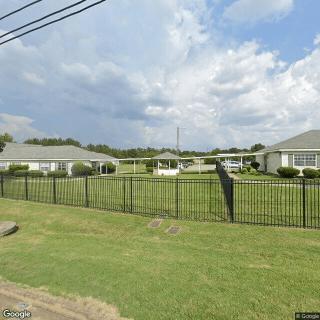
Lakewood Specialty Care Of Valley
$2,100 to $2,425 / month22.4 miles away
Overall Review of Manor House of Columbus
Pros
 The aunt is very happy being at the facility.
- The staff go out of their way to make residents feel part of the family.
- The marketing director does a great job and is there daily to ensure the facility is presented well.
- The aunt loves the food; it is well seasoned and substitutes are offered if she dislikes the main entree.
- The facility is clean with little clutter; housekeeping changes sheets weekly and handles daily trash and dusting.
- There are activities like bingo and entertainment.
- The people are friendly and nice.
Cons
 The aunt's only complaint is that they serve a bit too much.
- They would not recommend this community to anyone.
- The sister sometimes dislikes the food.
- The reviewer criticized the staff for not following the care protocol.
Review
Manor House of Columbus is best suited for seniors who value a warm, family-like staff atmosphere, accessible dining with flexibility, and modest but meaningful social programming. The property presents as a community where housekeeping and daily routines are visible, and where caregivers strive to create a sense of belonging through personal interactions. This environment can be especially appealing to families seeking genuine warmth, responsive dining options with substitutes, and routine social activity without a heavy emphasis on high-intensity programming. The clear caveat is that the safety and care oversight for residents who require fall prevention or more robust medical monitoring do not appear consistently reliable, making alternatives worth considering for higher-need cases.
On the upside, the staff dynamics stand out. Accounts repeatedly emphasize that the people are friendly and act like a close-knit group, with a marketing director actively working to present the facility well. The aunt in one review is described as genuinely happy, which speaks to a culture of personable care. Dining is a bright spot, with food described as well seasoned and adaptable when entrees arenā€™t appealing, and the facility accommodates substitutions. Cleanliness is adequate, routine housekeeping, weekly room cleaning, and daily trash removal and dusting contribute to a comfortable living environment. For families prioritizing a sense of home and social warmth, these elements translate into daily life that feels welcoming and manageable.
Yet a major safety failure shadows these positives. A fall-risk care plan existed that included dressing the resident, putting him to bed each night, using a safety device, and conducting 30-minute bed checks. The resident fell within days, sustained a serious injury, and died weeks later. The response raised red flags: the facility reported that a new caregiver had not been informed of the protocol, suggesting gaps in handoffs and accountability. Additional details, such as the resident not wearing a diaper and pajama bottoms being worn backward, point to lapses in routine safety checks. Taken together, these factors indicate that what should be standard, reliable care can unravel quickly in this setting.
The mixed messaging across reviews compounds the risk signal. While some families would recommend Manor House, others state outright they would not, citing the safety lapse and a perception of inconsistent execution. The positive notes about friendliness and routine amenities do not negate the gravity of a preventable incident or the impression that protocols may be unevenly followed. For families weighing options, this combination of welcoming day-to-day life with a credible threat to resident safety creates a risk-versus-reward calculation that leans toward caution, particularly for residents who require continuous monitoring or highly standardized care.
The key pros, compassionate staff, a homey feel, meal flexibility, and a light but usable activity slate, do deliver genuine quality of life benefits when paired with dependable safety practices. The main cons, however, revolve around inconsistent protocol adherence, flawed handoffs, and possible gaps in day-to-day preventative care. In practical terms, these risks can undermine the otherwise favorable day-to-day living experience. Unless concrete improvements are demonstrated, through staff training, transparent incident reporting, reliable bed-check documentation, and a clearly verifiable fall-prevention system, the positives cannot fully offset the potential for serious harm.
For families evaluating Manor House against other options, a disciplined due-diligence process is essential. Ask pointed questions about staff-to-resident ratios, how bed checks are recorded and audited, and what staffing coverage looks like during evenings and weekends. Seek concrete examples of how dietary substitutions are implemented and how feedback loops operate so food and activity offerings actually reflect resident preferences. Consider alternative communities with a demonstrated track record of safety-critical protocols and clear accountability for care plans. Manor House can feel like home and deliver meaningful daily life for those with lower risk and strong social needs, but for fall-prone or medically complex seniors, a safer, more consistently managed environment may prove the wiser choice.
 Assisted Living
 Memory Care
 Activities on-site
 Beautician on-site
 Devotional services off-site
 Indoor common areas
 Respite or short term stays offered
 Columbus Metropolitan (4 miles away)
 Ambulatory care
 Diabetic care
 Incontinence care
 Medication management
 Meals provided






 Understanding Dementia Behaviors: Practical Insights and Strategies for Caregivers
 When Dementia Sparks Anger and Aggression: Understanding the Connection and Ways to Cope
 Dementia Behaviors: In-Depth Understanding and Effective Coping Strategies