

867 Longstreet Road, Cochran, GA 31014
For more information about senior living options: (866) 208-4318
White Oaks Costs & Pricing
White Oaks offers a competitive pricing structure for its residents, particularly when compared to the costs associated with Twiggs County and the broader Georgia area. For those considering semi-private accommodations, White Oaks charges $1,725 per month, significantly lower than both Twiggs County at $2,163 and the state average of $2,529. Similarly, for private rooms, White Oaks' monthly rate of $1,850 stands out against Twiggs County's $2,475 and Georgia's higher average of $2,864. This favorable pricing not only makes White Oaks an attractive option for individuals seeking quality care but also reflects a commitment to affordability in a market where costs can vary widely.
| Floor plans | White Oaks | Twiggs County | Georgia |
|---|---|---|---|
| Semi-Private | $1,725 | $2,163 | $2,529 |
| Private | $1,850 | $2,475 | $2,864 |
Assisted Living communities with a similar price nearby
-
from +$175 / mo
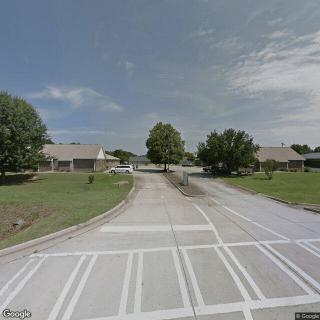
Colonial Gardens of Warner Robins
$1,900 to $2,300 / month17.4 miles away -
About the same

Southern Heritage
$1,700 to $2,500 / month19.2 miles away -
from +$175 / mo
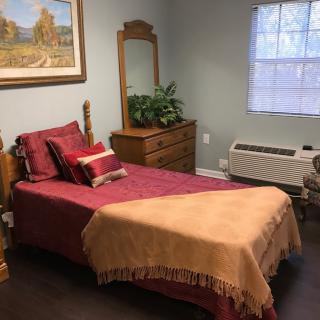
Willow Creek Centerville
$1,900 to $5,673 / month20.4 miles away -
About the same

Willow Creek Macon
$1,710 to $2,760 / month22.0 miles away -
About the same
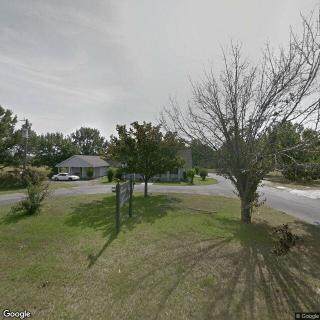
Green Meadows Personal Care
$1,725 to $1,850 / month3.7 miles away
Overall Review of White Oaks
Pros
 The facility is a wonderful place.
- All of Dad's caregivers treat him with respect and care.
- Every one of Dad's caregivers treats him like family.
- The staff emphasize that residents' home is their own.
Review
White Oaks in Cochran, GA is best suited for families seeking a genuinely home-like assisted living where every caregiver foregrounds respect and personal connection. The available testimony centers on a father whose caregivers treated him with warmth and dignity, turning daily care into a familial routine rather than a transactional affair. In practical terms, this community appears to deliver care as a relationship, not merely a service. For loved ones who value being known by name, remembered preferences, and a staff that treats residents as family, White Oaks stands out as a trustworthy choice. The tone of care described suggests a setting where emotional security and familiarity are the top priorities over procedural flash.
Who may want alternatives? Families that require higher medical acuity or more structured clinical oversight should look elsewhere. If memory care needs are substantial, if 24/7 nursing coverage, complex wound care, or specialized therapies are non-negotiable, a larger campus with deeper clinical resources may be more appropriate. Additionally, residents who thrive on a bustling activity calendar, frequent outings, and a wide range of on-site amenities may find a smaller operation limiting. In short, White Oaks appears ideal for those prioritizing intimate, compassionate caregiving; for others, the balance of care versus programs may favor another setting.
From the single-positive-review perspective, the strongest pro is the staff’s evident commitment to treating residents as individuals and as family. This kind of relational care can significantly reduce anxiety, ease transitions, and sustain dignity, especially for older adults who fear becoming invisible in a facility. The main opposing factor in decision-making is the lack of publicly documented breadth, what else does the campus offer in terms of activities, resident independence options, transportation, and ongoing medical management? The limited data means that while the caregiver culture is clearly a strength, questions remain about consistency across shifts, staff turnover, and the availability of specialized services. The pro-activity of the caregiving team, however, tends to offset these unknowns by delivering dependable day-to-day warmth.
Practically, the care dynamic translates into predictable routines built on respect and familiarity. Families can expect that staff know residents’ histories, preferences, and communication styles, which reduces confrontations and miscommunication. This is not a generic benefit; it directly lowers relocation stress and helps maintain dignity in daily living tasks. When caregivers are described as treating loved ones like family, that manifests as near-constant rapport, quick responsiveness, and a sense that the resident's home is respected. The trade-off is that programs may feel narrower and less frenetic than larger communities, which can be fine for residents who prefer steadiness and quieter days, but may frustrate those seeking constant social stimulation or rapid access to diverse services.
For families evaluating White Oaks, a practical visit plan is essential. Probe caregiver staffing levels and turnover, observe interactions between staff and residents, and request to meet the team on different shifts. Confirm what services are included in the base rate and what costs accrue for memory care, specialized therapies, or transportation. Ask about care planning processes, medication management, emergency response times, and how family members are kept informed. Tour dining rooms and kitchens to gauge meal quality, and assess whether there is a robust calendar of activities aligned with the resident’s interests. Finally, compare overall monthly costs to nearby options to ensure long-term affordability.
In the end, White Oaks appears well-suited for families who prize a warm, respectful caregiving culture and a home-like atmosphere. The single review shows care that can deliver meaningful daily well-being and emotional support. If the priority is intimate, person-centered care and a sense that staff truly treats residents as beloved family members, White Oaks delivers. If needs include heavy clinical oversight, expansive programming, or specialized memory care, alternatives should be considered and visited for contrast. The prudent choice is to add White Oaks to the short list, schedule a tour, and test that the emotionally anchored care translates into consistent daily experience over time.
 15 resident community capacity
 Assisted Living
 Board and Care Home
 Cable or satellite TV
 Dining room
 Fully furnished
 Garden
 Housekeeping services
 Move-in coordination
 Outdoor space
 Private
 Telephone
 Wi-Fi/high-speed internet available
 Middle Georgia Regional (21 miles away)
 24-hour supervision
 Activities of daily living assistance
 Assistance with bathing
 Assistance with dressing
 Assistance with transfers
 Diabetes diet
 Diabetic care
 Meal preparation and service
 Medication management
 Special dietary restrictions
 Transportation arrangement (medical)
 Transportation to doctors appointments




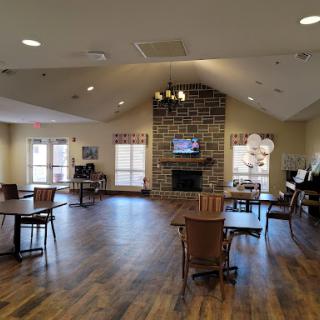


 How and When Medicaid May Cover Assisted Living Costs
 A Detailed Exploration of Assisted Living Medicaid Waivers Across the United States
 Comprehensive Residential Support and Assisted Living Solutions for Individuals with Disabilities