

568 Ga Highway 26E, Cochran, GA 31014
For more information about senior living options: (866) 208-4318
Overall Review of Royal Care
Pros
 They moved their aunt there and she absolutely loves it.
- They’re getting her out and about again.
- She has her own bathroom, unlike at the other facility.
- They would rate it 10/10 and recommend it for a loved one.
- The people there are very nice.
Review
Royal Care in Cochran, GA stands out for seniors who want to stay active and treated like individuals rather than a generic resident. The strongest signal from current impressions is that this community suits a loved one who values independence, enjoys social engagement, and benefits from having a private bathroom in their living space. A move that previously left a family worried about isolation or stifling routines appears to have shifted dramatically for at least one aunt, who is now out and about again and experiencing a more comfortable, home-like environment. For families seeking a warm, personable setting where staff appear genuinely attentive, Royal Care presents a compelling fit.
Those weighing alternatives should consider residents whose needs go beyond assisted living’s typical scope. If a loved one requires high-acuity medical supervision, complex wound care, or robust memory-care specialization, the Cochran market may demand a facility with more intensive clinical support or a broader dementia program. The reference to the “only other AFL in Cochran” hints that options can be limited in size and scope; a family facing significant medical or cognitive needs may want to compare what other communities offer in terms of nursing coverage, emergency response, and structured cognitive-enhancement programming. In short, Royal Care likely works best when care needs are stable and social, mobility-focused, and privacy-driven care plan align with an active day schedule.
On the plus side, the most persuasive pros are tangible and meaningful. Private bathrooms in each unit remove one familiar source of tension from everyday life, and that privacy matters to both residents and families. The ability to “get out and about again” signals a program that prioritizes mobility, outings, and purposeful activity, elements that keep seniors engaged, reduce feelings of confinement, and support overall well-being. The warmth of the staff, described as “very nice people”, adds reliability to daily routines, making transitions smoother for new enrollees and reassuring for families seeking consistent, compassionate care. When such factors line up, they create a durable foundation for a satisfying senior living experience.
However, certain practical gaps warrant careful scrutiny. The available feedback is light on operational specifics: details about staffing ratios, nursing presence, menu quality, and the breadth of activities beyond the most visible outings remain unstated. The small number of reviews also means the picture could shift with changes in leadership, caregiving staff, or the resident mix. Prospective residents should verify how the facility handles medication administration, incident reporting, and emergency procedures, and should request current resident references to gauge day-to-day consistency. For memory-care considerations or highly specialized needs, families should confirm whether any dedicated memory-care programming exists and how it is integrated with general assisted living services.
That said, the strengths present in Royal Care have a natural way of offsetting these potential drawbacks for the right resident. A private bathroom, an active schedule, and a friendly, approachable staff create a virtuous circle: privacy and dignity support comfort, which in turn fosters willingness to participate in activities and outings, reinforcing social connections and cognitive engagement. If a loved one’s current challenge is less about medical complexity and more about stagnation, boredom, or feeling boxed in, these elements can deliver meaningful improvements in daily happiness and overall satisfaction. The risk lies in underestimating the level of medical support or dementia care required over time; when needs rise, the existing advantages may not fully compensate and could necessitate a transition.
For families that want a practical path forward, the recommendation is clear: schedule a tour, ask to meet direct caregivers and the administrator, and probe how private bathrooms are configured and maintained, what respite and activity options exist, and how family members stay involved in care planning. Seek a candid outline of the care continuum, what happens if medical needs intensify, how often care plans are reviewed, and what contingency arrangements are in place for staffing or emergency coverage. Compare Royal Care to the nearby AFL option not far away to understand what each values most, privacy and activity versus broader medical support, and align those strengths with the loved one’s current and near-term needs. In the Cochran market, Royal Care represents a thoughtful, hands-on choice for seniors who want to reclaim daily vitality and personal space, with the caveat that future medical or dementia needs should be validated upfront to avoid surprise transitions.
 18 resident community capacity
 Assisted Living
 Board and Care Home
 Activities on-site
 Cable or satellite TV
 Devotional services off-site
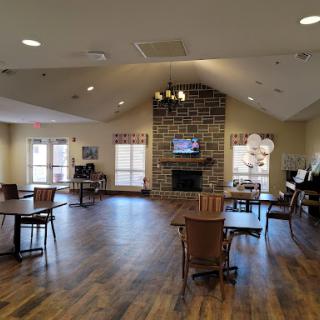
 Dining room
 Fully furnished
 Garden
 Housekeeping services
 Indoor common areas
 Move-in coordination
 Outdoor space
 Telephone
 Wi-Fi/high-speed internet available
 24-hour supervision
 Ambulatory care
 Assistance with bathing
 Assistance with dressing
 Assistance with transfers
 Diabetes diet
 Diabetic care
 Meal preparation and service
 Medication management
 Special dietary restrictions
 Transportation arrangement (medical)
 Transportation to doctors appointments






 Vibrant Senior Living: A Comprehensive Guide for Active Older Adults
 When to Transition from Assisted Living to Memory Care: Key Indicators, Steps, and Finding the Right Community
 Assisted Living and Memory Care: Understanding Their Core Differences