The Canopy at Warner Robins

Save

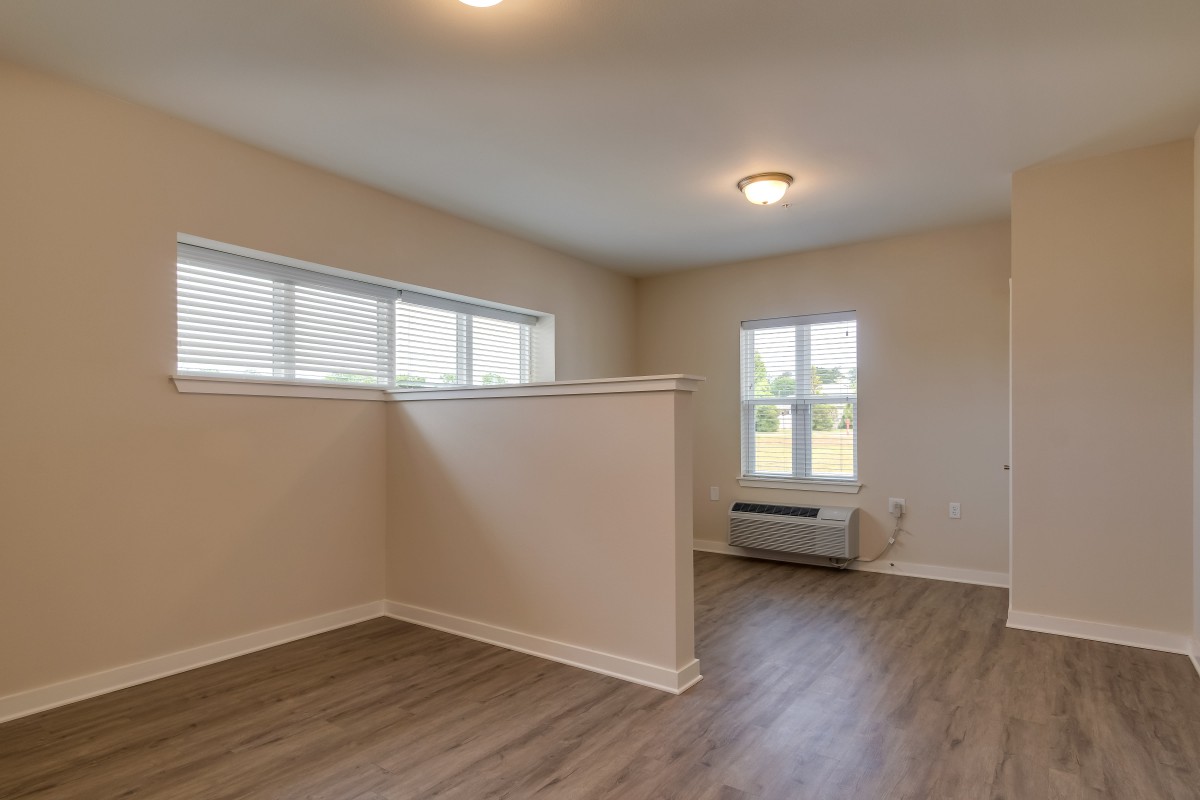
  • Interior

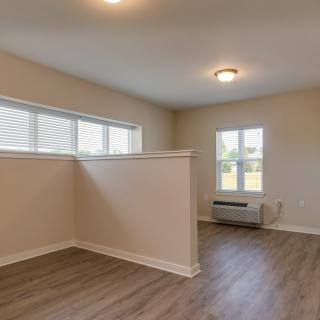
    A modern, minimalist room with wood flooring and ample natural light from multiple windows.
  • Decor

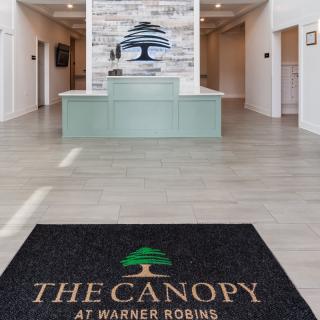
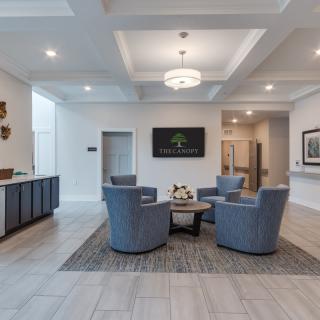
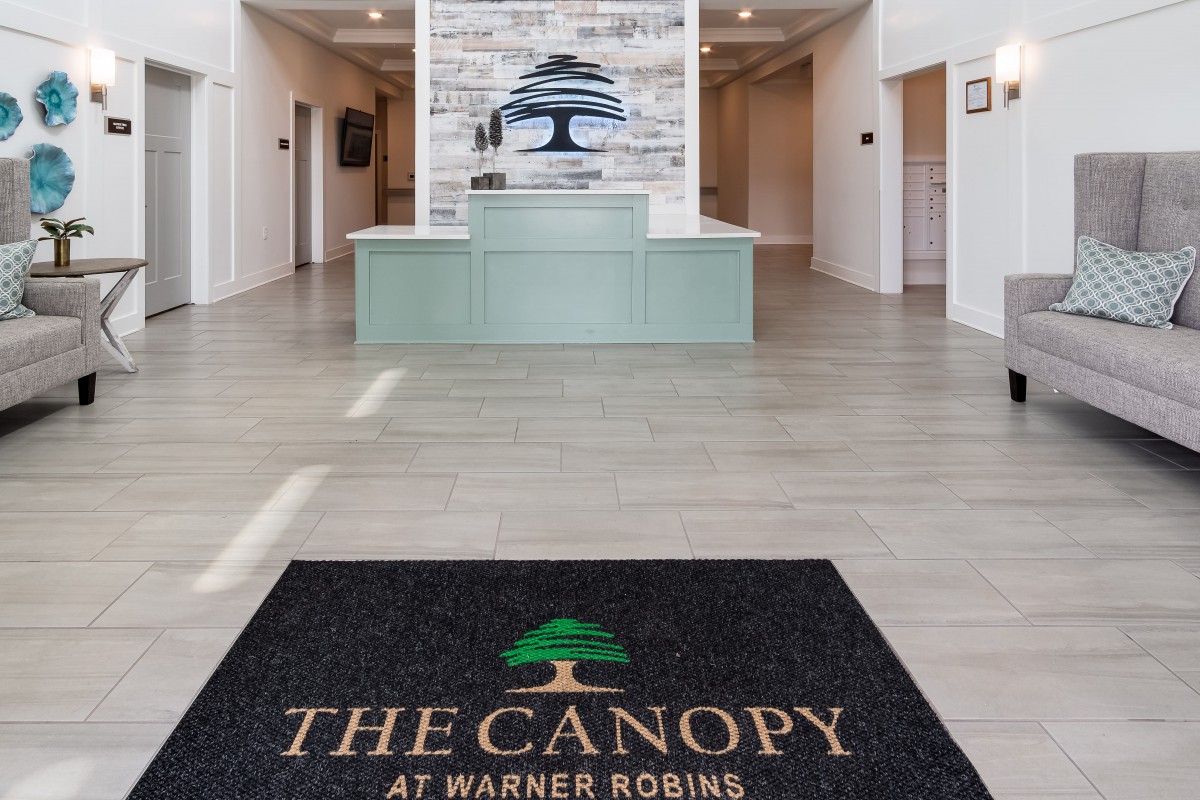
    A modern lobby with a welcome mat featuring the logo 'The Canopy at Warner Robins'.
  • Living Room

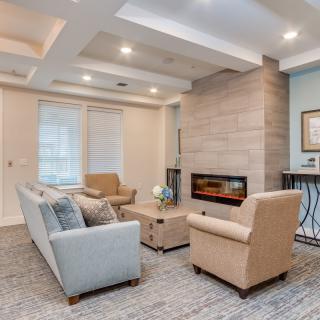
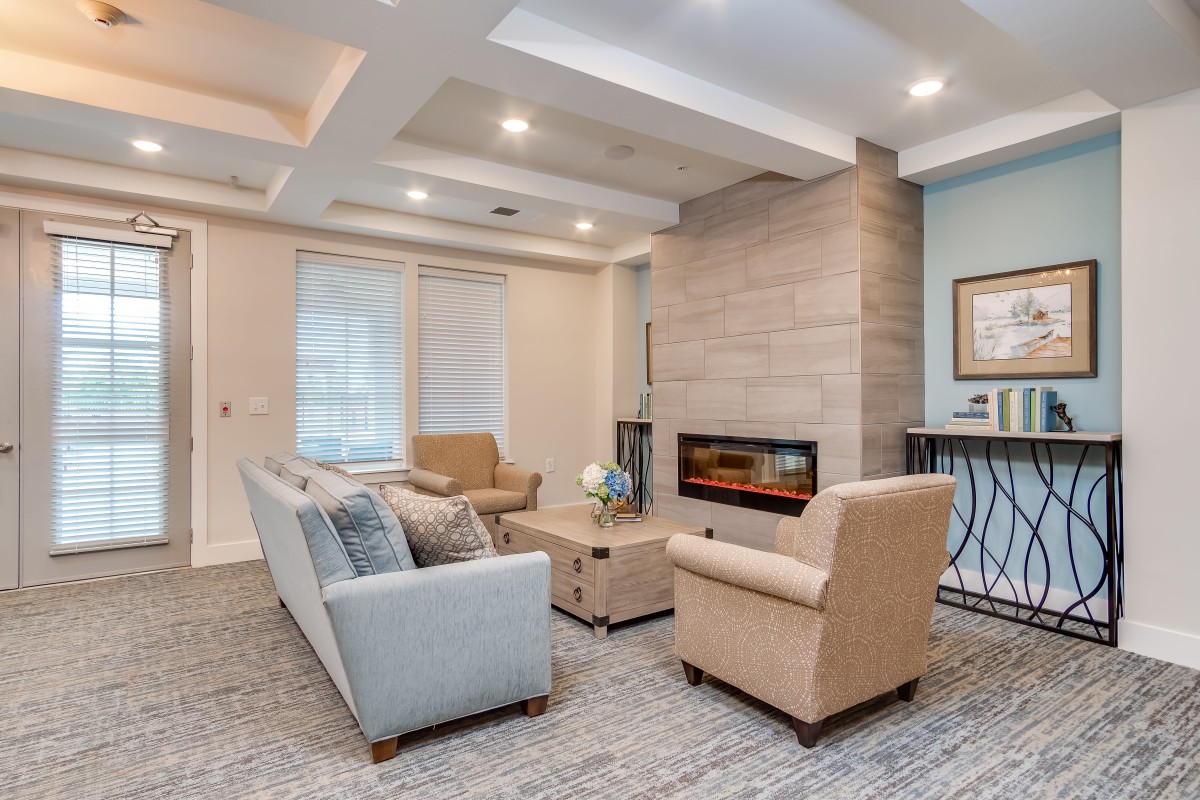
    A modern living room with comfortable seating and a fireplace.
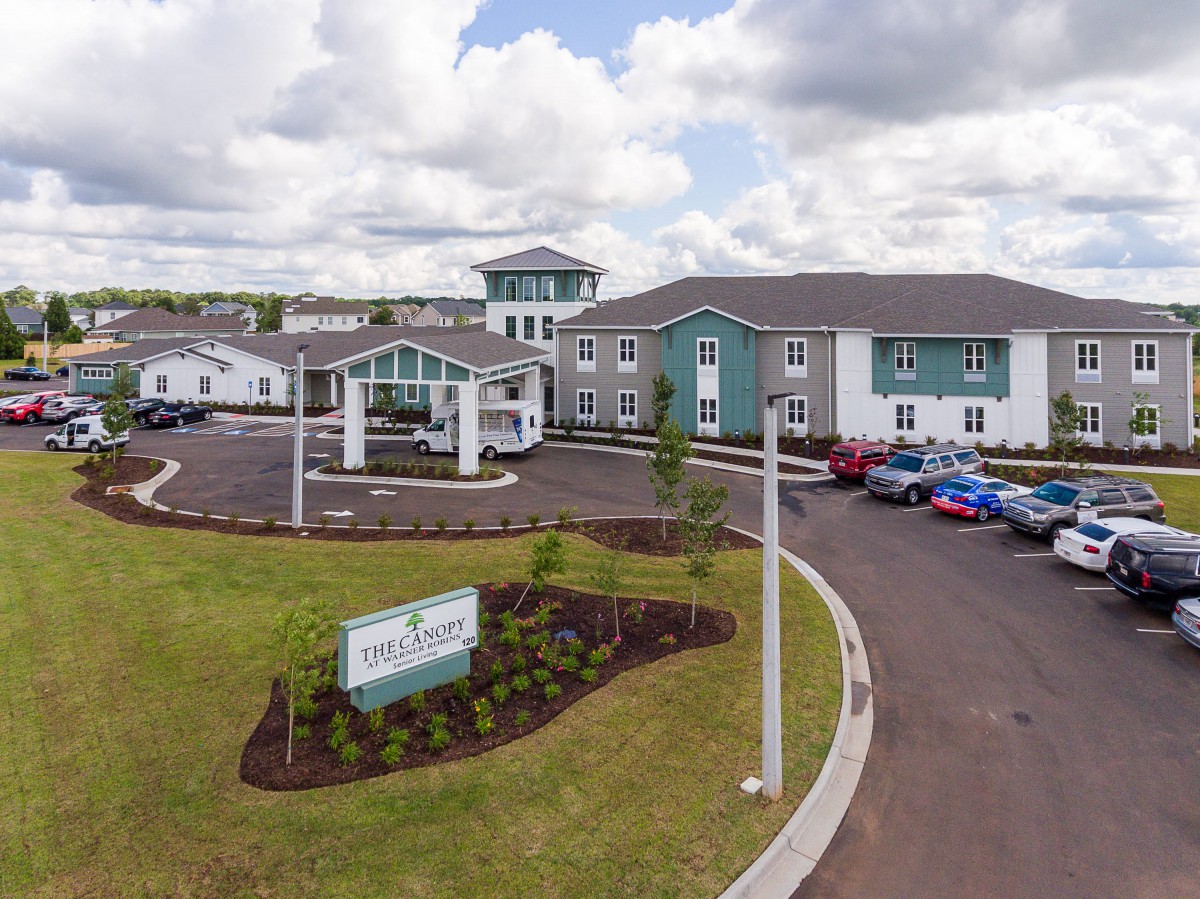
  • Building

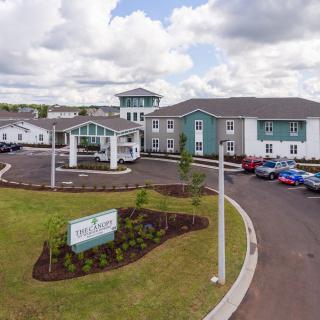
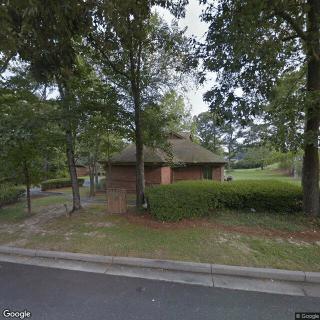
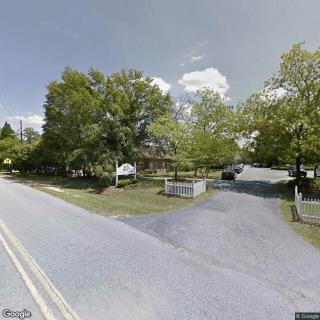
    A modern hotel with a spacious parking lot, surrounded by well-maintained landscaping under a cloudy sky.
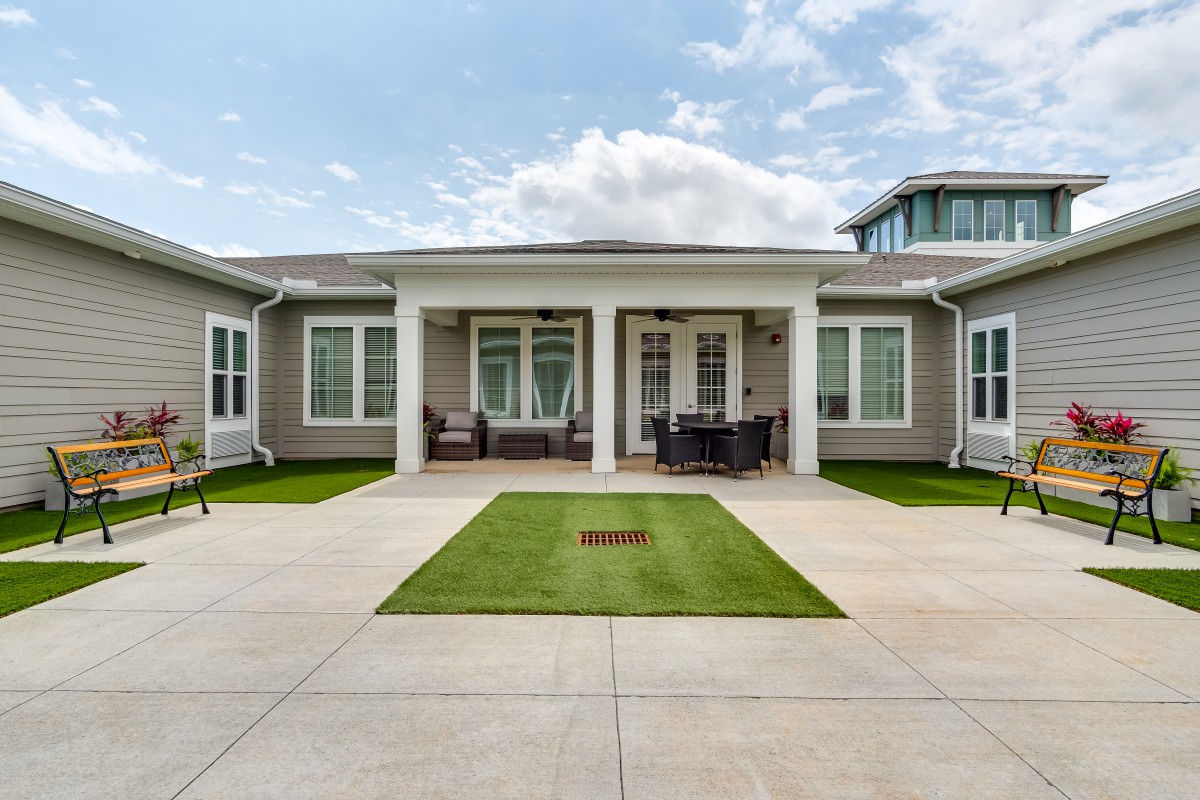
  • Architecture

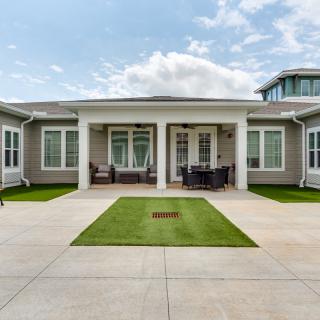
    A modern house with a spacious courtyard and thoughtful landscaping.
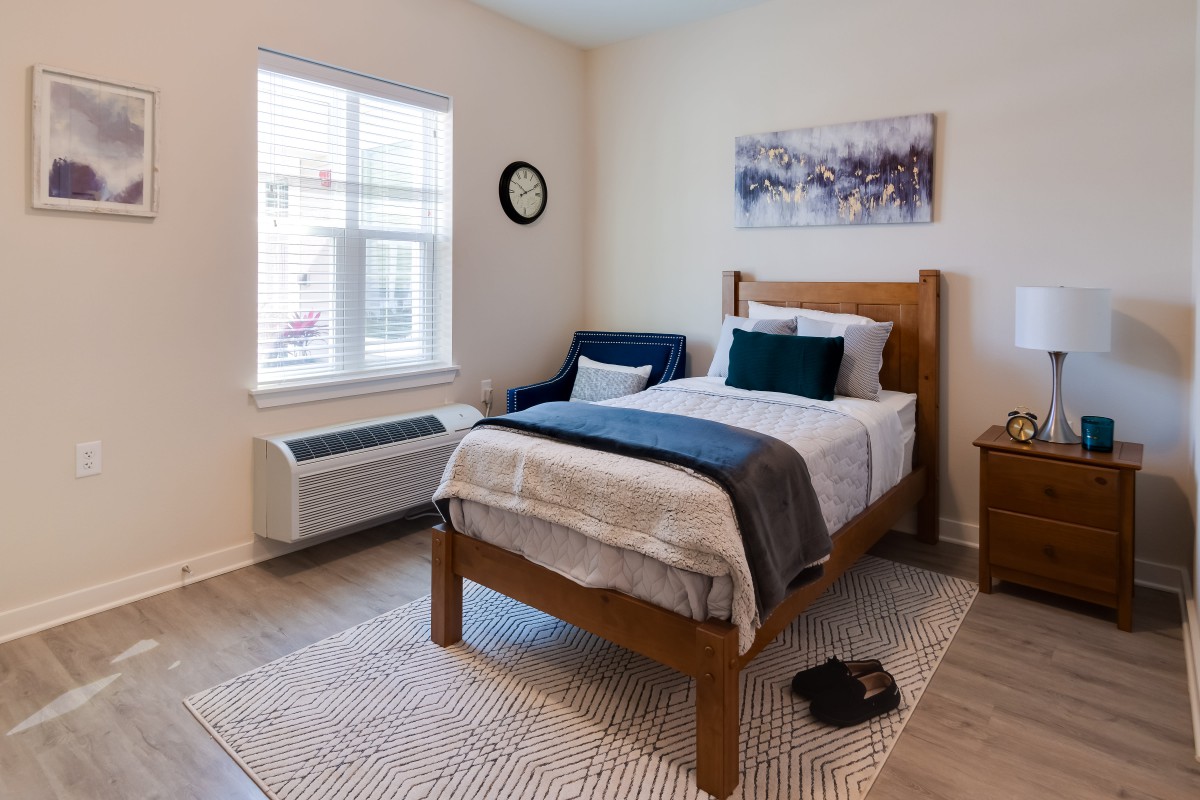
  • Bedroom

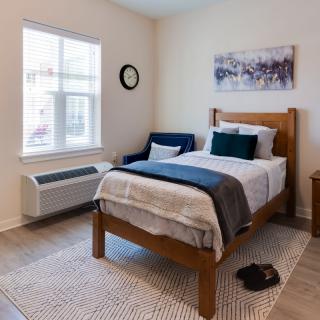
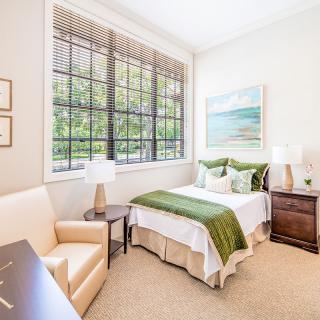
    A cozy minimalist bedroom with a single bed, armchair, and natural light from the window.
  • Windows

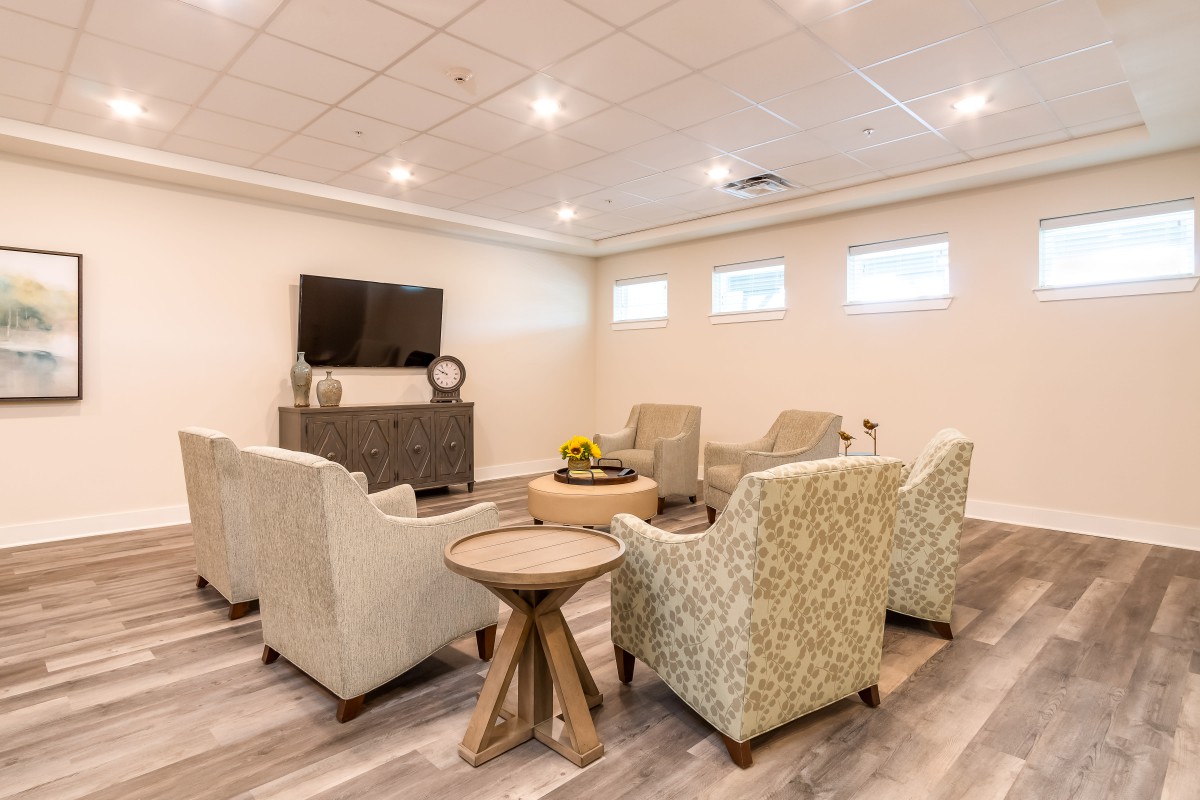
    A modern living room with comfortable seating, a television, and stylish decor.
  • Dining

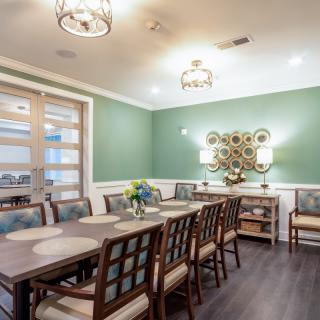
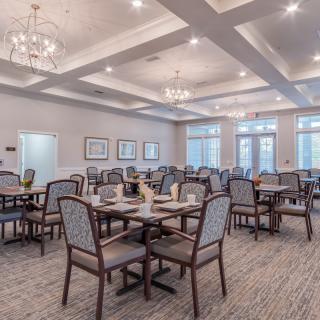
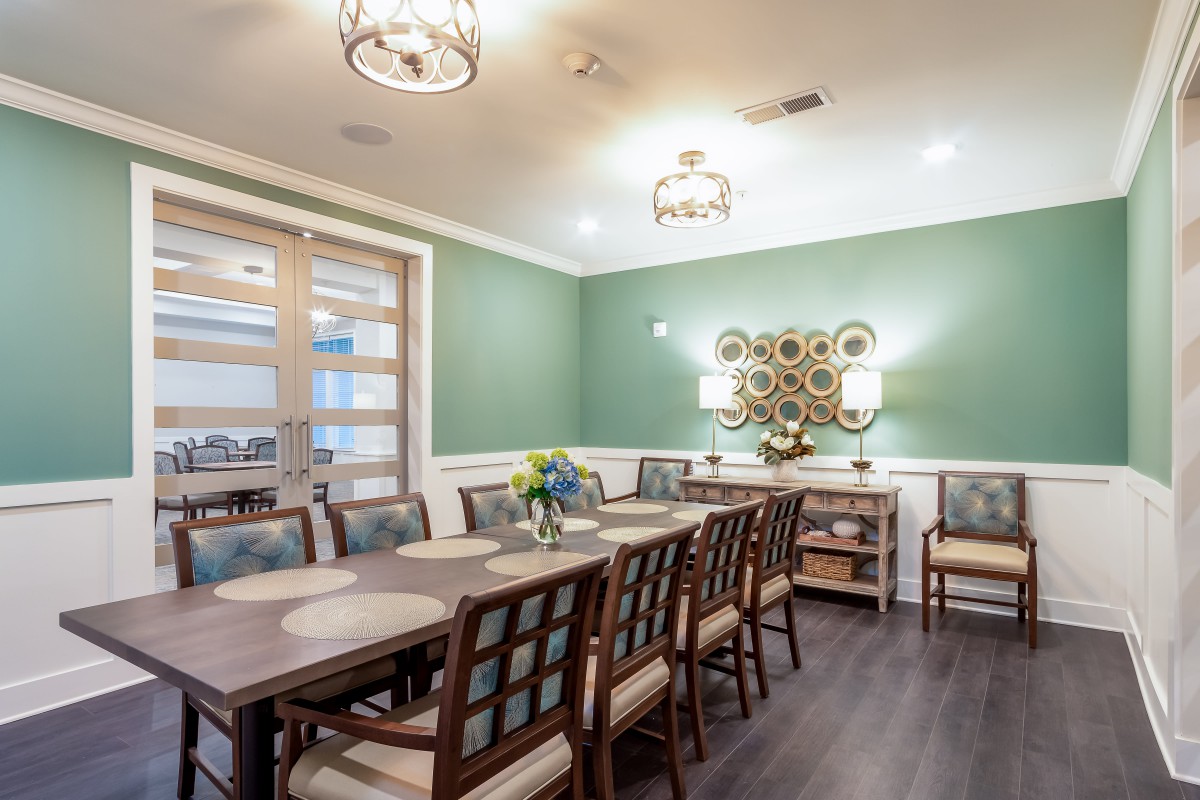
    A modern dining room with elegant furniture and sophisticated lighting.
  • Landscaping

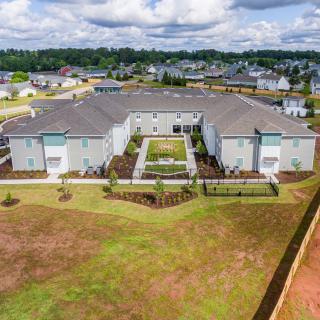
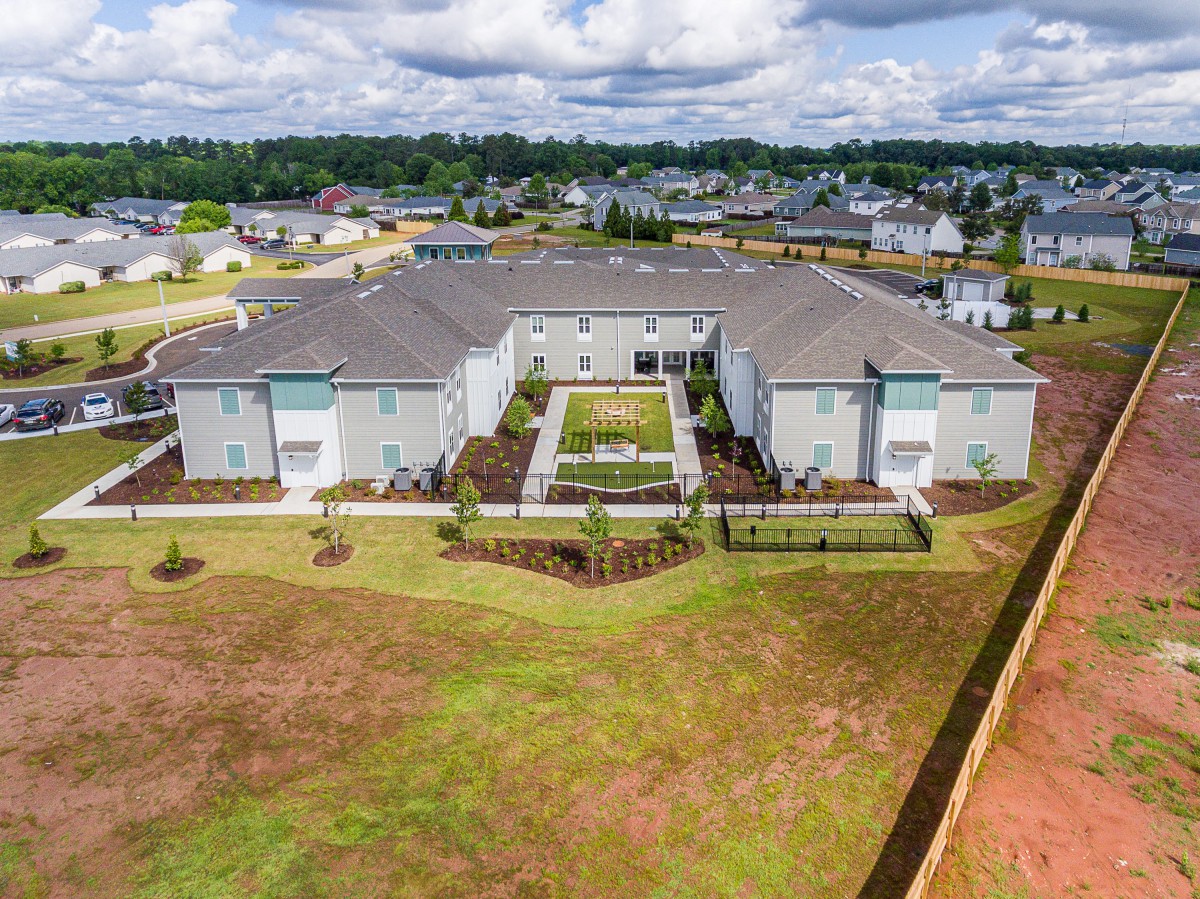
    Aerial view of a suburban residential building surrounded by green spaces.
  • Kitchen

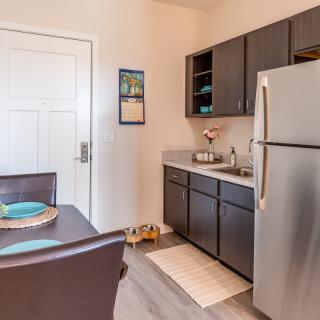
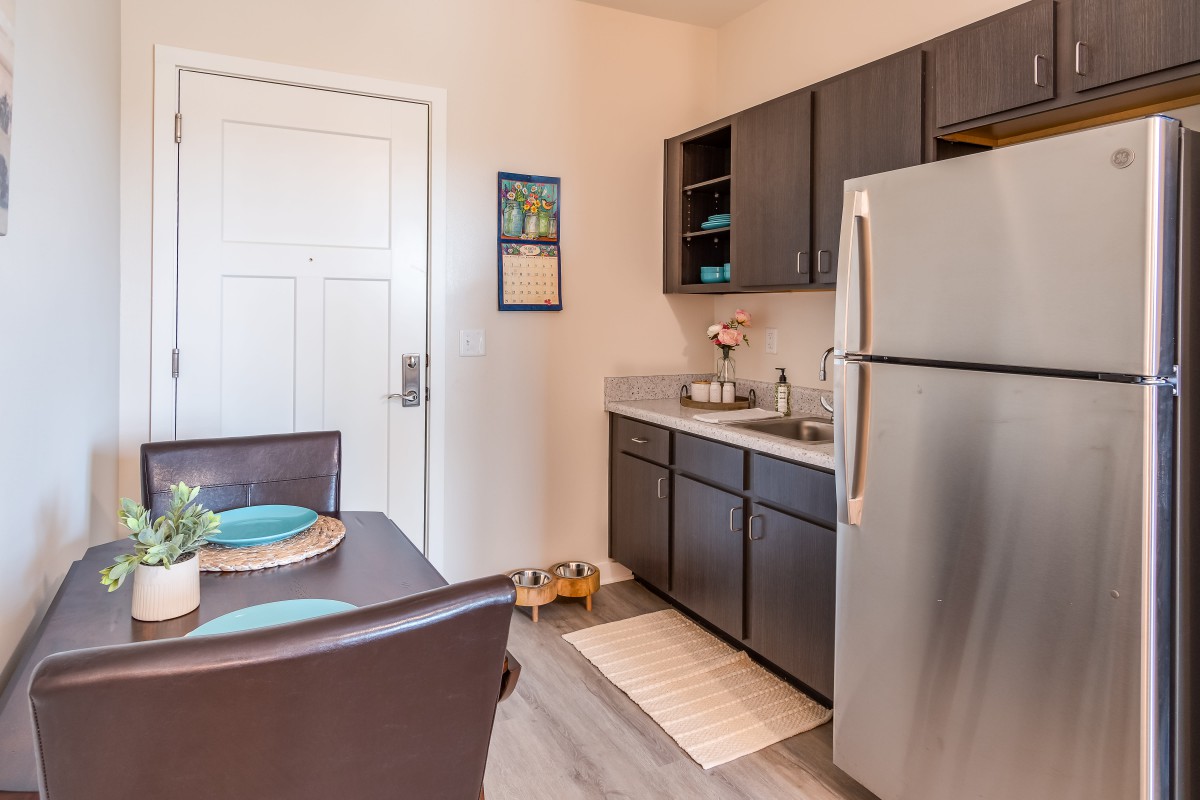
    A modern apartment kitchen with a dining area featuring dark cabinets and stainless steel appliances.
  • Lighting

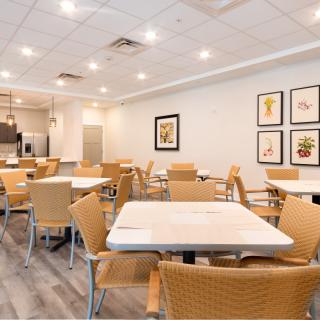
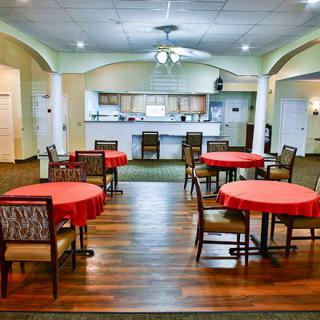
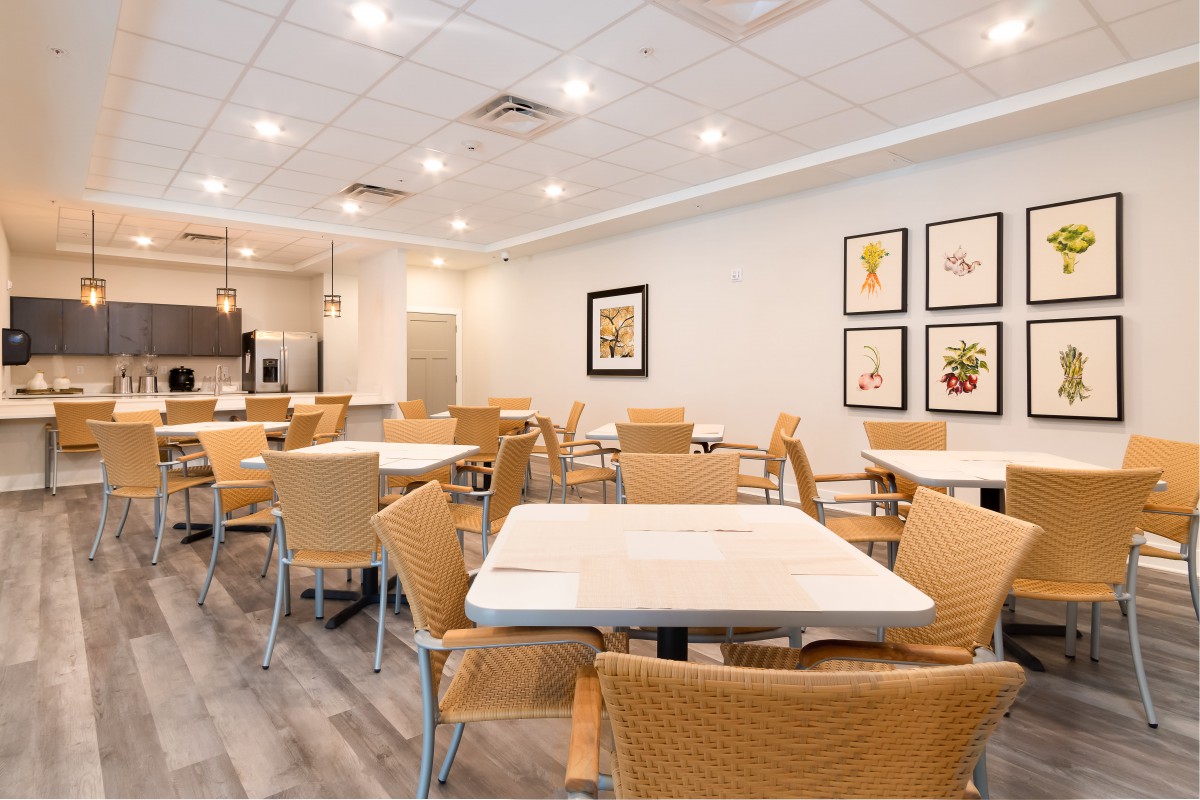
    A modern cafeteria with neatly arranged tables and chairs, bright lighting, and decorative artwork on the walls.
  • Artwork

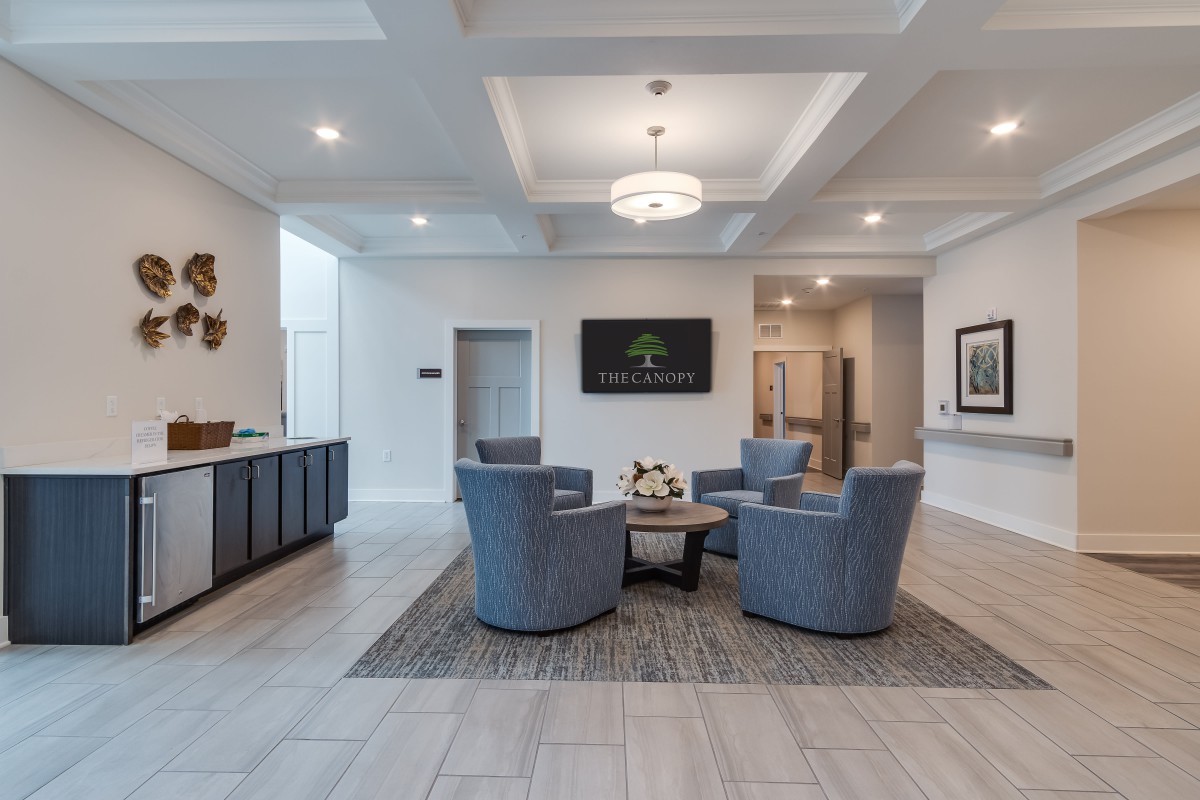
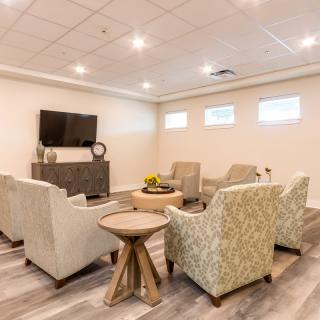
    A modern lobby with comfortable seating and elegant decor.
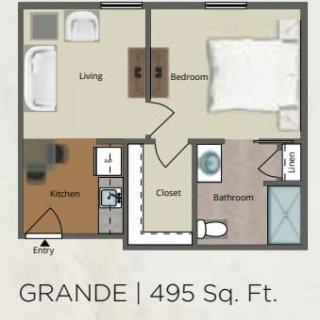
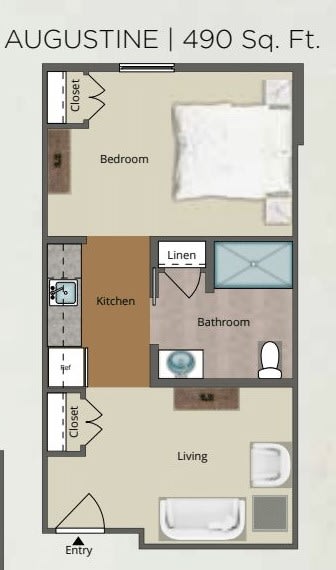
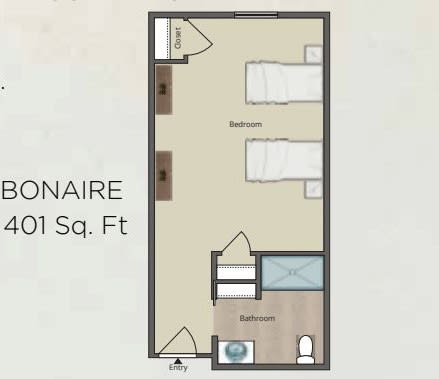
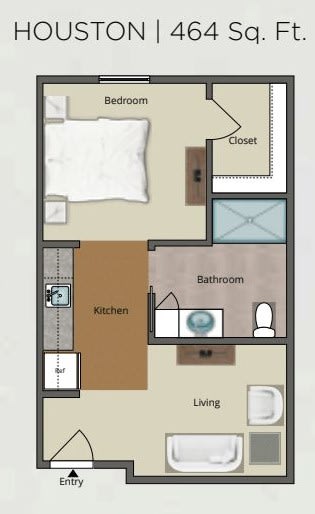
  • Floor Plan

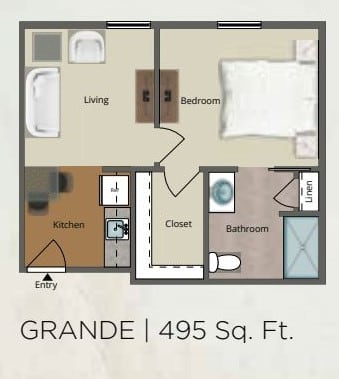
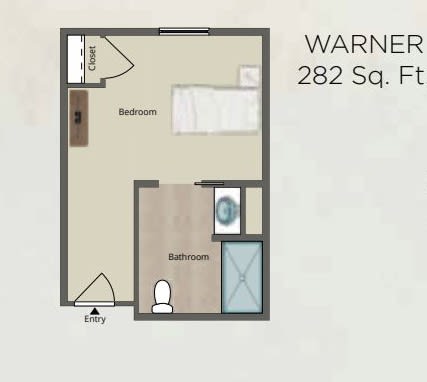
    Floor plan of a 495 sq. ft. studio apartment called 'Grande'.
  • Chandelier

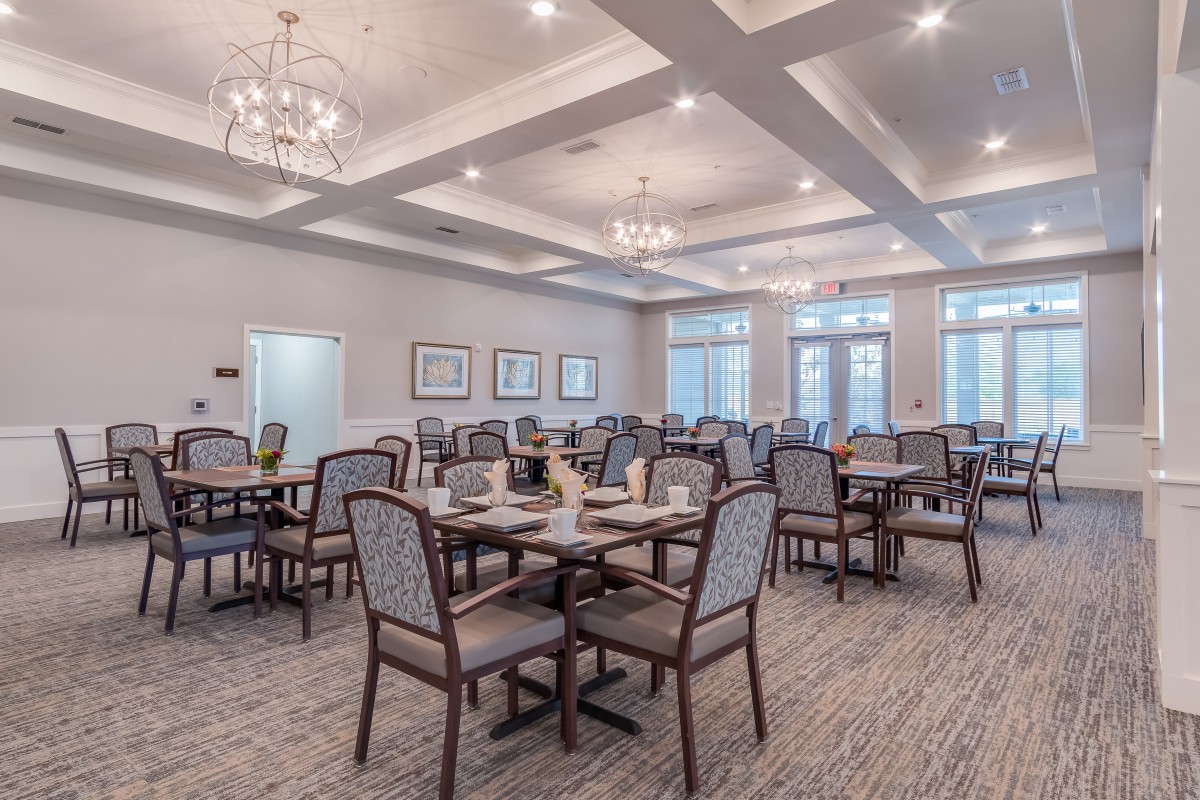
    A spacious and elegantly designed dining room featuring multiple tables and chairs, with chandeliers providing ambient lighting.

The Canopy at Warner Robins

Information last verified:

120 Latham Dr, Warner Robins, GA 31088

For more information about senior living options: (844) 490-3973

4.6 from 143 reviews
5 stars
120
4 stars
9
3 stars
2
2 stars
2
1 stars
10

Seniors.FYI Elite Community Awards

Top 5% Senior Living Community in 2022Top 5% Senior Living Community in 2025

Add this award to your website

The Canopy at Warner Robins Costs & Pricing

The Canopy at Warner Robins offers a range of living options that are competitively priced within the local market. For a semi-private room, residents can expect to pay $3,500 per month, which is significantly higher than the average costs in Jones County ($2,269) and slightly above the state average of $2,529. The studio apartments are priced at $3,650, positioning them just above the county average of $3,083 but narrowly below Georgia's overall average of $3,520. Finally, for those seeking more space in a one-bedroom unit, the monthly cost is set at $4,175; this figure surpasses both Jones County ($3,654) and the state benchmark ($3,412). Overall, while The Canopy's rates may reflect its premium services and amenities compared to regional counterparts, they remain an important consideration for prospective residents evaluating their options in Warner Robins and beyond.

Floor plansThe Canopy at Warner RobinsJones CountyGeorgia
Semi-Private$3,500$2,269$2,529
Studio$3,650$3,083$3,520
1 Bedroom$4,175$3,654$3,412

Overall Review of The Canopy at Warner Robins

Pros

  • pro The Canopy at Warner Robins is described as beautiful, clean, and welcoming with modern amenities.
  • pro Rebecca Harris is praised for being extremely caring, professional, and helpful during admissions.
  • pro The caregiving and therapy staff are consistently seen as warm, compassionate, and dedicated to residents.
  • pro Families express peace of mind knowing their loved ones are in a safe, caring environment.
  • pro The Canopy offers abundant activities and in-house therapy, with staff who actively engage residents.
  • pro Management is recognized for responsiveness, clear communication, and genuine concern for residents and families.
  • pro The dining program is noted for tasty, varied meals in a home-like atmosphere.
  • pro The facility is viewed as fostering a strong sense of community where residents feel like family.

Cons

  • pro They would not recommend this facility.
  • pro They report being on hold for 30+ minutes with no one able to explain what happened.
  • pro They claim the administration is incompetent and lacks training, causing staff mistakes.
  • pro They say there was no phone call to notify them of their sister’s death and no condolences or explanation.
  • pro They recount finding belongings not belonging to their loved one and being told to empty the room, with no dumpster allowed.
  • pro They describe the memory care as unsafe, noting residents escaping and staff not adequately addressing it.
  • pro They assert the dining is subpar, with meals not aligned to published menus and sometimes not enough to eat.
  • pro They accuse financial practices such as charging extra via a point system and yearly rate increases, plus billing after death as a “leave of absence.”
  • pro They criticize communication and leadership as almost non-existent, including hostile treatment after posting reviews and ongoing turnover.

Review

The Canopy at Warner Robins is best suited for families that want a modern, vibrant assisted-living community with robust on-site programming, strong front-office support, and the potential for in-house memory-care services on the same campus. The facility itself presents as fresh, clean, and well-appointed, with light-filled common areas, a dedicated activities team, an on-site therapy program, a dining experience that many residents and families praise, and appealing amenities such as a gym, salon, and outdoor gathering spaces. For families that prioritize a welcoming, hotel-like atmosphere, easy access to scheduled excursions, and a responsive admissions process led by a personable sales team, The Canopy can feel like a very good fit. The presence of a substantial activity calendar and opportunities for social engagement makes it particularly attractive to residents who want structure, companionship, and meaningful daily experiences.

That said, certain realities require careful consideration. The Canopy recently rebranded to Alto, which adds a layer of complexity for families sorting through feedback from different eras of leadership and policy. Prospective residents should anchor their decision in the current leadership and operations, not only the earlier reviews. In practice, this means verifying who is running the campus today, confirming current memory-care protocols, and requesting concrete examples of how care plans are executed on a day-to-day basis. While the newer reviews frequently commend Rebecca and other longtime staff for warmth and accessibility, the brand transition has coincided with reports of inconsistency in communication and execution. Families should come prepared to evaluate whether the present leadership team has established reliable processes for updates, billing, and care coordination.

The most compelling positives, staff warmth, a genuine sense of community, and a proactive therapy and activity program, do a credible job offsetting several core concerns for many residents. Families regularly point to attentive, compassionate staff and a strong administrative presence, with a track record of quick onboarding and ongoing family communication. The dining program and activities department earn consistent praise, contributing to a daily life that feels active and engaging. Pricing transparency, including a perceived willingness to scale charges with actual care needs, also resonates with many families who want to pay for real value rather than rigid, one-size-fits-all packages. When these elements align, The Canopy can deliver a high-quality, home-like experience that makes transition easier for both resident and family.

Yet the negatives cannot be ignored, especially for memory-care or medically complex residents. Several reviews recount gaps in communication, delays in return calls, and difficulties in coordinating with the medical team or hospice partners. There are accounts of high staff turnover or uneven staff presence on certain shifts, which translate into variability in the fidelity of daily routines, companionship, and safety supervision. Instances described by some families, ranging from missed notifications to concerns about the attentiveness of night staff and the management of medications, underscore that leadership consistency and staff stability are pivotal to the resident’s well-being. On the memory-care side, concerns about wandering, locked areas, and inconsistent engagement raise valid questions for families needing predictable, dementia-focused programming.

For families weighing options, the decision hinges on a balancing act: the outstanding features that elevate quality of life versus the operational risks that can derail it. The Canopy’s strength in an engaging calendar, in-house therapies, and a well-regarded director and marketing team can offset some concerns about cost and amenities. However, if a loved one relies on consistent day-to-day communication, a stable caregiving team, and clearly defined dementia-care practices, it is essential to probe deeply. Ask to meet the current memory-care leadership, request a sample weekly activity schedule for memory care, observe a meal and activity session, and review how the community handles notifications, billing disputes, and bereavement communications. These steps help determine whether the positives will translate into steady, reliable care.

In practical terms, families should approach a decision with a structured plan. Schedule multiple visits and insist on meeting both the admissions liaison and the memory-care director, if memory care is an option. Request a trial period or a phased move-in, if possible, to assess how the team handles ADLs, mobility support, medication administration, and hydration in real life. Demand a transparent test of pricing, how the point system translates to actual services, how adjustments are made as needs evolve, and what happens when care needs intensify or diminish. Finally, verify the-day-to-day experience: touring during different times, speaking with frontline caregivers, and checking for consistency in housekeeping, dining service, and transportation options.

The Canopy at Warner Robins presents a compelling case for families who value a polished, social, and therapeutic environment, with the caveat that memory care and administrative consistency require careful verification amid the Alto transition. For those who prize a lively campus, responsive front-office support, and in-house therapies, the positive signals often outweigh the concerns when current leadership has established dependable communication and staffing practices. For families whose priority is unwavering, predictable dementia care, or who have tightened budgets and cannot tolerate variability in day-to-day operations, alternatives should be explored. Ultimately, a well-timed, thorough tour focused on current leadership, staffing stability, and concrete memory-care protocols will determine whether The Canopy/Alto is the best fit or if another option better aligns with the loved one’s long-term needs.

Features

Housing

  • 1-bedroom apartments 1-bedroom apartments1-bedroom apartments are important for seniors because they provide a sense of independence, privacy, and autonomy while still offering the necessary space for comfortable living. These apartments allow seniors to maintain their own personal space and lifestyle preferences in a supportive community setting.
  • Studio apartments Studio apartmentsStudio apartments are important for seniors because they offer a smaller, more manageable living space that is easier to navigate and maintain as physical abilities decline. Additionally, studio apartments provide seniors with independence and privacy while still being part of a community that offers support and social opportunities.

Types of Care

  • Assisted Living Assisted LivingAssisted living facilities provide crucial support and care for seniors who may need help with daily tasks such as medication management, bathing, and meal preparation. These communities offer a safe and comfortable environment where seniors can maintain their independence while receiving the assistance they need to thrive in their golden years.
  • Memory Care Memory CareMemory care is crucial for seniors as it provides specialized support and services for individuals with dementia or Alzheimer's disease. These programs offer a safe and secure environment where residents receive personalized care, cognitive stimulation, and help with daily activities. Memory care helps seniors maintain their independence, quality of life, and dignity while also providing peace of mind for their families.

Pets

  • Cats allowed Cats allowed"Pet friendly" senior living communities are important for seniors because pets provide companionship, reduce feelings of loneliness and depression, promote physical activity and mental stimulation, and offer a sense of purpose and responsibility. Pets can improve overall well-being and quality of life for seniors in many ways.
  • Dogs allowed Dogs allowed"Pet friendly" senior living communities are important for seniors because pets provide companionship, reduce feelings of loneliness and depression, promote physical activity and mental stimulation, and offer a sense of purpose and responsibility. Pets can improve overall well-being and quality of life for seniors in many ways.

Amenities

  • Activities off-site Activities off-siteEngaging in off-site activities is crucial for seniors to maintain social connections, stay active, and stimulate their minds. It promotes overall well-being and helps combat feelings of isolation and loneliness.
  • Activities on-site Activities on-siteActivities on-site are important for seniors because they provide opportunities for socialization, mental stimulation, physical activity, and overall well-being. Engaging in activities can help seniors stay active, maintain their independence, and improve their quality of life.
  • Air-conditioning Air-conditioningAir conditioning is important for seniors as they are more vulnerable to heat-related illnesses and may have underlying health conditions that make it difficult for them to regulate their body temperature. It helps to keep them comfortable, safe, and healthy in hot weather.
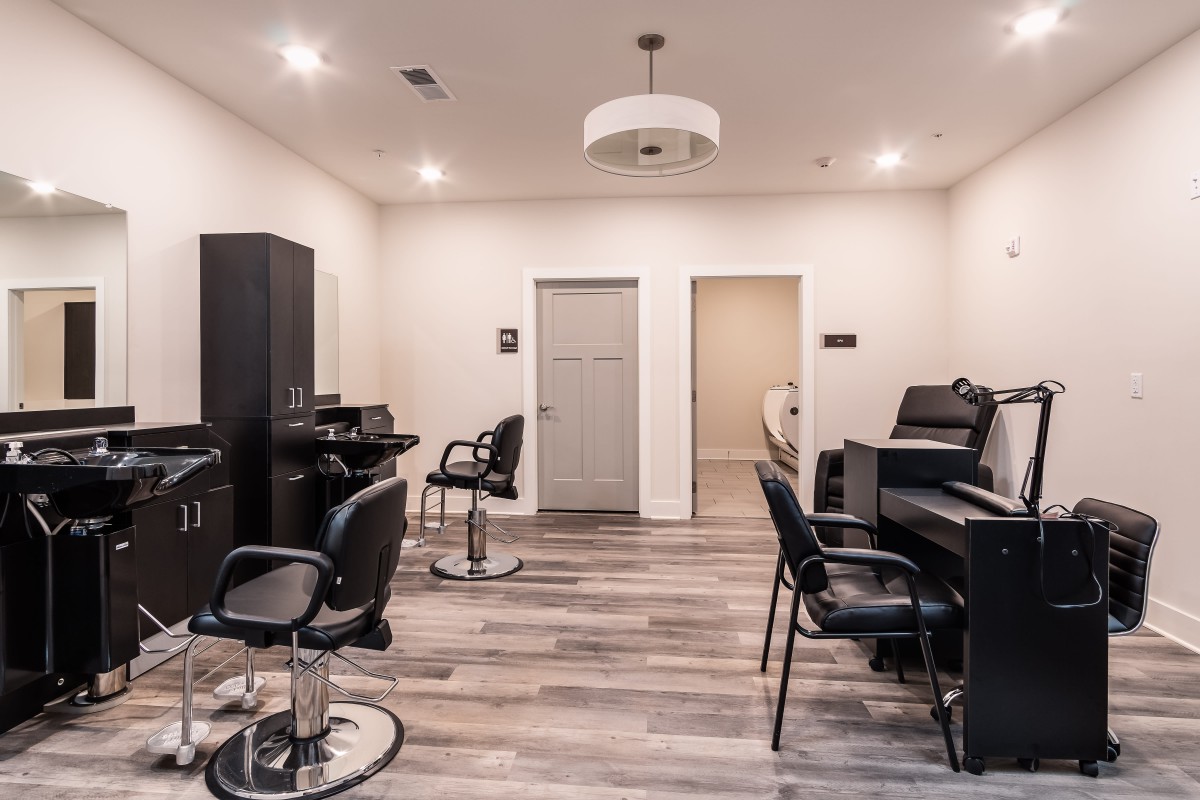
  • Beautician on-site Beautician on-siteHaving a beautician on-site at a senior living community is important for seniors as it allows them to easily access grooming and personal care services, boosting their self-esteem and overall well-being. It also provides convenience and helps seniors maintain their sense of independence and personal style.
  • Cable or satellite TV Cable or satellite TVCable or satellite TV is important for seniors because it provides entertainment, news, and companionship, helping to combat loneliness and boredom. It also offers a wide range of programming options tailored to different interests and preferences.
  • Devotional services off-site Devotional services off-siteDevotional services off-site are important for seniors as they provide spiritual nourishment, social engagement, and a sense of community outside of the senior living facility. This can enhance overall well-being and help combat feelings of isolation and loneliness often experienced by older adults.
  • Devotional services on-site Devotional services on-siteDevotional services on-site provide seniors with spiritual support and a sense of community, as well as an opportunity for reflection and guidance during their senior living experience. This can promote emotional well-being and connection to others, leading to a more fulfilling and enriching lifestyle in their later years.
  • Indoor common areas Indoor common areasIndoor common areas are crucial for seniors as they provide a space for socialization, recreation, and community engagement, promoting overall well-being and reducing feelings of isolation and loneliness.
  • Kitchenette KitchenetteKitchenettes are important for seniors living in senior living communities because they provide the convenience and independence of being able to prepare simple meals and snacks in the comfort of their own living space. This can help promote a sense of autonomy and well-being for seniors, allowing them to maintain some level of control over their dietary choices and daily routines.
  • Outdoor common areas Outdoor common areasOutdoor common areas are important for seniors as they provide a space for socialization, physical activity, and relaxation. Being outside in nature can improve mood and overall well-being, while also encouraging movement and engagement with others. These spaces can help combat feelings of isolation and promote a sense of community among residents.
  • Private bathrooms Private bathroomsPrivate bathrooms are important for seniors in senior living communities because they provide independence, dignity, and comfort. Having a private bathroom allows seniors to maintain their personal hygiene routines without the need for assistance, promoting a sense of autonomy and privacy. Additionally, private bathrooms help prevent the spread of infections and provide a safe and clean environment for seniors to navigate safely.
  • Respite or short term stays offered Respite or short term stays offeredRespite or short term stays provide seniors with a temporary solution when their regular caregiver is unavailable, offering them the opportunity to receive additional care and support during times of need, while also giving caregivers a chance to rest and recharge.
  • Wheelchair accessible showers Wheelchair accessible showersWheelchair accessible showers are crucial for seniors as they provide a safe and independent bathing option for those with mobility challenges. These showers help prevent falls and allow seniors to maintain their dignity and autonomy while ensuring they can bathe comfortably.
  • Wi-Fi/high-speed internet available Wi-Fi/high-speed internet availableWi-Fi/high-speed internet is important for seniors to stay connected with loved ones, access online resources, and participate in virtual activities to combat feelings of loneliness and isolation. It also allows them to easily manage healthcare needs, access entertainment, and engage in lifelong learning opportunities.

Transportation

  • Middle Georgia Regional (7 miles away) Middle Georgia Regional (7 miles away)

Care Services

  • Ambulatory care Ambulatory care"Ambulatory care services provide essential medical support and treatment to seniors without requiring hospitalization, allowing them to maintain their independence and quality of life while managing chronic conditions or receiving routine medical care."
  • Diabetic care Diabetic careDiabetic care is crucial for seniors as they are more susceptible to developing diabetes due to aging and other health conditions. Proper management of diabetes can help prevent complications such as heart disease, vision loss, and nerve damage, improving the overall quality of life for seniors in senior living communities.
  • Incontinence care Incontinence careIncontinence care is essential for seniors to maintain their dignity, hygiene, and overall quality of life. By addressing incontinence issues promptly and effectively, seniors can enjoy a sense of independence and comfort in their daily activities.
  • Medication management Medication managementMedication management is crucial for seniors to ensure they are taking the right medications at the correct dosages and times. This helps prevent adverse drug interactions, reduces the risk of medication errors, and promotes overall health and well-being. Proactive management also allows for adjustments as needed based on changing health conditions or new prescriptions.

Dining

  • Gluten-free Gluten-freeGluten-free options are important for seniors as they are more prone to digestive issues and dietary sensitivities. Offering gluten-free meal choices in senior living communities can help improve their overall health and well-being.
  • Guest meals Guest mealsGuest meals are important for seniors living in senior living communities because they provide an opportunity for socialization and companionship. Sharing a meal with friends, family, or new acquaintances can help combat feelings of loneliness and isolation, promote a sense of community, and enhance overall well-being. Additionally, guest meals allow seniors to enjoy delicious food in a comfortable setting without the hassle of cooking or cleaning up, making dining a pleasurable and stress-free experience.
  • Low / no sodium Low / no sodiumLow/no sodium options are important for seniors because excessive sodium intake can lead to high blood pressure, heart disease, and other health issues commonly experienced by older adults. By choosing low/no sodium foods, seniors can better manage their health and reduce their risk of developing these conditions.
  • Meals provided Meals provided"Meals provided" are crucial for seniors in assisted living communities as it ensures they have access to nutritious, balanced meals without the stress of meal planning and preparation. This can help promote overall health and well-being for seniors who may have limited mobility or cognitive abilities.
  • No Sugar No SugarNo sugar diets are important for seniors because they can help prevent or manage chronic conditions such as diabetes, heart disease, and obesity. Sugar can also contribute to cognitive decline and inflammation in the body, so reducing sugar intake can lead to overall improved health and well-being in older adults.
  • Professional chef Professional chefProfessional chefs are important for seniors living in senior living communities because they provide nutritious and delicious meals that cater to their dietary needs and preferences. A professional chef can ensure that seniors are receiving balanced, flavorful meals that support their overall health and well-being.
  • Restaurant style dining Restaurant style diningRestaurant style dining is important for seniors as it offers them a social and enjoyable dining experience, promotes healthy eating habits, and provides personalized menu options to cater to their dietary needs and preferences. This type of dining setting can enhance their overall quality of life and create a sense of community within the senior living facility.
  • Room service Room serviceRoom service is important for seniors in a senior living community because it provides convenience and allows them to have their meals delivered directly to their room. This can be especially beneficial for seniors who may have mobility issues or difficulty accessing the dining area. Room service ensures that seniors are able to receive nutritious meals without having to navigate through the facility, allowing them to maintain their independence and overall well-being.

Activities

  • Art classes Art classesArt classes are important for seniors because they provide a creative outlet, improve cognitive function, reduce stress and anxiety, promote socialization, and enhance overall well-being and quality of life.
  • Catholic services Catholic servicesCatholic services are important for seniors because they provide spiritual support, a sense of community, and opportunities for social interaction that can enhance overall well-being and quality of life in their later years.
  • Cooking classes Cooking classesCooking classes are important for seniors as they provide opportunities for social interaction, enhance cognitive skills, promote healthy eating habits, and boost confidence in the kitchen.
  • Devotional activities offsite Devotional activities offsiteDevotional activities offsite are important for seniors because they provide social engagement, spiritual growth, and a sense of community outside of their living environment. This can improve overall well-being, mental health, and combat feelings of isolation or loneliness.
  • Devotional activities on-site Devotional activities on-siteDevotional activities on-site provide seniors with a sense of community, spiritual fulfillment, and emotional support, promoting overall well-being and a positive sense of purpose in their lives.
  • Educational speakers / life long learning Educational speakers / life long learningEducational speakers and lifelong learning opportunities are crucial for seniors as they provide mental stimulation, promote social engagement, and contribute to overall well-being. Continuous learning helps seniors stay mentally sharp, build new skills, and maintain a sense of purpose and fulfillment in their lives. It also allows them to stay connected to the world around them and fosters a sense of community within senior living facilities.
  • Jewish services Jewish servicesJewish services are important for seniors as they provide a sense of community, spiritual support, and connection to their heritage and traditions. These services help enhance overall well-being and quality of life for older adults in senior living settings.
  • Mormon/LDS services Mormon/LDS servicesMormon/LDS services are important for seniors as they provide a sense of community, spiritual support, and connection to their faith during their later years. These services offer opportunities for socialization, worship, and guidance in navigating the challenges of aging.
  • Other religious services Other religious servicesOther religious services are important for seniors as they provide a sense of community, spiritual comfort, and opportunities for socializing. These services can help seniors feel connected to their faith and maintain a sense of purpose and belonging in their later years.
  • Protestant services Protestant servicesProtestant services are important for seniors because they provide spiritual nourishment, community support, and a sense of belonging. These services can help seniors connect with others who share their faith, find comfort and guidance in times of need, and maintain a sense of purpose and fulfillment in their later years.
  • Visiting chaplain or priest Visiting chaplain or priestHaving a visiting chaplain or priest at a senior living community is important for seniors because it provides spiritual support, comfort, and guidance during a time of life that can be challenging and uncertain. Their presence can help seniors feel connected to their faith, find peace of mind, and cope with the emotional and mental struggles they may face in their later years.

Description

The Canopy at Warner Robins in Warner Robins, GA is an assisted living community that specializes in memory care for seniors. Our studio apartments offer comfortable and private living spaces for our residents.

At The Canopy, we strive to provide a range of amenities to enhance the quality of life for our residents. Our on-site activities ensure that there are always engaging and enjoyable options available. We also have air-conditioning throughout the facility to keep everyone comfortable in any season.

Our beautician is available on-site to provide hair and beauty services to our residents. They can conveniently get pampered without leaving the community. Cable or satellite TV is provided in each apartment, allowing residents to stay entertained and connected to the outside world.

We understand the importance of spirituality, which is why we offer both off-site and on-site devotional services. Residents can partake in these services as per their preference. Indoor common areas encourage social interaction among residents, while outdoor common areas provide opportunities for relaxation amidst nature.

Each studio apartment at The Canopy features a kitchenette and private bathroom, giving residents a sense of independence and privacy. For those who require temporary stays, we offer respite or short-term stays as well.

Our community takes care of the specific needs of diabetic individuals through specialized care services. We also provide assistance with incontinence management and medication management.

When it comes to dining, our professional chef prepares delicious meals that cater to various dietary needs such as low/no sodium, no sugar, and more. Residents can enjoy these meals served restaurant-style or opt for room service if preferred.

In addition to providing comprehensive care services, we also prioritize offering stimulating activities for our residents' intellectual and spiritual growth. These include cooking classes, educational speakers/life-long learning sessions, religious services (Catholic, Jewish, Mormon/LDS, Protestant), and visits from chaplains or priests.

The Canopy is located conveniently near 2 cafes, 10 pharmacies, 46 physicians, 36 restaurants, and other places of worship. Transportation is also easily accessible to ensure residents can travel comfortably whenever needed. Furthermore, there are two hospitals nearby to cater to any medical emergencies.

At The Canopy at Warner Robins, we strive to create a supportive and enriching environment for our residents in their golden years. Our dedicated team of caregivers ensures the well-being and comfort of each individual while promoting an active and fulfilling lifestyle.

Nearby Places of Interest

This part of Warner Robins, Georgia, offers convenient access to essential amenities for senior living. With multiple pharmacies nearby, including CVS Pharmacy and Walgreens, residents can easily access medication and healthcare services. There are also various dining options such as Taco Bell, Chick-Fil-A, and Ruby Tuesday within a short distance, providing a range of choices for meals. In terms of healthcare, there are reputable physicians like Brown's Eye Center and Village Podiatry available for medical needs. Places of worship like Second Baptist Church offer spiritual support, while hospitals such as Houston Medical Center ensure quick access to emergency care if needed. Overall, this area provides a well-rounded community with easy access to everyday necessities for seniors looking to settle in the Warner Robins area.

Pharmacies

  • CVS Pharmacy (0.2 miles)
  • Walgreens (0.9 miles)
  • Walmart Pharmacy (1.4 miles)
  • CVS Pharmacy (1.6 miles)
  • Medicine Shoppe (1.7 miles)
  • Medicine Stop Compounding Pharmacy (1.7 miles)
  • Benzer Pharmacy (2.7 miles)

Restaurants

  • Taco Bell (0.2 miles)
  • Chick-Fil-A (0.3 miles)
  • Ruby Tuesday (0.5 miles)
  • Huddle House (0.6 miles)
  • Waffle House (0.6 miles)
  • El Jalisciense Mexican Restaurant (0.6 miles)
  • McDonald's (0.7 miles)

Physicians

  • Brown's Eye Center (0.4 miles)
  • Village Podiatry (0.5 miles)
  • Aesthetic Body Sculpture Clinic (1.4 miles)
  • Pediatric Associates (1.4 miles)
  • Oral And Maxillofacial (1.4 miles)
  • Tuvia Breuer, DO (1.4 miles)
  • Kevin J. Baggett (1.5 miles)

Places of Worship

  • Smiling By Faith (1.1 miles)
  • Second Baptist Church (1.4 miles)
  • Faith Life Family Church (2.7 miles)

Hospitals

  • Houston Medical Center (1.5 miles)
  • Houston Healthcare (1.5 miles)

Cafes

  • Starbucks (2.6 miles)
  • Panera Bread (3.2 miles)

Transportation

  • Warner Robins Truck Rental Warner Robins (2.6 miles)

Frequently Asked Questions

How much does it cost to live at The Canopy at Warner Robins in Warner Robins, GA?
What floor plans and room types does The Canopy at Warner Robins offer?
Where is The Canopy at Warner Robins?
Does The Canopy at Warner Robins provide care for residents with dementia or Alzheimer's disease?
Does The Canopy at Warner Robins allow residents to have pets?
What photos are available for The Canopy at Warner Robins in Warner Robins, Georgia?

Nearby Communities

  • Majestic Oaks Home Care Agency

    Majestic Oaks Home Care Agency

    Warner Robins, GA

    4.7 from 13 reviews
     

    pro Highly attentive and proactive care with flexible, customizable scheduling.
  • The Lodge

    The Lodge

    Warner Robins, GA

    3.7 from 10 reviews
     

    pro Clean, well-maintained facility with friendly staff and good therapy.

  • Summer's Landing Of Warner Robins

    Summer's Landing Of Warner Robins

    Warner Robins, GA

    4.4 from 36 reviews
     

    pro Caring, attentive staff in a clean, well-maintained, spacious setting with engaging activities and flexible care levels.

  • Summer's Landing of Warner Robins

    Summer's Landing of Warner Robins

    Warner Robins, GA

    4.1 from 32 reviews
    $2,500 to $2,860 / month

    pro Attentive staff, apartment-style private rooms, quality meals, and engaging activities.

  • Carter House

    Carter House

    Warner Robins, GA


    pro Comprehensive care services and ample amenities in a comfortable, furnished setting.

  • Phoenix Center Staffed Fac II

    Phoenix Center Staffed Fac II

    Warner Robins, GA


    pro Small, intimate board-and-care with 24-hour supervision, ADL assistance, and diabetes-friendly meals.

  • Villa Rose

    Villa Rose

    Byron, GA

    3.9 from 8 reviews
     

    pro Convenient location near family, comfortable size, responsive staff, clean environment, and private rooms with essential amenities.

  • Cherry Blossom Health Care Ctr

    Cherry Blossom Health Care Ctr

    Macon, GA

    3.3 from 27 reviews
     

    pro Well-connected with easy access to pharmacies, physicians, restaurants, places of worship, and hospitals (near parks).

  • St. Paul Apartments

    St. Paul Apartments

    Macon, GA

    3.7 from 97 reviews
    $537 / month

    pro Friendly staff and a clean, active community with engaging activities.

Related Resources

  • active senior livingVibrant Senior Living: A Comprehensive Guide for Active Older Adults

    Vibrant Senior Living emphasizes active senior living communities that promote independence and engagement through diverse amenities and activities, fostering wellness and social interaction among older adults. These communities range from independent to assisted living, with a focus on personal growth, family involvement, financial planning, and leveraging technology to enhance residents' experiences.

  • assisted living vs memory careAssisted Living and Memory Care: Understanding Their Core Differences

    Assisted living provides moderate support for seniors seeking independence, while memory care offers specialized support for individuals with dementia or cognitive impairments through structured routines and trained staff. Key differences include care approaches, environment security measures, staff training levels, activity types, and cost considerations.

  • assisted living vs nursing homeChoosing the Right Senior Care: A Detailed Exploration of Assisted Living and Nursing Homes
    Choosing between assisted living and nursing homes involves evaluating emotional and financial factors, with assisted living offering independence and support for daily activities at a lower cost, while nursing homes provide intensive medical care for individuals with significant health needs. The decision is influenced by personal preferences, health status, cognitive function, and varying Medicaid coverage across states.