Advanced Health And Rehab Of Twiggs County in Jeffersonville, GA

113 Spring Valley Road, Jeffersonville, GA 31044

For more information about senior living options: (844) 490-3973

3.9 from 8 reviews
5 stars
4
4 stars
1
3 stars
2
2 stars
0
1 stars
1

Skilled Nursing Facility

What level of care are you interested in?

Assisted Living

Memory Care

Independent Living

Skilled Nursing Facility

Continuing Care Retirement Community (CCRC)CCRC

Other


Request a tour at Advanced Health And Rehab Of Twiggs County

    Overall Review of Advanced Health And Rehab Of Twiggs County

    Pros

    • pro He is well taken care of at the center and is happy with the care, therapy, staff, and comfort.
    • pro The staff go above and beyond for all patients.
    • pro The hospitality at the facility supersedes everything.
    • pro Ms. Linda, Thelma, Sammy, and the rest of the team contribute to an exceptional environment.
    • pro They show care and empathy, and the nursing staff are highly rated.
    • pro The staff communicate with him and provide attentive, ongoing support.

    Cons

    • pro They wouldn't discharge him for weeks, with no explanation.
    • pro He was sent home severely underweight, dropping from 136 lbs to 106 lbs.
    • pro They won't answer phone calls, and his phone was taken away for three weeks without reason.
    • pro He's now in hospice care in a patient program due to severe weight loss and infected bed sores.
    • pro Don't send your relative there.
    • pro The facility is old and has rundown issues like the paint in the room.
    • pro Visiting is very difficult due to the long 45-minute drive.
    • pro They don't keep up with things too well and rarely return calls.
    • pro The administrator receives a poor rating (two out of five).
    • pro The place is austere and not particularly welcoming.

    Review

    Advanced Health And Rehab Of Twiggs County in Jeffersonville, GA is best suited for families seeking a rehab-centric environment where dedicated staff and tangible progress matter more than glossy amenities. The community tends to deliver hands-on therapy, empathetic caregiving, and an active social atmosphere, which can be the difference between a stumble and a genuine step back toward independence. It is a practical fit for residents who can tolerate an older, more austere setting in exchange for focused rehabilitation and staff who visibly strive to go above and beyond for each patient.

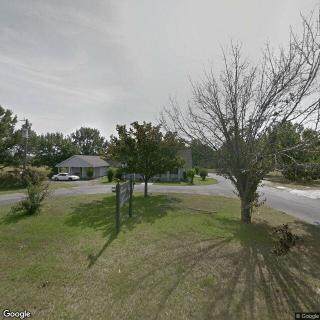
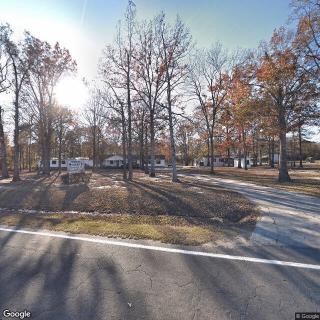
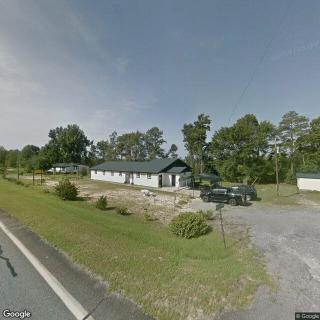
    Those weighing alternatives should consider the reality that communication and logistics can be uneven. Several reviews flag difficulty reaching the right people and inconsistent return calls, a friction point for families far from the facility who rely on regular updates. The facility's age and layout also matter: dormitory-style rooms, a compact dining area, and corridors that feel more hospital-like than residential can be a mismatch for families prioritizing privacy, ease of visitation, or a more modern ambiance. For residents who need frequent, predictable discharge planning and real-time administrative clarity, alternatives with stronger processes may be preferable.

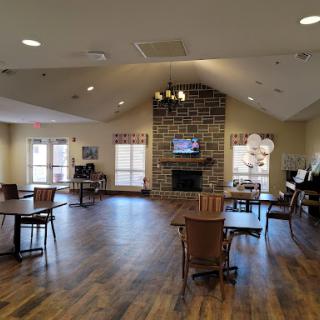
    The strongest pro is the care culture itself. Nursing and therapy staff frequently receive praise for competence and compassion, with multiple accounts highlighting staff members who "go above and beyond." The rehab program is described as demanding but effective, aimed at getting residents back to society and back on their feet. In memory care, the presence of an activities director and engaging programs - music, singing, and group interaction - suggests a meaningful daily rhythm that can buoy morale and preserve social engagement. When the focus is on meaningful progress, this community delivers in a convincing, practical way.

    Yet the cons carry weight. Discharge planning has been a recurrent pain point - patients sometimes remain longer than expected without clear explanations, undermining trust and creating stress for families and residents alike. Communication gaps aren't isolated incidents: calls can go unanswered and, in at least one case, a phone was taken away for weeks without justification. The physical plant's limitations are frequently noted: older paint, cramped rooms, and a layout that can feel more like a hospital ward than a home. In the memory ward, "not keeping up with things" and other upkeep concerns temper the sense of reliability that families hope to find.

    These realities create a careful trade-off. The compassionate, work-hardened care teams, combined with active rehab and engaging programming, can offset most day-to-day frustrations for families prioritizing progress and personal attention. For others, the downsides - communication gaps, older facilities, and less predictable discharge processes - may outweigh the benefits. The value for money is described as average, reinforcing the point that expectations should be calibrated: this is not a luxury or turnkey solution, but a practical option where serious rehab from caring professionals is the primary selling point.

    Decision-makers should approach with a sharpened checklist. Visit in person, observe therapy sessions, and gauge how well the staff respond to questions about discharge planning and daily routines. Probe the communication model: who answers calls, how quickly updates are provided, and what a typical week looks like for family members who live far away. Inspect room configurations for privacy and comfort, evaluate dining arrangements for accessibility and ease of socializing, and assess whether the environment feels well cared-for or dated. If rehabilitation intensity, staff empathy, and active engagement are non-negotiables, Advanced Health And Rehab Of Twiggs County warrants serious consideration - provided realistic expectations are set and backed by diligent, ongoing conversations with administration. If modern amenities, transparent discharge timelines, and effortless communication are top priorities, exploring alternatives will likely yield a more satisfying fit.

    Features

    Housing

    • 131 resident community capacity 131 resident community capacity

    Types of Care

    • Skilled Nursing Facility Skilled Nursing FacilitySkilled Nursing Facilities are crucial for seniors as they provide round-the-clock medical care, rehabilitation services, and assistance with daily activities. These facilities ensure that seniors receive the specialized care they need to maintain their health and well-being as they age.

    Amenities

    • Air-conditioning Air-conditioningAir conditioning is important for seniors as they are more vulnerable to heat-related illnesses and may have underlying health conditions that make it difficult for them to regulate their body temperature. It helps to keep them comfortable, safe, and healthy in hot weather.
    • Beauty salon Beauty salonBeauty salons are important for seniors because they provide a space for them to feel pampered, socialize, and maintain their personal grooming and hygiene. Regular visits to a beauty salon can help boost seniors' self-esteem and overall well-being.
    • Cable or satellite TV Cable or satellite TVCable or satellite TV is important for seniors because it provides entertainment, news, and companionship, helping to combat loneliness and boredom. It also offers a wide range of programming options tailored to different interests and preferences.
    • Computer center Computer centerA computer center is essential for seniors as it provides access to technology, communication tools, and resources that can enhance their daily lives. It allows them to stay connected with loved ones, engage in online activities, and learn new skills, ultimately promoting socialization and mental stimulation.
    • Dining room Dining roomDining rooms are important for seniors as they provide a space for socialization, connection, and nutritious meals. They offer opportunities for residents to bond over shared meals, foster a sense of community, and promote healthy eating habits. Dining rooms also ensure that seniors have access to well-balanced meals tailored to their dietary needs and preferences.
    • Fitness room Fitness roomHaving a fitness room in a senior living community is essential for seniors to stay active, maintain their physical health, and improve their overall well-being. Regular exercise can help prevent falls, reduce the risk of chronic diseases, and promote mental sharpness. It also provides social opportunities for residents to connect with others and enjoy a sense of community.
    • Fully furnished Fully furnishedFully furnished senior living communities are important for seniors because they provide convenience, comfort, and a hassle-free moving experience. Seniors can easily settle into their new living space without the stress of having to buy and move furniture. This allows them to focus on enjoying their new home and community.
    • Gaming room Gaming roomGaming rooms are important for seniors as they provide a fun and engaging environment for socializing, cognitive stimulation, and physical activity. Games can improve memory, problem-solving skills, and overall mental well-being while fostering friendships and reducing feelings of isolation.
    • Garden GardenGardens are important for seniors as they provide a peaceful and therapeutic environment for relaxation, physical activity, and socialization. Being in nature has been shown to reduce stress, improve mood, and promote overall well-being. Gardens also offer opportunities for seniors to engage in gardening activities, which can improve mobility, flexibility, and cognitive function. Additionally, gardens create a sense of community and connection with others who share a passion for plants and outdoor spaces.
    • Housekeeping services Housekeeping servicesHousekeeping services are important for seniors because they help maintain a clean and safe living environment, promote independence, and reduce the risk of accidents or illnesses. Additionally, having assistance with household chores can alleviate physical strain and allow seniors to focus on other aspects of their well-being.
    • Kitchenette KitchenetteKitchenettes are important for seniors living in senior living communities because they provide the convenience and independence of being able to prepare simple meals and snacks in the comfort of their own living space. This can help promote a sense of autonomy and well-being for seniors, allowing them to maintain some level of control over their dietary choices and daily routines.
    • Move-in coordination Move-in coordinationMove-in coordination is important for seniors because it helps ease the transition into their new living environment. It ensures that all logistics, such as packing, organizing movers, and setting up utilities are taken care of, allowing seniors to focus on settling in and adjusting to their new home. Having a smooth move-in process can alleviate stress and anxiety, making the transition smoother and more enjoyable for seniors.
    • Outdoor space Outdoor spaceOutdoor spaces are important for seniors as they provide opportunities for physical activity, social interaction, exposure to natural light and fresh air, and a sense of connection to nature. Having access to outdoor spaces can improve overall well-being and quality of life for older adults living in senior communities.
    • Private bathrooms Private bathroomsPrivate bathrooms are important for seniors in senior living communities because they provide independence, dignity, and comfort. Having a private bathroom allows seniors to maintain their personal hygiene routines without the need for assistance, promoting a sense of autonomy and privacy. Additionally, private bathrooms help prevent the spread of infections and provide a safe and clean environment for seniors to navigate safely.
    • Restaurant-style dining Restaurant-style diningRestaurant-style dining is important for seniors because it allows them to enjoy delicious, nutritious meals in a social and upscale setting. This enhances their dining experience, promotes healthy eating habits, and fosters socialization with fellow residents, ultimately contributing to their overall well-being and quality of life.
    • Small library Small librarySmall libraries are important for seniors as they provide access to a variety of reading materials, including books, newspapers, and magazines. This can help stimulate their minds, keep them engaged, and provide a sense of community through book clubs and other social activities. Additionally, reading has been shown to improve cognitive function and overall mental well-being in older adults.
    • Telephone TelephoneTelephones are important for seniors as they provide a lifeline for communication with loved ones, emergency services, and healthcare providers. They offer a sense of security and independence, enabling seniors to stay connected and access assistance when needed.
    • Wellness center Wellness centerWellness centers are important for seniors because they offer a variety of programs and services that promote physical, mental, and emotional well-being. These centers provide opportunities for exercise, socialization, education, and relaxation, helping seniors maintain their overall health and quality of life.
    • Wi-Fi/high-speed internet available Wi-Fi/high-speed internet availableWi-Fi/high-speed internet is important for seniors to stay connected with loved ones, access online resources, and participate in virtual activities to combat feelings of loneliness and isolation. It also allows them to easily manage healthcare needs, access entertainment, and engage in lifelong learning opportunities.

    Transportation

    • Middle Georgia Regional (19 miles away) Middle Georgia Regional (19 miles away)
    • Community operated transportation Community operated transportationCommunity operated transportation is crucial for seniors as it provides them with the means to access essential services, social activities, and medical appointments. It allows seniors to maintain their independence and quality of life by ensuring they can participate in activities outside of their homes. Additionally, community-operated transportation services offer a safe and reliable way for seniors to travel without having to rely on family or friends for assistance.
    • Transportation arrangement Transportation arrangementTransportation arrangements are crucial for seniors as they may face challenges with driving, mobility, or access to public transportation. Having reliable transportation services ensures that seniors can easily attend appointments, social activities, and maintain their independence and quality of life.
    • Transportation arrangement (non-medical) Transportation arrangement (non-medical)Transportation arrangements are essential for seniors as they provide access to essential services, activities, and social interactions outside the home. This service helps maintain independence, mobility, and overall well-being for seniors who may have limited transportation options.
    • Transportation to doctors appointments Transportation to doctors appointmentsTransportation to doctors appointments is crucial for seniors as it ensures they have access to necessary medical care and support, promoting their health and well-being. It allows them to receive timely treatment, monitor existing conditions, and address any new health concerns efficiently. Additionally, transportation services can help seniors maintain their independence and quality of life by enabling them to stay connected with their healthcare providers.

    Care Services

    • 12-16 hour nursing 12-16 hour nursing12-16 hour nursing care is crucial for seniors in order to ensure around-the-clock monitoring, timely medication administration, and prompt response to any health concerns or emergencies. This level of care helps to promote the overall well-being and safety of seniors living in senior living communities.
    • 24-hour call system 24-hour call system24-hour call systems are important for seniors because they provide peace of mind and immediate assistance in case of emergencies. This technology ensures that help is always available, promoting safety and security for elderly individuals living alone or in assisted living facilities.
    • 24-hour supervision 24-hour supervision24-hour supervision is important for seniors to ensure their safety, well-being, and access to immediate assistance in case of emergencies or health issues. This constant support provides peace of mind for both seniors and their loved ones, allowing them to age in place with dignity and security.
    • Activities of daily living assistance Activities of daily living assistanceActivities of daily living assistance are important for seniors because they provide essential support with tasks such as eating, bathing, dressing, and mobility. This assistance helps seniors maintain their independence, dignity, and overall quality of life as they age.
    • Assistance with bathing Assistance with bathingAssistance with bathing is crucial for seniors as it helps maintain personal hygiene, prevents infections, and ensures their overall well-being and comfort. It also provides a sense of dignity and independence for seniors who may struggle with this task on their own.
    • Assistance with dressing Assistance with dressingAssistance with dressing is important for seniors because it helps maintain their independence, promotes personal hygiene, prevents accidents and injuries, and improves overall quality of life. This service ensures that seniors can continue to dress comfortably and confidently, despite any physical limitations they may have.
    • Assistance with transfers Assistance with transfersAssistance with transfers is crucial for seniors as it helps prevent falls and injuries, maintains their independence, and ensures they can safely navigate their living environment. It also provides peace of mind for both seniors and their loved ones.
    • Diabetes diet Diabetes dietA diabetes diet is crucial for seniors as it helps manage blood sugar levels, reduce risks of complications, and improve overall health and well-being. By following a balanced and nutritious diet tailored to their specific needs, seniors can better control their diabetes and enhance their quality of life.
    • Meal preparation and service Meal preparation and serviceMeal preparation and service are crucial for seniors as they may have limited mobility or energy to cook nutritious meals. Having access to healthy and convenient food options can ensure they are getting the proper nutrition needed to maintain their overall health and well-being.
    • Medication management Medication managementMedication management is crucial for seniors to ensure they are taking the right medications at the correct dosages and times. This helps prevent adverse drug interactions, reduces the risk of medication errors, and promotes overall health and well-being. Proactive management also allows for adjustments as needed based on changing health conditions or new prescriptions.
    • Mental wellness program Mental wellness programMental wellness programs are essential for seniors as they promote cognitive stimulation, emotional support, and social engagement. These programs help prevent isolation, depression, and cognitive decline, ultimately enhancing the overall quality of life for older adults.
    • Special dietary restrictions Special dietary restrictionsSpecial dietary restrictions are important for seniors because age-related changes in metabolism and health conditions can make it difficult for their bodies to process certain foods. By following a diet tailored to their specific needs, seniors can maintain their overall health and well-being, manage chronic conditions, and reduce the risk of complications such as malnutrition or food interactions with medications.

    Dining

    • Diabetes diet Diabetes dietA diabetes diet is crucial for seniors as it helps manage blood sugar levels, reduce risks of complications, and improve overall health and well-being. By following a balanced and nutritious diet tailored to their specific needs, seniors can better control their diabetes and enhance their quality of life.
    • Special dietary restrictions Special dietary restrictionsSpecial dietary restrictions are important for seniors because age-related changes in metabolism and health conditions can make it difficult for their bodies to process certain foods. By following a diet tailored to their specific needs, seniors can maintain their overall health and well-being, manage chronic conditions, and reduce the risk of complications such as malnutrition or food interactions with medications.

    Activities

    • Community-sponsored activities Community-sponsored activitiesCommunity-sponsored activities are important for seniors as they provide opportunities for social interaction, mental stimulation, and physical activity. These activities can help improve overall well-being, combat loneliness and isolation, and promote a sense of belonging and purpose among older adults.
    • Concierge services Concierge servicesConcierge services are essential for seniors as they provide assistance with daily tasks and errands, enhance their quality of life by offering convenience and personalized care, and promote a sense of safety and security.
    • Fitness programs Fitness programsFitness programs are crucial for seniors as they help improve strength, flexibility, balance, and overall well-being. Staying active can reduce the risk of chronic diseases, improve mental health, and enhance quality of life in older adults.
    • Planned day trips Planned day tripsPlanned day trips are important for seniors because they offer opportunities for socialization, mental stimulation, and physical activity. They provide a change of scenery and help seniors stay engaged and connected to their community, promoting overall well-being and quality of life.
    • Resident-run activities Resident-run activitiesResident-run activities are important for seniors as they encourage social interaction, creativity, and a sense of autonomy. These activities empower seniors to stay engaged and active in their community while fostering meaningful connections with their peers.
    • Scheduled daily activities Scheduled daily activitiesScheduled daily activities are important for seniors because they provide structure, socialization, mental stimulation, and physical activity. Engaging in regular activities can improve overall well-being and quality of life for seniors living in a community setting.

    Description

    Advanced Health And Rehab of Twiggs County is a premium assisted living community located in Jeffersonville, GA. With a wide range of amenities and care services, we are dedicated to promoting the well-being and comfort of our residents.

    Our community offers a variety of amenities to enhance the daily lives of our residents. Our beauty salon ensures that they can always look their best, while cable or satellite TV provides entertainment options. Community operated transportation makes it convenient for residents to get around, whether it's for errands or social outings. Our computer center allows residents to stay connected with loved ones and engage in online activities. The dining room provides restaurant-style meals for a pleasant dining experience, while the fitness room promotes an active lifestyle. Residents can also enjoy our gaming room, garden, small library, and outdoor space for relaxation and leisure.

    To ensure that our residents receive high-quality care, we offer various care services tailored to their individual needs. Our 24-hour call system and supervision provide round-the-clock safety and assistance whenever needed. Trained staff members are available to assist with activities of daily living such as bathing, dressing, and transfers. We also provide specialized care for those with diabetes through our diabetes diet program. Medication management ensures that medications are taken properly. A mental wellness program is in place to support emotional well-being, while special dietary restrictions are accommodated.

    At Advanced Health And Rehab of Twiggs County, we believe in keeping our residents engaged and active. Concierge services are provided to meet any additional needs or requests they may have. Fitness programs promote physical health and well-being. Planned day trips offer opportunities for exploration and socialization outside the community. Resident-run activities encourage social interaction among residents, fostering a sense of community spirit. We also have scheduled daily activities to keep residents mentally stimulated and entertained.

    Our location in Jeffersonville offers convenience with pharmacies, restaurants, and places of worship nearby. Transportation arrangements can be made for non-medical purposes as well as for doctors' appointments.

    With our commitment to superior care, comfort, and a vibrant community environment, Advanced Health And Rehab of Twiggs County is the ideal choice for assisted living in Jeffersonville, GA.

    Nearby Places of Interest

    Places of Worship

    • Beyond the Wall Baptist Church (0.4 miles)
    • Williams Chapel CME Church (0.5 miles)
    • Jeffersonville Church Of God Parsonage (0.6 miles)
    • Jefferson Church-God Pasonage (1 miles)
    • Jeffersonville Church of God (1 miles)
    • Beyond The Wall Baptist Church (1.1 miles)
    • First Baptist Church (1.4 miles)

    Restaurants

    • Poppies Place (1.3 miles)
    • Subway (1.5 miles)
    • Huddle House (4.8 miles)
    • A & A Restaurant & Grocery (8.1 miles)
    • Subway (13.8 miles)
    • Truck Stop (13.9 miles)
    • The Taco Shed (16.6 miles)

    Pharmacies

    • IHS Pharmacy (1.4 miles)
    • Gordon Drug Company (14.2 miles)
    • Health Mart Pharmacy (14.2 miles)
    • Gordon Drug Co. (15.1 miles)

    Transportation

    • U-Haul (13.9 miles)
    • Rescar Industries (14.3 miles)
    • Robins AFB Flight Line (16.2 miles)
    • Warner Robins Truck Rental Warner Robins (16.8 miles)

    Physicians

    • Reese Family Health Care (14 miles)
    • Fmc-Ds of Houston County (17.1 miles)
    • Scott, William Dr - Guiding Light Healthcare Services (17.2 miles)
    • Primary Pediatric (17.3 miles)

    Frequently Asked Questions

    Where is Advanced Health And Rehab Of Twiggs County?

    Nearby Communities

    • Brittany's Place

      Brittany's Place

      Jeffersonville, GA

      2.8 from 4 reviews
      $1,570 to $1,900 / month

      pro Affordable pricing with robust on-site amenities.

    • Green Meadows Personal Care

      Green Meadows Personal Care

      Cochran, GA

      5 from 3 reviews
      $1,725 to $1,850 / month

      pro Clean environment with generally caring, attentive staff

    • White Oaks

      White Oaks

      Cochran, GA

       
      $1,725 to $1,850 / month

      pro Competitive pricing for semi-private and private rooms compared to Twiggs County and Georgia.

    • Bless Child Hwy 57 - B

      Bless Child Hwy 57 - B

      Mc Intyre, GA


      pro Fully furnished apartments with Wi-Fi and cable; chef-prepared meals with dietary options; 24/7 supervision and ADL assistance.

    • Bless To The Max Hwy 57 - A

      Bless To The Max Hwy 57 - A

      Mc Intyre, GA


      pro 24/7 staff with comprehensive care (ADLs, transfers, meds) plus restaurant-style dining and furnished apartments in an amenity-rich setting.

    • Bless To The Max

      Bless To The Max

      Gordon, GA


      pro Intimate 4-bed setting with personalized attention

    • Gateway Community Home Of Toomsboro

      Gateway Community Home Of Toomsboro

      Toomsboro, GA


      pro Small, intimate community with 24/7 supervision, ADL support, diabetes-friendly meals, transportation to appointments, and on-site amenities.

    • The Lodge

      The Lodge

      Warner Robins, GA

      3.7 from 10 reviews
       

      pro Clean, well-maintained facility with friendly staff and good therapy.

    • The Canopy at Warner Robins

      The Canopy at Warner Robins

      Warner Robins, GA

      4.7 from 139 reviews
      $3,500 to $4,175 / month

      pro Modern, clean, hotel-like setting with friendly staff and strong on-site amenities.

    Related Resources

    • palliative care vs hospiceUnderstanding the Nuances of Palliative Care and Hospice: A Comprehensive Exploration

      Palliative care focuses on alleviating distress at any stage of a serious illness and can accompany curative treatments, while hospice care is for those nearing the end of life with a prognosis of six months or less, emphasizing comfort over curative measures. Both prioritize holistic care for patients and families but differ in timing, goals, and scope.

    • is home health care tax deductibleIs In-Home Healthcare Tax Deductible? Your Comprehensive Guide
      The guide details the tax deductibility of in-home healthcare expenses according to IRS guidelines, differentiating between medically necessary services and non-medical assistance, while emphasizing the need for proper documentation and itemization requirements. It also highlights state-level variations, the importance of record-keeping, and encourages seeking professional tax help to understand evolving regulations.

    • gardening for seniorsNurturing Well-Being Through Gardening: A Detailed Guide for Senior Enthusiasts

      Gardening provides seniors with physical exercise, mental and emotional support, and social interaction opportunities, while accommodating their needs through raised beds and ergonomic tools. It promotes health benefits like improved dexterity and cardiovascular health, encourages sustainable practices, and allows for manageable upkeep with low-maintenance plants.


    Get Pricing Ask A Question Schedule A Tour Contact Senior Advisor