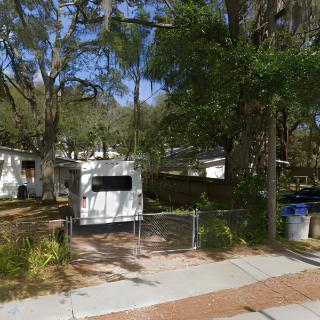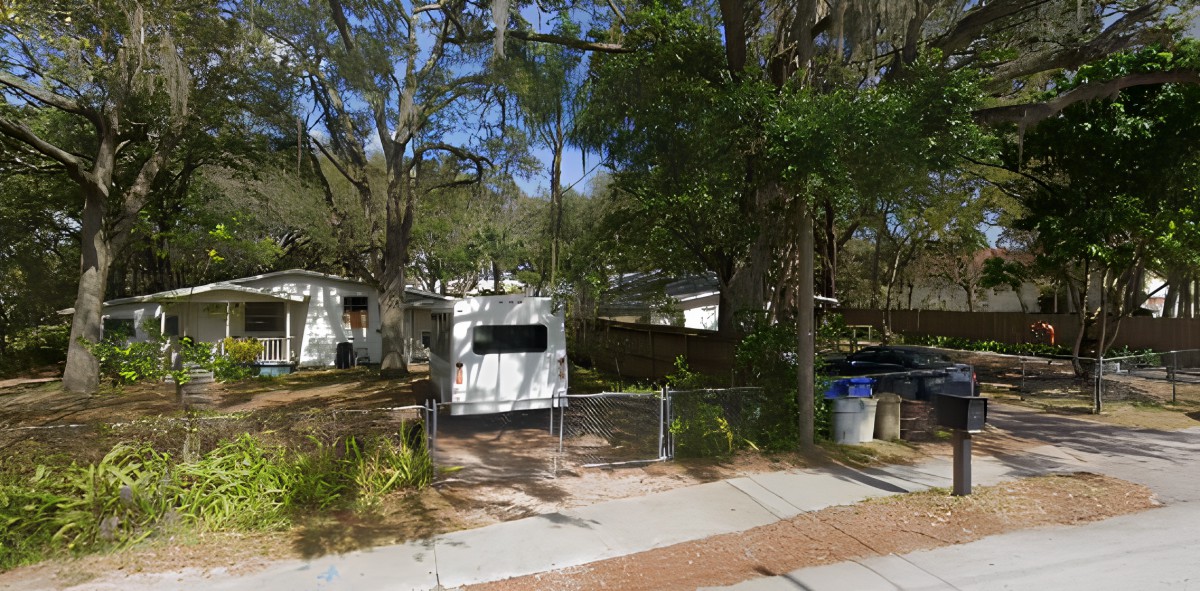
129 West 131St Avenue, Tampa, FL 33612
For more information about senior living options: (866) 208-4318
Overall Review of Feel At Home
Pros
 The facility is just like being at home.
- The staff members are very helpful and knowledgeable about the residents.
- The facility is very clean.
- The meals are home cooked three times a day and appear to be good square meals.
- The smaller sized ALF is very clean and smells great with great staff.
- The combination of cleanliness and capable staff is worth checking out.
Cons
 They knowingly employed an employee with chicken pox.
- Manuel downplayed the infection risk by saying the worker had only been there for two days.
- The reviewer questions how infectious chicken pox is, signaling serious safety concerns.
Review
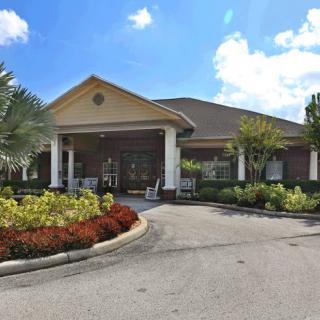
This community is best suited for seniors who want a truly home-like, intimate living experience where a small group of residents feels like neighbors more than residents in a facility. With roughly a dozen people living there, the setting naturally favors personalized attention, easy access to caregivers, and a sense of belonging that larger communities often struggle to reproduce. The environment is described as clean, with staff who are helpful and knowledgeable about each resident’s needs, and meals that are home-cooked and presented as wholesome, consistent fare. For families prioritizing comfort, familiarity, and daily routines that feel almost domestic, this is a strong match.
Those weighing alternatives should consider options that offer more formalized medical oversight and larger staff teams. If medical complexity, rapid response to health changes, or highly structured activity schedules are non-negotiable, a bigger assisted living or a facility with on-site clinicians may be a better fit. Likewise, for residents who require specialized programs, such as memory care tracks or intensive rehabilitation services, the smaller, family-owned model may fall short. In short, this community shines where simplicity, cleanliness, and personal touch drive daily life, but it is less compelling for those who need robust clinical infrastructure.
The strongest positives here, home-like atmosphere, clean facilities, and attentive, knowledgeable staff, do offset some concerns, but they do not erase a significant risk. The compact size facilitates close monitoring and rapid shifts in a resident’s routine, which is a genuine strength when care needs are stable and predictable. The kitchen is warm with home-style meals, and the overall smell and feel contribute to a reassuring sense of “this is a place that cares.” These elements can make daily life more comfortable and dignified, reducing stress for residents and families who value consistency and a familiar cadence. Yet these advantages must be weighed against the main liability: infection control and staffing vulnerabilities in a small operation.
A concerning thread from the reported experiences centers on infection control. One account describes an employee with active sores, possibly chickenpox, working in the home, an exposure risk that is hard to overlook. The owner’s late-clarification on the staff member’s tenure raises questions about screening, supervision, and the speed with which red flags are addressed. In a facility of this size, where residents live in close proximity and depend on staff for daily care, a lapse in infection control policy can quickly erode trust and safety. Families should demand transparent answers: current infection-control policies, vaccination and health-check requirements for all employees, sick-leave practices, and how shifts are covered when staff are out. These policies must be explicit and consistently applied.
Operationally, the home-run feel comes with a trade-off. Family ownership often translates into a warm, responsive culture and a kitchen that delivers comforting meals, but it can also mean limited resources, tighter staffing, and variable training. With roughly 12 residents, continuity of care hinges on reliable staffing and clear procedures. Prospective residents should inquire about staff-to-resident ratios, turnover, daily schedules, and the specific routines that keep residents engaged and safe. A candid discussion about how emergencies are handled, how quickly a resident can access medical attention, and what backup plans exist when a nurse or caregiver is unavailable will reveal whether the setting can sustain high-quality care during ongoing health changes.
In sum, this Feel At Home community presents a compelling choice for families prioritizing a warm, small-scale, clean, home-like environment with dependable daily meals and staff who know residents well. It is less suitable for those who require rigorous medical oversight, comprehensive infection-control assurances, or a facility with deeper clinical resources. For families willing to probe deeply, request current policies on vaccination, sick leave, and incident response; observe daily interactions; talk with current residents about consistency of care; and confirm licensure and inspection history, this option can deliver the comfort and personal attention that many seniors genuinely value. The decision hinges on balancing the precious feel of home against the need for robust safeguards; when that balance aligns, it can be a strong, sensible choice.
 16 resident community capacity
 Assisted Living
 Board and Care Home
 Respite Care
 Cable or satellite TV
 Dining room
 Fully furnished
 Garden
 Housekeeping services
 Move-in coordination
 Outdoor space
 Telephone
 Wi-Fi/high-speed internet available
 Tampa International (8 miles away)
 24-hour supervision
 Activities of daily living assistance
 Assistance with bathing
 Assistance with dressing
 Assistance with transfers
 Diabetes diet
 Meal preparation and service
 Medication management
 Special dietary restrictions
 Transportation arrangement (medical)
 Transportation to doctors appointments





 Comprehensive Insights into Activities of Daily Living (ADLs) and Their Assessment
 Medicare Coverage for Assisted Living: An In-Depth Exploration
 Choosing the Right Senior Care: A Detailed Exploration of Assisted Living and Nursing Homes