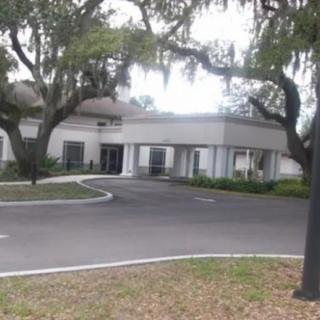
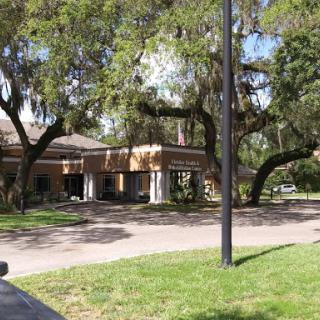
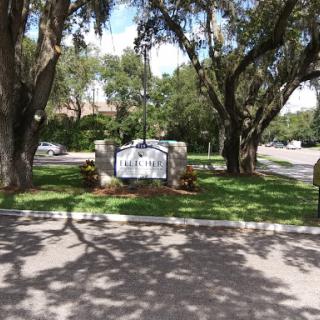
Beverly Health & Rehab Ctr in Tampa, FL
SaveInformation last verified:
518 W Fletcher Ave, Tampa, FL 33612
For more information about senior living options: (844) 490-3973
This community is best suited for families prioritizing aggressive rehabilitation and hands-on clinical leadership, where daily operations are shaped by engaged therapists and a visibly active management team. Several reviews highlight strong physical therapy outcomes and a therapy-first mindset, with residents making real progress under dedicated rehab staff. In places where the DON and administrator are present and reachable, family members report better communication, more transparent care planning, and a sense that the facility is responsive to needs. For families seeking a place that treats rehab as a core mission, and where leadership regularly walks the halls and answers questions, this is a compelling option to consider seriously.
Those who should consider alternatives are families who cannot tolerate inconsistent medication management, delayed response to calls for help, or systemic gaps in safety oversight. Across a wide swath of feedback, there are persistent concerns about missed or delayed medications, disjointed communications with families, and episodes that suggest lax attention to resident safety. Numerous accounts describe long call-light waits, situations where assistance to bathrooms or transfers was not promptly available, and a pattern of staffing strain that leaves some residents feeling neglected. Additionally, multiple reviews raise alarm about billing friction, abrupt or unclear discharge practices, and allegations of misused paperwork or privacy violations. For families that place a premium on predictable daily care, consistent nursing oversight, and airtight administrative processes, alternatives deserve careful comparison.
The strongest positives, robust physical rehabilitation, visible leadership presence, and a climate of attentiveness when management is engaged, can meaningfully offset some drawbacks, but not all. Reviewers consistently praise therapy teams for their expertise, energy, and ability to motivate residents to push toward goals. When the DON or administrator is actively in the building, staff appear more accountable, communications improve, and families feel more included in care planning. In several testimonies, residents report improvements in mobility, daily functioning, and overall mood, with therapy sessions described as the facility’s most reliable asset. These advantages help offset rougher experiences in other domains, illustrating that the facility’s rehab core can be a powerful driver of quality care if paired with steady operational discipline.
Yet the cons carry weight, particularly in the realm of everyday safety and quality of life. A recurring theme is understaffing and inconsistent staffing levels, which translate into slower response times and less individualized attention. Reports of inadequate hygiene, odors, and maintenance issues appear alongside claims of miscommunication about medications, insufficient pain control, and in some cases unsettling experiences involving privacy and dignity. Some families report losses of personal belongings or mismanagement of records, and a small but troubling subset describe experiences that feel coercive or disorganized around insurance and discharge procedures. While not every resident encounters these problems, the frequency and seriousness of such complaints demand a conservative interpretation: the facility’s rehabilitation strengths do not erase systemic risk factors that can undermine safety and trust.
From a practical decision-making standpoint, several concrete steps can help families assess fit with confidence. First, accompany or arrange a frank, on-site meeting with the DON and administrator to gauge responsiveness and transparency. Second, request direct conversations with the therapy team to understand session frequency, goals, and anticipated timelines for mobility or cognitive improvements. Third, observe the environment for cleanliness, odor, and overall orderliness, and ask to speak with current residents and families about day-to-day care and call-light response. Fourth, request recent incident logs and a clear outline of medication administration protocols, as well as a tour of the billing and discharge processes so expectations around coverage and transitions are crystal clear. Language access, transfer reliability, and the facility’s approach to privacy should be on the checklist as well.
In sum, the community presents a mixed-but-manageable picture. For families resolved to prioritize rehab outcomes and who can engage proactively, pressing for timely meds, transparent care plans, and visible leadership, the rehabilitation program can deliver meaningful, tangible gains for a loved one. However, the experience of many residents and their families also underscores substantial red flags: understaffing, inconsistent care, communication gaps, and serious concerns about safety and billing integrity. The bottom line is clear. If rehabilitation is the primary goal and a partnership-style approach with clinicians and administrators is available, this community can be a strong fit with diligent oversight. If steady daily care, reliable medication management, and a consistently uplifting environment are non-negotiables, it is prudent to compare other options more closely and, where possible, seek a trial period or additional references before making a final commitment.
The Beverly Health & Rehab Center in Tampa, FL is a thriving assisted living community located in a convenient and accessible area. Residents here benefit from the numerous amenities that surround the facility, making it an ideal place to call home.
For those looking to grab a quick bite or enjoy a leisurely meal, there are 12 restaurants situated nearby. These dining options offer a variety of cuisines and cater to different palates, ensuring that residents have plenty of choices when it comes to satisfying their taste buds.
Additionally, with two cafes close by, residents can easily meet up with friends for a coffee or a delicious pastry. These cozy spots provide a comfortable atmosphere for socializing and enjoying some downtime.
For outdoor enthusiasts, there is one park in close proximity to the community. This allows residents to take pleasant strolls, engage in outdoor activities like picnicking or simply enjoy the natural scenery and fresh air.
Healthcare needs are well-covered, as there are 20 pharmacies nearby where residents can conveniently fill prescriptions and access any necessary medications. Furthermore, having eight physicians nearby ensures that medical consultations and treatments are readily available whenever needed.
Transportation options are plentiful with two transportation services located nearby. This grants residents easy access to visit other parts of the city or attend appointments without worrying about arranging transportation.
In addition to catering to physical needs, this community also respects and supports residents' spiritual well-being. With three places of worship situated near the facility, individuals can practice their faith and participate in religious activities as desired.
Lastly, having four hospitals nearby offers peace of mind knowing that immediate medical attention is within reach should an emergency arise.
Overall, the Beverly Health & Rehab Center provides an all-encompassing lifestyle filled with convenience, diverse dining options, healthcare accessibility, recreational opportunities, spiritual support, and easy transportation access, a truly exceptional assisted living community for individuals seeking comfort and quality care in Tampa's vibrant environment.
Beverly Health & Rehab Ctr is located at 518 W Fletcher Ave, Tampa, FL 33612 in Hillsborough County, Florida
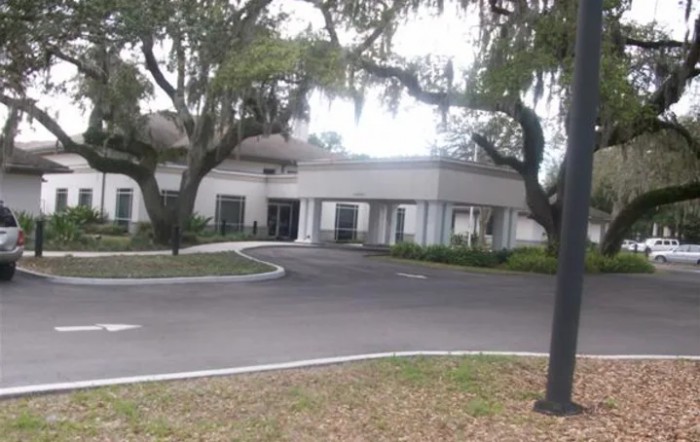
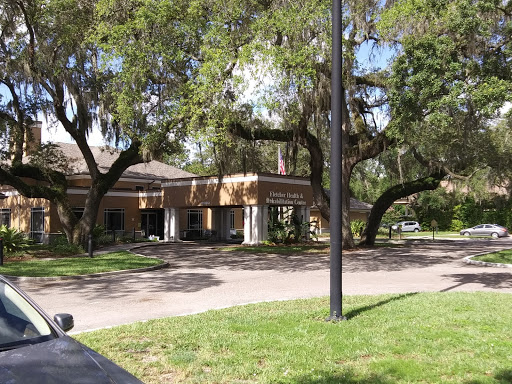
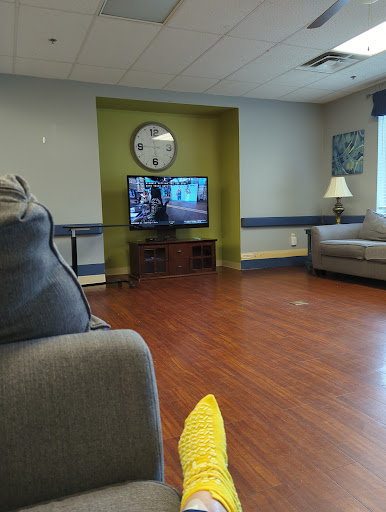
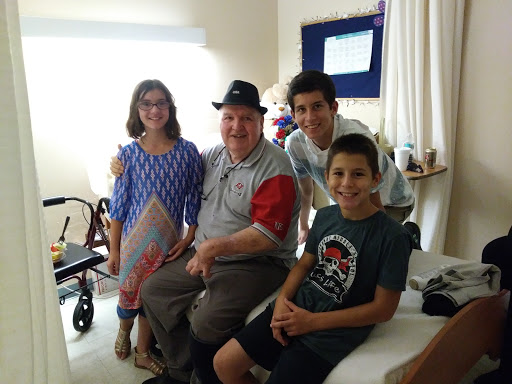
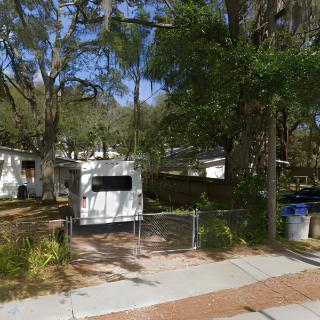
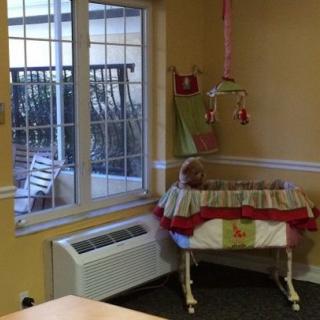
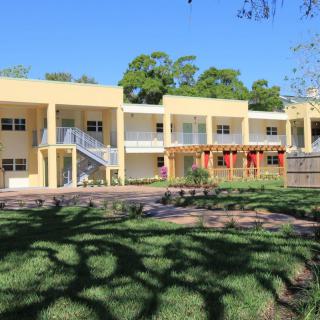
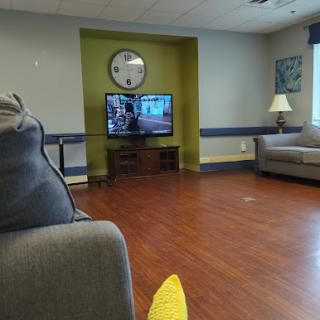
Beverly Health & Rehab Ctr on seniors.fyi includes 7 photos including images showing landscaping, trees, building, television, healthcare, interior, park, entrance, and more.
Caring for Those Who Care: Recognizing, Understanding, and Overcoming Caregiver Burnout

Caregiver burnout is a common issue resulting from the intense physical, emotional, and mental demands of caregiving, leading to symptoms like fatigue and social withdrawal. To prevent burnout, caregivers should recognize early warning signs and implement self-care strategies, seek support, and prioritize their own well-being alongside that of those they care for.
Caregiver Exhaustion: Recognizing the Signs and Restoring Your Well-Being

Caregiver exhaustion, or burnout, stems from the relentless demands of caregiving, leading to emotional and physical depletion characterized by stress, frustration, and neglect of personal needs. Addressing this burden is essential to prevent long-term consequences, with early recognition and support being crucial for caregivers to maintain balance and implement self-care.
Understanding Hospice Care at Home: Comprehensive Services, Key Benefits, and Eligibility
Hospice care at home provides specialized end-of-life support that focuses on comfort and dignity for individuals with life-limiting illnesses, offering a range of services including medical management, emotional and spiritual support, and logistical assistance tailored to the family's needs. It involves collaboration to create individualized care plans and extends to bereavement support after a loved one's passing.