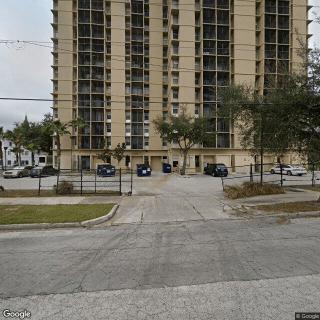
Dacco Behavioral Health III is an assisted living community in Tampa, FL.
Information last verified:
4422 East Columbus Drive, Tampa, FL 33605
For more information about senior living options: (866) 208-4318
3.2 from 111 reviews
5 stars
48
4 stars
8
3 stars
11
2 stars
5
1 stars
39
Overall Review of Dacco Behavioral Health III
common16 reviews mention this
Caring counselors get mentioned most
Residents and families frequently describe caring, supportive staff and counselors.
A recurring theme in the reviews is that many people felt supported by counselors, nurses, and other staff during their time there. Several reviews describe counselors as understanding, kind, professional, or going above and beyond. Some also connect that support to progress like staying sober longer, finding resources, or completing treatment.
caveat15 reviews mention this
Unprofessional behavior is a major concern
Several reviews criticize unprofessional conduct and poor responsiveness from staff.
Alongside positive experiences, many reviews raise concerns about professionalism and communication. Complaints include rude or impatient front-desk interactions, missed follow-ups, and feeling ignored when trying to reach someone or escalate issues. Other reviews also describe disorganization that adds stress during scheduling, appointments, or day-to-day processes.
caveat9 reviews mention this
Disorganization affects appointments and records
Reviews repeatedly mention delays, missed requests, and overall disorganization.
Many reviewers describe problems with getting appointments scheduled, not getting calls back, or conflicting hours. There are also complaints about delayed records requests and issues that took time to resolve. A number of these accounts point to a lack of clear coordination across staff during important paperwork and intake steps.
common8 reviews mention this
Medication processes come up often
Multiple reviews discuss medication handling and medication-related setbacks.
Several reviews reference medication management, including receiving medication and concerns when something was denied or not handled correctly. Others mention challenges around prescriptions or treatment plans, including medication costs or the financial strain of MAT. While some describe support in accessing treatment, others describe situations that felt inconsistent or harmful.
caveat6 reviews mention this
Strict rules and security feel harsh
Some residents describe a strict environment that felt punitive.
A recurring negative theme is how strict the program can feel, including rules tied to meetings and consequences when expectations are not followed. Several reviews compare the residential experience to jail-like conditions or describe security-style behavior. Other accounts describe disruptions like belongings or access issues, which added to the stress of being there.
How we summarize
Counts show how many written reviews mention each theme; a review can touch several themes, and only frequently mentioned themes are displayed.
Features
Housing
4 resident community capacity
Types of Care
Assisted Living
Amenities
Cable or satellite TV
Dining room
Fully furnished
Garden
Housekeeping services
Move-in coordination
Outdoor space
Telephone
Wi-Fi/high-speed internet available
Transportation
Tampa International (8 miles away)
St. Petersburg-Clearwater International (17 miles away)
Assisted living facilities provide support for older adults needing help with daily activities without extensive medical care, but their costs can be high and vary by location and services offered. Families often seek various funding options and financial strategies to manage these expenses effectively while considering future needs and potential price increases.
The article discusses assisted living expenses, the importance of long-term care insurance in covering these costs, and various financing options, highlighting the need for careful policy review and early planning to address potential needs. It also clarifies common misconceptions about Medicare and private health insurance limitations regarding long-term care coverage.
Assisted living facilities offer crucial support for older adults needing help with daily activities but come with varying and significant costs, which can be financed through personal savings, government assistance programs, long-term care insurance, and home equity options. Professional guidance from experts can aid families in navigating these financial complexities to establish a sustainable budgeting approach for assisted living services.
Get PricingAsk A QuestionSchedule A TourContact Senior Advisor
By clicking submit, you agree to our Partner's Terms of Use. You
also consent to receive calls and texts, which may be autodialed, from our Partner. Your consent is not a condition to
using our Partner's service. Please visit our Partner's Privacy Policy for information about their privacy practices.

 4 resident community capacity
 Assisted Living
 Cable or satellite TV
 Dining room
 Fully furnished
 Garden
 Housekeeping services
 Move-in coordination
 Outdoor space
 Telephone
 Wi-Fi/high-speed internet available
 Tampa International (8 miles away)
 24-hour supervision
 Activities of daily living assistance
 Assistance with bathing
 Assistance with dressing
 Assistance with transfers
 Diabetes diet
 Meal preparation and service
 Medication management
 Special dietary restrictions
 Transportation arrangement (medical)
 Transportation to doctors appointments
 Personalized care with daily activities and comprehensive amenities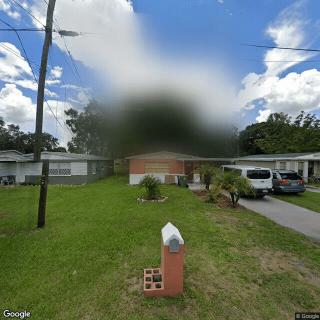

 Funding and Affording Assisted Living: A Thorough Overview
 Assisted Living Expenses and Long-Term Care Insurance: A Comprehensive Exploration
 Securing Financial Support for Assisted Living: A Comprehensive Overview