

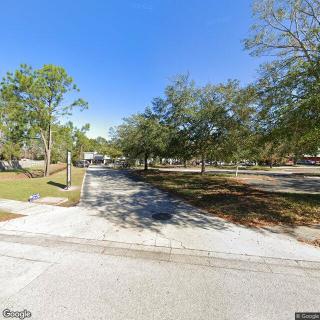
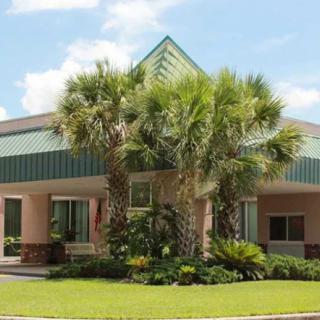
100 Hillcrest Heights, St. Johns, FL 32259
For more information about senior living options: (866) 208-4318
Overall Review of The Legacy at St. Johns
Pros
 The Legacy at St. John’s is a beautiful facility run by caring and compassionate people.
- The facilities are clean and the staff are helpful and friendly.
- Legacy provides wonderful care and love to residents.
- The Legacy offers a home-away-from-home atmosphere with very caring staff.
- The staff and owners are kind, and the facility is well maintained and clean.
- The Legacy provides great food and engaging activities.
- The Legacy’s staff and owners are caring and feel like family to families.
- The Legacy recently expanded to a Memory Care portion, continuing quality care.
Cons
 The Legacy at St. Johns is described as dangerous care; leaving a loved one there is effectively saying goodbye.
- The head nurse and owner allegedly claimed all patients are on Depacote, a depressive drug not suitable for memory care, and they should be ashamed to claim memory care.
- The facility is described as ill-equipped to provide care, with greed driving its operations rather than the well-being of the elderly.
- One reviewer warns that the nursing home allows patient-on-patient abuse, serves food with insects (dead roaches), and neglects residents for a week.
- The facility is old and dreary, even though some rooms are clean.
Review
The Legacy at St. Johns is best suited for families seeking a small, privately owned memory-care–focused community in St. Johns, Florida, where the emphasis is on intimate, hands-on care and genuinely warm interactions between residents, staff, and families. This setting works well for seniors who thrive on personal attention from a stable, nurturing team and who want a home-like atmosphere rather than a large, corporate campus. The facility earns praise for cleanliness, engaged caregivers, and a culture of partnership with families, underscored by long-tenured residents and grateful relatives. The addition of a dedicated memory-care wing confirms a sustained commitment to the population that often needs slower, more predictable routines and heightened security.
Those weighing alternatives should consider that the strong, private-feel environment may not fit every need. If a care plan requires heavier medical oversight, more aggressive nursing protocols, or a larger organization with standardized governance, other options might be preferable. A small, family-owned setting can be incredibly responsive, but it may also present variability in staffing coverage and consistency in medical management when compared with bigger operators. The serious, negative reviews alleging neglect or unsafe practices are signals demanding careful vetting and direct inquiry before any decision, especially for families evaluating memory care versus assisted living.
Strong pros include a consistently clean, attractive facility and staff described as kind, caring, and attentive. The dining experience and available activities receive frequent commendations, contributing to a sense of liveliness rather than dormancy. Ownership matters here: a privately run environment often translates into accessible leadership and a willingness to tailor plans to individual needs. The memory-care expansion signals ongoing investment and a commitment to offering a more appropriate, secure setting for residents with memory challenges, which can assuage fears about transitions or escalating care requirements.
However, the most alarming critiques cannot be ignored. A handful of reviews allege dangerous care, medication mismanagement, or neglect, and even a claim about pests in meals. While these represent a minority in the overall picture, they illuminate potential blind spots such as staffing consistency, patient safety practices, and quality-control oversight. Such reports demand rigorous investigation, assess licensing history, tour with a critical eye toward incident reporting and response, and verify medication governance. The contrast between these outliers and the many positive experiences means due diligence is essential to separate troubling risks from genuine strengths.
Decision steps should be direct and practical. Arrange an in-person tour with the administrator and request a candid discussion about staffing ratios, especially in memory care, and the cadence of supervision across shifts. Inquire about the specifics of the memory-care program, safety features, daily routines, and how engagement is tailored to individual histories. Review dining operations, kitchen cleanliness, and meal quality, and observe interactions between caregivers and residents during a visit. Check state inspection records and ask for references from current families to understand day-to-day realities. Gather a clear picture of how family involvement is integrated into care planning and daily life.
Bottom line: The Legacy at St. Johns offers a compelling option for families prioritizing a warm, home-like environment with a proven track record of compassionate care and a growing memory-care footprint. It shines for those who value hands-on ownership, accessibility, clean facilities, good meals, and meaningful activities. The primary caveat concerns safety and oversight as raised by a minority of reviews; those weighing final placement should conduct thorough due diligence, verify medical capabilities for the loved one’s specific needs, and compare experiences from several current families. When the fit aligns, this community can deliver stability, dignity, and genuine peace of mind for both residents and families.
 82 resident community capacity
 1-bedroom apartments
 Assisted Living
 Independent Living
 Activities on-site
 Air-conditioning
 Beautician on-site
 Cable or satellite TV
 Computer center
 Devotional services off-site
 Dining room
 Fitness room
 Full kitchen
 Fully furnished
 Gaming room
 Garden
 Housekeeping services
 Indoor common areas
 Laundry
 Move-in coordination
 Outdoor space
 Private bathrooms
 Respite or short term stays offered
 Restaurant-style dining
 Security gate
 Small library
 Telephone
 Wellness center
 Wi-Fi/high-speed internet available
 Community operated transportation
 24-hour call system
 Ambulatory care
 Assistance with bathing
 Assistance with dressing
 Assistance with transfers
 Diabetes diet
 Diabetic care
 Medication management
 Special dietary restrictions
 Concierge services
 Planned day trips
 English






 Choosing the Right Senior Care: A Detailed Exploration of Assisted Living and Nursing Homes
 Understanding the True Cost of Assisted Living in 2025: A Comprehensive Guide
 Understanding Medicaid Coverage for Assisted Living: A Comprehensive Guide