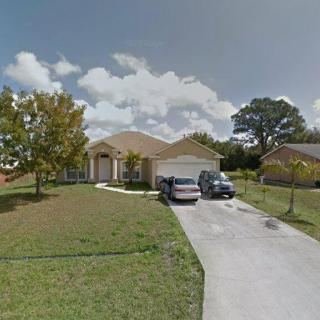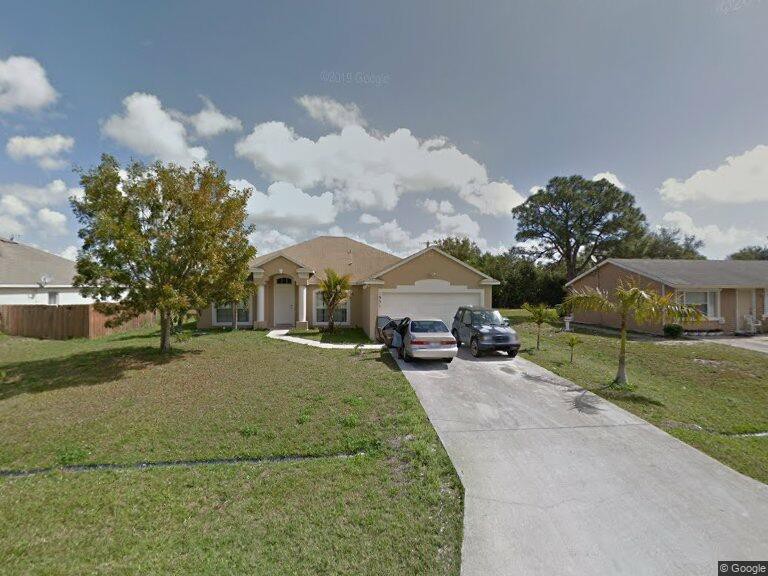
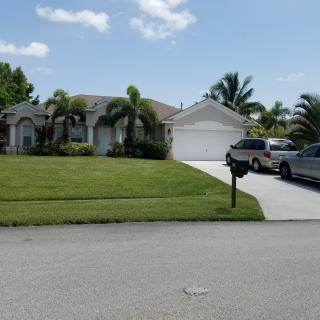
1931 South West Mcallister Lane, Port Saint Lucie, FL 34953
For more information about senior living options: (866) 208-4318
Overall Review of New Day Assisted Living
Pros
 She is doing so much better.
 - She gets personalized one-on-one care with a friendly caring staff.
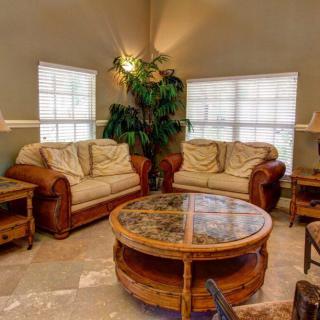
- It is just like being at home for her.
- Her medical background and experience help mom get the best care possible and kept everyone on their toes.
- This facility has been an answered prayer.
- Marcia and Stacha run a beautiful home.
- Quality care in a clean, comfortable home-like environment.
Cons
 The nursing home had staffing issues.
- Residents would wander the halls with little supervision.
- The facility housed a large population of elderly residents with dementia and Alzheimer's.
Review
New Day Assisted Living in Port Saint Lucie is best suited for families seeking a compact, home-like setting where residents receive highly individualized attention and caregivers form real, ongoing connections. The strongest takeaway from the reviews is the pattern of one-on-one care delivered with genuine warmth, creating an atmosphere that feels like a private home rather than a clinical facility. The environment supports daily living with routines that honor independence while ensuring safety, and it emphasizes meaningful engagement rather than passive supervision. For seniors facing memory challenges, this intimate model translates into calmer days, predictable routines, and a level of staff visibility and responsiveness that reduces the anxiety often associated with care transitions.
Those who may want alternatives are those whose loved ones require hospital-grade nursing around the clock, or who need the breadth of therapies and programs that come with larger campuses. In a smaller home, the scale of medical staffing, specialized memory-care programming, and on-site amenities may be more limited. If the priority is extensive, on-site rehabilitation, a broad array of therapeutic services, or a highly structured dementia program, a larger community could be a better fit. Likewise, if proximity to highly diverse activities, or a campus-wide calendar of events, outweighs the benefits of a homey setting, exploring other options is prudent.
The main strengths, personalized care, a home-like ambiance, and proactive advocacy, more than compensate for the potential gaps in scale. The intimate staff-resident dynamic enables care plans to be tailored to individual routines and preferences, with safety checks that feel thorough and unobtrusive. Clean, organized spaces, plus attention to nutrition and social engagement, reinforce daily well-being and mood. Most notably, the staff’s advocacy during medical events, engaging with hospitals, coordinating care, and keeping the family informed, delivers reassurance that medical needs are understood and addressed promptly. When families face healthcare decisions, this level of engagement can be the decisive factor in choosing a smaller, trusted home over a larger, more impersonal setting.
Prospective families should verify several specifics before deciding. Confirm staffing levels and who oversees memory care, since dementia care tends to be a central concern for residents and families. Seek clarity on how medical appointments are coordinated and how hospital communications are handled, as the reviews highlight consistent advocacy as a core strength. Review the daily activity cadence, opportunities for independence in activities of daily living, and the quality of meals, since nourishment and meaningful engagement drive satisfaction in this model. Finally, assess the process for ongoing family updates and the role of owners or managers in day-to-day care decisions, because the most reassuring narratives come from hands-on leadership that stays closely connected to residents’ lives.
From a decision-making perspective, the intimate, relationship-driven approach makes a compelling case for families prioritizing dignity, connection, and steady oversight. The consensus across experiences suggests that residents thrive when care feels personal, respectful, and consistently present, with staff who know preferences, routines, and warning signs. The home-like ambiance supports comfort and preserves independence, reducing the distress that often accompanies transitions into care. Admittedly, the lack of a large-scale program may be a drawback for those equating quality with breadth of amenities; in this model, quality is measured by attentiveness, reliability, and the effectiveness of daily support rather than by campus size.
Bottom line: for seniors who flourish in a small, devoted, home-centered setting and whose families value active advocacy and transparent communication, New Day Assisted Living presents a trustworthy option in Port Saint Lucie. Those requiring robust medical staffing, extensive on-site therapies, or highly structured memory-care protocols may want to explore larger communities. The consistent testimonials about compassionate ownership, clean and comfortable spaces, and a clear commitment to daily living coherence offer a strong signal of reliability and peace of mind. A candid visit, meeting the owners, observing the daily rhythm, and asking pointed questions about memory-care experience and hospital coordination, will reveal whether this intimate model aligns with the resident’s needs and the family’s expectations, turning early doubts into a confident, informed choice.
 6 resident community capacity
 Assisted Living
 Cable or satellite TV
 Dining room
 Fully furnished
 Garden
 Housekeeping services
 Move-in coordination
 Outdoor space
 Telephone
 Wi-Fi/high-speed internet available
 24-hour supervision
 Activities of daily living assistance
 Assistance with bathing
 Assistance with dressing
 Assistance with transfers
 Diabetes diet
 Meal preparation and service
 Medication management
 Special dietary restrictions
 Transportation arrangement (medical)
 Transportation to doctors appointments


 Comprehensive Insights into Activities of Daily Living (ADLs) and Their Assessment
 Medicare Coverage for Assisted Living: An In-Depth Exploration
 Your Comprehensive Guide to Luxury Assisted Living: Elevated Facilities, Amenities, and Costs