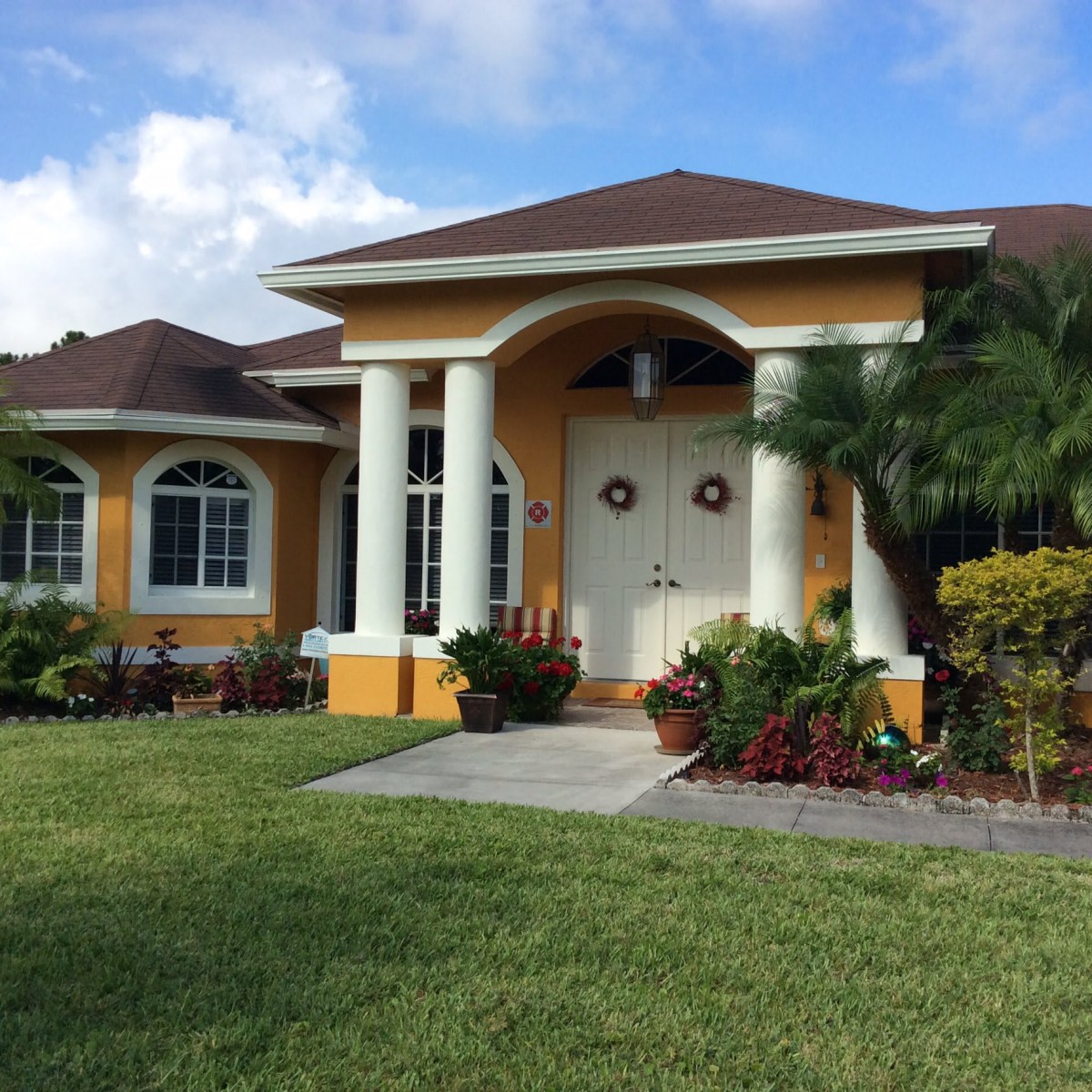
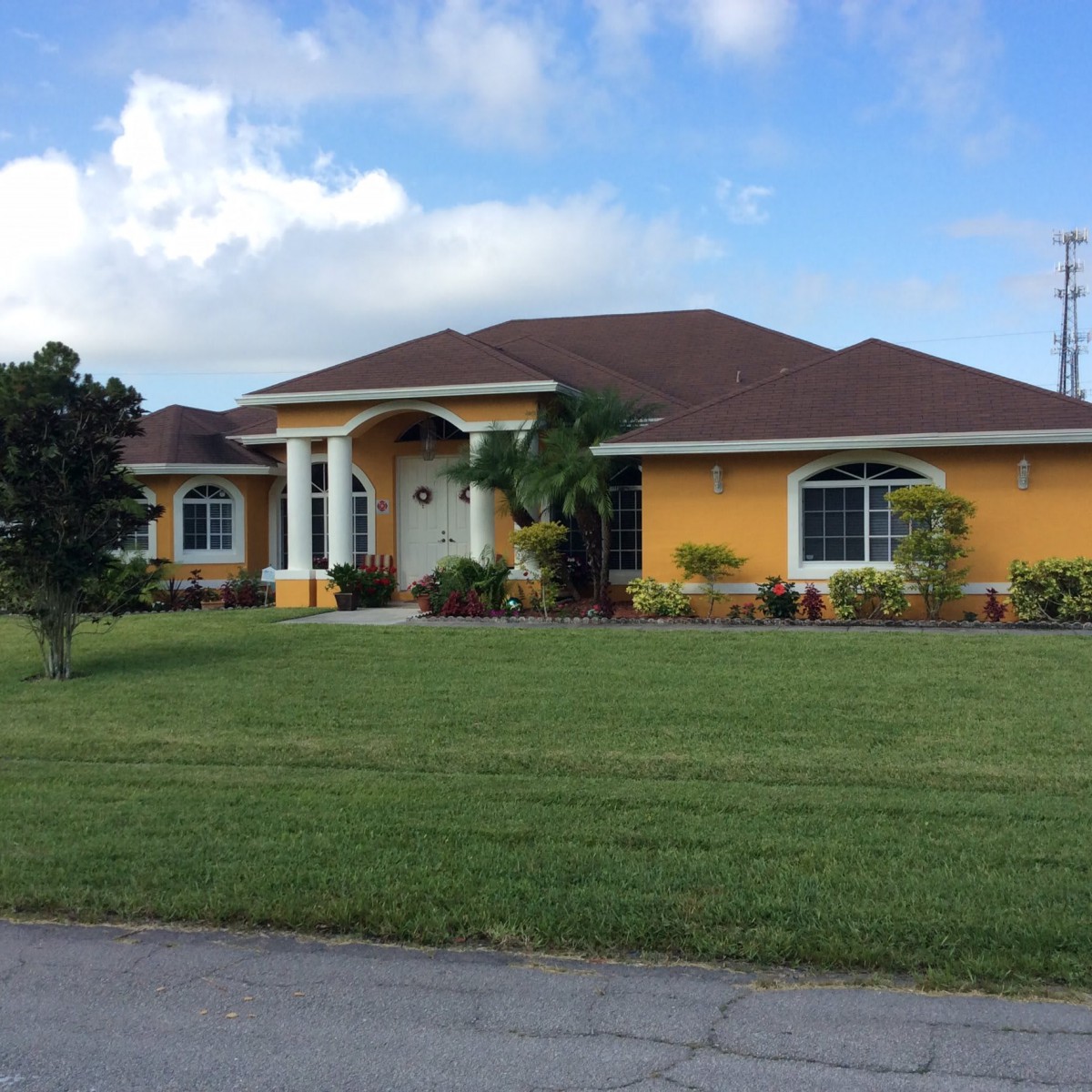
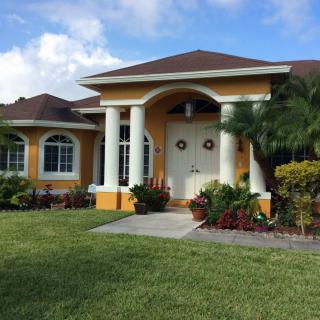
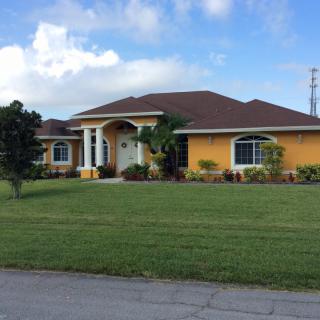
2102 SW Larchmont Lane, Port St Lucie, FL 34984
To contact a resident: (772) 240-9850
For more information about senior living options: (866) 208-4318
Loving Care of the Treasure Coast, LLC Costs & Pricing
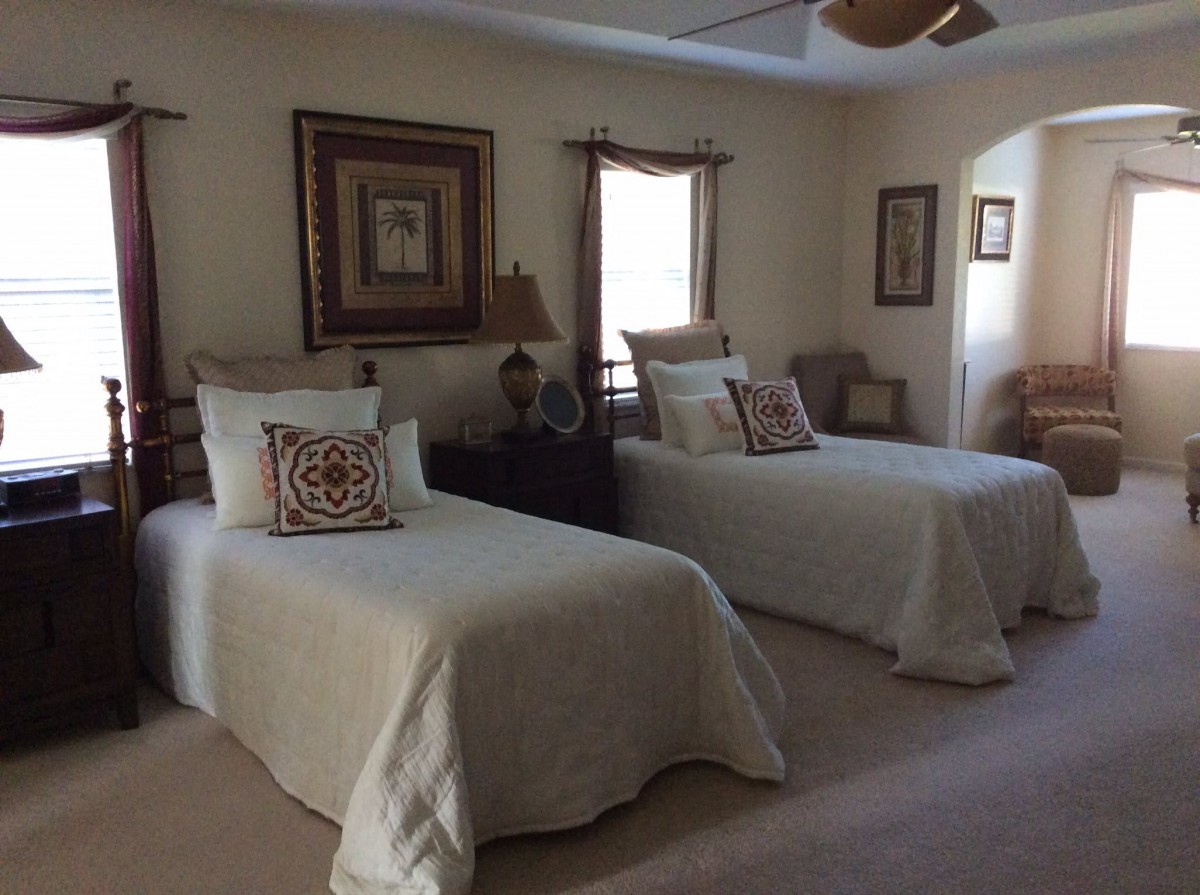
Loving Care of the Treasure Coast, LLC offers a competitive range of pricing for its room types, reflecting both the quality of care provided and the local market conditions. For semi-private rooms, the monthly cost is set at $3,200, which is notably higher than the St. Lucie County average of $2,717 but remains lower than the state average of $3,009. In terms of private accommodations, their rate stands at $3,500, which is slightly more affordable than both county and state averages of $3,665 and $3,699 respectively. For those seeking one-bedroom options, Loving Care charges $4,000 per month - a figure that surpasses the local average of $3,747 and the statewide average of $3,864. Overall, while some costs may exceed local averages, they reflect a commitment to personalized care and an environment conducive to well-being.
| Floor plans | Loving Care of the Treasure Coast, LLC | St. Lucie County | Florida |
|---|---|---|---|
| Semi-Private | $3,200 | $2,717 | $3,009 |
| Private | $3,500 | $3,665 | $3,699 |
| 1 Bedroom | $4,000 | $3,747 | $3,864 |
Memory care communities with a similar price nearby
-
from +$590 / mo
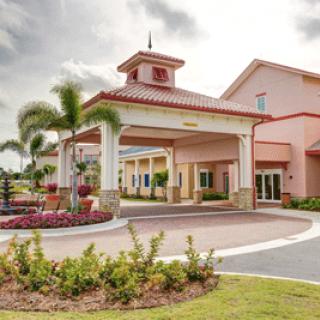
Symphony at Stuart
$3,790 to $5,320 / month12.0 miles away -
About the same
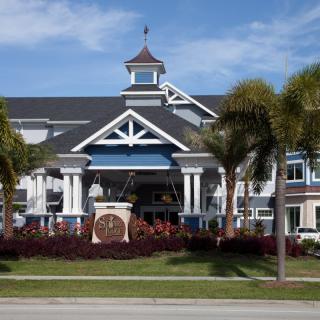
Stuart Lodge Living
$3,150 to $6,690 / month9.7 miles away -
About the same
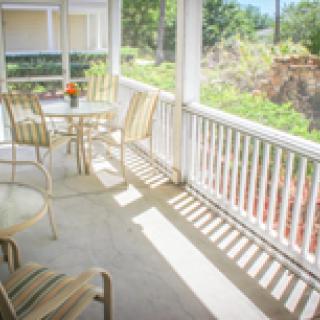
Lake Forest Park
$3,150 to $4,350 / month9.4 miles away -
from +$250 / mo
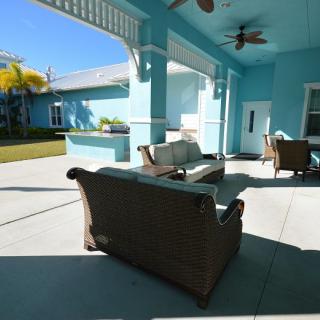
Grand Oaks of Jensen Beach
$3,450 to $3,850 / month6.6 miles away -
from -$300 / mo
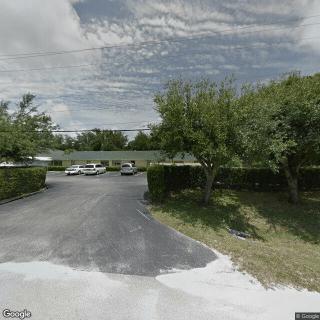
Broadmoor ALF
$2,900 to $3,200 / month8.7 miles away
Overall Review of Loving Care of the Treasure Coast, LLC
Pros
 The staff are very caring and loving toward residents.
- The facility is consistently clean, welcoming, and well kept.
- It has been a good move for residents and their families.
- The staff are wonderful, loving, and caring, and the community feels like family.
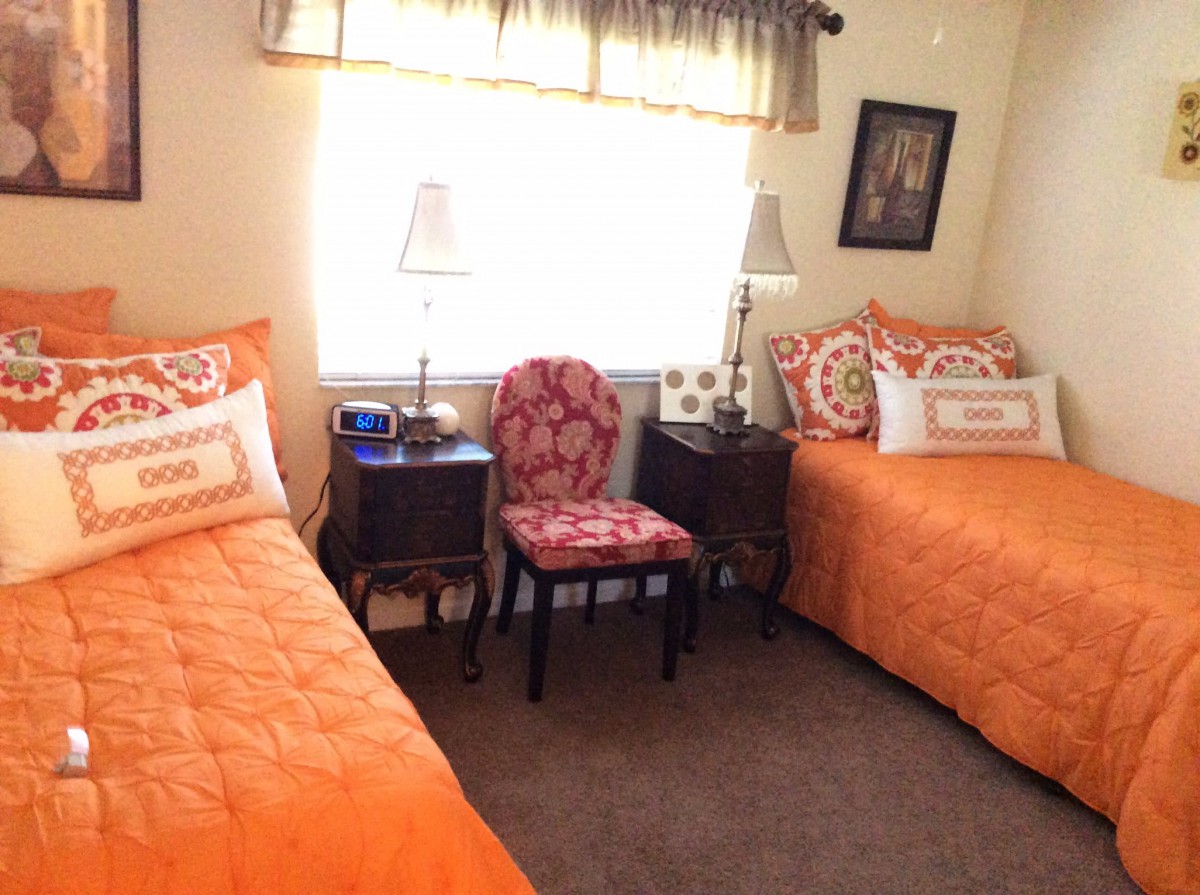
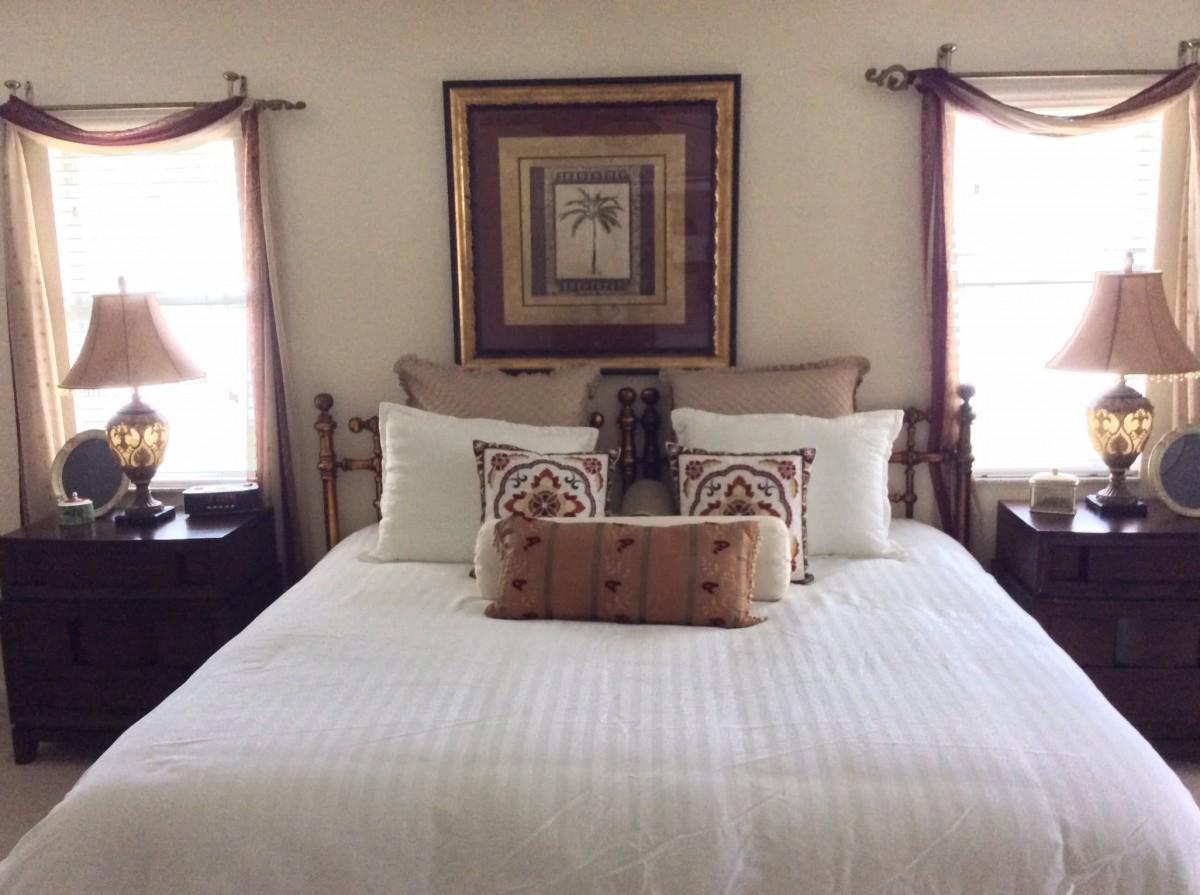
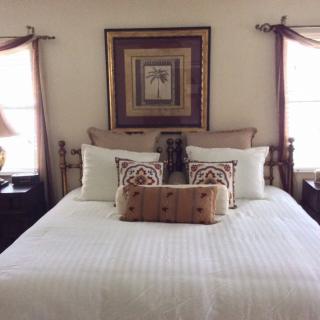
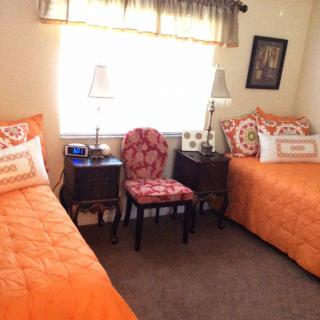
- Rooms are spacious with ample closet and walking space.
- The meals are top-notch, nutritious, and often home-cooked.
- Residents dine together at meals, creating a warm, community atmosphere.
- The staff treat residents with compassion and respect and are professional in all respects.
- They are highly recommended by families seeking this type of assisted living.
Cons
 One reviewer found it very hard to talk to anyone and could not get questions answered.
- Another reviewer doubted whether the facility could care for their loved one due to behavior issues.
- A reviewer stated the cost was not within their budget.
- A reviewer noted that the hospice care did not offer activities.
Review
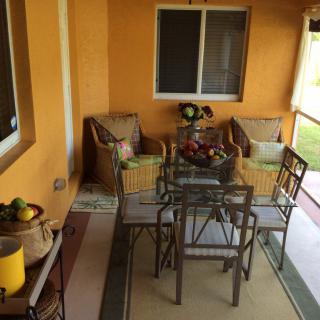
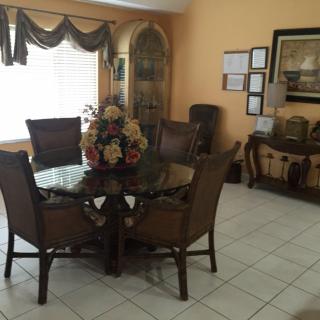
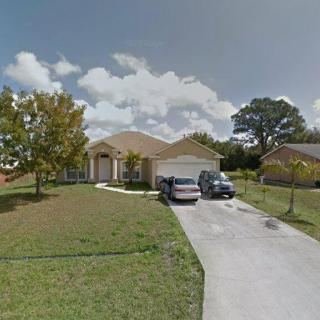
Loving Care of the Treasure Coast is best suited for families seeking a warm, home-like assisted living experience in Port St. Lucie, where seniors receive highly attentive, personalized care in a small-house setting. This community shines for residents who prioritize cleanliness, a comfortable, safe atmosphere, and intimate daily interactions with staff and fellow residents. It is especially well-suited for those who value home-cooked meals, easygoing routines, and a neighborhood feel over a large, institutional environment. Individuals needing intensive medical oversight, complex clinical care, or robust memory-care programming should consider alternatives.
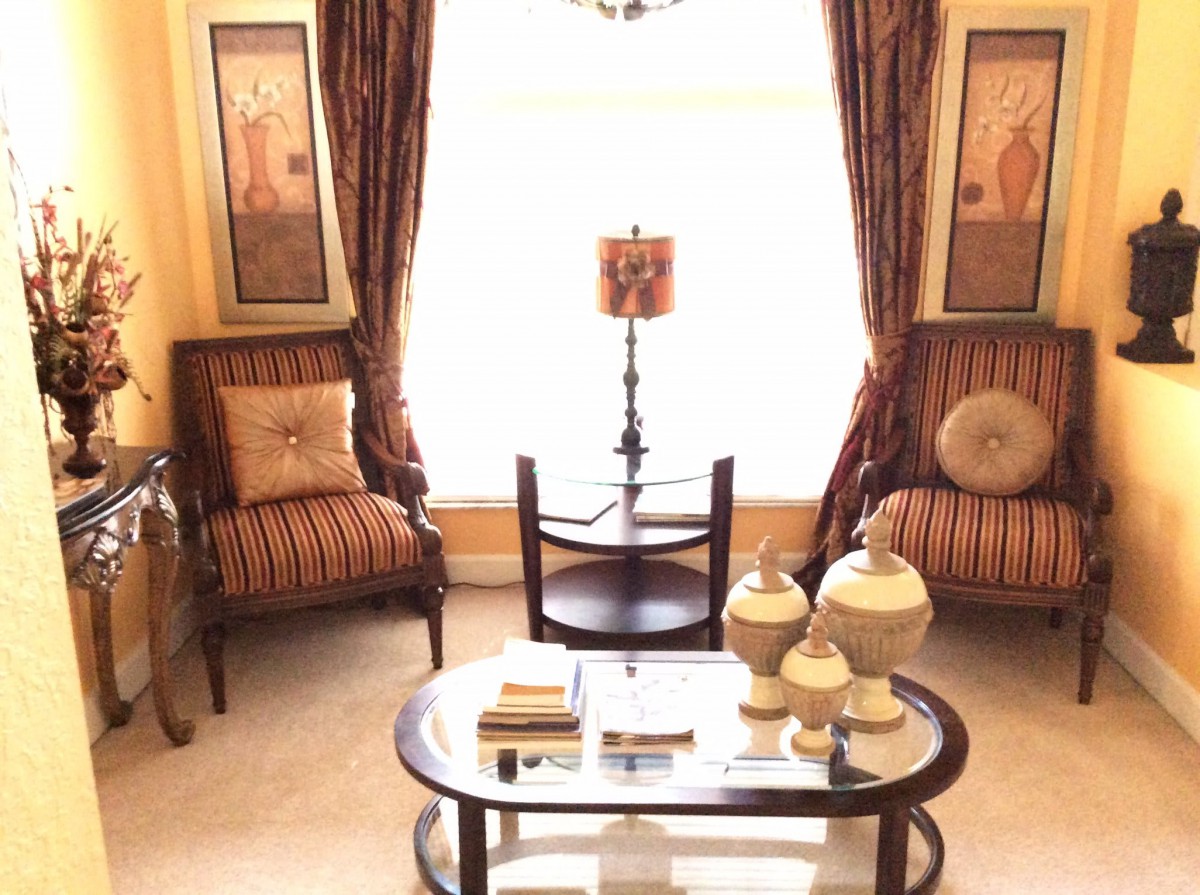
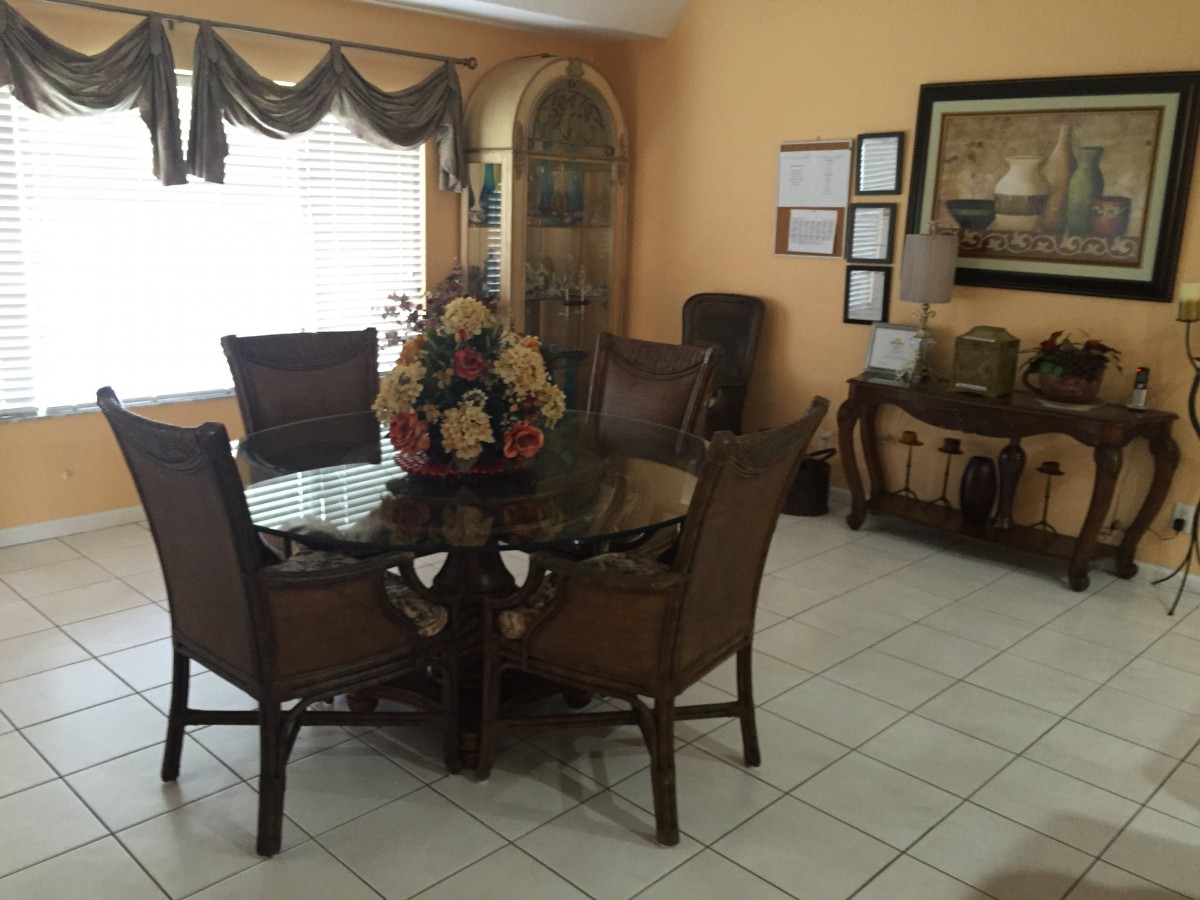
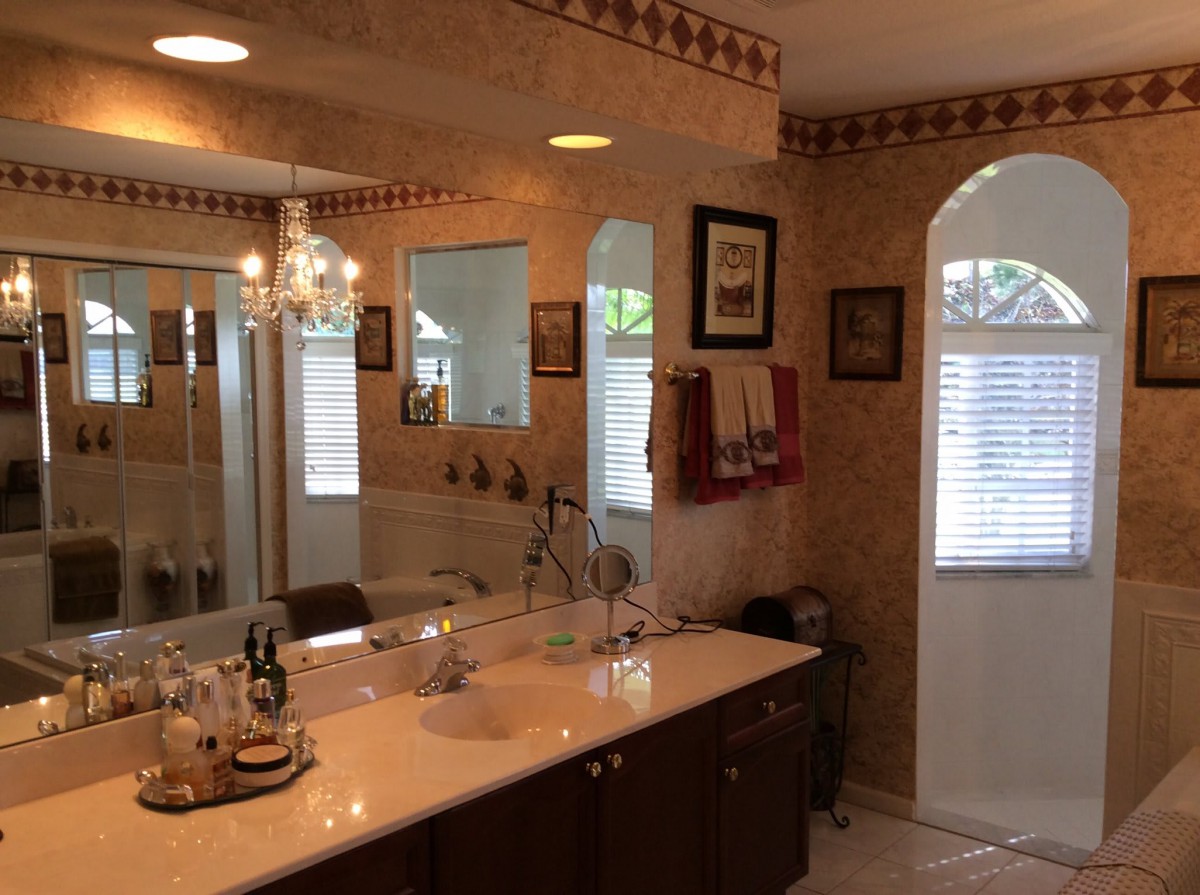
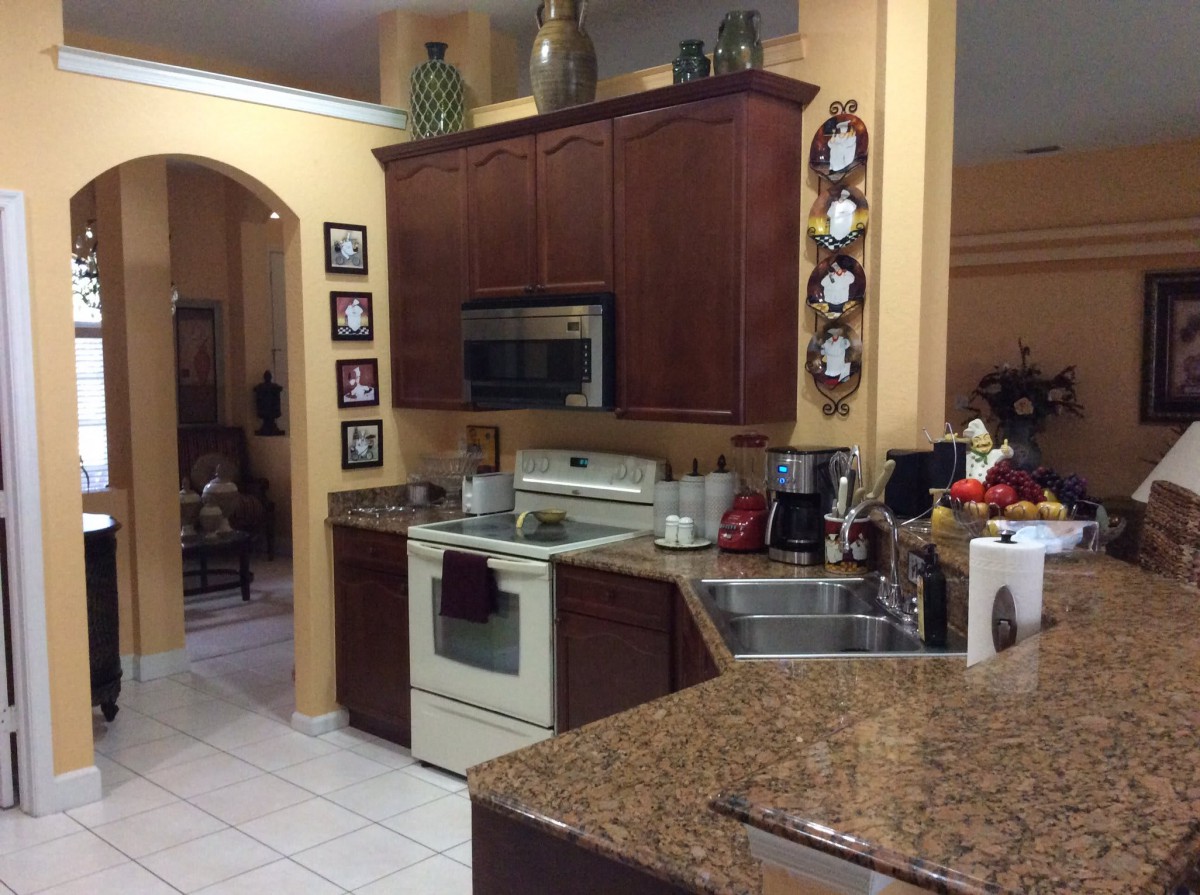
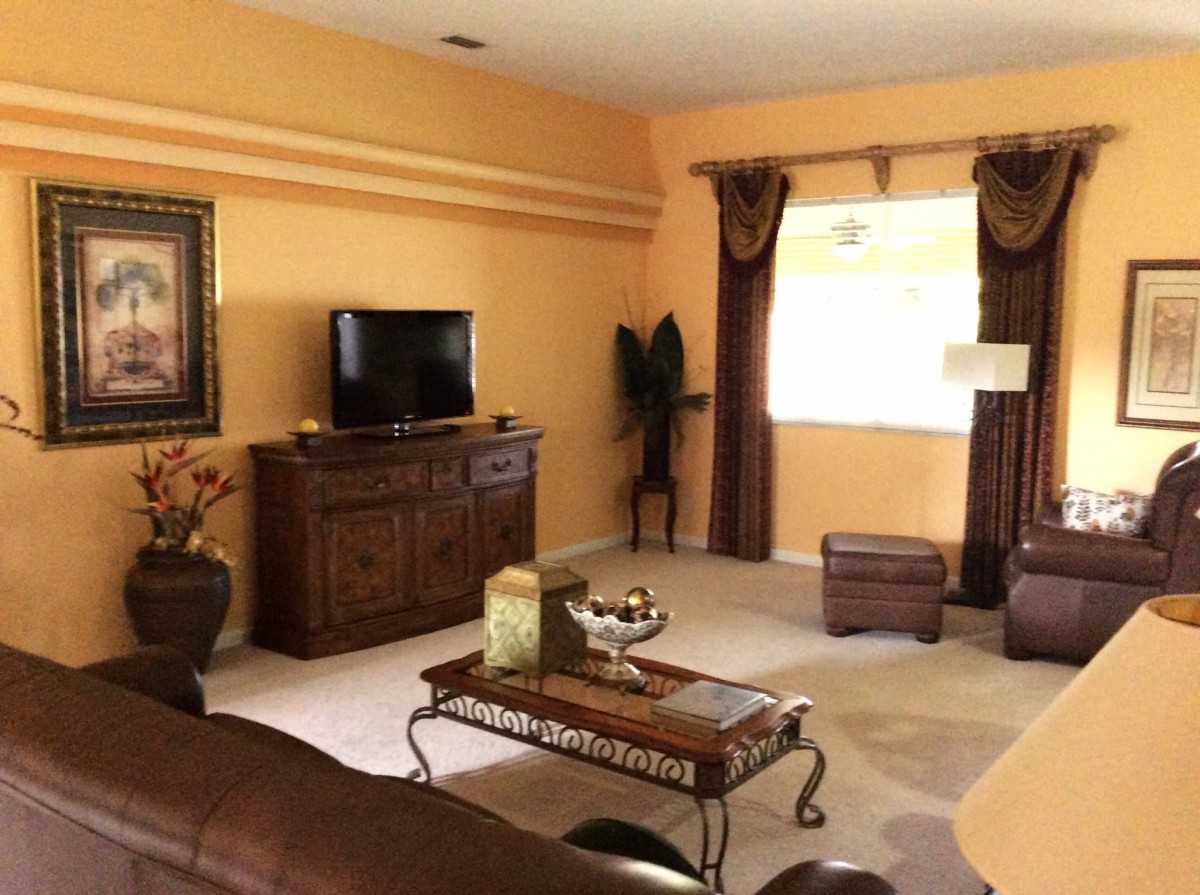
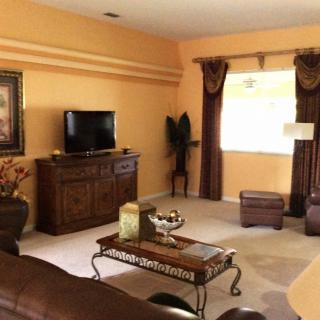
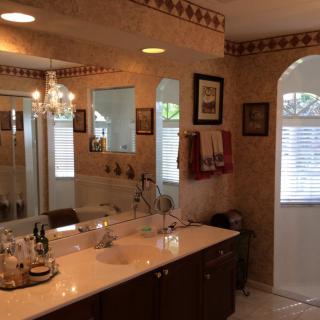
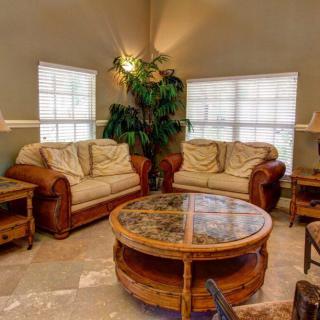
The strongest positives center on the staff’s genuine care and the setting’s intimate nature. Reviews repeatedly praise staff kindness, respect, and a sense of family within the home. The facility’s standard of cleanliness is consistently highlighted: rooms that feel roomy, ample walking space, accessible bathrooms with safety bars, and a decor that resembles a well-kept residence. Residents benefit from one-on-one attention in a small group, often only five residents in a given home, allowing caregivers to stay attuned to individual needs and preferences. Families report being kept up to date on health and weight trends, and they appreciate the transparent, easy move-in process and the inclusive dining experience where meals are shared and prepared with attention to nutrition.
Food quality and daily life routines emerge as standout contributors to well-being. Home-cooked meals, varied menus, and meals taken together at the table create a comforting, participatory atmosphere that reinforces a sense of belonging. Activities, music, and opportunities for socialization are present, and the environment supports residents who like to stay engaged without feeling overwhelmed by a larger, more crowded facility. The small scale also supports safety and ease of visitation, with families able to drop in and participate in daily life more readily than at larger communities.
Yet, the model carries some clear trade-offs. A recurring concern is inconsistent access to staff when questions arise. One reviewer notes difficulty finding someone to speak with and occasional delays in getting answers, which can be unsettling for families seeking timely updates. Another limitation tied to the size and care philosophy is suitability for residents with behavioral or more advanced medical needs; praise for the home-like setting does not erase the reality that a small house with a tight staff-to-resident ratio may not meet higher-acuity requirements. Finally, while several families find the pricing favorable, others see cost as a factor in decision-making, recognizing that value comes from the balance of intimate care, meals, and daily life against what alternative facilities charge.
In weighing pros and cons, the benefits of a clean, affectionate, home-like environment with highly attentive staff and nourishing meals often outweigh the downsides for the right resident. The intimate setting cultivates meaningful interactions, consistent routines, and visible family involvement, all of which contribute to a sense of security and happiness. The potential gaps, communication lags and limits on higher-acuity care, are mitigated by proactive scheduling, a transparent move-in process, and the opportunity to observe staff-resident rapport during tours and visits. Families can push for specifics on communication protocols, weekly care updates, and the exact level of daily supervision to ensure alignment with a loved one’s needs.
This community is a strong fit for seniors who crave a nurturing, uncrowded environment where staff truly knows residents, and where meals, small-group activities, and a respectful, home-like tempo dominate daily life. Those prioritizing medical intensity, complex behavioral management, or expansive activity programs should consider alternatives with larger care teams and broader clinical offerings. Prospective families should schedule a thorough tour, meet the caregivers who would be assigned to their loved one, and ask detailed questions about care plans, call-bell responsiveness, and daily schedules. In comparable options, this facility often stands out for warmth and reliability; in more intensive care scenarios, it may fall short of the threshold needed.
 Board and Care Home
 Day Program
 Memory Care
 Air-conditioning
 Bath tubs
 Beautician on-site
 Cable or satellite TV
 Devotional services off-site
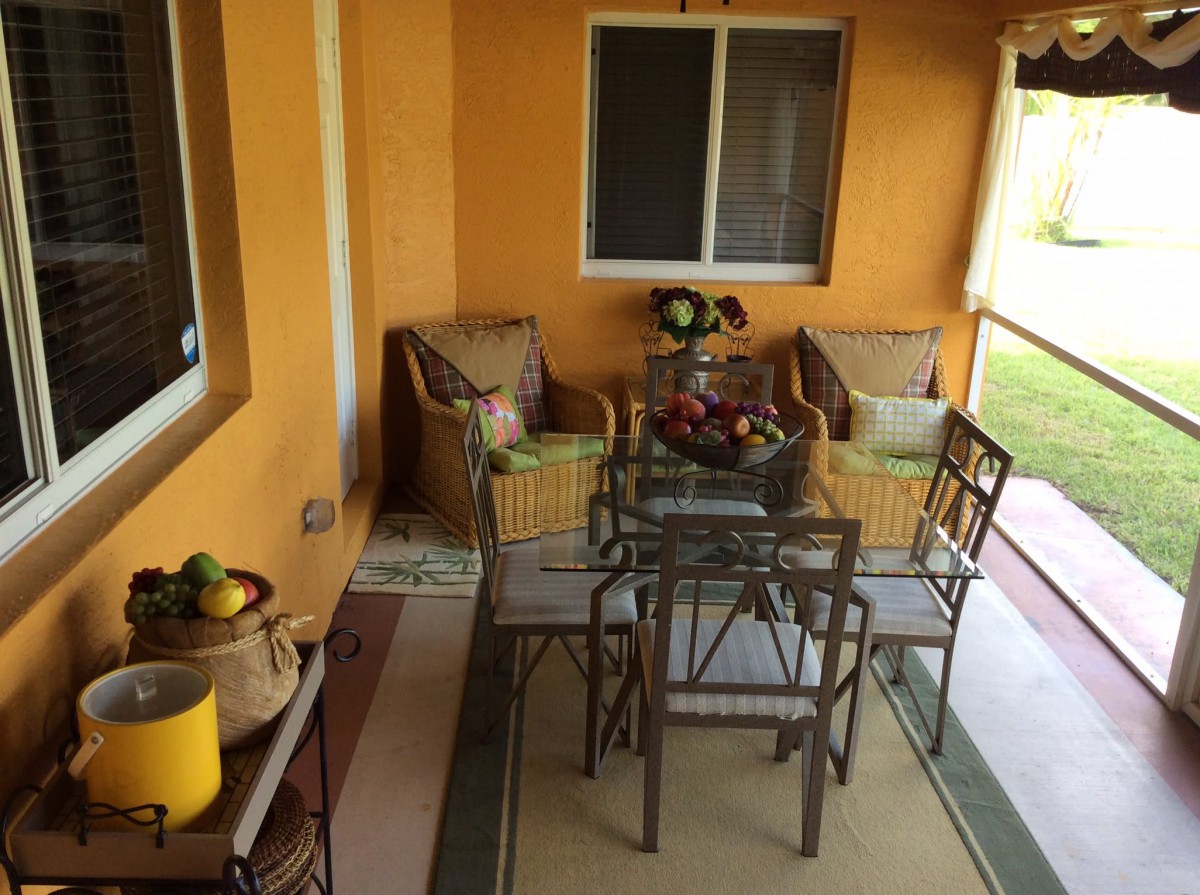
 Indoor common areas
 Private
 Wi-Fi/high-speed internet available
 Ambulatory care
 Medication management
 Anytime dining
 Art classes
 BBQs or picnics
 Birthday parties
 Day trips and outings
 Forever fit
 Gardening club
 Karaoke
 Live well programs
 Trivia games

 Estimating the Expenses of At-Home Dementia Care: A Detailed Exploration
 Comprehensive Insights on the Late Stages of Dementia: What to Expect and How to Provide Care
 Medications Associated with Dementia Risk: A Comprehensive Overview