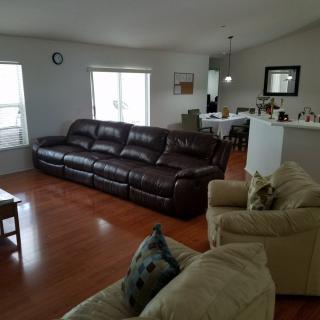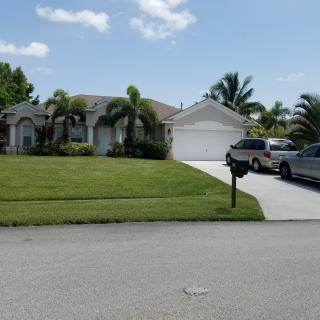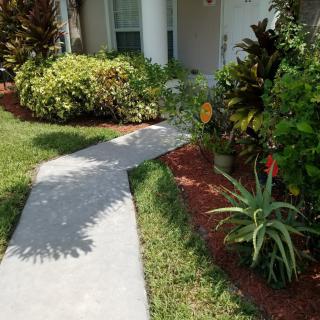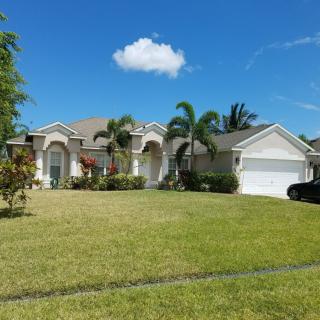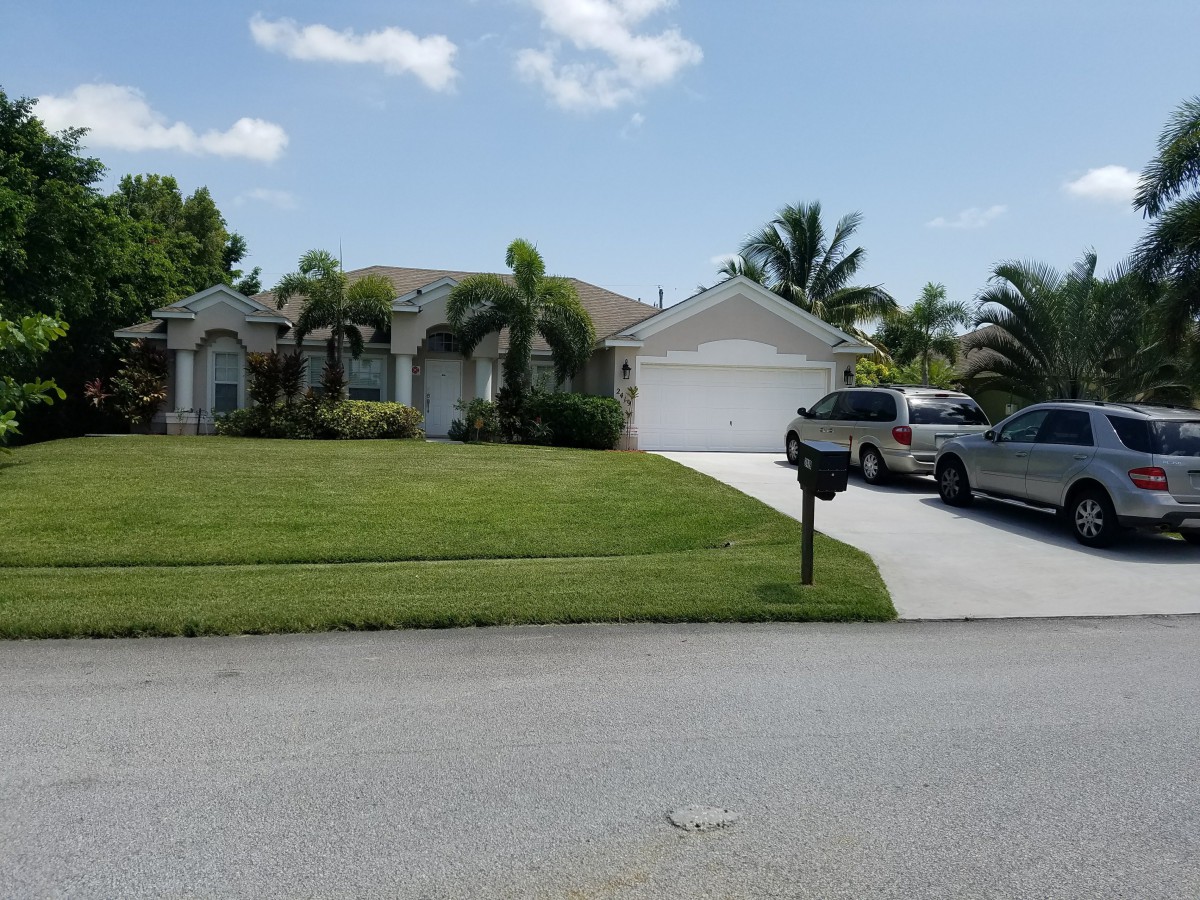
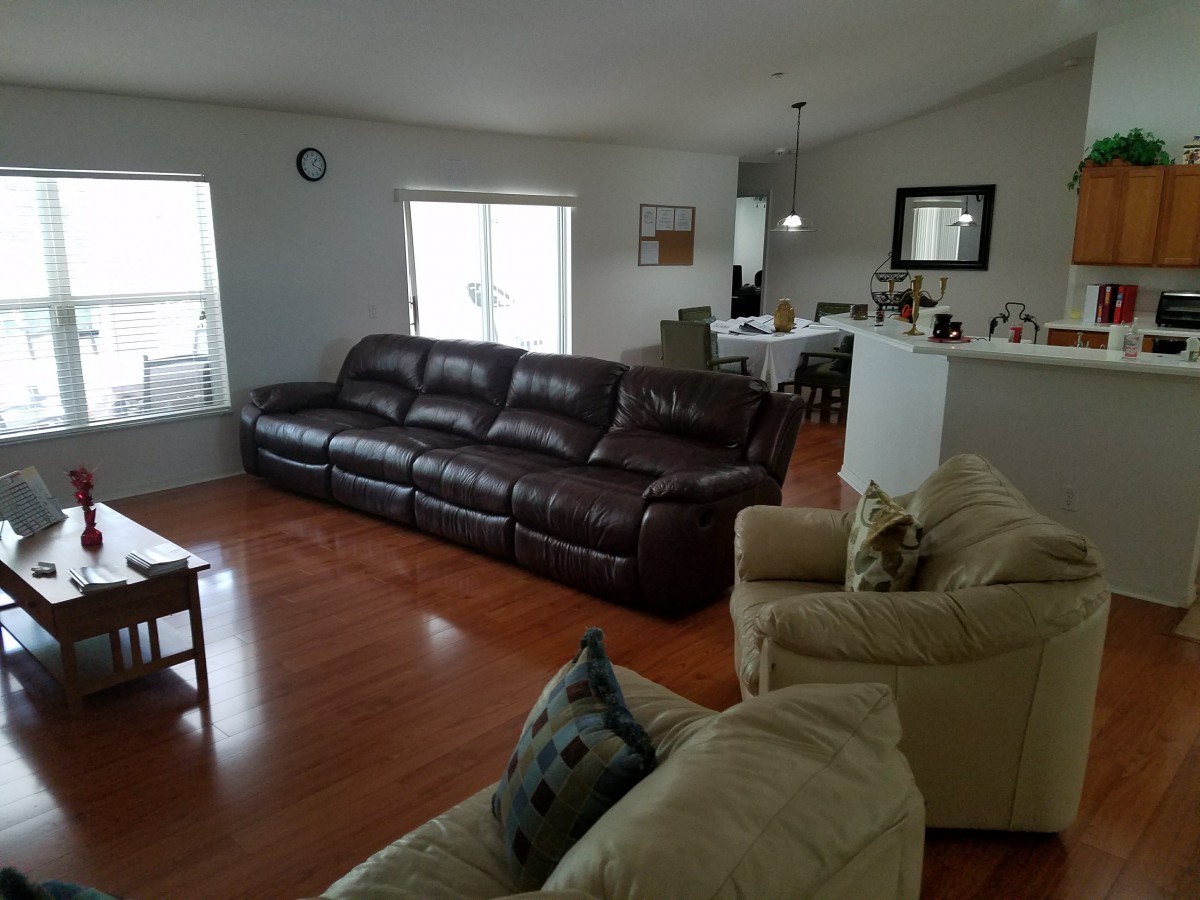
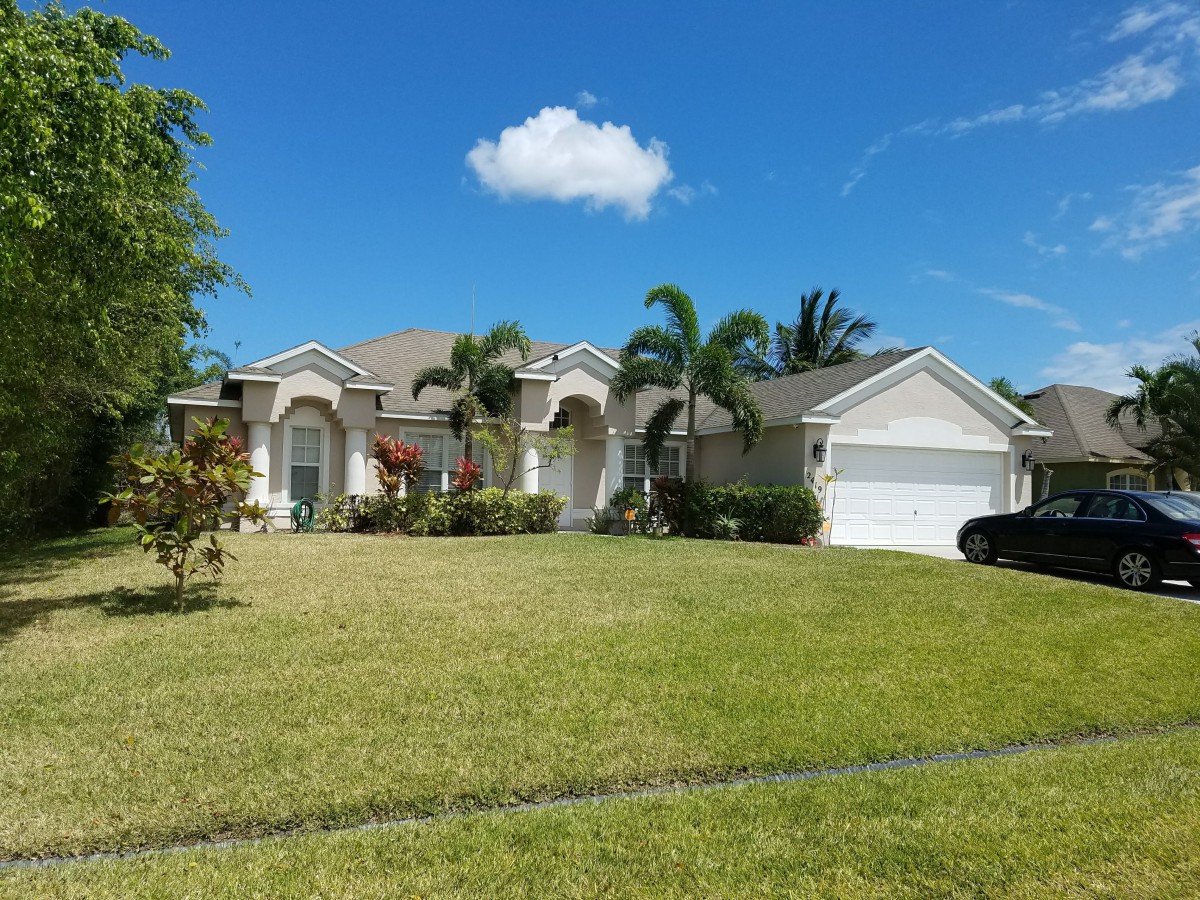
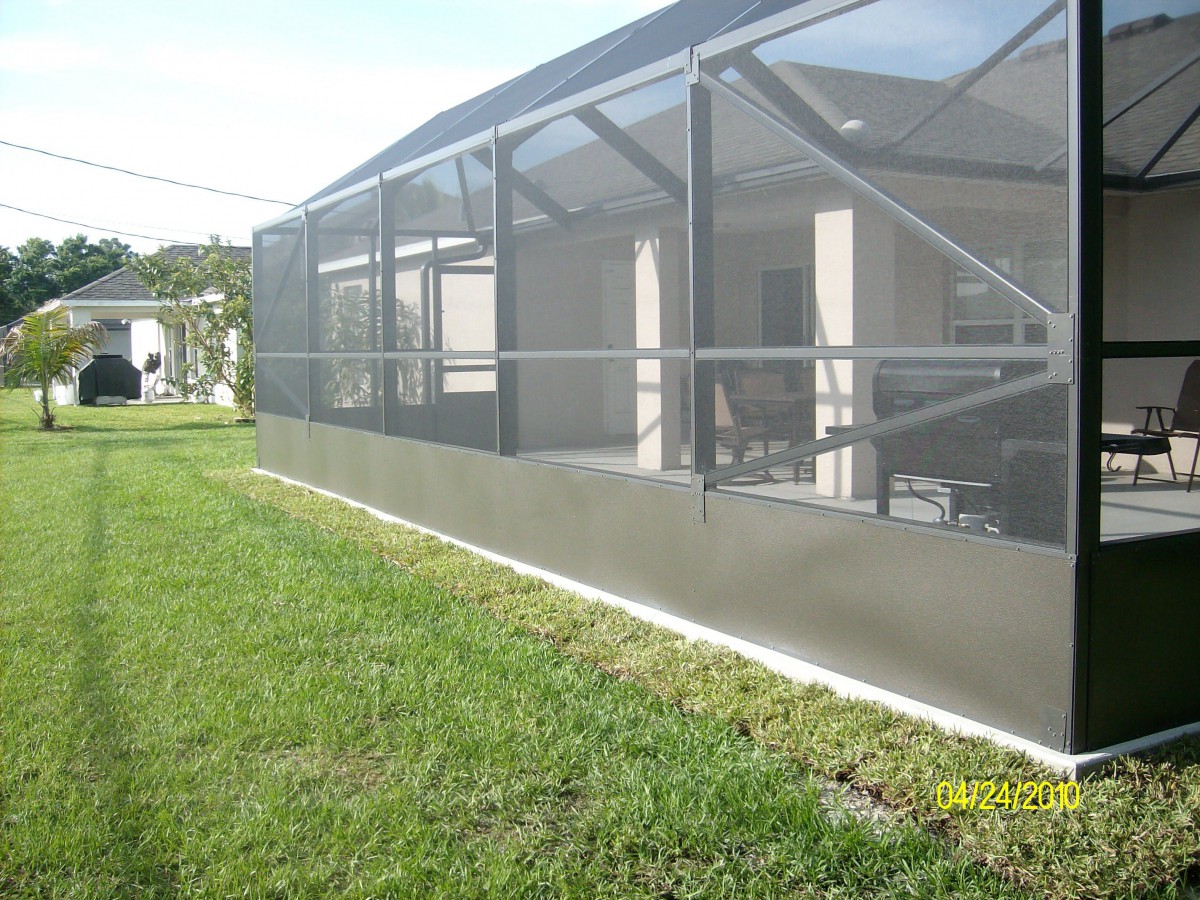
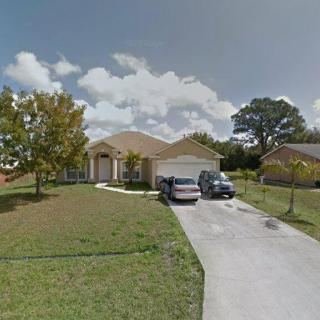
2419 SW Sansom Ln, Port St Lucie, FL 34953
To contact a resident: (603) 231-9263
For more information about senior living options: (866) 208-4318
Alcime Professional Care, LLC Costs & Pricing
Alcime Professional Care, LLC offers competitive pricing for its residential care options compared to the broader market in St. Lucie County and across Florida. For semi-private rooms, residents can expect a monthly cost of $3,000, which is slightly above the county average of $2,717 but remains quite comparable to the statewide average of $3,009. In terms of private accommodations, Alcime's rate of $3,500 is marginally lower than the state average of $3,699 yet positioned just below the St. Lucie County rate of $3,665. For those seeking a studio room, Alcime's price of $4,000 stands above both county and state figures at $3,880 and $3,823 respectively. Overall, while Alcime's costs may be higher in certain categories compared to local averages, they reflect a commitment to quality care that may justify the investment for prospective residents and their families.
| Floor plans | Alcime Professional Care, LLC | St. Lucie County | Florida |
|---|---|---|---|
| Semi-Private | $3,000 | $2,717 | $3,009 |
| Private | $3,500 | $3,665 | $3,699 |
| Studio | $4,000 | $3,880 | $3,823 |
Memory care communities with a similar price nearby
-
from -$500 / mo

Caring Hands of the Treasure Coast
$2,500 to $3,000 / month3.5 miles away -
from +$200 / mo
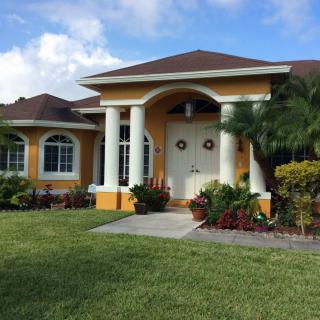
Loving Care of the Treasure Coast, LLC
$3,200 to $4,000 / month1.0 miles away -
from +$150 / mo

Stuart Lodge Living
$3,150 to $6,690 / month10.0 miles away -
from +$150 / mo

Lake Forest Park
$3,150 to $4,350 / month10.0 miles away -
from +$450 / mo
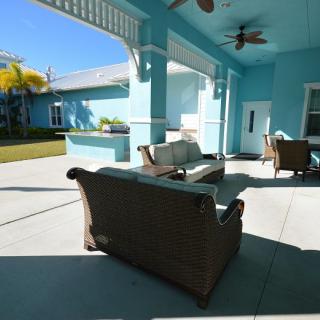
Grand Oaks of Jensen Beach
$3,450 to $3,850 / month7.3 miles away
Overall Review of Alcime Professional Care, LLC
Cons
 The review states that the care was poor and contributed to the sister’s death.
- It claims that instead of aiding her, the staff made her a cup of tea and covered her with blankets.
- It alleges that ambulance was not called promptly, delaying urgent medical transport.
- It notes that medications were not properly secured and were accessible to patients.
- It reports that the aide refused to call 911 until the owner could be reached, indicating carelessness.
- The review concludes by saying Alcime Assisted Living of Port St Lucie, FL is not recommended.
Review
Alcime Professional Care, LLC in Port St. Lucie is best suited for residents who can function with minimal medical oversight and whose families are prepared to exercise close, continuous vigilance. The clearest signal from the available experiences is that this setting does not appear equipped to deliver reliable emergency responsiveness or robust safeguards around medical needs. For families prioritizing timely intervention, clear accountability, and visible, proactive care management, this community is not the right match.
Explicitly, those considering alternatives should look for facilities that promise and prove 24/7 readily reachable leadership, consistent emergency protocols, and secure medication handling. Any situation involving chronic health issues, acute symptoms, or complex medication regimens requires a provider with transparent access to administrators, rapid 911 activation when warranted, and documented procedures that do not hinge on personal availability. In short, seek options where safety policies are not contingent on one individual’s responsiveness or presence.
From a practical, risk-focused lens, the apparent shortcomings overwhelm any potential conveniences. The most critical concern centers on emergency response: a delay in calling for ambulance services can dramatically alter outcomes in acute medical events. When staff defer urgent action or rely on unclear chain-of-command rules, the entire premise of a supervised living arrangement crumbles. Medication security is another red flag; keeping medications within easy reach of residents is incompatible with safe, regulated care. Any perceived benefits, such as a smaller facility feel or individualized attention, do not compensate for these fundamental safety gaps.
The most concrete takeaway is a pattern of care that fails to meet basic expectations for resident safety and timely escalation of medical needs. In the reported incident, a family member observed a failure to call emergency services promptly, a critical lapse that directly impacted the trajectory of care. Additional concerns about medication access and the administrator’s accessibility compound the risk profile. Even in the absence of corroborating positive experiences, the severity and clarity of these failures argue for extreme caution when considering this community for anyone who may require dependable medical oversight or rapid intervention.
For families evaluating options, several guardrails are essential. Request a candid tour focused on safety culture: how emergencies are recognized, who authorizes 911 calls, and what the administrator’s availability looks like 24/7. Verify licensure status and review any state inspection findings or complaint history. Probe medication management: are drugs securely stored, who oversees administration, and what safeguards exist to prevent unauthorized access? Speak with current residents and multiple staff members about response times and accountability. Finally, insist on written policies for escalation, transfer to higher levels of care, and a transparent line of communication to families, policies that do not hinge on one person’s phone availability.
In the end, the decision should favor families that prioritize unwavering safety, predictable emergency response, and verifiable accountability. The circumstances described point decisively toward seeking alternatives that demonstrate consistent medical oversight, robust staffing, and clear, enforceable safety protocols. If a setting cannot guarantee prompt emergency activation, secure medication controls, and accessible leadership, it is prudent to look elsewhere. The health and peace of mind of a loved one deserve nothing less than a facility whose safety framework is as reliable as the care it provides.
 Board and Care Home
 Day Program
 Memory Care
 Air-conditioning
 Bath tubs
 Cable or satellite TV
 Indoor common areas
 Outdoor common areas
 Private
 Wi-Fi/high-speed internet available
 Ambulatory care
 Medication management
 Meals provided
 BBQs or picnics
 Birthday parties
 Light therapy programs
 Comprehensive care (24/7 supervision, ADL support, medication management) plus meals, transportation to medical appointments, housekeeping, move-in coordination, activities, and pleasant dining/outdoor spaces.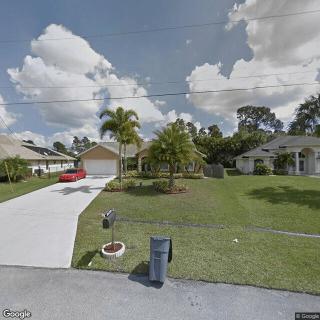



 Nourishing the Mind: Essential Dietary Approaches for Dementia
 Understanding Dementia Behaviors: Practical Insights and Strategies for Caregivers
 When Dementia Sparks Anger and Aggression: Understanding the Connection and Ways to Cope