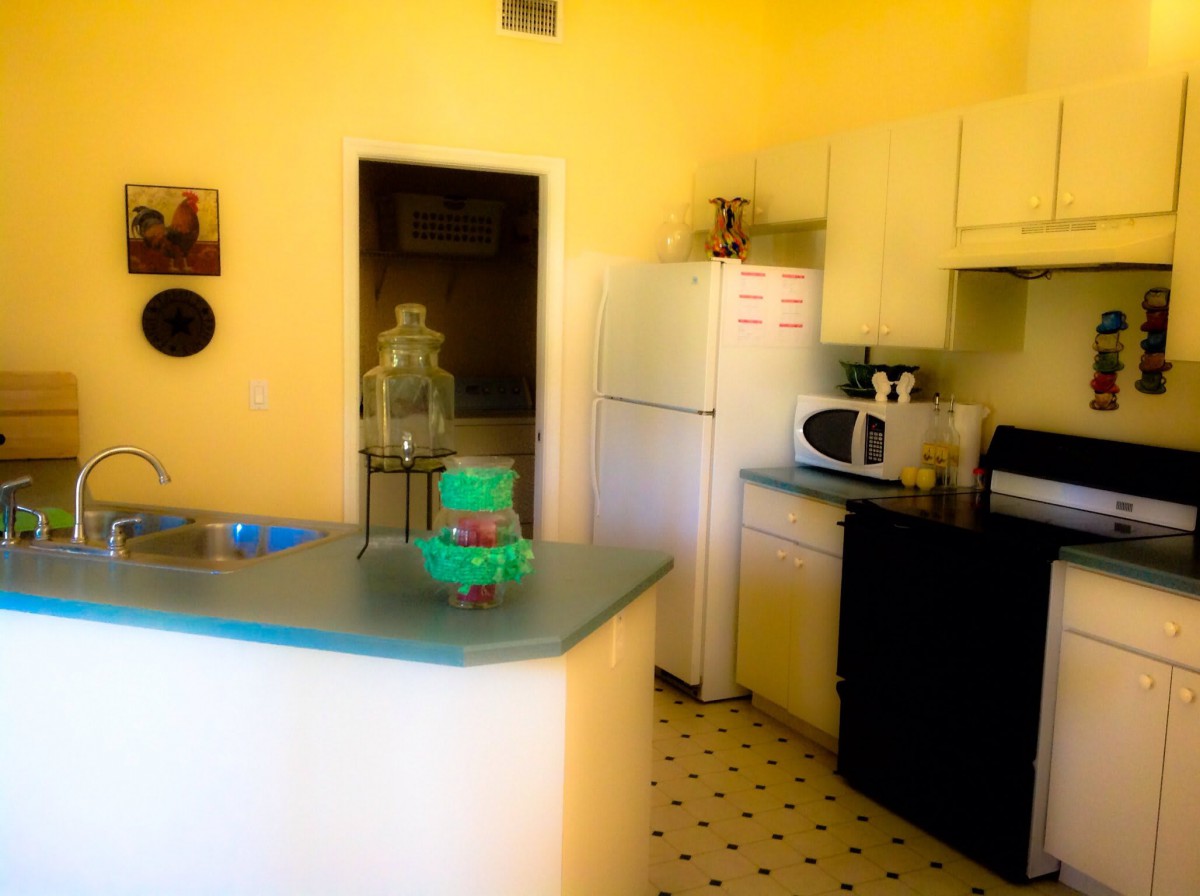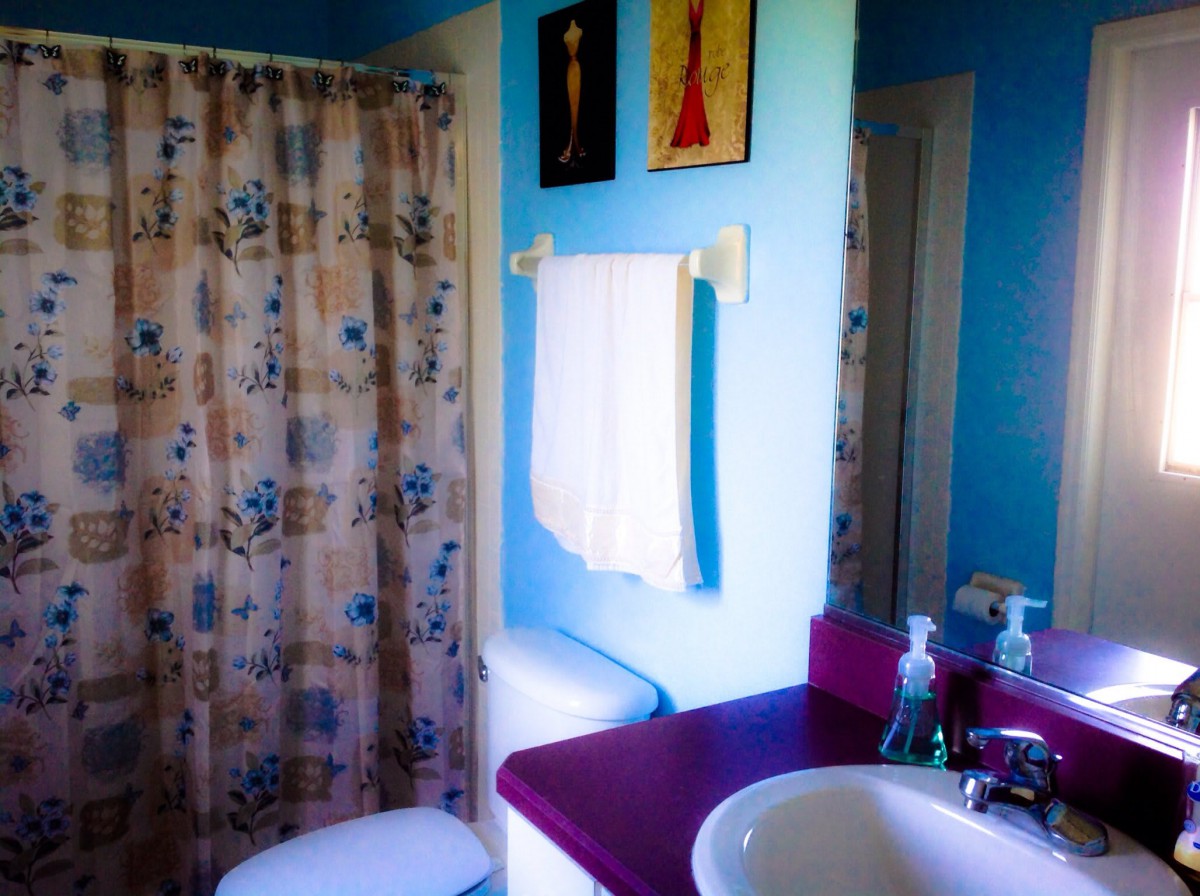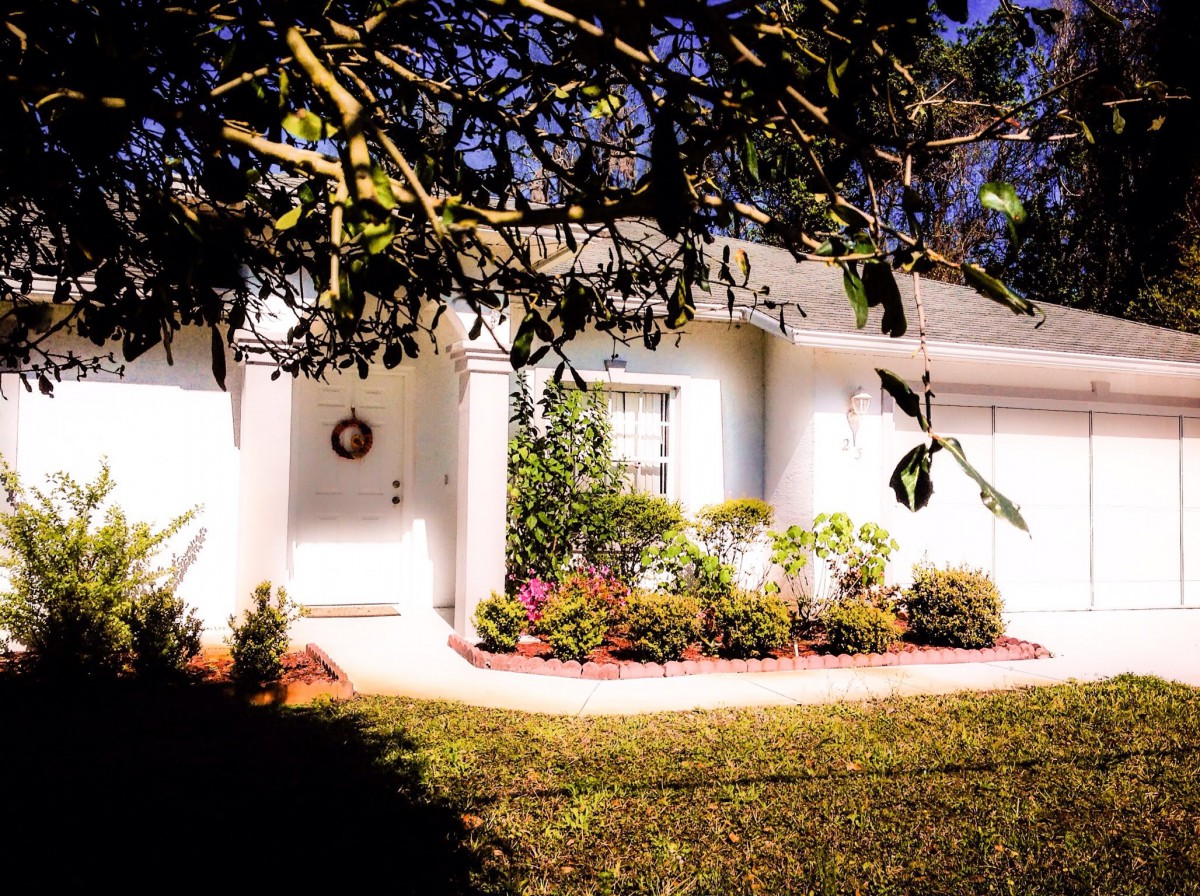
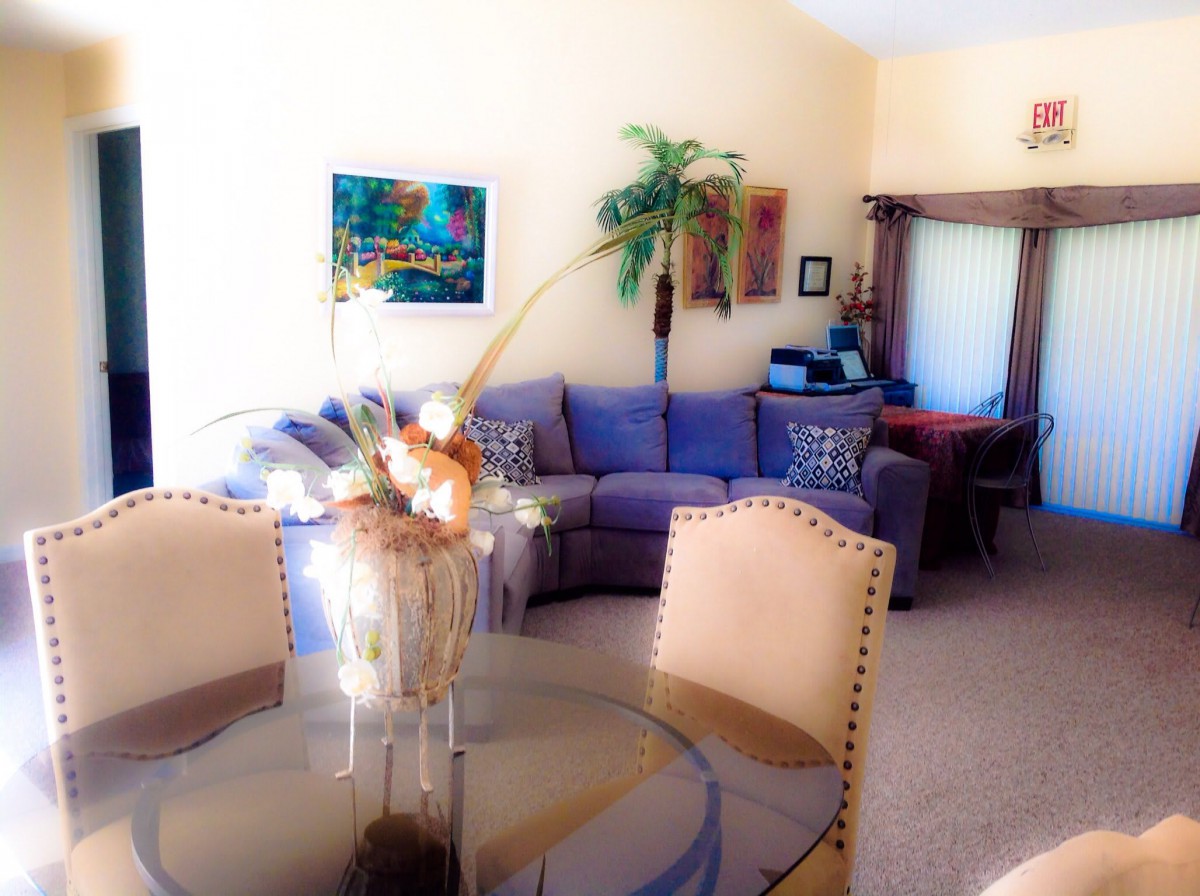
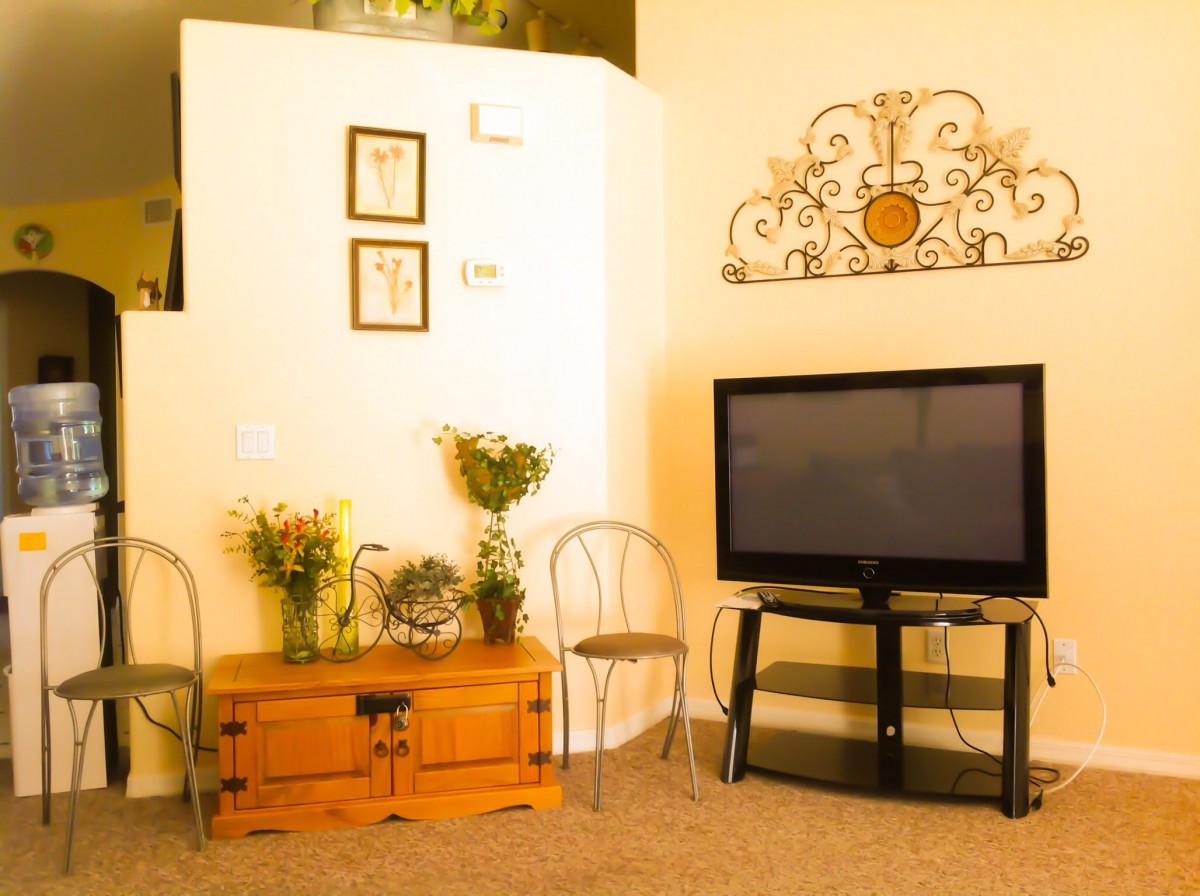
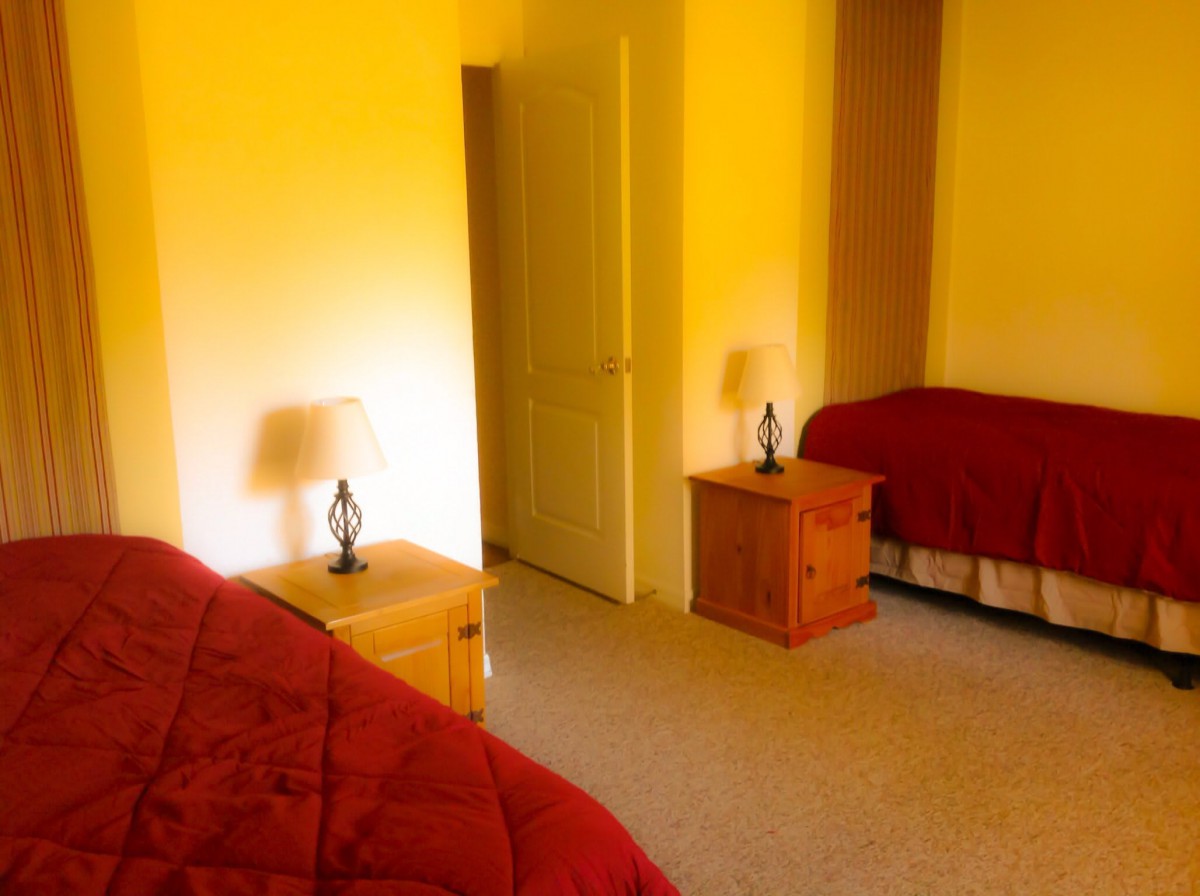
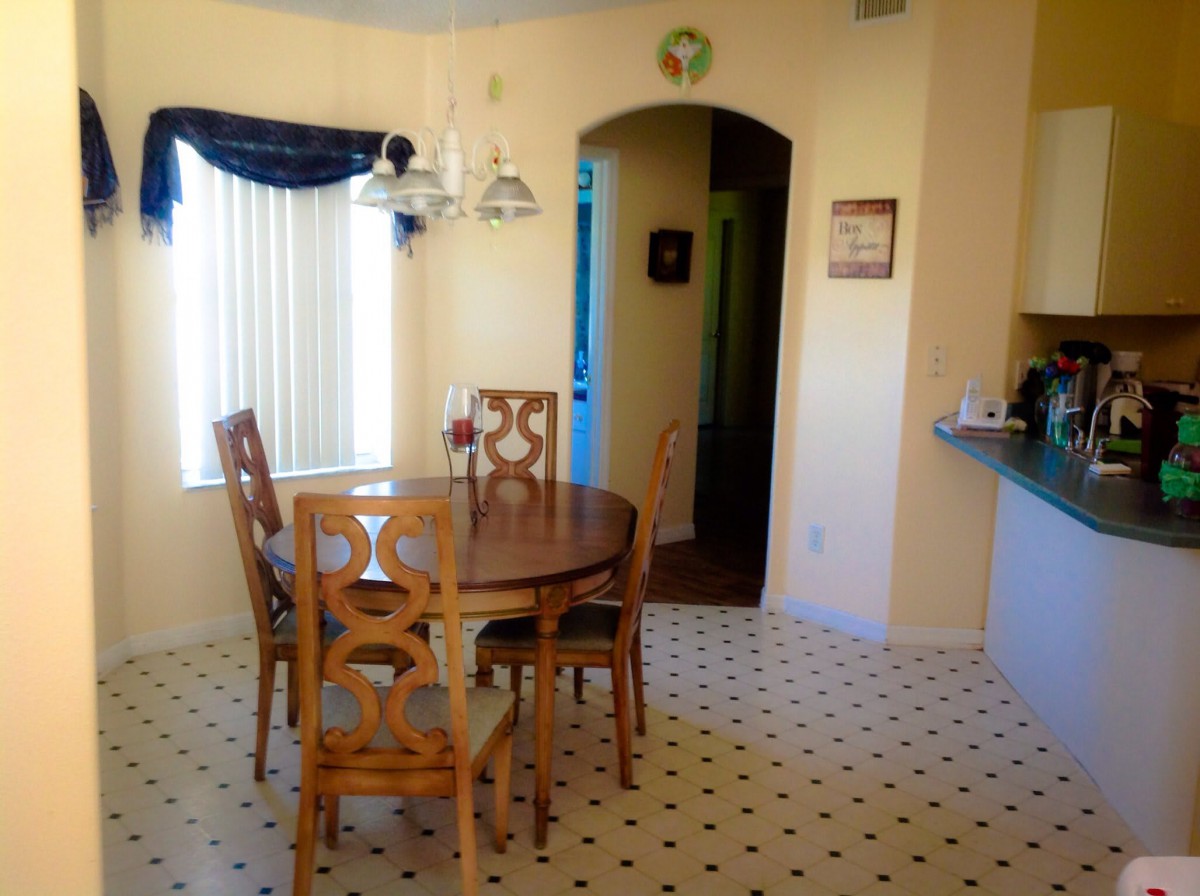
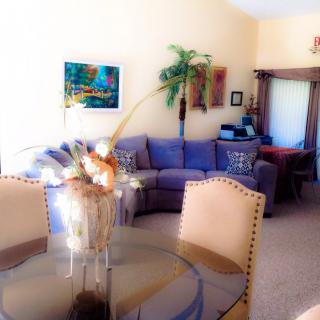
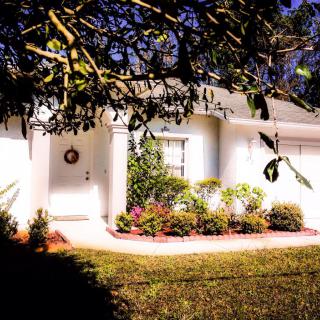
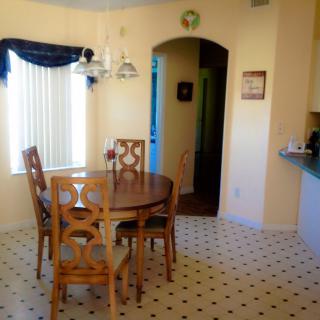
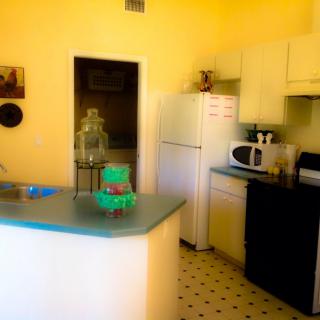
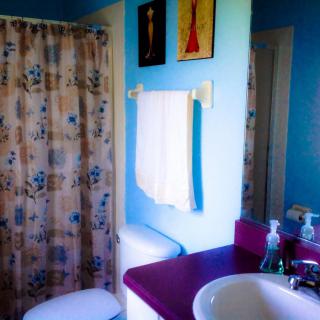
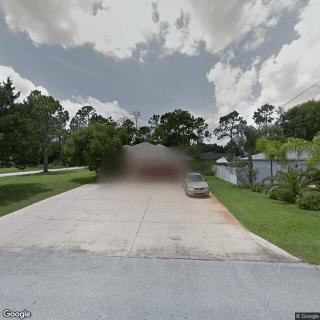
23 Pepperdine Drive, Palm Coast, FL 32164
For more information about senior living options: (866) 208-4318
Happy Days Assisted Living Costs & Pricing
Happy Days Assisted Living offers a range of room types with pricing that reflects both the personalized care and amenities provided. For semi-private rooms, costs range from $2,500 to $3,725, positioning it slightly below the county average of $2,700 and the state average of $3,009. Private rooms at Happy Days are priced between $3,000 and $4,470, which is competitive compared to the county's average of $3,034 and Florida's average of $3,699. Additionally, their studio accommodations are available at $4,842, which is notably higher than both Flagler County's average of $4,034 and the state's average of $3,823. This tiered pricing structure allows for flexibility in options while maintaining a focus on quality care tailored to residents' needs.
| Floor plans | Happy Days Assisted Living | Flagler County | Florida |
|---|---|---|---|
| Semi-Private | $2,500 to $3,725 | $2,700 | $3,009 |
| Private | $3,000 to $4,470 | $3,034 | $3,699 |
| Studio | $4,842 | $4,034 | $3,823 |
Memory care communities with a similar price nearby
-
from -$355 / mo

Grand Villa Of Ormond Beach
$2,145 to $4,095 / month19.6 miles away -
About the same
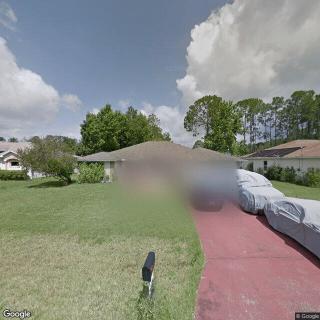
Gerdie's Assisted Living Facility
$2,500 / month2.0 miles away -
from -$100 / mo
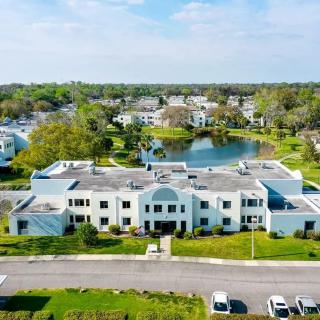
Woodmark at Daytona Beach
$2,400 to $3,000 / month23.2 miles away -
from +$100 / mo

Gold Choice Assisted Living and Memory Care - Ormond Beach
$2,600 to $3,500 / month21.4 miles away -
About the same
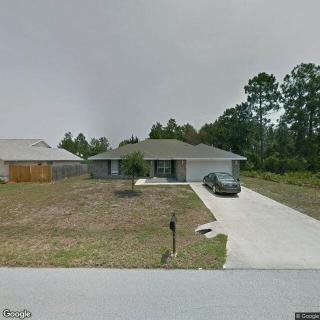
CR Loving Care
$2,500 to $2,800 / month1.2 miles away
Overall Review of Happy Days Assisted Living
Pros
 The facility is a place people can trust.
- It is regarded as the best assisted living in town.
- Families and residents view it as trustworthy and premier in care.
Review
Happy Days Assisted Living in Palm Coast is best suited for families that prioritize trust and dependable, personalized care delivered in a warm, neighborhood-focused setting. The prevailing sentiment across reviews centers on reliability and strong staff–resident relationships, signaling that residents will be known by name, treated with respect, and supported through daily routines with a steady, reassuring presence. For families seeking a home-like atmosphere where caregivers are accessible and accountable, this community offers a practical, low-friction option that emphasizes consistency and trust as its core strengths.
Those weighing alternatives should be aware that this community may not be the right fit for every need. The reviews spotlight trust and general quality, but they do not spell out advanced medical oversight, memory-care specialization, or a broad menu of on-site therapies. If a resident requires frequent nursing management, complex medication regimens, dementia-specific programming, or a facility with clearly delineated care tiers, it pays to compare options that publish these capabilities in detail. Likewise, cost transparency, contract clarity, and long-term scalability of services deserve scrutiny when the panorama of care needs could evolve.
On the upside, the strongest pros revolve around credibility and warmth. The repeated assertion that “you can trust” the staff translates into dependable oversight, responsive communication, and a culture of accountability. A compelling local reputation, described as the best in town, often means quicker problem-solving, easier family updates, and a level of familiarity that reduces the stress of transition. Residents benefit from predictable routines, meaningful interpersonal interactions, and caregivers who seem to remember personal preferences. For families wary of impersonal care found in larger facilities, Happy Days presents a compelling antidote with its tight-knit, community-oriented feel.
The main caveat emerges from the absence of detailed service disclosures in the public record. There is limited information about exact offerings, activity programming, dining options, or price structure. This makes it essential to verify during a tour whether staffing levels stay consistent across shifts, what medical oversight exists, how emergencies are managed after hours, and what exactly is included in monthly fees versus add-ons. The trust factor can offset some ambiguity, since reliable caregivers are more likely to coordinate timely care, but without explicit, published details, families risk assumptions that may not align with actual services. For those anticipating potential escalations in care, the lack of a clearly defined pathway to higher levels of assistance warrants careful consideration.
When evaluating, approach the tour with a concrete decision framework: observe how staff interact with residents, ask about caregiver-to-resident ratios by shift, request current credentials and ongoing training plans, and review the daily schedule, dining options, and social activities. Confirm transportation availability, medication management protocols, and the clarity of emergency procedures. Seek transparent pricing and a clear distinction between what is included in base fees and what may incur additional charges. Also inquire about respite options and the process for transitioning to higher care if needs change. Engaging with current residents and their families about responsiveness, safety, and overall satisfaction will provide the truest read on everyday life here.
Bottom line: Happy Days Assisted Living is a strong fit for families who prize trust, continuity, and a homey, community-centric environment. Its credibility translates into dependable, everyday care and a solid local reputation that can ease the burdens of transition. Those needing advanced medical oversight, dementia-specific programming, or precisely spelled-out pricing and care ladders may want to benchmark against other options. A disciplined tour, targeted questions, and a clear sense of future care needs will determine whether this community remains the best match. When the fit holds, it is a choice rooted in peace of mind and genuine caregiver–resident connections.
 6 resident community capacity
 Assisted Living
 Board and Care Home
 Memory Care
 Respite Care
 Activities off-site
 Beautician on-site
 Cable or satellite TV
 Devotional services off-site
 Dining room
 Fully furnished
 Garden
 Housekeeping services
 Indoor common areas
 Move-in coordination
 Outdoor common areas
 Private
 Telephone
 Wheelchair accessible showers
 Wi-Fi/high-speed internet available
 24-hour supervision
 Ambulatory care
 Assistance with bathing
 Assistance with dressing
 Assistance with transfers
 Diabetes diet
 Incontinence care
 Meal preparation and service
 Medication management
 Special dietary restrictions
 Transportation arrangement (medical)
 Transportation to doctors appointments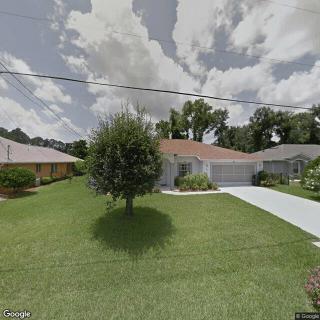


 Engaging Memory Care Activities That Enhance Quality of Life
 When to Transition from Assisted Living to Memory Care: Key Indicators, Steps, and Finding the Right Community
 Understanding the Distinctions: Assisted Living and Memory Care Explained