

1 Pebble Wood Lane, Palm Coast, FL 32164
For more information about senior living options: (866) 208-4318
Overall Review of Good Sam's Assisted Living Residence
Pros
 Judy the Director is immensely helpful and supportive for questions and needs.
- The staff are loving and caring.
- Dad is always clean and well cared for.
- He has his own room and can bring his TV, which is important to him.
- Good Sams Assisted Living is a blessing for families.
- The owner, Judith Fermin Ostrin, is a lovely person who ensures caregivers are trained to high standards.
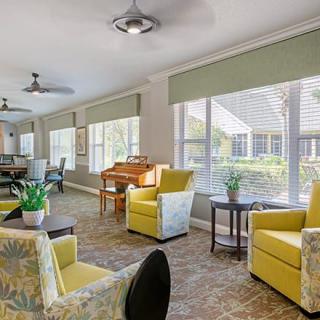
- The residence is charming, clean, and inviting, with a homey feel and sweet staff.
Cons
 They describe the staff as rude, uncompassionate, and failing to feed their mother adequately.
- They claim their mother developed bed sores and infections due to poor cleaning; feet were not washed daily.
- They say the owner did nothing and the two staff members were disgusting and disrespectful, with no communication.
- They accuse the facility of deceptive advertising: the website didn’t reflect reality, food was not nutritious, and families were overcharged while being told to provide their own snacks.
- They report doors are not welcoming: when knocked, staff unlock but do not open or greet, offering no address or courtesy.
- They warn others not to place a loved one there unless they can visit daily, because staff won’t speak to families or answer questions.
Review
Good Sam's Assisted Living Residence in Palm Coast is best suited for families seeking a small, home-like environment where residents can receive highly personalized attention. This community tends to work best for seniors who value intimate, one-on-one interactions, a warm, domestic atmosphere, and the ability to bring personal touches into their living space. It appeals to families that can stay involved, visit frequently, and rely on direct access to a hands-on administrator who sets the tone for daily care. Those who prioritize a quiet, personable setting with individualized room options, and who want to feel like a trusted part of a small care team, will likely find Good Sam’s appealing.
However, serious caveats exist that merit careful consideration. Alternatives should be on the radar for families needing robust clinical oversight, consistent, well-documented nutrition management, or reliable, standardized wound and infection control. When the priority is highly predictable medical support, a larger facility with a proven track record of clinical staffing, formal quality assurance processes, and transparent incident reporting may be preferable. For loved ones who cannot be present daily to supervise care, or who require stringent accountability due to medical fragility, exploring other options is prudent.
The strongest positives of Good Sam’s revolve around leadership and the day-to-day culture. Several reviews highlight Judy, the director, as a sustained source of helpfulness, professionalism, and responsive communication. The staff are repeatedly described as loving, caring, and capable of providing attentive, person-centered care to residents. Residents appear to benefit from a homey atmosphere, with clean, comfortable spaces, the option of a private room, and the freedom to customize. When families observe staff taking steps to support feeding and comfort, or to engage residents with small, uplifting routines, the environment can feel genuinely nurturing and reassuring.
Yet the most consequential concerns in the reviews cannot be dismissed. Patterns of care failures, reports of bedsores, infections, poor daily hygiene, and insufficient feeding, cast a long shadow over the positives. Several accounts describe rude or disengaged staff behavior, doors that are not proactively opened or greeted, and an impression that questions are unwelcome. A recurring theme is misalignment between promises or website portrayals and the lived reality inside the facility. These issues touch on trust, safety, and whether daily care consistently meets basic standards, creating a real risk that the pros do not fully offset the cons.
In weighing these factors, the small, caring environment and the director-led culture are meaningful advantages, but they do not erase the gravity of reported care lapses. When care quality appears variable, the benefits of one-on-one attention and a cozy setting may not suffice to protect a vulnerable loved one. For families with a high emphasis on dependable clinical care, rapid response to health needs, and rigorous supervision, the cons lean toward recommending alternatives. For others who can maintain close oversight and place strong trust in the leadership to correct course, Good Sam’s can still be a compelling option.
Prospective residents and families should approach with a structured due diligence plan. Schedule extended visits to observe how staff interact with residents during meals and personal care, not just in staged tour moments. Request a direct briefing with the director and care team to review daily schedules, meal plans, and any individualized care protocols. Ask for current staff-to-resident ratios, recent quality improvement efforts, and a copy of the latest state survey or licensing report. Seek concrete examples of how care plans are implemented, how concerns are escalated, and what happens if a family member feels care is slipping. If a long-term stay is contemplated, negotiate trial periods and clarity on pricing, including any potential overcharges and what is covered by lease or contract. The decision should hinge on whether consistent, compassionate care in a small setting can be reliably sustained over time, with transparent accountability and visible patient-focused outcomes.
 6 resident community capacity
 Assisted Living
 Board and Care Home
 Respite Care
 Cable or satellite TV
 Dining room
 Fully furnished
 Garden
 Housekeeping services
 Move-in coordination
 Outdoor space
 Telephone
 Wi-Fi/high-speed internet available
 24-hour supervision
 Activities of daily living assistance
 Assistance with bathing
 Assistance with dressing
 Assistance with transfers
 Diabetes diet
 Meal preparation and service
 Medication management
 Special dietary restrictions
 Transportation arrangement (medical)
 Transportation to doctors appointments







 Securing Financial Support for Assisted Living: A Comprehensive Overview
 Social Security Benefits and Assisted Living: Navigating Options Across the U.S.
 An Extensive Exploration of the VA Aid and Attendance Benefit