
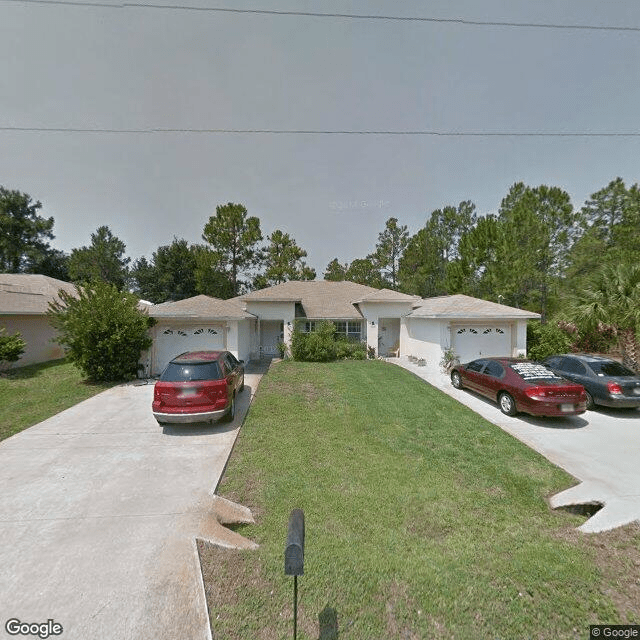
10 B Prosperity Lane, Palm Coast, FL 32164
To contact a resident: (386) 597-2747
For more information about senior living options: (866) 208-4318
Cindy's Care Home Costs & Pricing
Cindy's Care Home offers competitive pricing for its services in comparison to both Flagler County and the broader state of Florida. For semi-private rooms, residents at Cindy's Care Home pay $1,500 per month, which is significantly lower than the county average of $2,700 and the state average of $3,009. Similarly, private rooms are available at a monthly cost of $1,800, again undercutting Flagler County's average of $3,034 and Florida's statewide average of $3,699. These rates position Cindy's Care Home as an affordable option for those seeking quality care while also ensuring that residents experience both comfort and community support without straining their financial resources.
| Floor plans | Cindy's Care Home | Flagler County | Florida |
|---|---|---|---|
| Semi-Private | $1,500 | $2,700 | $3,009 |
| Private | $1,800 | $3,034 | $3,699 |
Overall Review of Cindy's Care Home
Pros
 The memory care facility in Ormond Beach is described as lovely.
- The staff are described as fabulous, very caring, very clean, and very professional.
- The reviewers would recommend the facility to anybody.
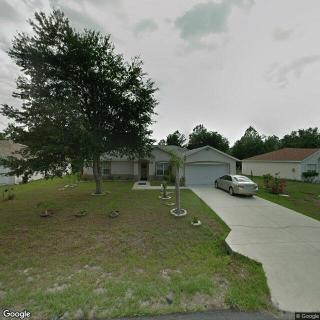
- The exterior of the property is noted to have a nice appearance.
Cons
 They described the preliminary paperwork and surprise fees as sketchy.
- A large dog was gated in the kitchen without disclosure.
- The hurricane power outage left the facility without electricity.
- The evacuation plan to move patients to a hotel did not occur; the room was given to the daughter and the mom had to be picked up.
- The mom arrived home unable to walk, with swollen ankles and missing medications.
- The room was dirty, clothes were missing, and maintenance fees and rent were not reimbursed.
- An investigator reported that Cindy did not have a license to operate an ALF nor an LLC.
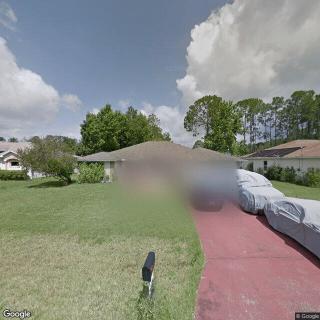
- The drive-by reviewers found the neighborhood disappointing, the facility was a duplex, and there was no parking.
Review
Cindy’s Care Home in Palm Coast is best suited for families seeking a small, home‑like setting where a senior who needs some assistance can receive hands‑on supervision without the feel of a large institutional campus. The intimate atmosphere can be appealing to relatives who want frequent, direct access to caregivers and a quieter, more domestic environment for a loved one who does not yet require extensive medical management. That said, this is not the right match for families prioritizing formal licensing, strong clinical oversight, or comprehensive disaster planning. For memory‑care needs and dependable regulatory reliability, stronger, licensed alternatives with larger staff resources are advisable.
Two five‑star voices praise the place as caring, clean, and professional, with positive interactions and a sense of routine that residents can thrive on when the team is aligned. In these moments the home demonstrates what small, attentive care can look like, clean rooms, personal attention, and a demeanor that can reassure families who visit regularly. Those favorable impressions can translate into a workable option for families who can maintain close oversight and verify daily practices in person. Yet these favorable reports are not universal and sit alongside a more troubling set of concerns raised elsewhere.
Several reviews present serious red flags that cannot be ignored. Alarming reports include sketchy preliminary paperwork and surprise fees that raise questions about transparency, followed by medical crises that were not promptly managed. Additional concerns describe a large dog kept in the kitchen without proper disclosure, and a hurricane event that exposed gaps in disaster planning and patient safety. Most troubling are claims that medications went missing, rooms were left in disarray, and a lack of license to operate an assisted‑living facility (and even an LLC) was cited by investigators. Taken together, these incidents point to systemic vulnerabilities that jeopardize resident safety and family trust.
The compelling positives, cleanliness and attentive staff, do not sufficiently offset the gravity of the safety gaps and regulatory questions. For families with the ability to supervise closely, the intimate setting and perceived personal care can still offer a reasonable stopgap. However, the scope and frequency of the reported issues undermine confidence in consistent quality and reliable oversight. When medication integrity, emergency planning, and licensing are in doubt, the appeal of a cozy, home‑like environment diminishes quickly. In practical terms, the cons dwarf the pros for anyone prioritizing predictable, compliant care for a memory‑impaired loved one.
Given the balance of evidence, many families should actively consider alternatives. Licensed memory‑care communities with documented staffing ratios, daily clinical oversight, and verifiable inspection histories provide a clearer safety net. Larger facilities often deliver more robust disaster planning, better access to medical resources, and clearer governance that reduces the risk of overlooked medications or inadequate supervision. If proximity and a smaller, intimate model remain priorities, insist on seeing up‑to‑date licensing, recent inspection reports, and transparent financial terms before any commitment. The bar for risk tolerance should be higher here.
Actionable next steps are essential. Confirm the current license status and review the latest state inspection findings, then speak with current residents or families about real‑world day‑to‑day operations. Require a formal, itemized fee schedule and a clear explanation of maintenance or upfront charges, along with refund policies. Probe staff qualifications, especially for medication handling and medical emergency response, and request to see the facility’s disaster plan in action. Schedule a comprehensive tour during ordinary hours, observe routines, and assess how staff respond to questions about safety and daily care. If unresolved concerns persist, pivot toward options with stronger regulatory footing and documented success with memory care.
 Board and Care Home
 Day Program
 Memory Care
 Beautician on-site
 Devotional services off-site
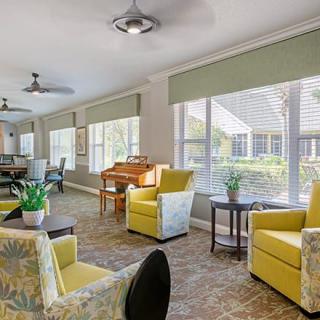
 Indoor common areas
 Outdoor common areas
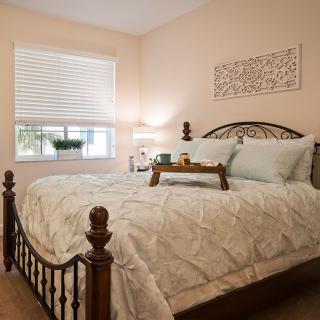
 Private
 Respite or short term stays offered
 Wheelchair accessible showers
 Diabetic care
 High acuity care
 Incontinence care
 Medication management
 Meals provided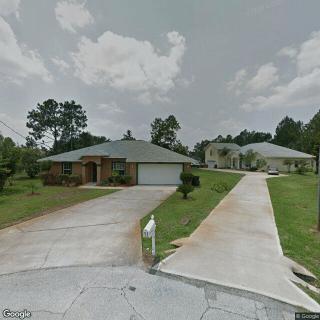


 A Detailed Exploration of Assisted Living Medicaid Waivers Across the United States
 Exploring the Contrasts Between Assisted Living and Skilled Nursing
 Vibrant Senior Living: A Comprehensive Guide for Active Older Adults