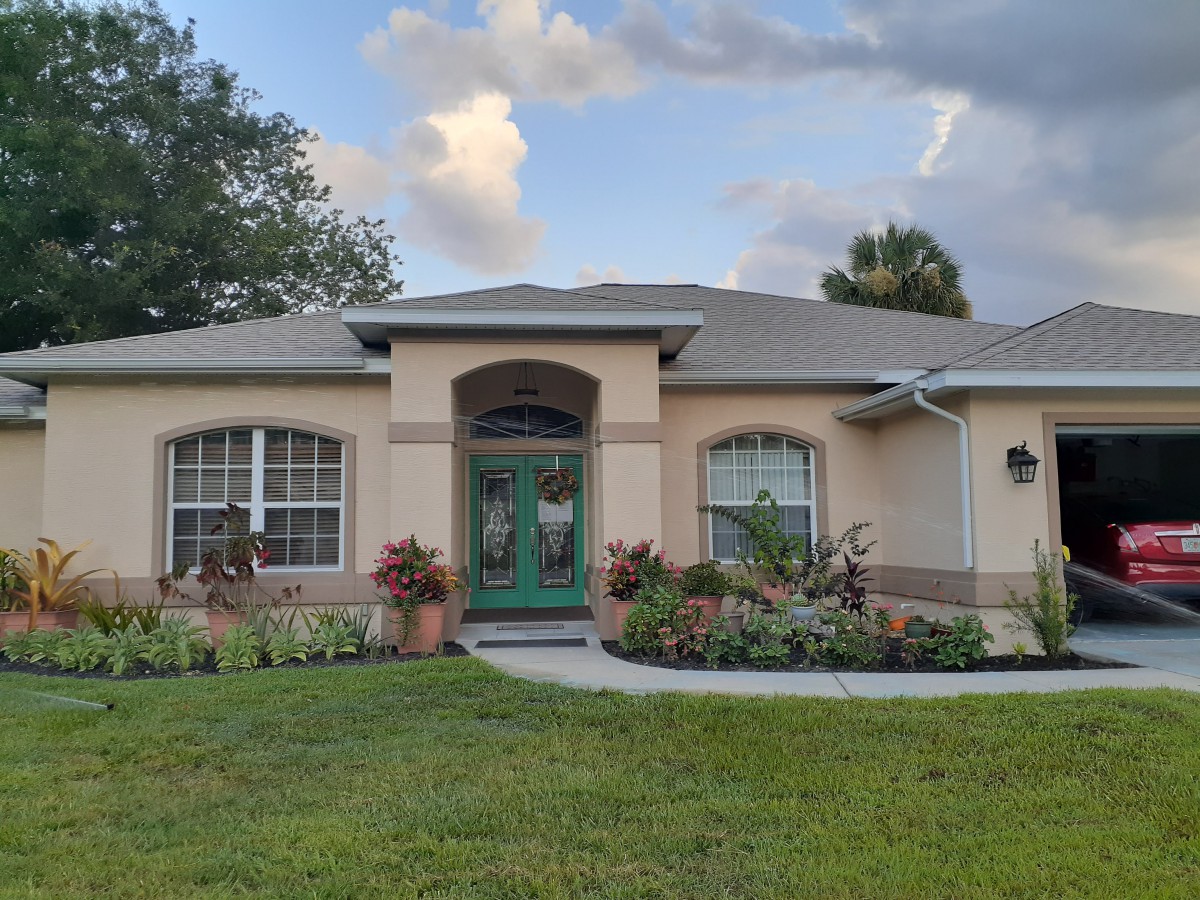
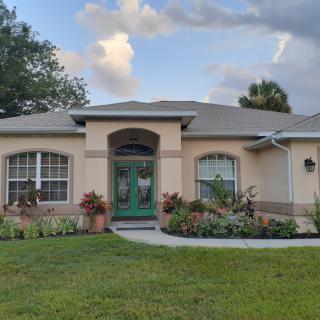
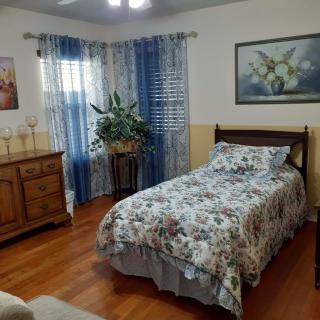
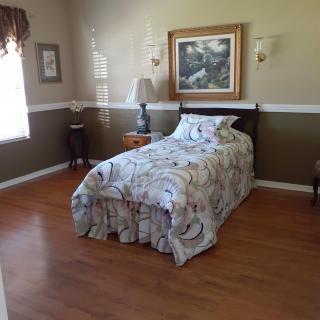
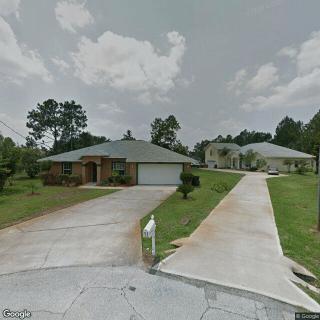
66 Patric Drive, Palm Coast, FL 32164
For more information about senior living options: (866) 208-4318
Lexelle Assisted Living Facility Costs & Pricing
Lexelle Assisted Living Facility offers competitive pricing for its services compared to both Flagler County and the broader state of Florida. For those seeking semi-private accommodations, Lexelle's monthly fee is $2,500, which is notably lower than the county average of $2,700 and the state rate of $3,009. Similarly, for private rooms, Lexelle charges $3,500, again undercutting the local average of $3,034 and the statewide figure of $3,699. This pricing structure positions Lexelle as an attractive option for families seeking quality assisted living care without compromising on affordability in comparison to regional benchmarks.
| Floor plans | Lexelle Assisted Living Facility | Flagler County | Florida |
|---|---|---|---|
| Semi-Private | $2,500 | $2,700 | $3,009 |
| Private | $3,500 | $3,034 | $3,699 |
Assisted Living communities with a similar price nearby
-
from -$355 / mo

Grand Villa Of Ormond Beach
$2,145 to $4,095 / month19.0 miles away -
from +$95 / mo

Riviera Senior Living
$2,595 to $3,725 / month21.7 miles away -
from -$91 / mo
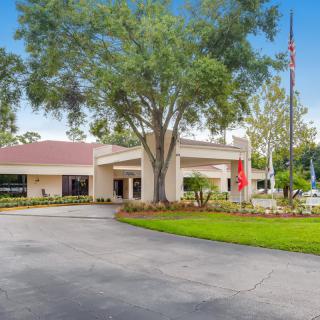
Holiday Ormond In The Pines
$2,409 to $4,139 / month20.0 miles away -
About the same

The Opal at Ormand Beach
$2,500 to $3,500 / month18.1 miles away -
from -$100 / mo
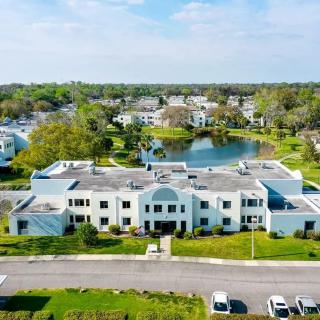
Woodmark at Daytona Beach
$2,400 to $3,000 / month22.7 miles away
Overall Review of Lexelle Assisted Living Facility
Pros
 The 24-hour care is outstanding, exceptional, and provided in a home-like environment.
- The owner is easy to communicate with and very trustworthy.
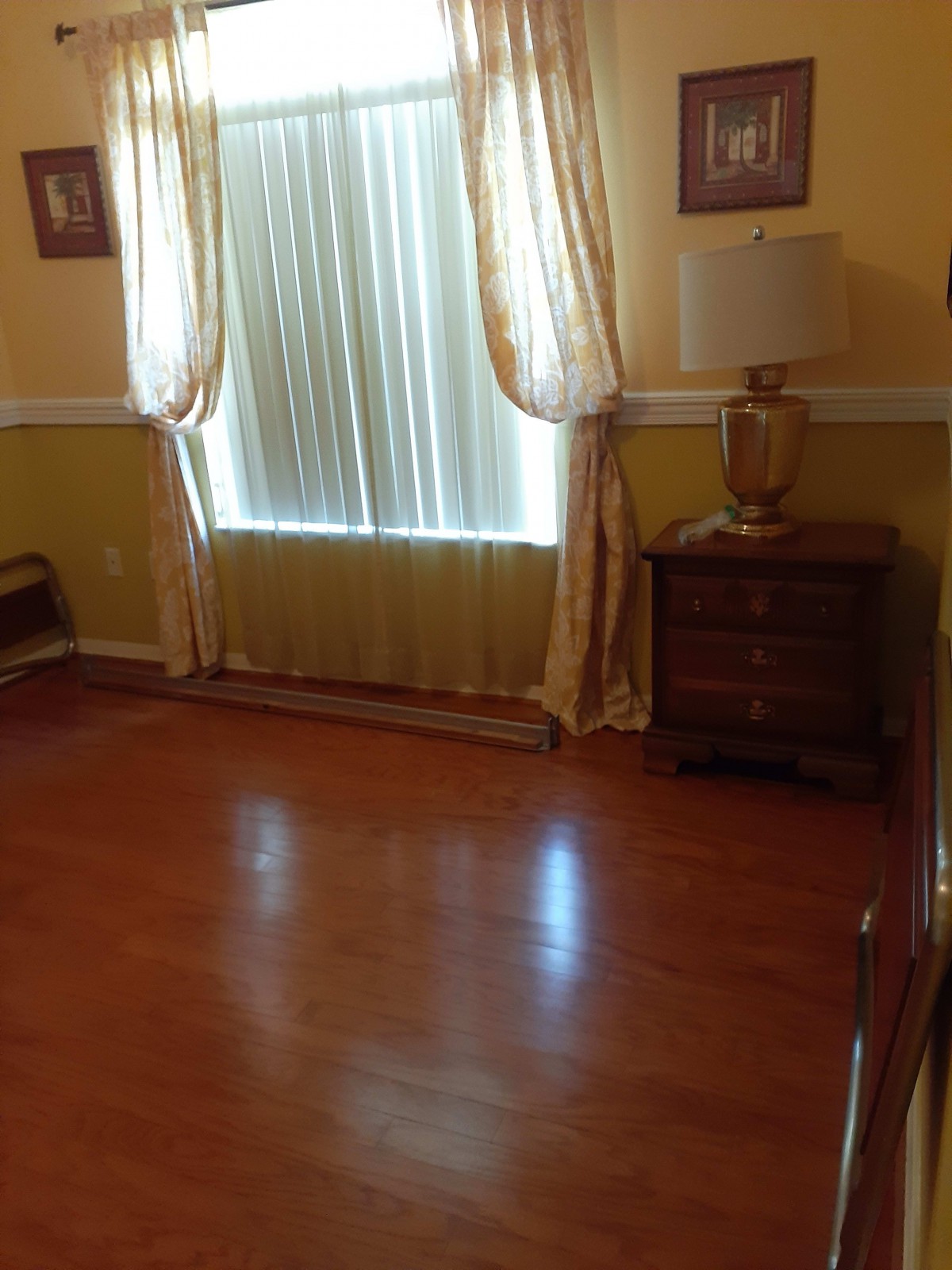
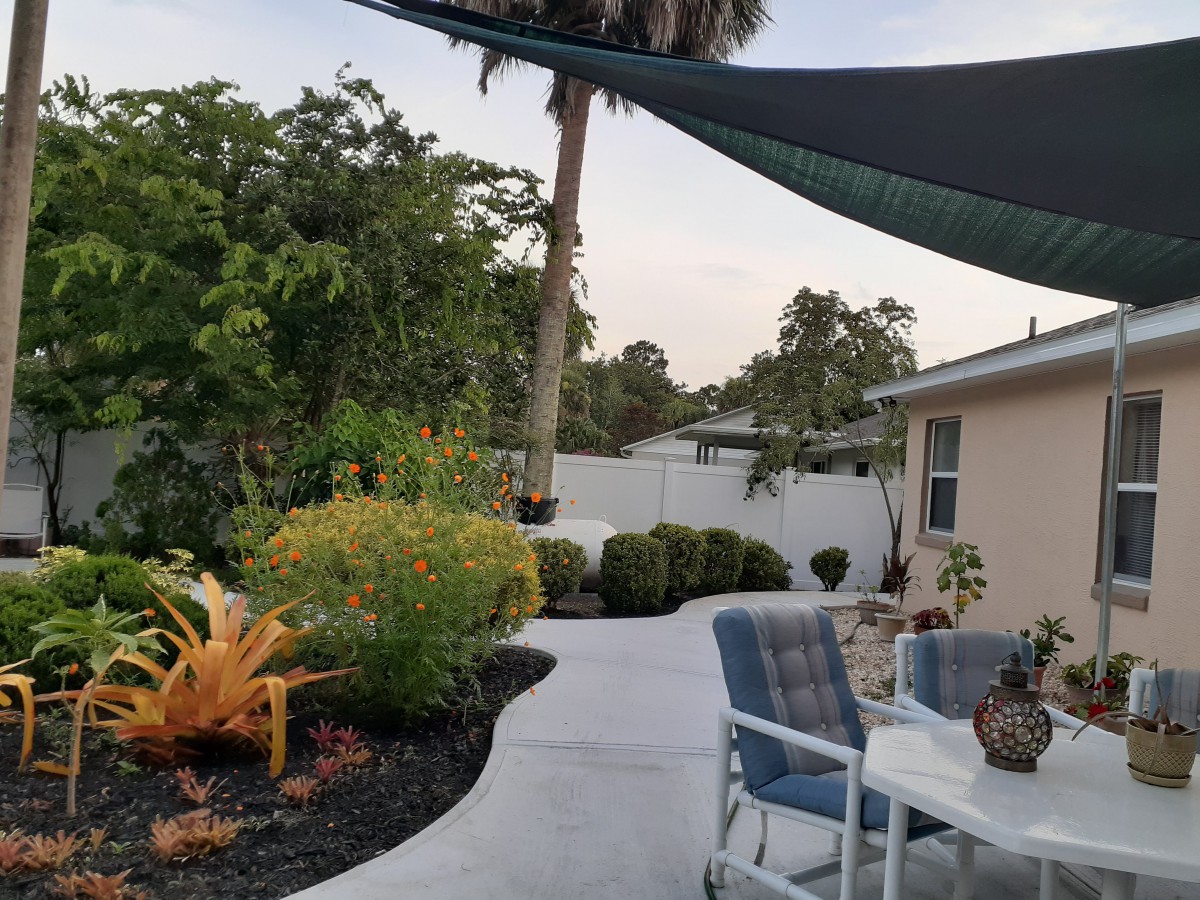
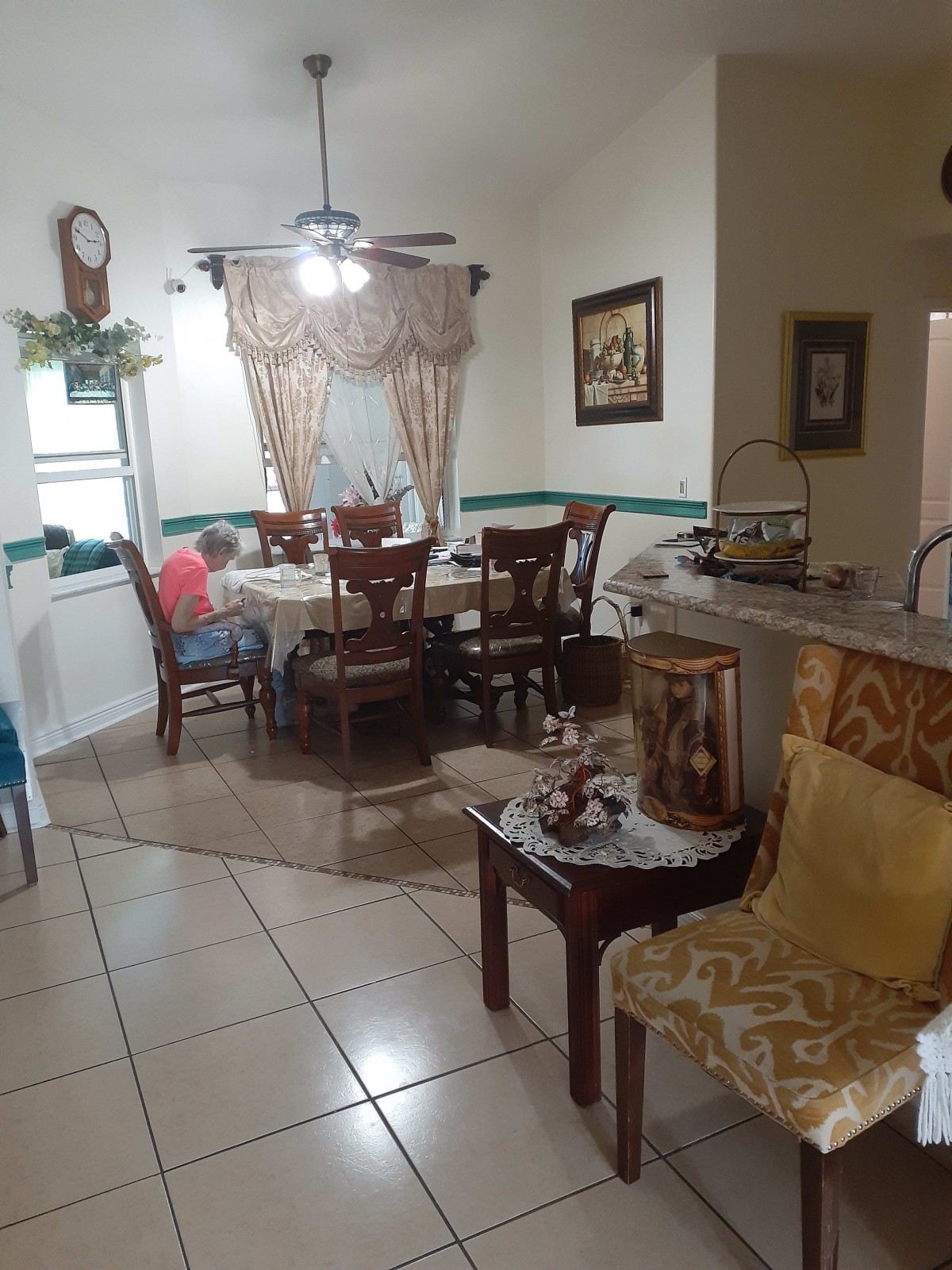
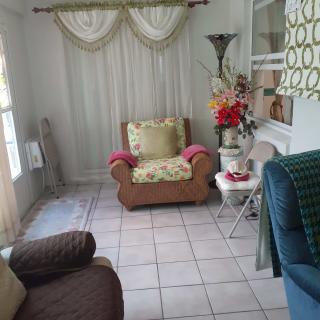
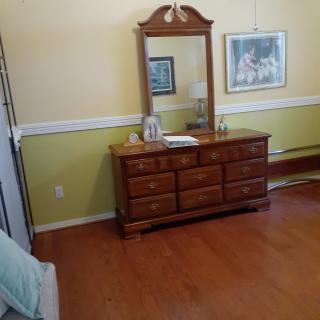
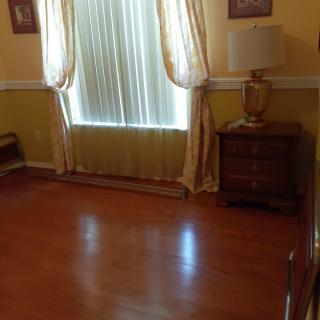
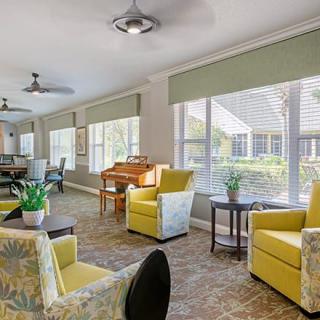
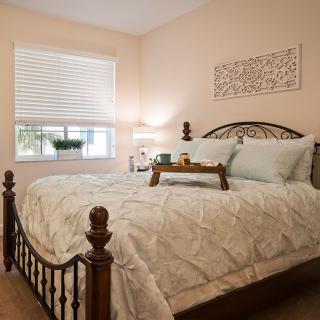
- The home is consistently clean, and the rooms are beautiful and homey.
- Residents enjoy wonderful home-cooked meals and can engage in activities like drawing and playing piano.
- The owner keeps families informed about doctors’ visits and coordinates visits smoothly.
- The care is excellent and the staff are attentive and ready to help.
- The owner treats every resident like family and is a genuinely caring caregiver.
Cons
 The facility has trouble keeping staff.
- There are not many activities available.
- Henry needs more activities.
Review
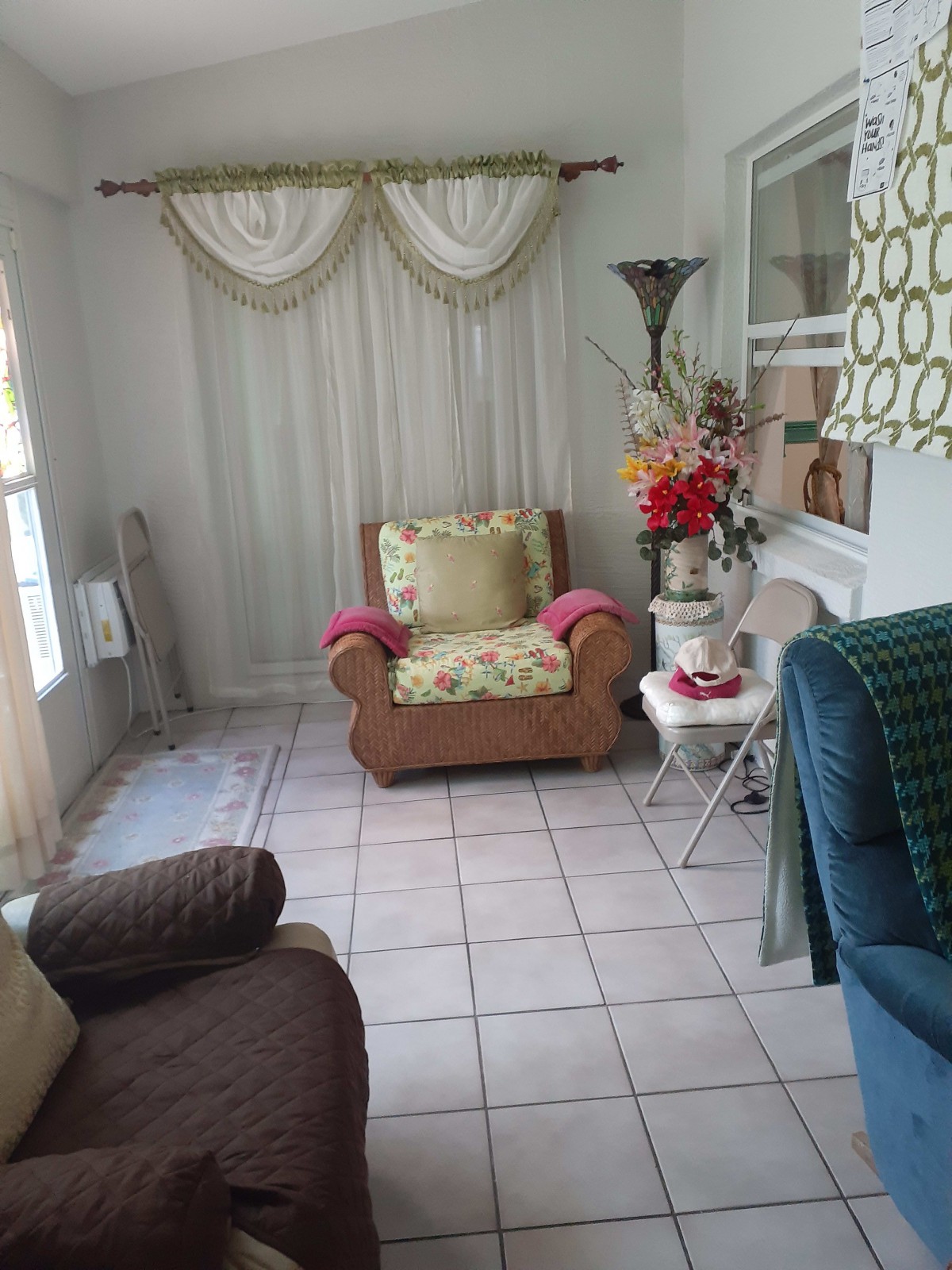
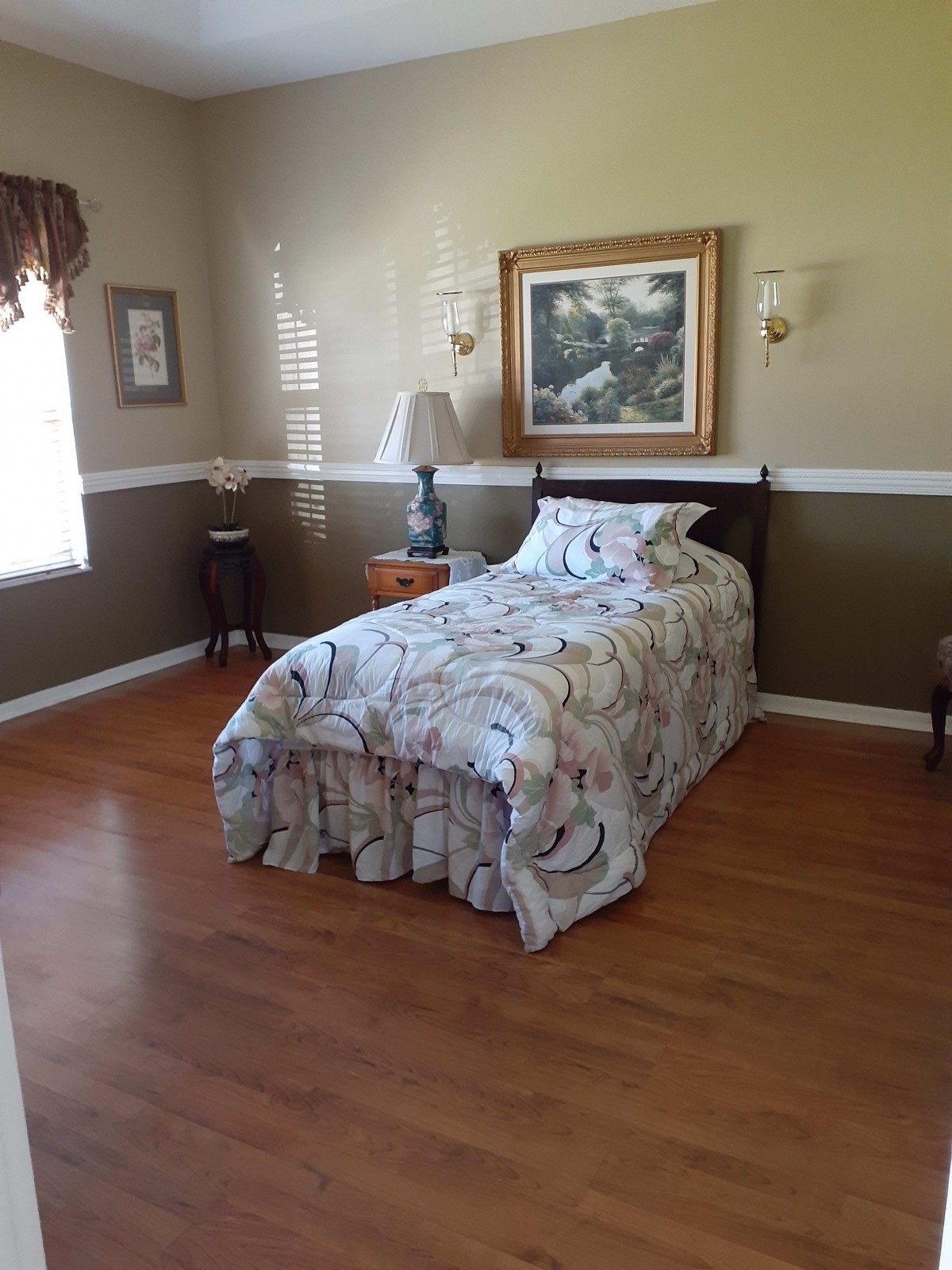
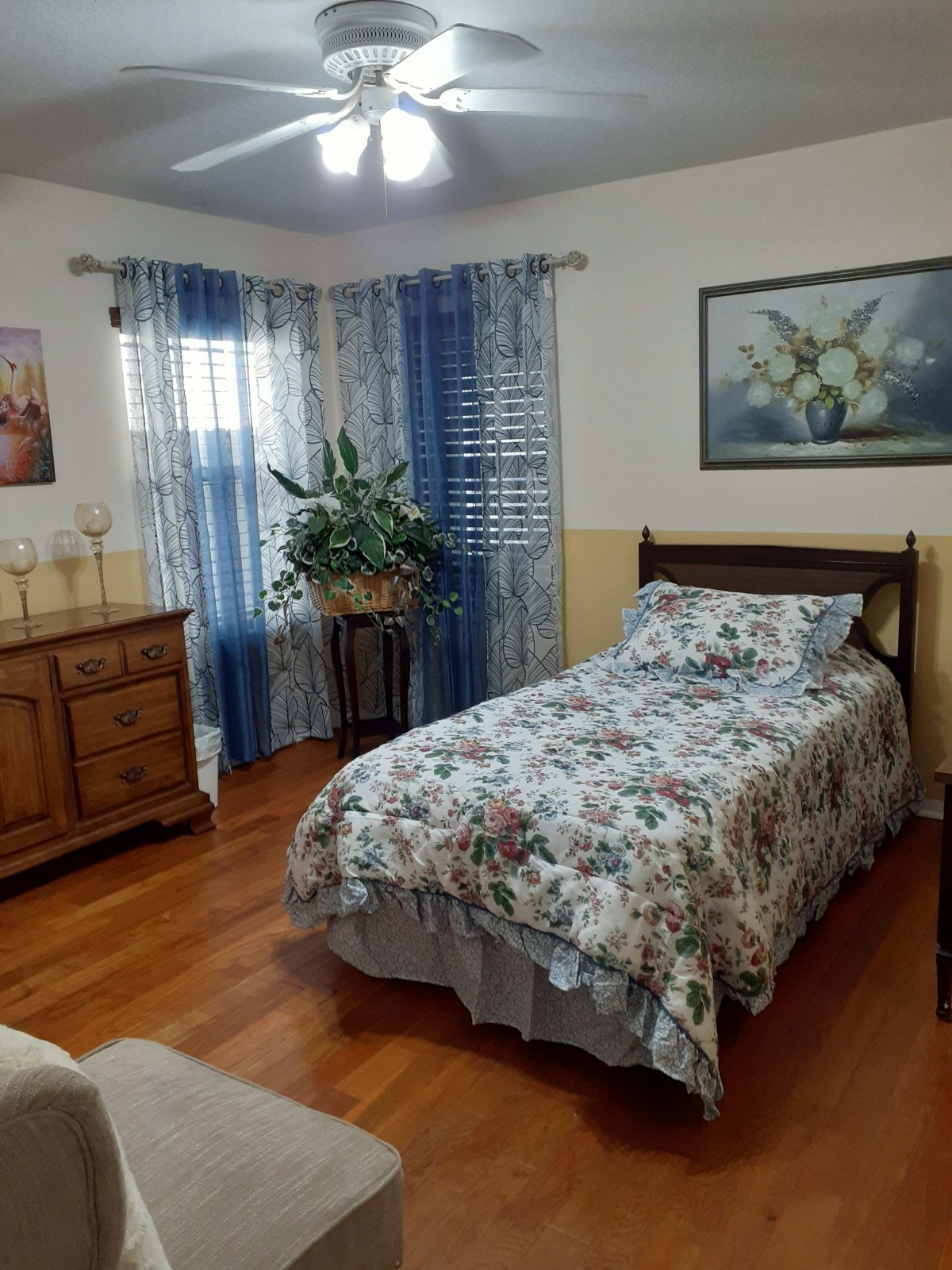
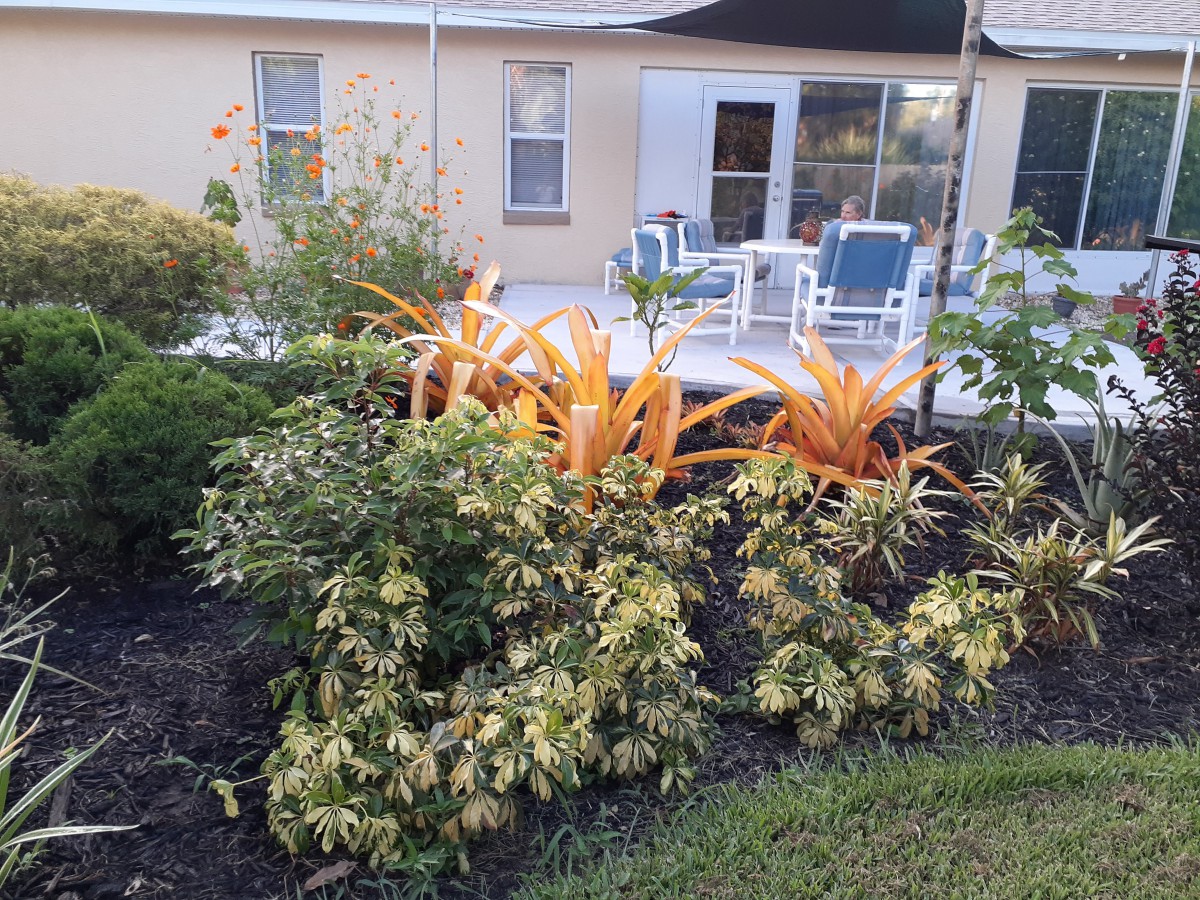
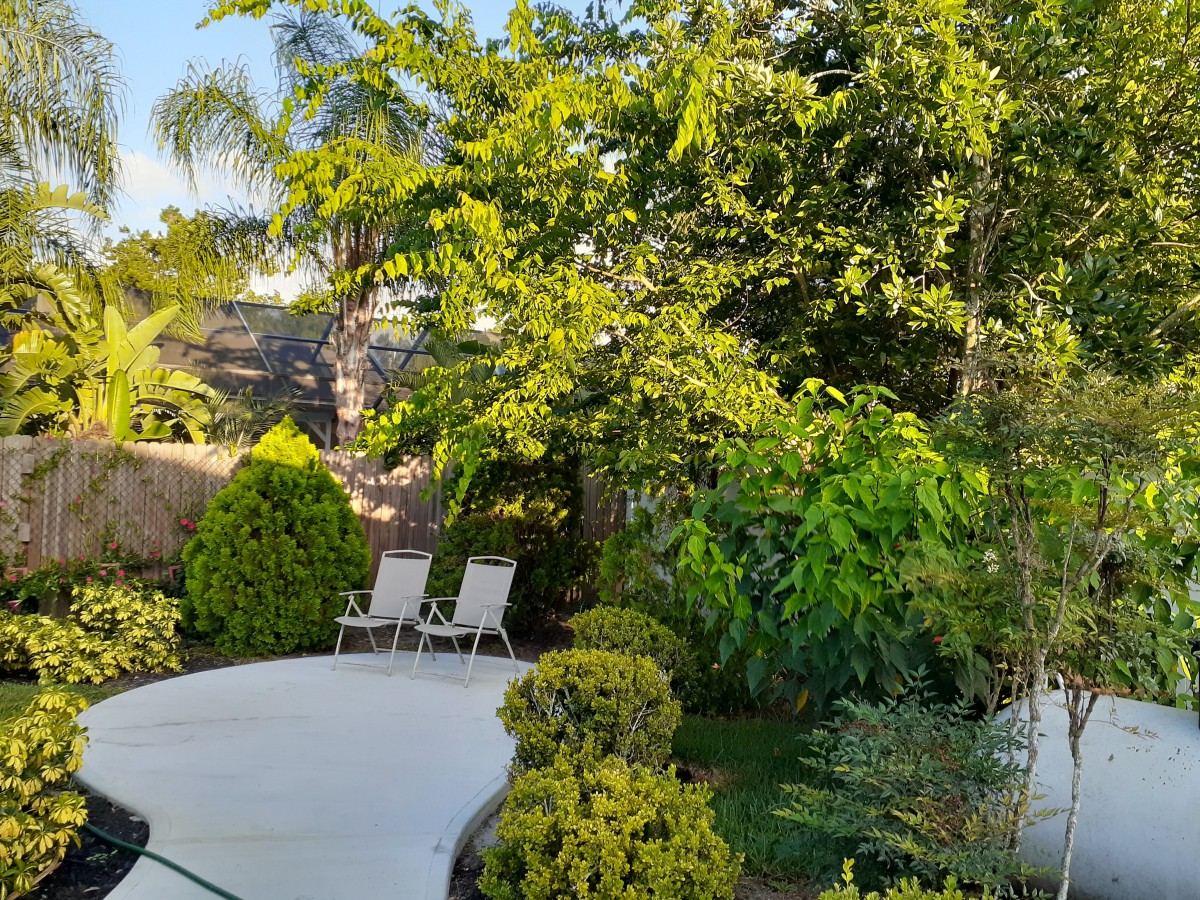
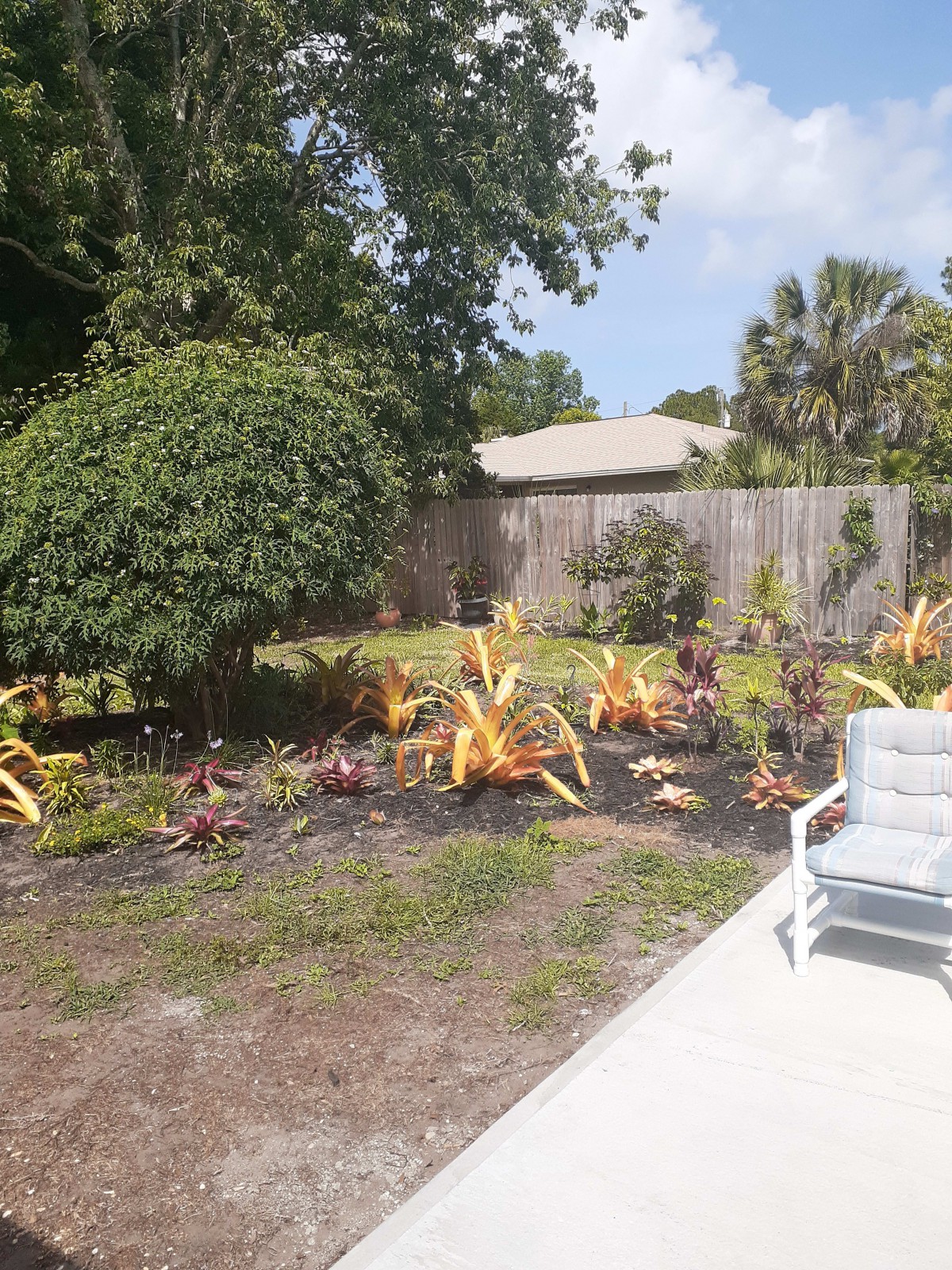
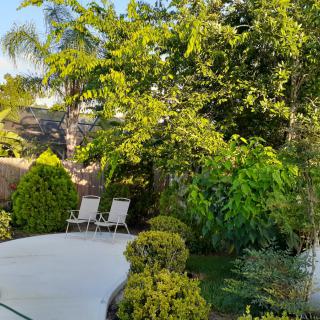
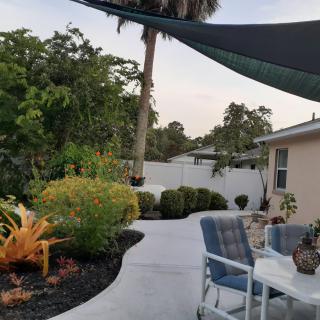
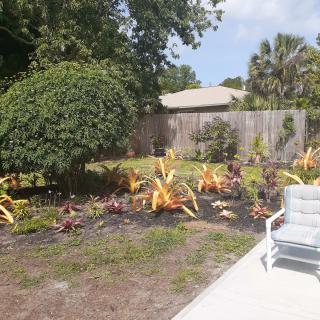
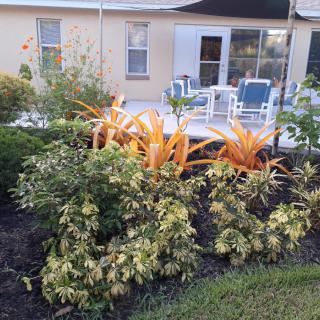
Lexelle Assisted Living Facility in Palm Coast is best suited for seniors who thrive in a warm, intimate setting where caregiving is personal and responsiveness is built into daily routines. This community excels when families want 24/7 loving attention delivered in a home-like environment, with clear, direct communication from the owner and staff. It suits residents who value cleanliness, comfortable, homey rooms, and meals cooked with care, along with opportunities to engage in simple, meaningful activities, drawing, piano, and outdoor views that create a sense of belonging rather than a clinical pace. For a senior who needs steady hands-on monitoring and a trusting, almost family-like atmosphere, this is a compelling match.
Those who should consider alternatives are those who prize a robust activity calendar, larger social networks, or more formal programming. The notes from families point to limited activity offerings and a smaller community footprint that can feel quiet or sparse for someone who thrives on frequent social engagement. Staffing stability is another factor: while a new owner has earned praise for attentive, compassionate care, turnover and consistency concerns are not absent in the narrative, and a larger facility with a deeper pool of aides and a steady program may suit residents who require consistent, diversified programming. Families should also flag if a loved one needs a more structured environment with diverse peers, or if gender balance in activities and companionship matters, some comments indicate a small resident base, which can limit certain social options.
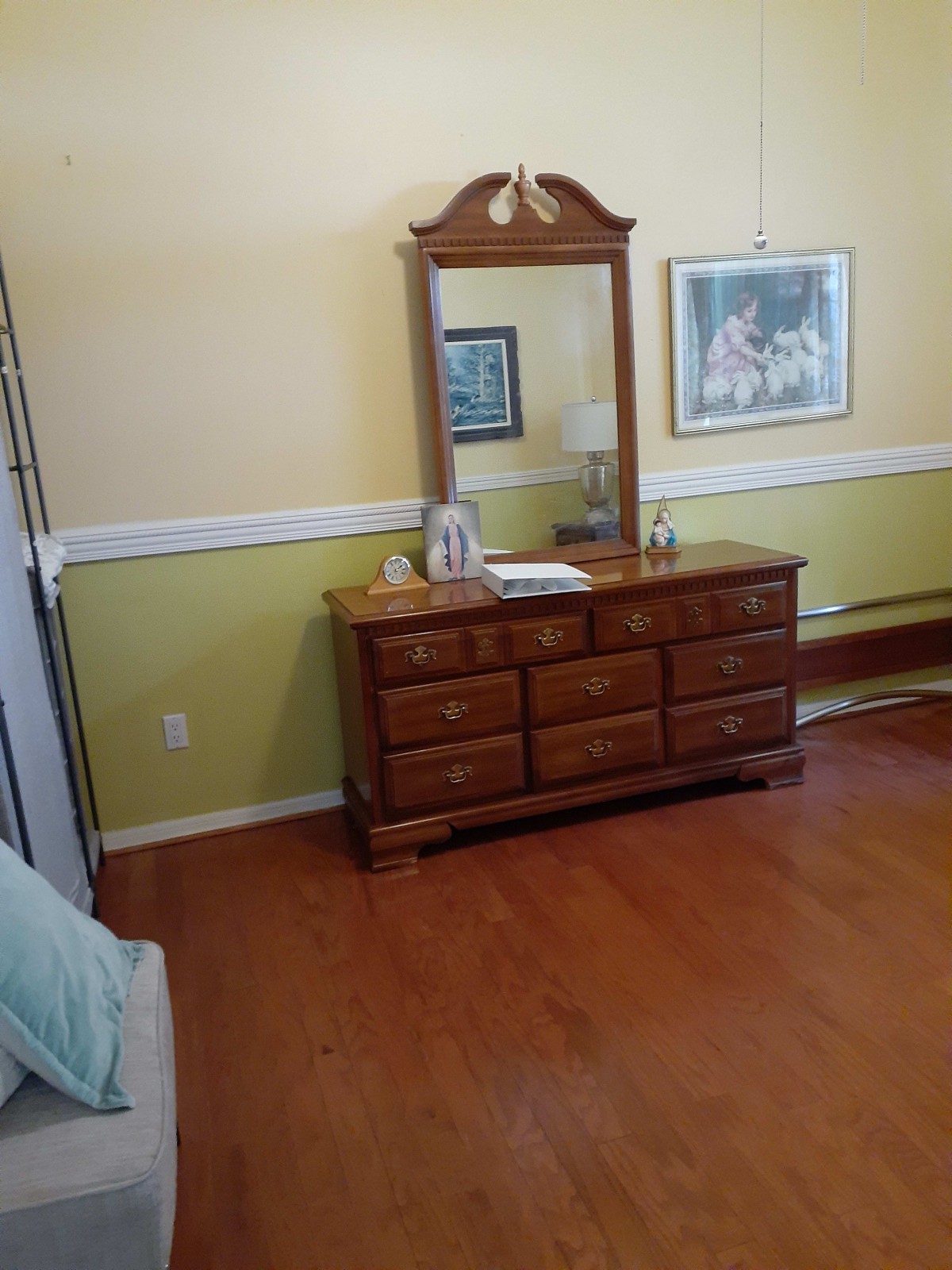
The upside is substantial: the strongest pro is the sense that residents are treated as members of a caring family, with hands-on oversight from an owner who communicates openly with families. The living spaces read as clean, welcoming, and home-like, reinforcing security and comfort. The care teams are described as capable of addressing medical issues promptly or coordinating doctor visits, which reduces anxiety for families managing chronic conditions or ongoing needs. Cleanliness and nutritious meals add daily quality of life, and the ability to tailor activities to individual interests, art, music, and nature glimpses, helps preserve a sense of identity and daily purpose. In short, the pros create a low-stress, highly personalized care experience that can offset some gaps in formal programming.
That said, the key cons warrant careful weighing. The apparent challenge with staff retention and the smaller activity slate can translate into occasional gaps in coverage or misses on social opportunities for residents who crave constant stimulation. The prospect of ownership changes introduces a potential continuity risk; while recent reports celebrate the new owner’s dedication, prospective families should verify current leadership stability and request current staff rosters and turnover data. The limited number of residents may also constrain incidental social interactions for some, and those seeking a broad, boisterous community should anticipate a more hushed, intimate pace that may not feel dynamic enough.
To evaluate this option decisively, focus on concrete specifics. Request a face-to-face meet-and-greet with the owner and the care director to assess communication style and responsiveness. Tour the living spaces during different times of day to gauge activity levels, noise, and resident engagement. Ask for a recent staffing schedule, caregiver-to-resident ratios, and how shifts are covered during peak illness seasons or staff vacations. Inquire about the activity calendar, volunteer or outings programs, and whether residents have choices that fit individual preferences and mobility levels. Seek testimonials from current residents or families, and clarify how care plans adapt as needs evolve, including potential escalations in medical or daily living support.
Overall, this community stands out for families prioritizing warmth, trust, and individualized attention over a bustling, program-heavy campus. If the priority is a homey, close-knit atmosphere with highly attentive caregivers who can coordinate medical needs and maintain a steady, predictable routine, this option warrants serious consideration. If, instead, a resident requires frequent, structured group activities, a larger peer network, or a facility with a wider array of amenities and formal programming, a comparative search is advised. The decision hinges on weighing the value of intimate, owner-led care against the desire for richer social programming and staffing breadth. A thoughtful visit, direct conversations with current resident families, and a clear view of the current leadership and staff stability will reveal whether Lexelle’s strengths align with the senior’s daily life goals.
 6 resident community capacity
 Assisted Living
 Board and Care Home
 Respite Care
 Activities off-site
 Cable or satellite TV
 Devotional services on-site
 Dining room
 Fully furnished
 Garden
 Housekeeping services
 Indoor common areas
 Move-in coordination
 Outdoor common areas
 Private
 Telephone
 Wheelchair accessible showers
 Wi-Fi/high-speed internet available
 24-hour supervision
 Ambulatory care
 Assistance with bathing
 Assistance with dressing
 Assistance with transfers
 Diabetes diet
 High acuity care
 Incontinence care
 Meal preparation and service
 Medication management
 Special dietary restrictions
 Transportation arrangement (medical)
 Transportation to doctors appointments
 Catholic services
 Day trips and outings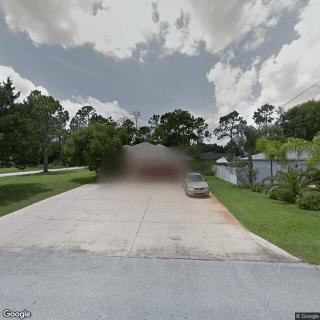

 Senior Transition Services: Understanding Their Role, Cost, and Importance
 Exploring the Path to Senior Living: A Comprehensive Look at Independent Living and Assisted Living
 Is Assisted Living Deductible on Your Taxes? Understanding the Complexities of Assisted Living Expenses and Deductions