At HarborChase of Palm Beach Gardens, the monthly costs for various room types reflect the premium services and amenities offered in this vibrant community. For a semi-private room, residents can expect to pay $5,295, which is notably higher than the average cost in Palm Beach County at $3,592 and the statewide average of $3,009. The one-bedroom accommodations are priced at $6,595, exceeding both local and state averages of $4,362 and $3,864 respectively. Additionally, the two-bedroom option is available for $7,695 - again surpassing the county's average of $5,359 and Florida's average of $4,711. These figures highlight HarborChase's commitment to providing an enriched living experience while aligning with regional pricing trends that reflect both quality care and desirable location.
Floor plans
HarborChase of Palm Beach Gardens
Palm Beach County
Florida
Semi-Private
$5,295
$3,592
$3,009
1 Bedroom
$6,595
$4,362
$3,864
2 Bedrooms
$7,695
$5,359
$4,711
Skilled Nursing Facilities with a similar price nearby
Overall Review of HarborChase of Palm Beach Gardens
common22 reviews mention this
Warm, attentive staff stands out
Residents and families consistently describe staff as warm, attentive, and caring.
Across the reviews, people point to staff interactions as a main reason they felt comfortable—mentioning kindness, responsiveness, and caregivers who make family members feel welcome. Several residents and families also describe staff helping with day-to-day needs, communication, and follow-through after move-in. The strongest praise is tied to how staff show up personally, not just what the community offers.
common14 reviews mention this
Dining feels like more than meals
Dining is repeatedly described as a standout part of daily life.
Many reviewers call out the food as a highlight, describing it as delicious and well prepared, with multiple dining areas and choices. A number of reviews also mention dietary support and the variety of dining options available. Overall, dining shows up as one of the recurring, positive experiences for residents and families.
common16 reviews mention this
Activities keep residents engaged
Residents are offered frequent activities that help them stay engaged.
Reviews frequently describe a packed schedule—fitness, art, social events, and outings—so residents have things to do beyond the usual routine. Some families say their loved ones participated often, including entertainment and scheduled programming. Even reviewers focused on other concerns often still reference the breadth of activities offered elsewhere on the campus.
caveat8 reviews mention this
Memory care receives serious complaints
Memory care reviews include multiple accounts of inadequate communication and activity support.
A set of reviews raises concerns specifically about the memory care experience, describing problems with staffing coverage and communicating with families. Some reviewers report too little stimulation or difficulties getting consistent updates and activity postings. Others describe cleanliness or odor concerns in memory care areas and problems residents’ families say they noticed during visits.
caveat6 reviews mention this
Pricing is consistently above averages
Pricing is presented as expensive by multiple reviewers.
Some families explicitly call the community expensive, while others frame the overall value differently depending on their priorities. The posted pricing range also sits above county averages for most unit types, with a smaller gap for 2-bedroom apartments. If cost is a key deciding factor, it is worth comparing what is included for the care level you need.
How we summarize
Counts show how many written reviews mention each theme; a review can touch several themes, and only frequently mentioned themes are displayed.
Features
Housing
160 resident community capacity
1-bedroom apartments
2-bedroom apartments
Studio apartments
Types of Care
Assisted Living
Memory Care
Skilled Nursing Facility
Pets
Cats allowed
Dogs allowed
Amenities
Activities on-site
Air-conditioning
Bath tubs
Beautician on-site
Beauty salon
Cable or satellite TV
Computer center
Devotional services off-site
Devotional services on-site
Dining room
Fitness room
Fully furnished
Gaming room
Garden
Ground floor units
Guasts at mealtime
Handicap accessible
Housekeeping services
Indoor common areas
Kitchenette
Move-in coordination
Outdoor common areas
Outdoor space
Party space
Pet friendly
Private bathrooms
Respite or short term stays offered
Restaurant-style dining
Small library
Telephone
Wellness center
Wheelchair accessible showers
Wi-Fi/high-speed internet available
Transportation
Palm Beach International (12 miles away)
Community operated transportation
Transportation & parking
Transportation arrangement
Transportation arrangement (non-medical)
Transportation to doctors appointments
Care Services
12-16 hour nursing
24-hour call system
24-hour supervision
Activities of daily living assistance
Ambulatory care
Assistance with bathing
Assistance with dressing
Assistance with transfers
Coordination with health care providers
Dementia waiver
Diabetes diet
Diabetic care
High acuity care
Hospice waiver
Incontinence care
Meal preparation and service
Medication management
Mental wellness program
Mild cognitive impairment
Personal care assistants
Physical therapy
Special dietary restrictions
Specialized memory care programming
Transportation arrangement (medical)
Transportation to doctors appointments
Dining
Anytime dining
Diabetes diet
Gluten-free
Guest meals
International cuisine
Low / no sodium
Meals provided
No Sugar
Organic
Professional chef
Restaurant style dining
Room service
Special dietary restrictions
Special dining programs
Vegan
Vegetarian
Activities
Activities off-site
Art classes
Catholic services
Community-sponsored activities
Concierge services
Cooking classes
Devotional activities offsite
Devotional activities on-site
Educational speakers / life long learning
Fitness programs
Jewish services
Karaoke
Live well programs
Planned day trips
Protestant services
Religious services
Resident-run activities
Scheduled daily activities
Visiting Rabbi
Visiting chaplain or priest
Languages Spoken
English
Videos
Nearby Places of Interest
This part of Palm Beach, Florida offers easy access to essential amenities for seniors looking to settle in the area. There are several pharmacies located within a short distance, including Walgreens and CVS Pharmacy, providing convenient options for prescription medications. Nearby physicians such as University of Miami Miller School of Medicine and Primary Care Associates of North Palm Beach offer quality medical care. In terms of dining options, residents can enjoy a variety of restaurants like Honeybelle and Christopher's Kitchen, as well as cafes such as Starbucks and Panera Bread. Places of worship like Christ Fellowship and St Peter Catholic Church are also close by for spiritual needs. Hospitals like Palm Beach Gardens Medical Center ensure access to healthcare services in case of emergencies. Additionally, parks like Osprey Isles Play Ground and Jupiter Village Park provide opportunities for outdoor recreation. Overall, this area offers a well-rounded community with amenities suited for senior living.
Pharmacies
Walgreens (1.1 miles)
CVS Pharmacy (2.7 miles)
Gardens Drugs (2.8 miles)
Walgreens (2.8 miles)
CVS Pharmacy (3.1 miles)
Abacoa Pharmacy (3.5 miles)
CVS Pharmacy (3.8 miles)
Physicians
University of Miami Miller School of Medicine (1.4 miles)
Friedman, Robert Robert J. Friedman, MD (1.8 miles)
Primary Care Associates of North Palm Beach (2.4 miles)
At HarborChase of Palm Beach Gardens, the monthly costs for various room types reflect the premium services and amenities offered in this vibrant community. For a semi-private room, residents can expect to pay $5,295, which is notably higher than the average cost in Palm Beach County at $3,592 and the statewide average of $3,009. The one-bedroom accommodations are priced at $6,595, exceeding both local and state averages of $4,362 and $3,864 respectively. Additionally, the two-bedroom option is available for $7,695 - again surpassing the county's average of $5,359 and Florida's average of $4,711. These figures highlight HarborChase's commitment to providing an enriched living experience while aligning with regional pricing trends that reflect both quality care and desirable location.
HarborChase of Palm Beach Gardens offers a comprehensive suite of services tailored to support residents with various stages of dementia or Alzheimer's disease, enhancing their quality of life and ensuring their safety. The 24-hour supervision provides a consistent and reassuring presence that helps prevent wandering and addresses emergencies swiftly. Assistance with activities of daily living, such as bathing, dressing, and transfers, fosters independence while ensuring personal care needs are met with dignity. Coordination with healthcare providers ensures that all medical requirements are seamlessly integrated into their daily routines. The dementia waiver and specialized memory care programming focus specifically on the unique challenges posed by cognitive impairment, while incontinence care further allows for comfort and dignity in personal hygiene. Meal preparation and nutritional service cater to specific dietary needs, making sure residents receive proper nourishment. Medication management combined with a mental wellness program supports cognitive health through structured activities designed for engagement and stimulation. Physical therapy helps maintain mobility and strength, while transportation arrangements facilitate access to medical appointments, reinforcing a holistic approach to individualized care throughout each resident's journey.
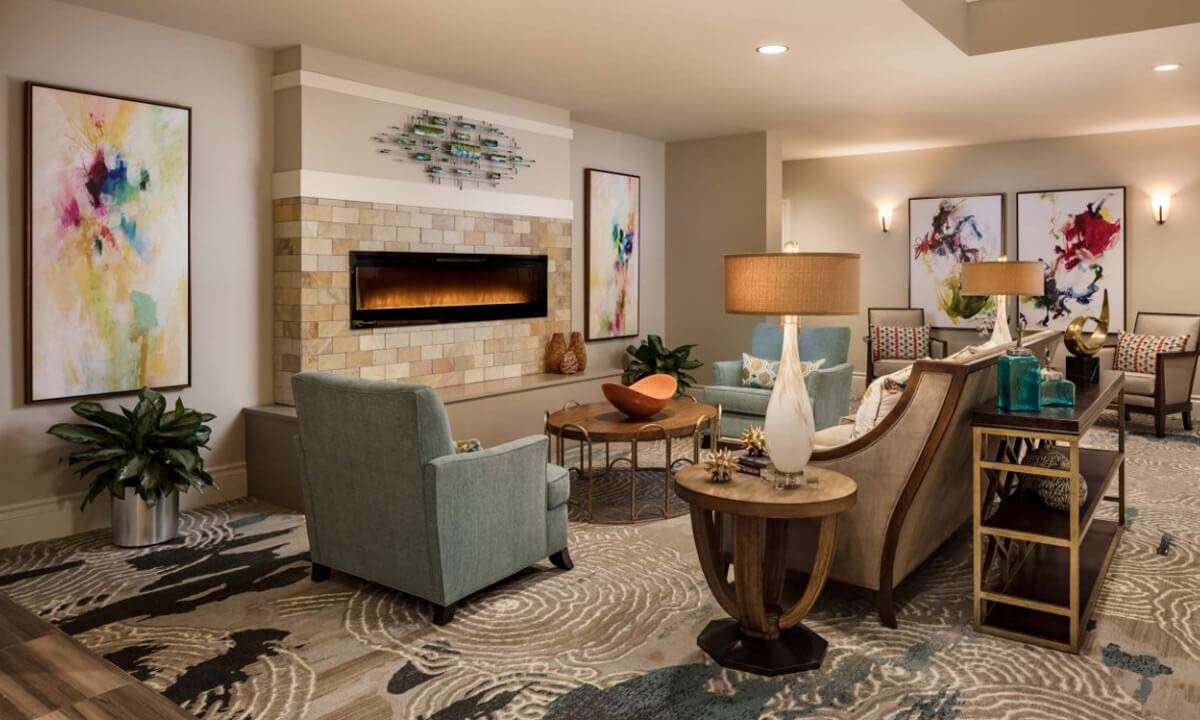
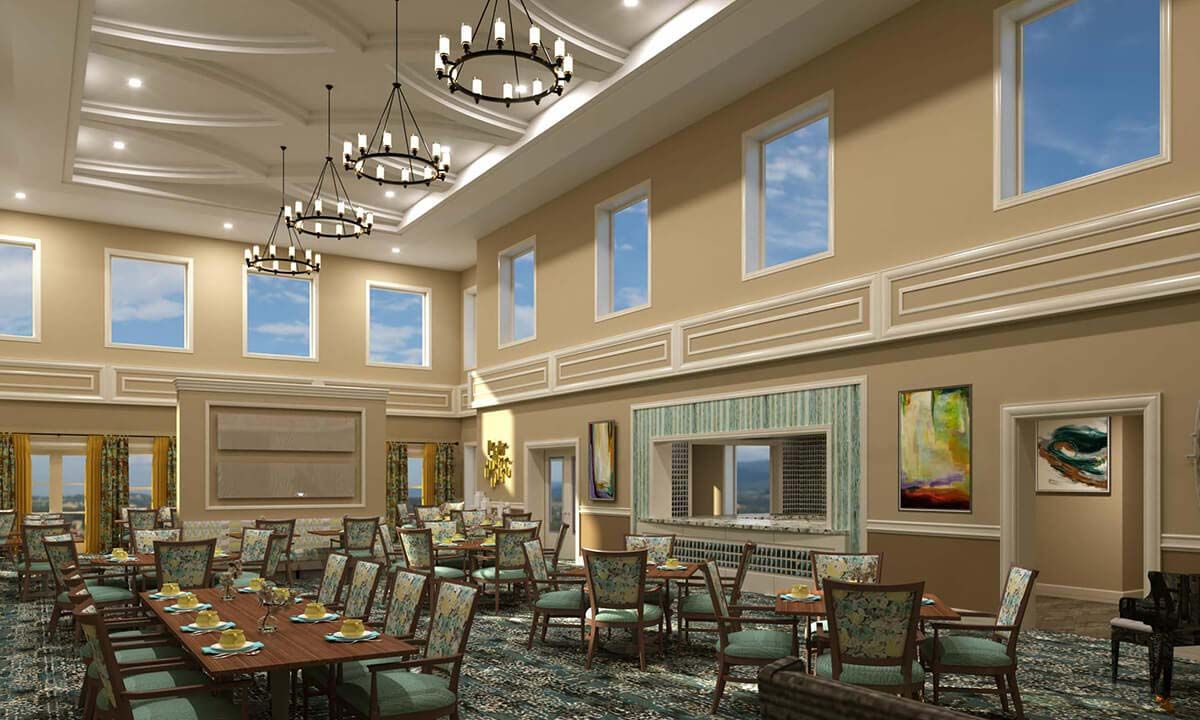
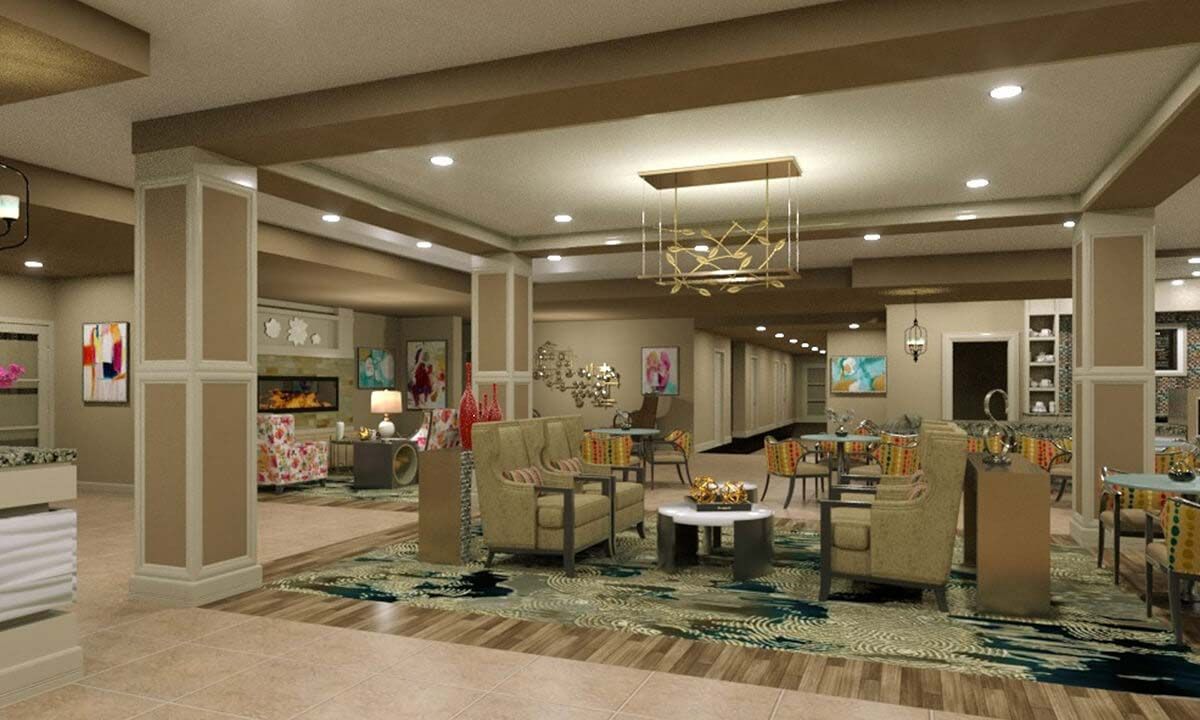
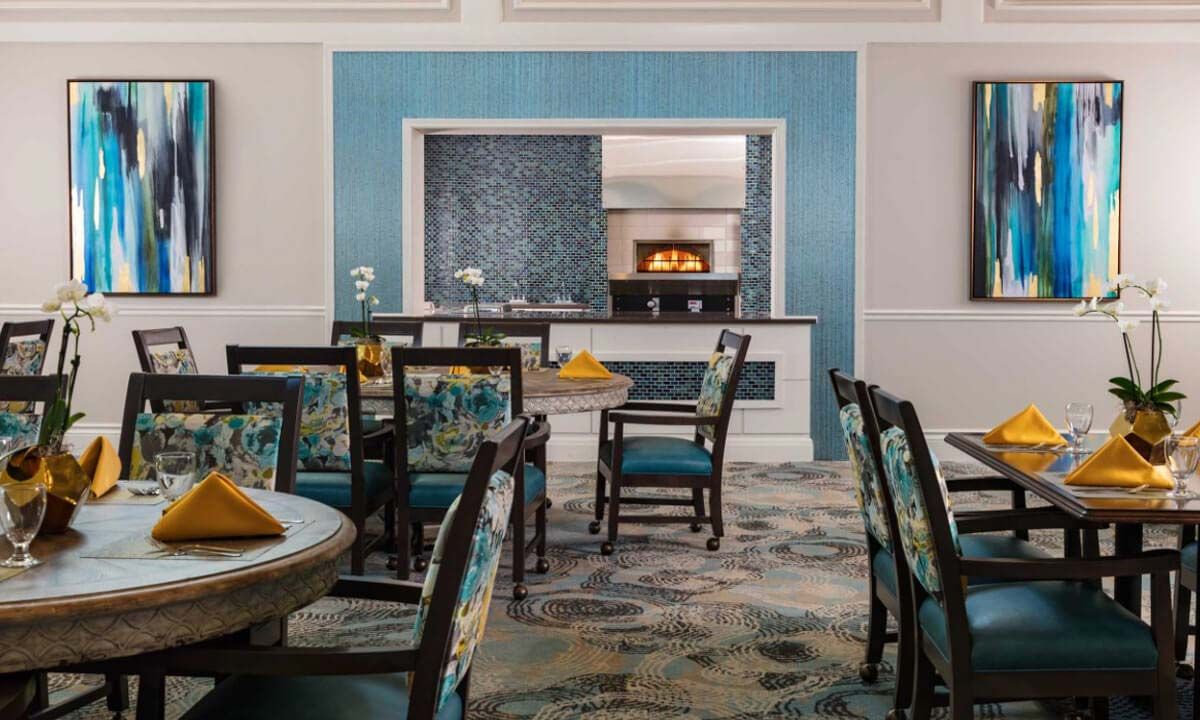
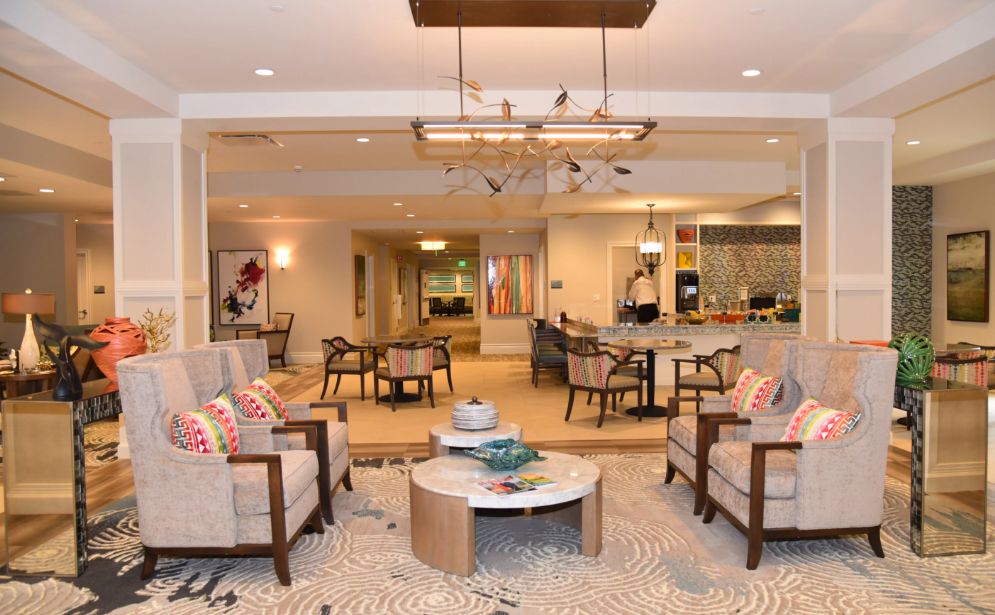
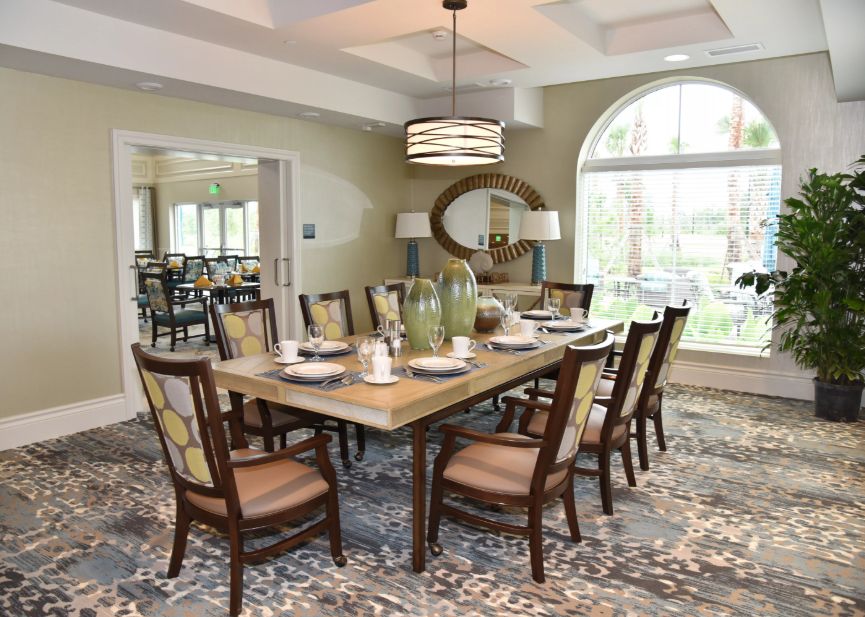
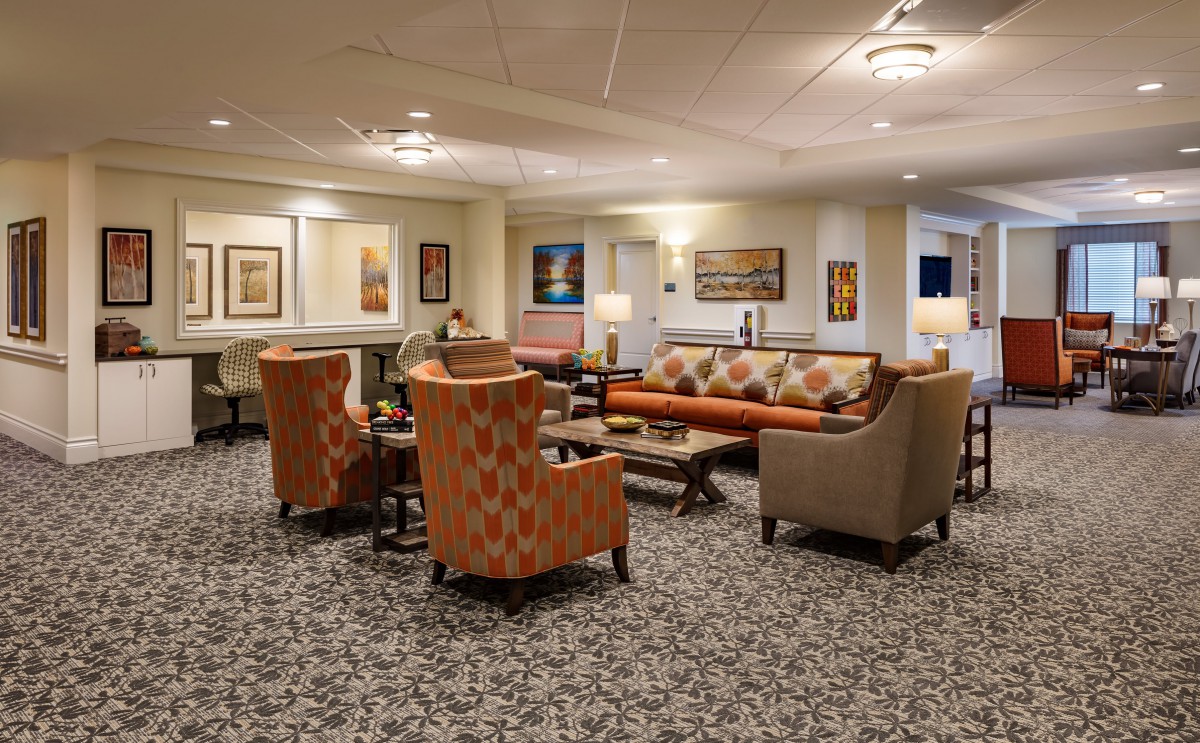
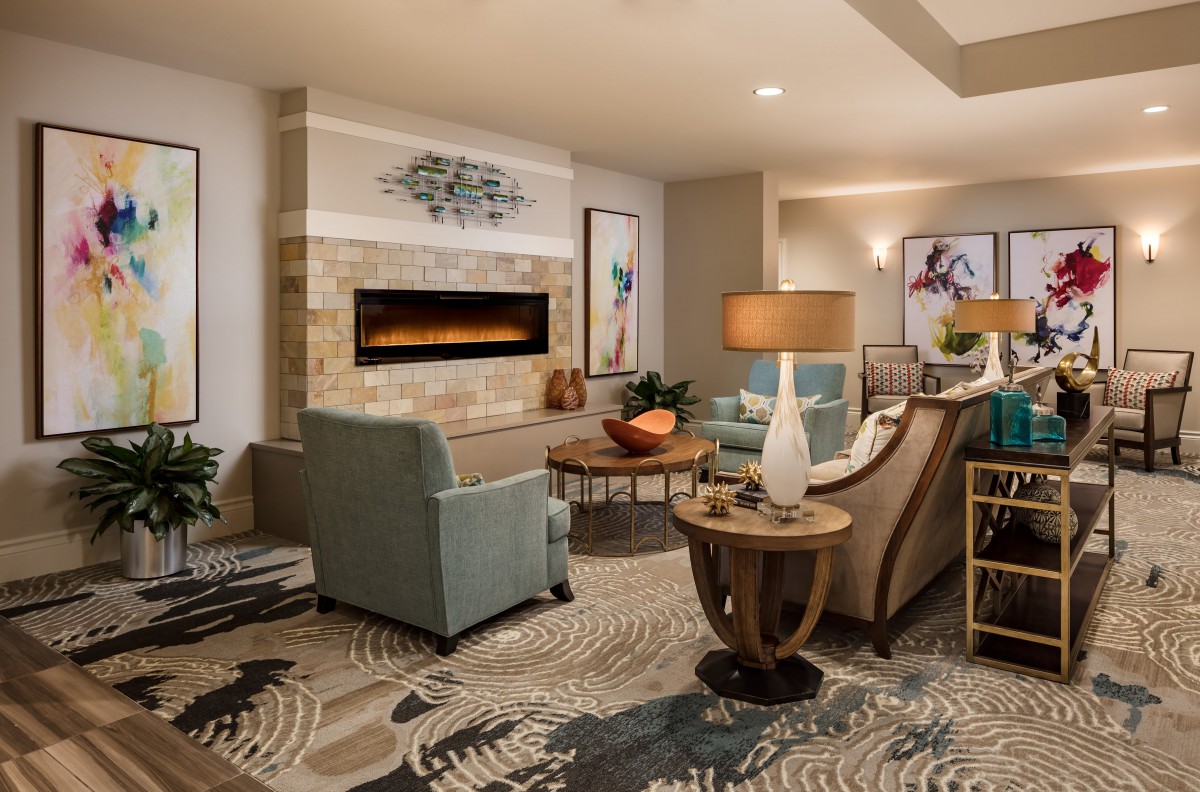
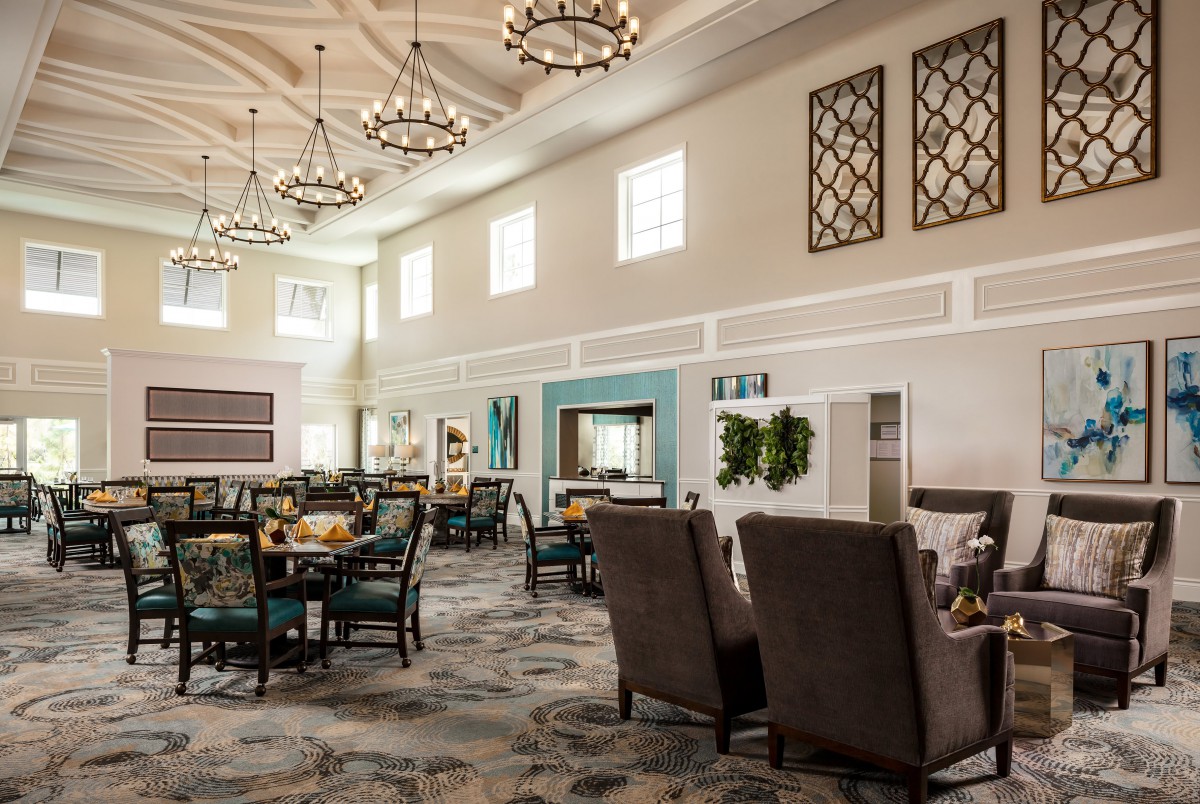
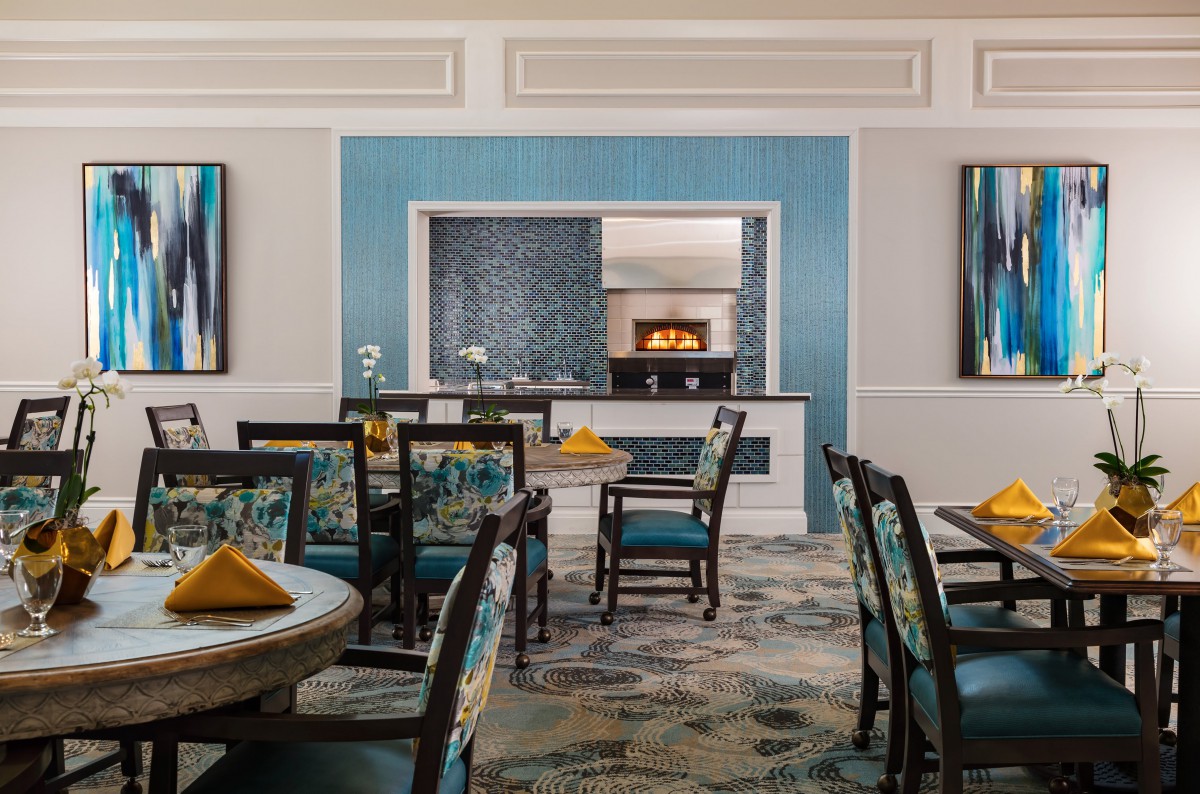
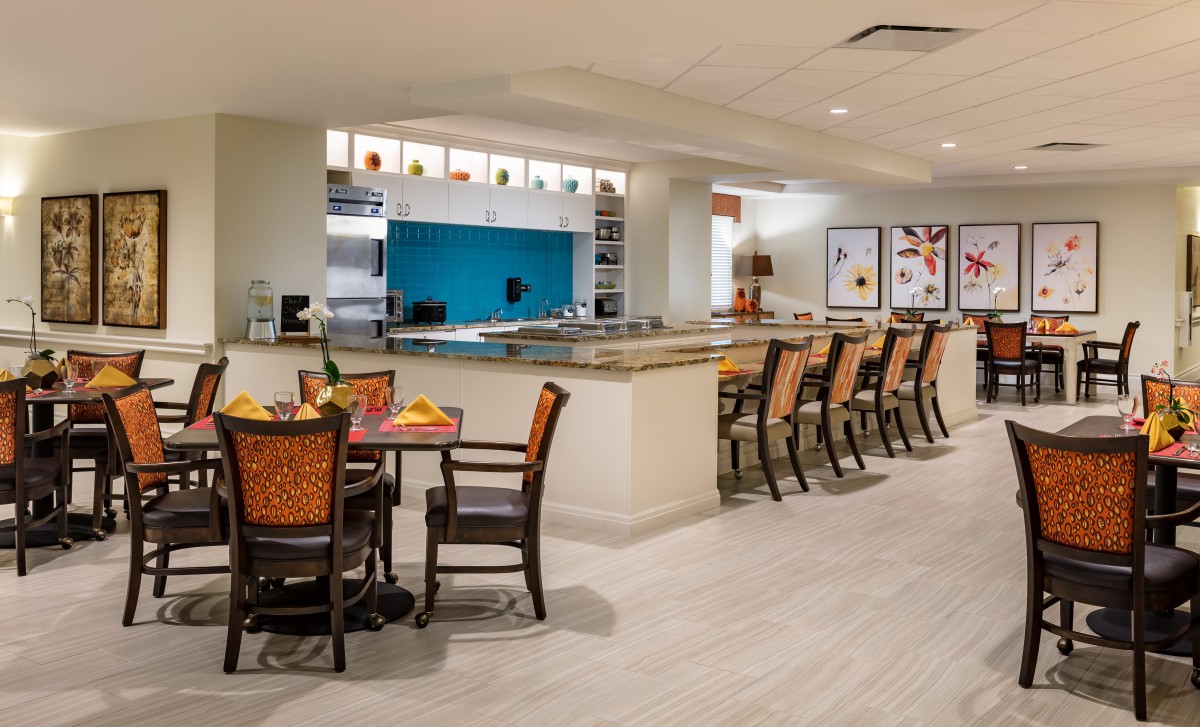
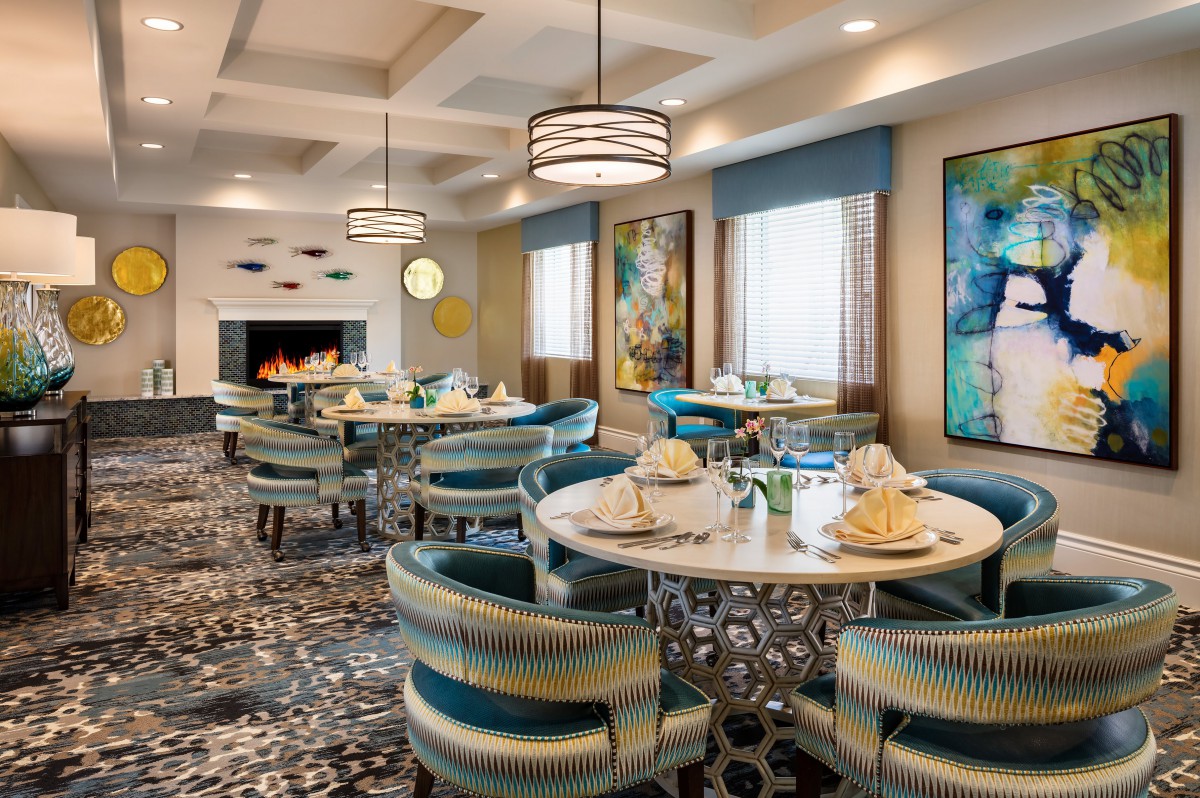
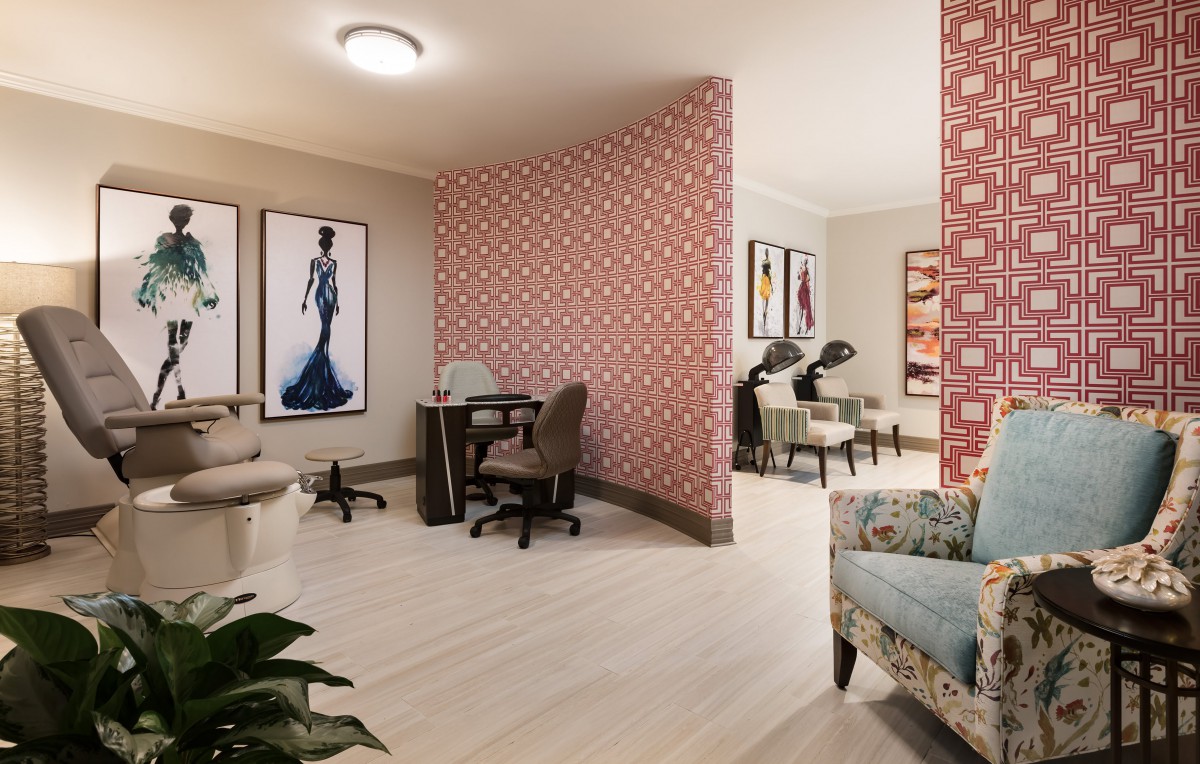
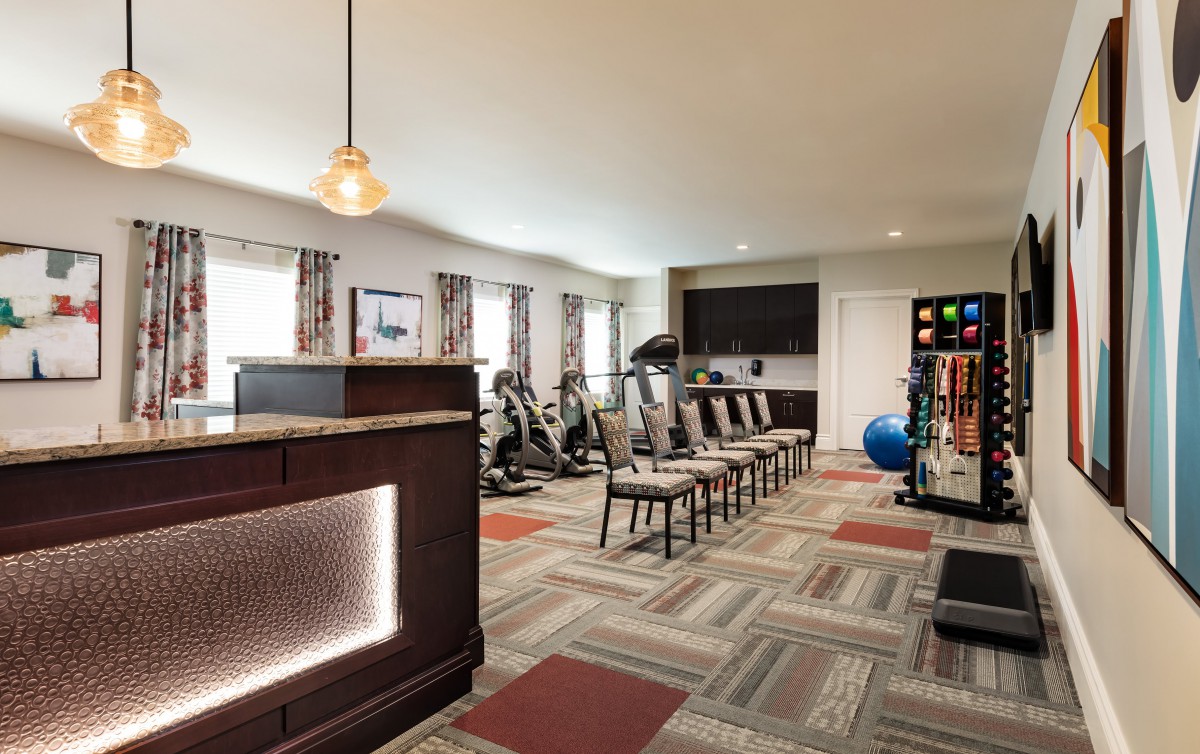
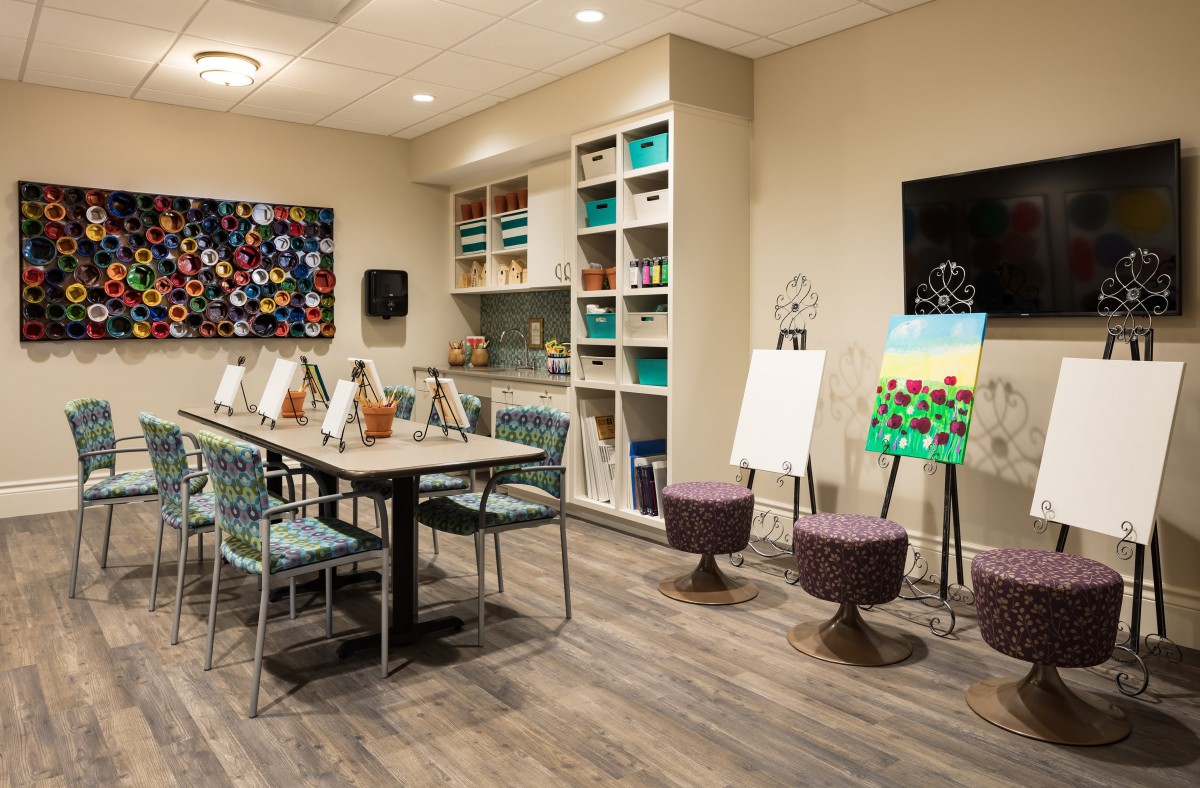
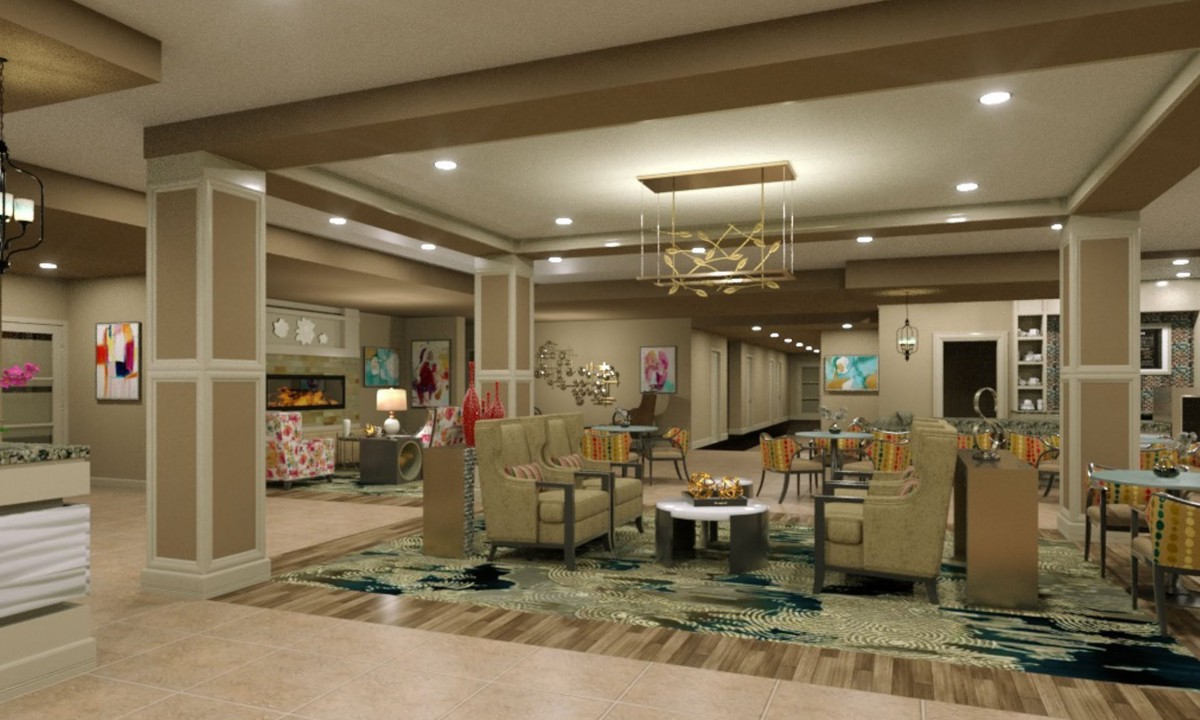
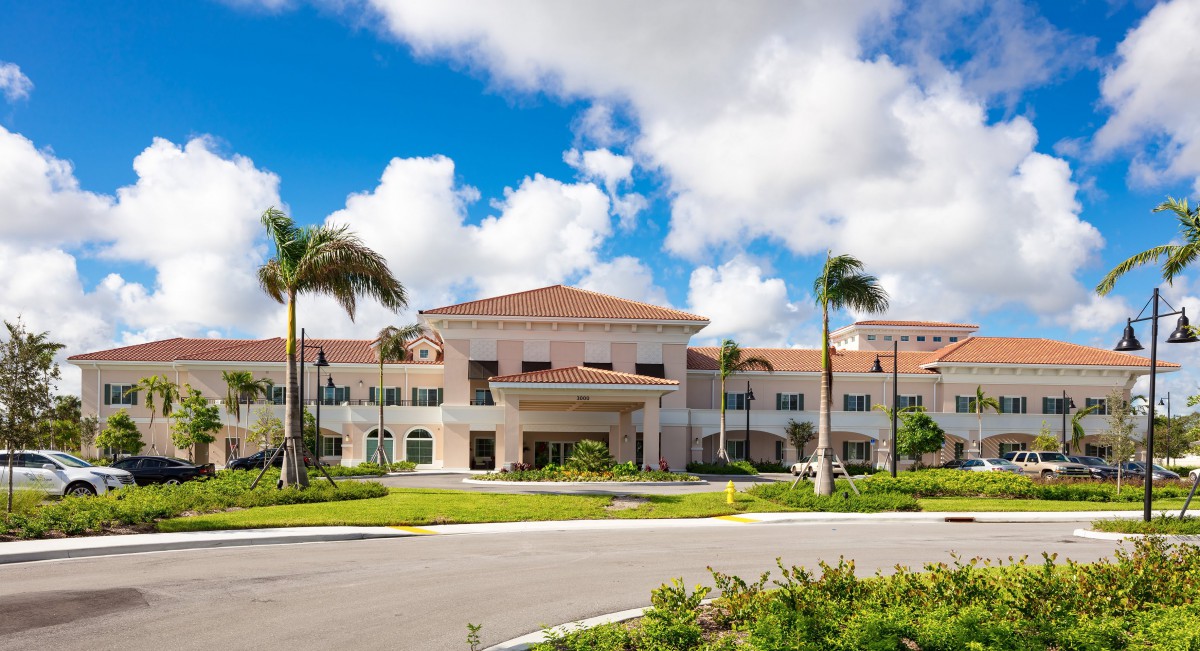
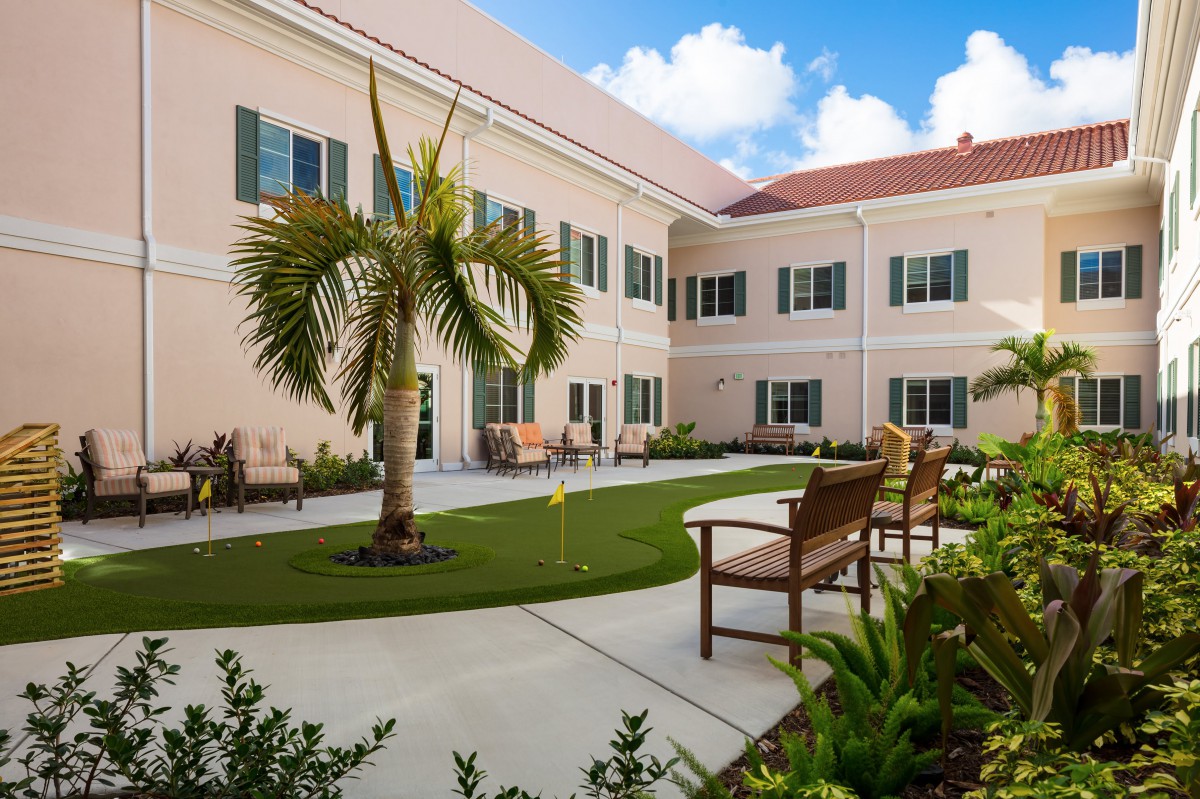
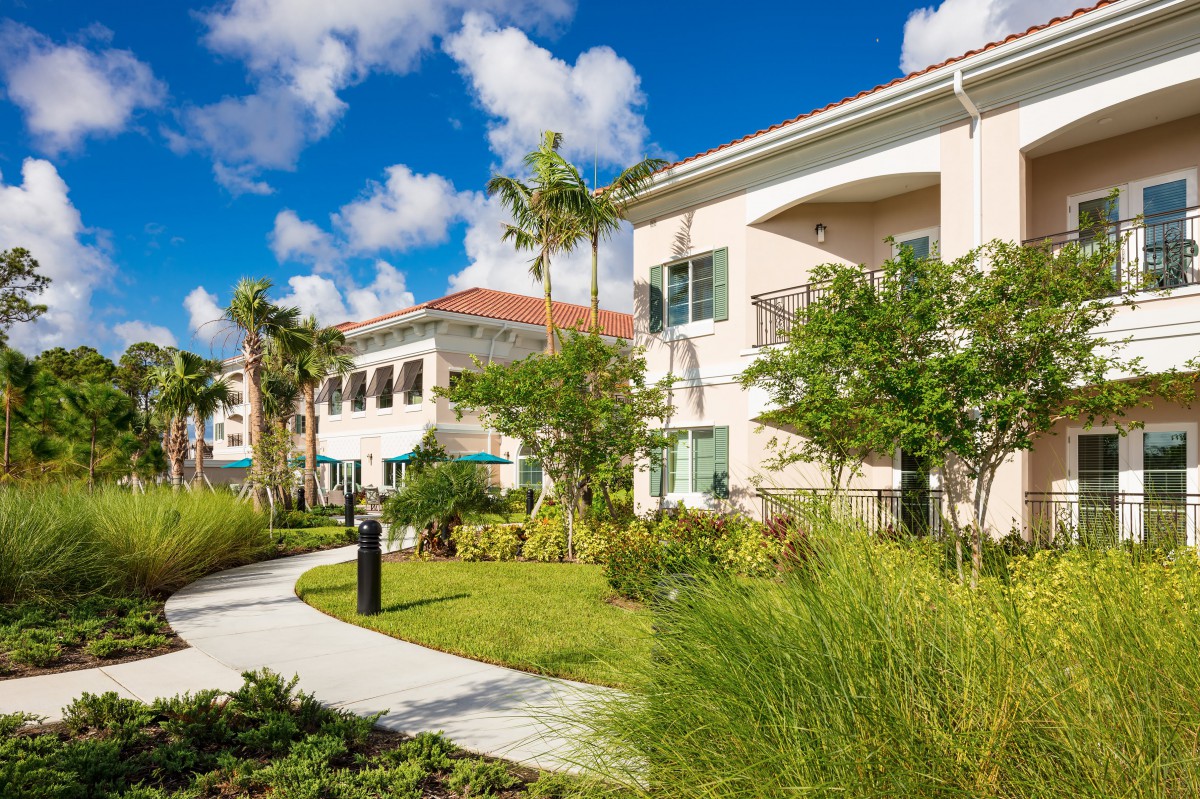
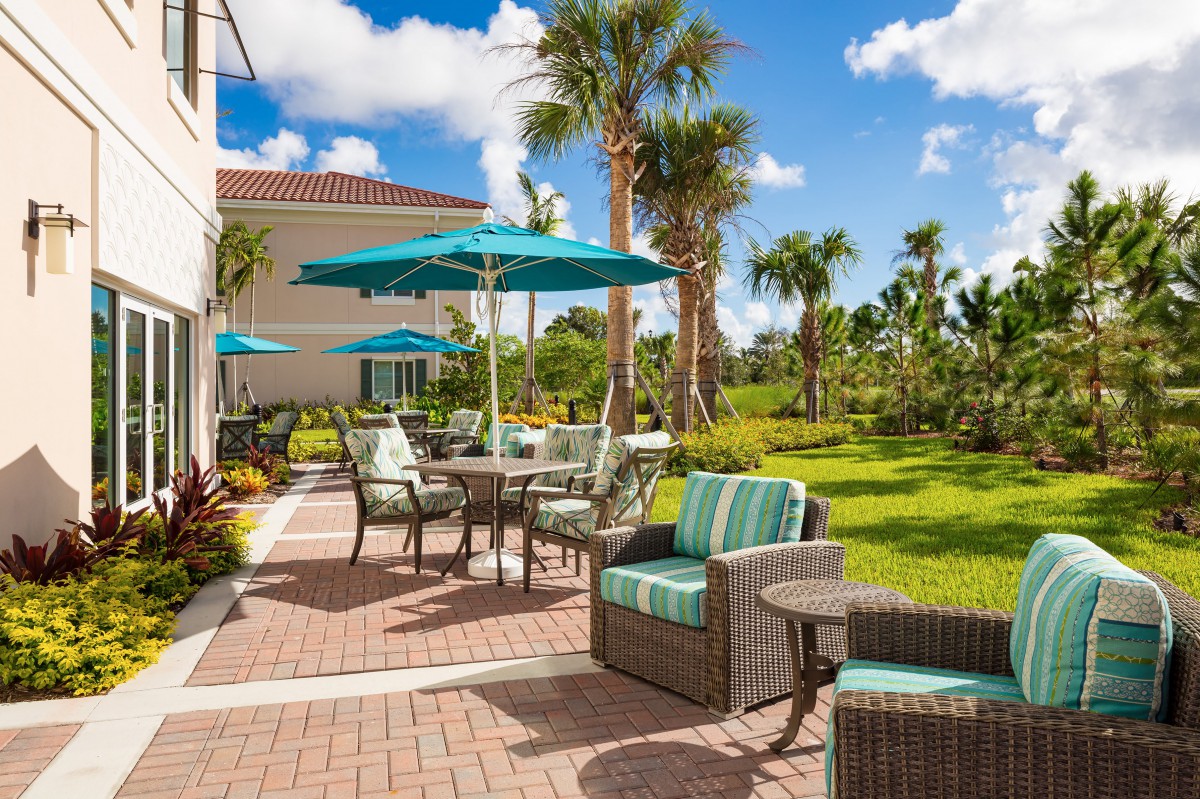
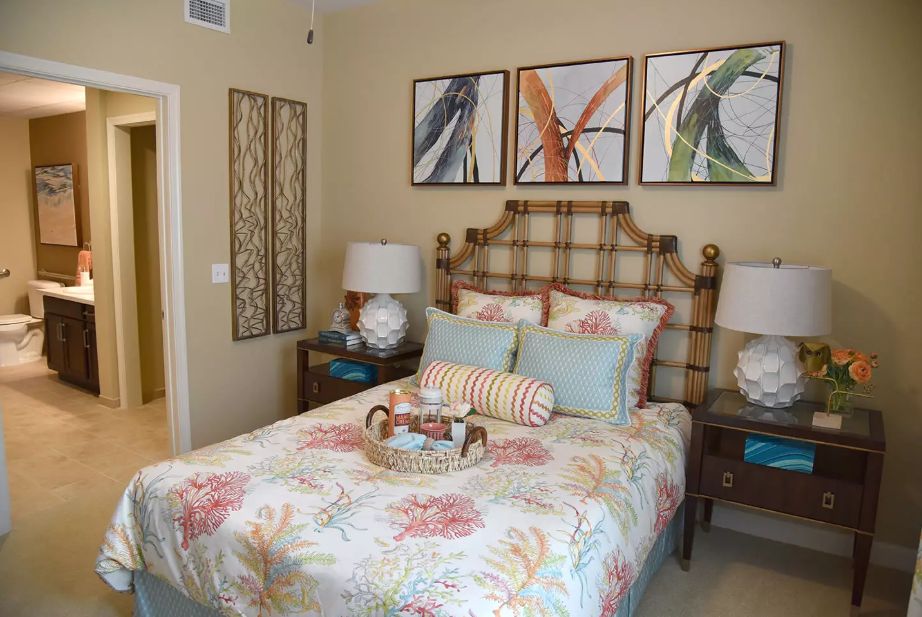
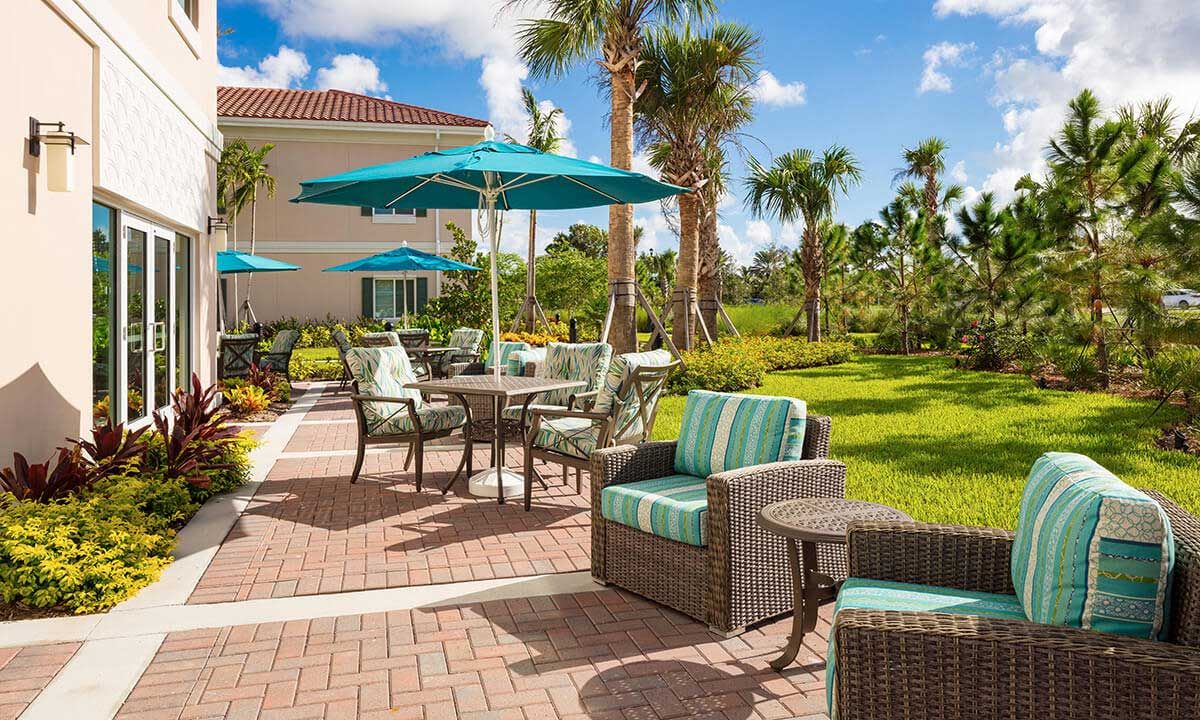
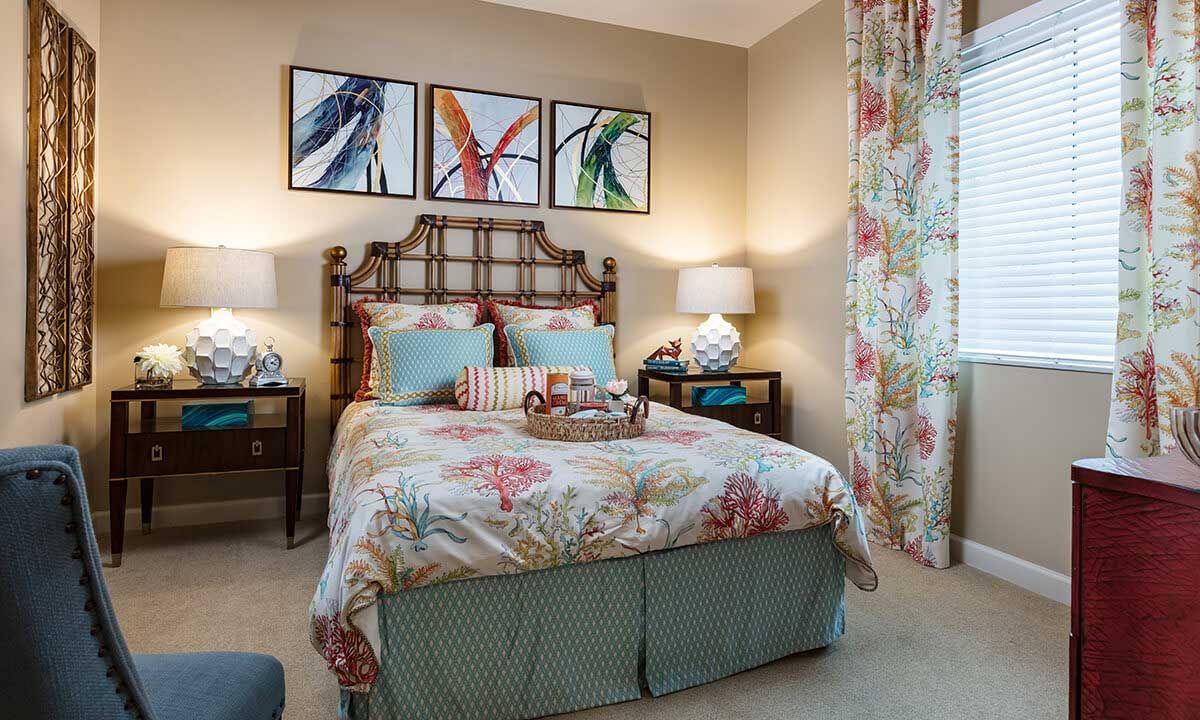
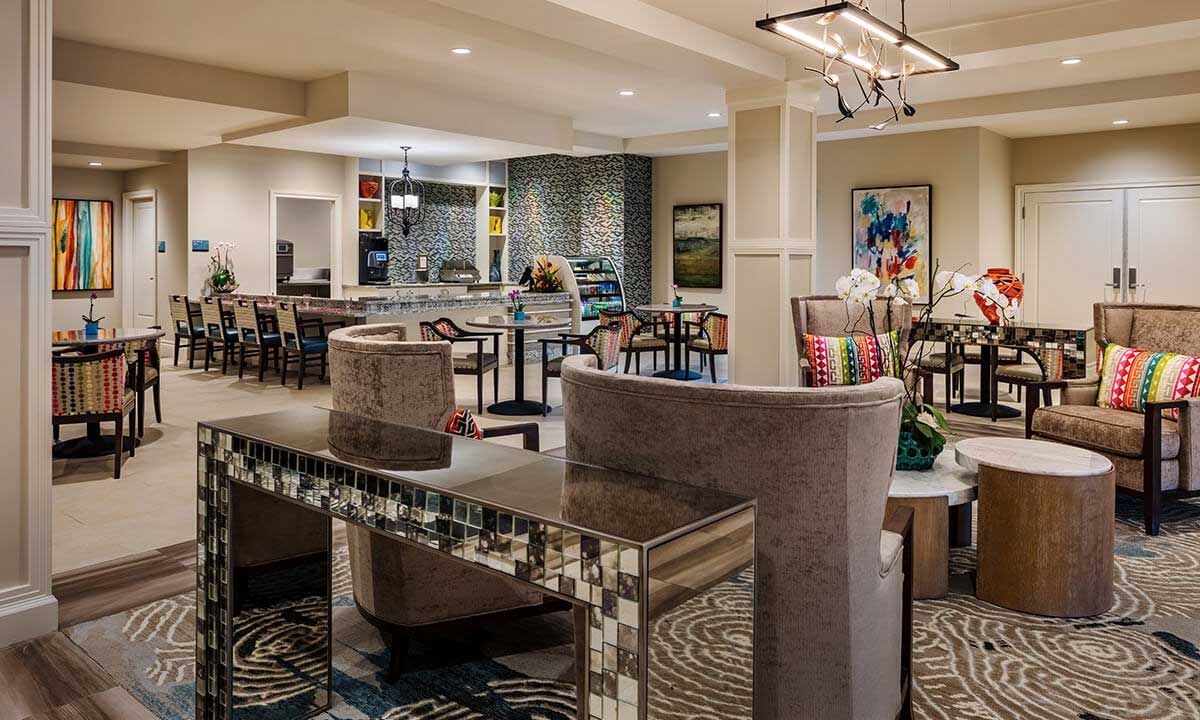
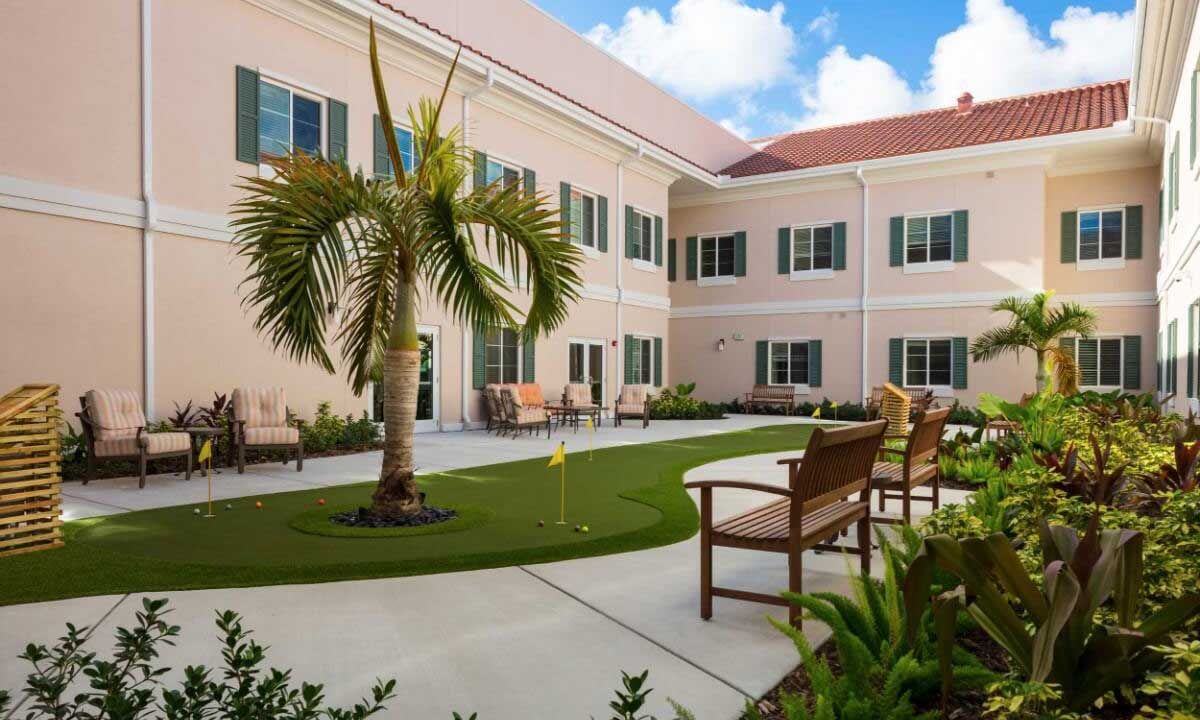
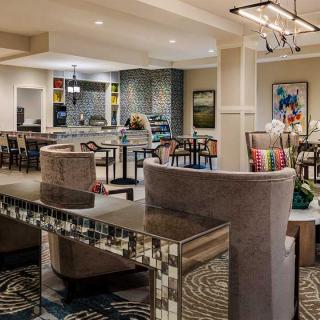
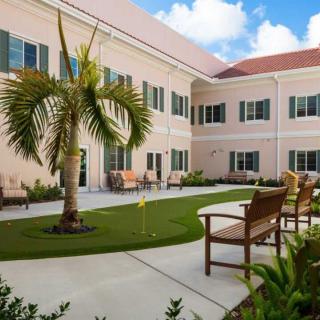
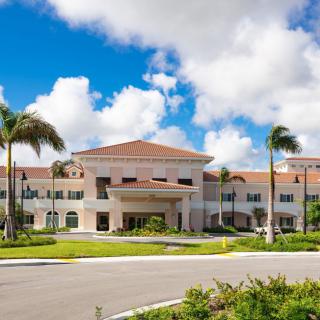
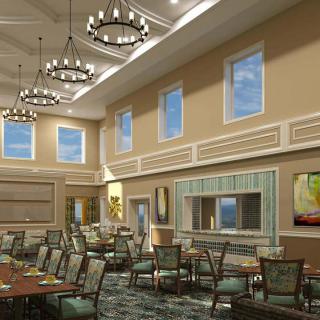
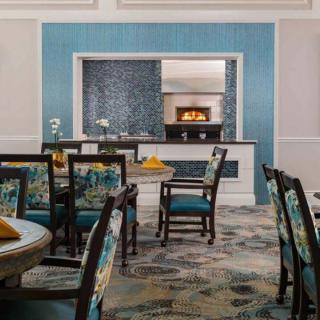
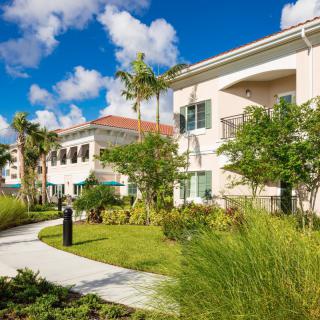
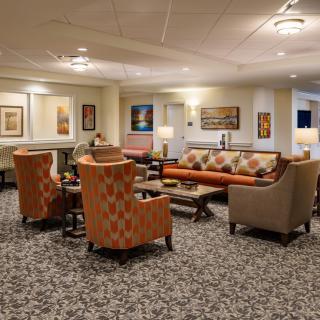
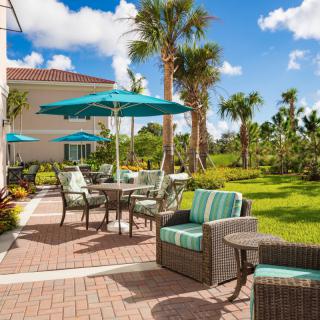
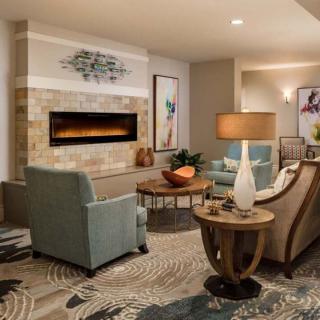
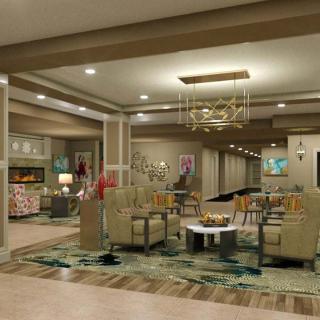
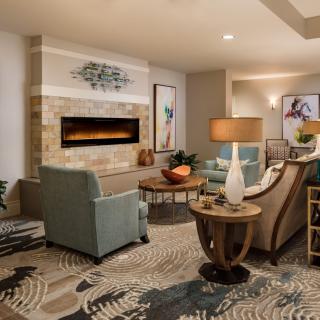
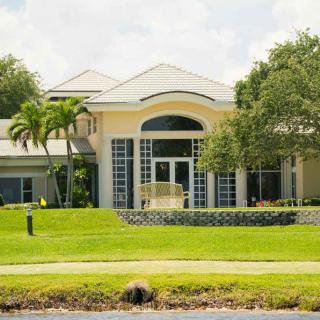
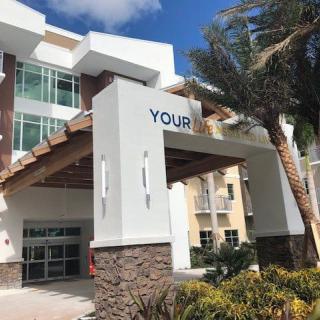
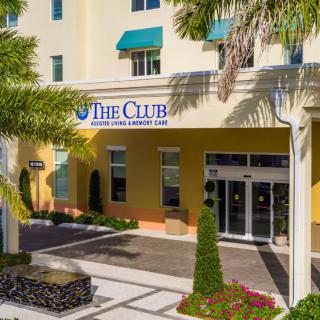
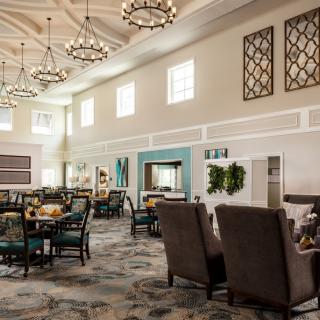
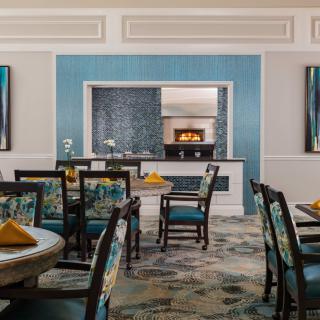
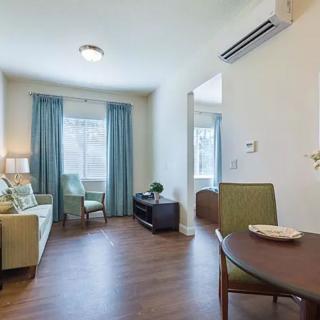
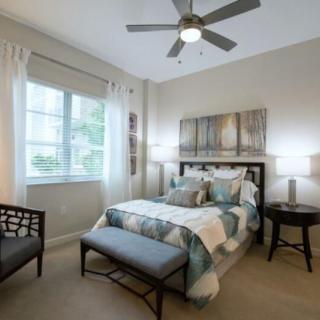
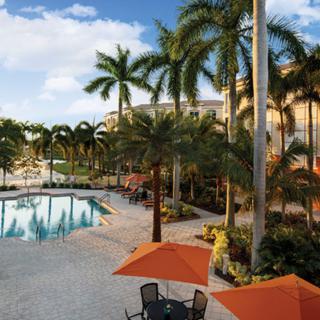
HarborChase of Palm Beach Gardens on seniors.fyi includes 26 photos including images showing interior, decor, dining, palm trees, chandelier, landscaping, artwork, architecture, and more.
Nearby Communities
Inspiritas of Palm Beach Gardens
Palm Beach Gardens, FL
4.9 from 100 reviews
Focus on spiritual wellbeing with memory care and specialized diabetic care in a warm, welcoming environment.
La Posada, a CCRC
Palm Beach Gardens, FL
4.1 from 104 reviews
$3,240 to $4,410 / month
Attentive staff, strong sense of community, and well-maintained facilities.
Hampton Cay
Palm, FL
4.2 from 118 reviews
Small, intimate community with essential services and good connectivity near amenities.
Discovery Village At Palm Beach Gardens
Palm Beach Gardens, FL
4.8 from 102 reviews
$5,515 to $6,720 / month
Caring Director of Wellness with attentive staff in a clean, personable, smaller-facility setting.
The Madyson at Palm Beach Gardens
Palm Beach Gardens, FL
4.8 from 148 reviews
$5,050 to $7,450 / month
Friendly staff, engaging activities, and upscale amenities.
YourLife Of Palm Beach Gardens
Palm Beach Gardens, FL
4.7 from 6 reviews
Outstanding staff, immaculate facilities, and engaging activities in a resort-style setting.
Devonshire at PGA National
Palm Beach Gardens, FL
4.5 from 31 reviews
Luxurious, spacious apartments with excellent staff and extensive amenities.
Chatsworth at PGA National
Palm Beach Gardens, FL
3.3 from 40 reviews
Compassionate nursing staff and therapists in a warm, well-maintained setting.
Emmanuel Care Assisted Living Facility
West Palm Beach, FL
4.6 from 5 reviews
$3,500 to $4,500 / month
Experienced staff with hands-on owner; warm, family-friendly environment.
The content outlines five key early indicators of dementia, including significant memory loss and confusion about time and place, while emphasizing the need for professional evaluation and emotional support for both individuals showing symptoms and their caregivers. It encourages family members to monitor these signs closely and use online quizzes for initial awareness.
The article highlights eight indicators that a loved one with dementia may require specialized memory care, emphasizing the emotional and logistical challenges families encounter in this decision. It discusses signs such as difficulties with daily tasks, safety concerns, and caregiver burnout, suggesting that memory care facilities can provide the necessary support and structured environments for those experiencing cognitive decline.
Dementia, primarily caused by Alzheimer's disease but also linked to other conditions, leads to cognitive decline impacting memory and daily functioning, with individuals experiencing varied awareness of their impairments. Despite memory loss, emotional connections persist, enabling responses to familiar stimuli, highlighting the need for caregivers to provide compassionate support that recognizes both limitations and retained emotional depth.
Exercise Equipment, Gym, Treadmills, and Fitness Room
Pathway
Outdoor Seating
Salon
Seating and Lounge Area
Painting
Palm Trees
Lounge
Courtyard
Clouds
Open Space
Spacious
Umbrellas
Bar
High Ceiling
Patio Furniture
Get PricingAsk A QuestionSchedule A TourContact Senior Advisor
By clicking submit, you agree to our Partner's Terms of Use. You
also consent to receive calls and texts, which may be autodialed, from our Partner. Your consent is not a condition to
using our Partner's service. Please visit our Partner's Privacy Policy for information about their privacy practices.

 160 resident community capacity
 1-bedroom apartments
 Assisted Living
 Memory Care
 Skilled Nursing Facility
 Cats allowed
 Dogs allowed
 Activities on-site
 Air-conditioning
 Bath tubs
 Beautician on-site
 Cable or satellite TV
 Computer center
 Devotional services off-site
 Dining room
 Fitness room
 Fully furnished
 Gaming room
 Garden
 Ground floor units
 Handicap accessible
 Housekeeping services
 Indoor common areas
 Kitchenette
 Move-in coordination
 Outdoor common areas
 Party space
 Pet friendly
 Private bathrooms
 Respite or short term stays offered
 Restaurant-style dining
 Small library
 Telephone
 Wellness center
 Wheelchair accessible showers
 Wi-Fi/high-speed internet available
 Palm Beach International (12 miles away)
 Community operated transportation
 12-16 hour nursing
 24-hour call system
 Ambulatory care
 Assistance with bathing
 Assistance with dressing
 Assistance with transfers
 Diabetes diet
 Diabetic care
 High acuity care
 Hospice waiver
 Incontinence care
 Medication management
 Mental wellness program
 Physical therapy
 Special dietary restrictions
 Transportation arrangement (medical)
 Art classes
 Catholic services
 Concierge services
 Cooking classes
 Educational speakers / life long learning
 Jewish services
 Karaoke
 Planned day trips
 English
 Focus on spiritual wellbeing with memory care and specialized diabetic care in a warm, welcoming environment.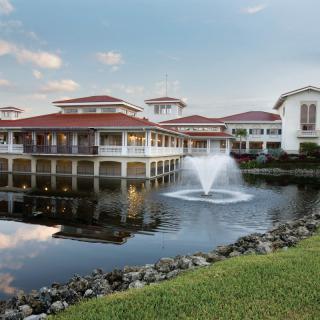
 5 Early Indicators of Dementia and What You Can Do
 8 Important Indicators That Memory Care May Be Necessary
 Delving into the Inner World of Dementia: Insights into Thoughts and Awareness