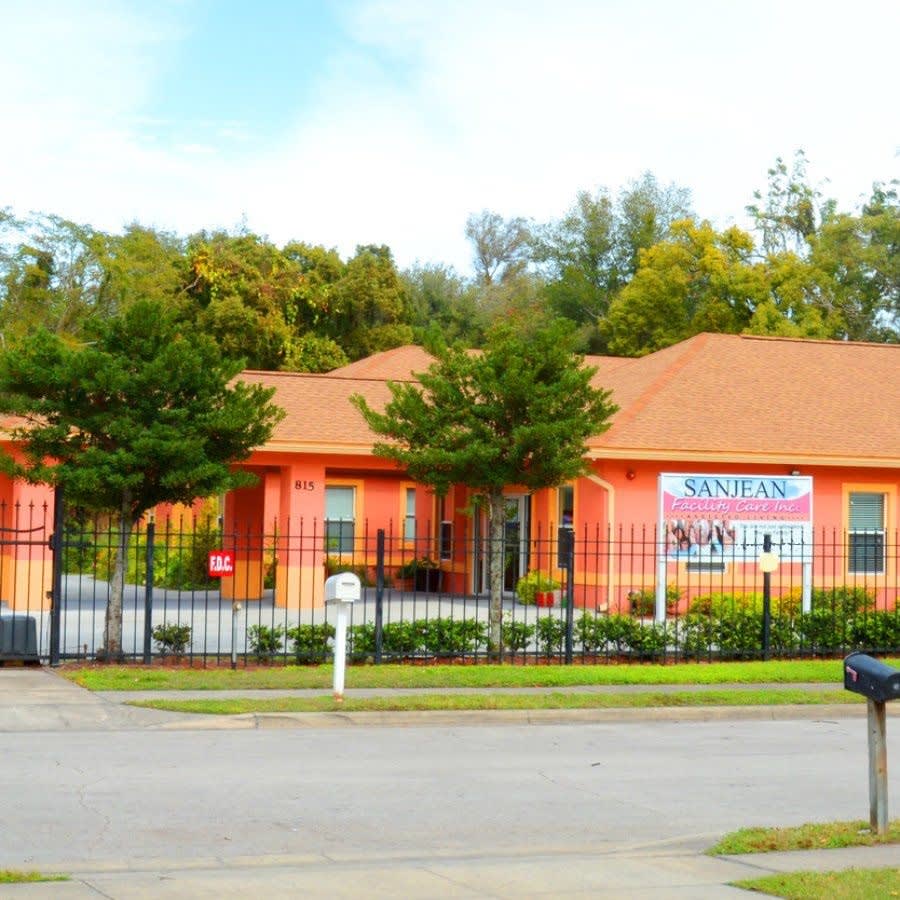
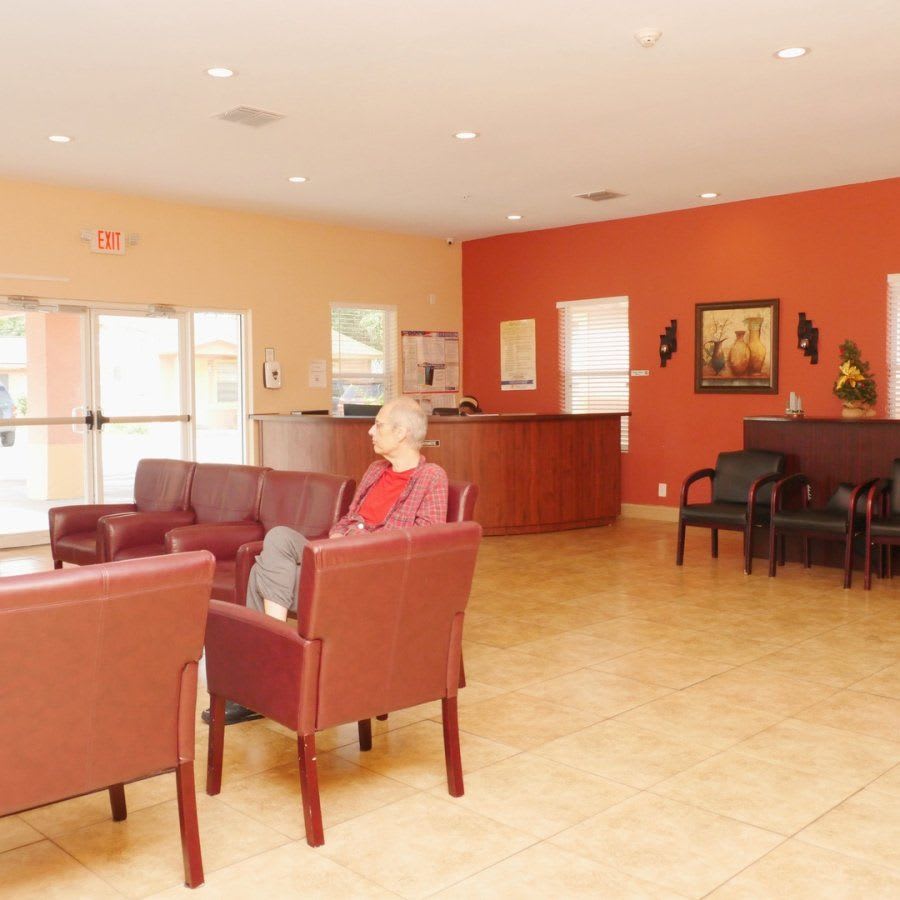
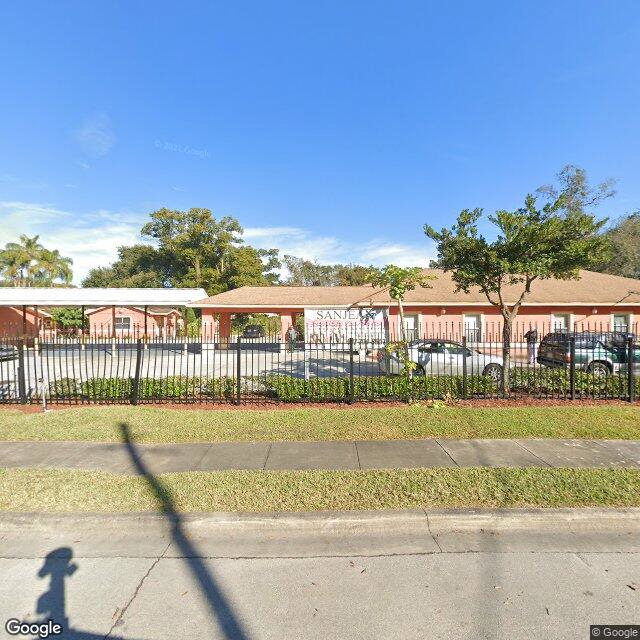
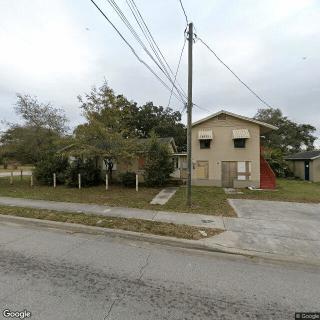
815 24th Street, Orlando, FL 32805
For more information about senior living options: (866) 208-4318
San Jean Facility Care Costs & Pricing
At San Jean Facility Care, the monthly costs for accommodation reflect a competitive pricing structure when compared to both Orange County and Florida. For a semi-private room, residents can expect to pay $3,000, which is slightly lower than the average in Orange County at $3,041 and quite comparable to Florida's rate of $3,009. If one opts for a studio room at San Jean Facility Care, the cost is set at $3,750 - substantially more affordable than the considerably higher price of $4,288 in Orange County but still within reach of Florida's average of $3,823. Overall, San Jean Facility Care presents an appealing option for potential residents seeking quality accommodation without straying too far beyond budgetary constraints.
| Floor plans | San Jean Facility Care | Orange County | Florida |
|---|---|---|---|
| Semi-Private | $3,000 | $3,041 | $3,009 |
| Studio | $3,750 | $4,288 | $3,823 |
Assisted Living communities with a similar price nearby
-
from +$500 / mo

Windermere Assisted Living Facility
$3,500 to $4,500 / month11.7 miles away -
from -$400 / mo
Faith House Of Winter Park
$2,600 to $3,100 / month10.9 miles away -
from +$295 / mo
Marina Isle Assisted Living
$3,295 to $6,190 / month21.9 miles away -
from +$595 / mo

Cascade Heights
$3,595 to $4,395 / month12.4 miles away -
About the same
Spring Hills Hunters Creek
$3,000 to $5,000 / month10.8 miles away
Overall Review of San Jean Facility Care
Pros
 The staff are very friendly and courteous.
- The staff are loving and attentive to residents.
- The facility has done a wonderful job caring for its residents.
- Residents are treated like part of the family.
- The food is great and rooms are comfortable.
- The facility provides high-speed WiFi and free laundry service.
- Bed linens are changed twice a week.
- SanJean is a family-owned business that truly cares for its residents.
- All levels of care are accommodated.
Cons
 One reviewer described the facility as an awful place, noting favoritism toward certain clients, roaches, and residents being thrown out when staff didn’t want to deal with them.
- Another reviewer called it a totally old-person prison.
- A reviewer stated they wouldn’t recommend sending a loved one there.
Review
San Jean Facility Care in Orlando is best suited for families that prize a hands-on, family-owned atmosphere where staff members know residents well and care plans can flex from medication management to full assistance. The community is most attractive to those who want personal attention, a sense of continuity in caregiving, and a pricing model that scales with the level of support required. For families with insurance coverage, particularly plans that align with the facility’s stated cost structure, there can be tangible financial appeal as care needs evolve over time.
Those who may want to consider alternatives are families who cannot tolerate even small lapses in cleanliness or policy consistency. Several reviews flag serious concerns about pests, perceived favoritism among residents, and eviction practices, which can erode trust and create a tense living environment. Additionally, for families seeking a highly regulated, clinical setting with very predictable routines, or for residents with advanced memory care needs requiring specialized programming, other communities with more standardized protocols and memory-care expertise may be preferable.
The strongest positives center on staff warmth and real, observable improvements in residents’ well-being. Reports describe attentive, friendly caregivers and a culture that feels familial, from the moment of admission through daily interactions. A resident’s health trajectory can improve markedly, with anecdotes of regained strength, weight stability, and renewed social engagement. Amenities such as comfortable rooms, reliable Wi-Fi, laundry service, and regular linen changes, along with secure, gated grounds and convenient access to downtown areas, reinforce a sense of value for those who want a livable, home-like setting. The ability to accommodate a broad spectrum of care levels, up to bed-ridden situations, also reduces the need for frequent moves as needs shift.
However, the main drawbacks cannot be ignored. The most consistently troubling themes are pest issues, signs of favoritism toward certain clients, and reports of being dismissed or “thrown out” by staff when not desired. One reviewer branded the facility a “old person prison,” signaling a perception of over-control and restrictive routines that hamper autonomy and dignity. These contradictions, where some residents thrive under attentive care while others feel sidelined or unsafe, suggest that the operation’s culture and day-to-day discipline are uneven. In short, strong personal warmth and flexible care exist alongside concrete operational risks that can undermine confidence.
Whether the positives offset the negatives depends on what a family can tolerate and what they prioritize. If the criterion is measurable caregiver attentiveness, visible health improvements, and the comfort of a family-owned environment, the pros carry substantial weight. The ability to tailor care level and pricing to need, plus practical amenities, makes a compelling case for residents who value personal relationships and a sense of belonging. Yet the risk of pests, reports of favoritism, and eviction practices cannot be dismissed, especially for families who demand unwavering cleanliness, transparency, and predictable, rights-respecting policies. The trade-off is real: care warmth vs. potential inconsistency in operations.
Practical steps for families evaluating San Jean are essential before deciding. Schedule multiple visits at different times, including informal interactions with front-line staff, to gauge whether the level of attentiveness, consistency, and cleanliness aligns with expectations. Ask pointed questions about pest control history, resident rights, and eviction policies, and request to speak with current residents or families about their experiences. Review the contract carefully for guarantees around care level, room changes, and what triggers a move to a higher level of care. If memory care is a concern, press for specifics on programs, staff training, and safety protocols. Finally, compare with alternatives that emphasize pristine housekeeping, uniform policies, and transparent governance to identify the true best fit.
In sum, San Jean Facility Care is a practical option for families seeking a warm, flexible, family-owned setting that can adapt to a wide range of care needs and offers tangible daily-life conveniences. It is less suitable for those who cannot tolerate reports of pests, favoritism, or restrictive environments, or for residents whose needs demand highly standardized, consistently regimented care. The decision hinges on whether the personal touch and adaptable care model outweigh the potential operational inconsistencies. For the right family, this community can deliver meaningful improvement and genuine belonging; for others, exploring alternatives with stronger pest control, clearer policies, and more uniform experiences may be the wiser course.
 54 resident community capacity
 Assisted Living
 Respite Care
 Activities off-site
 Air-conditioning
 Beautician on-site
 Cable or satellite TV
 Computer center
 Devotional services off-site
 Dining room
 Fitness room
 Fully furnished
 Gaming room
 Garden
 Housekeeping services
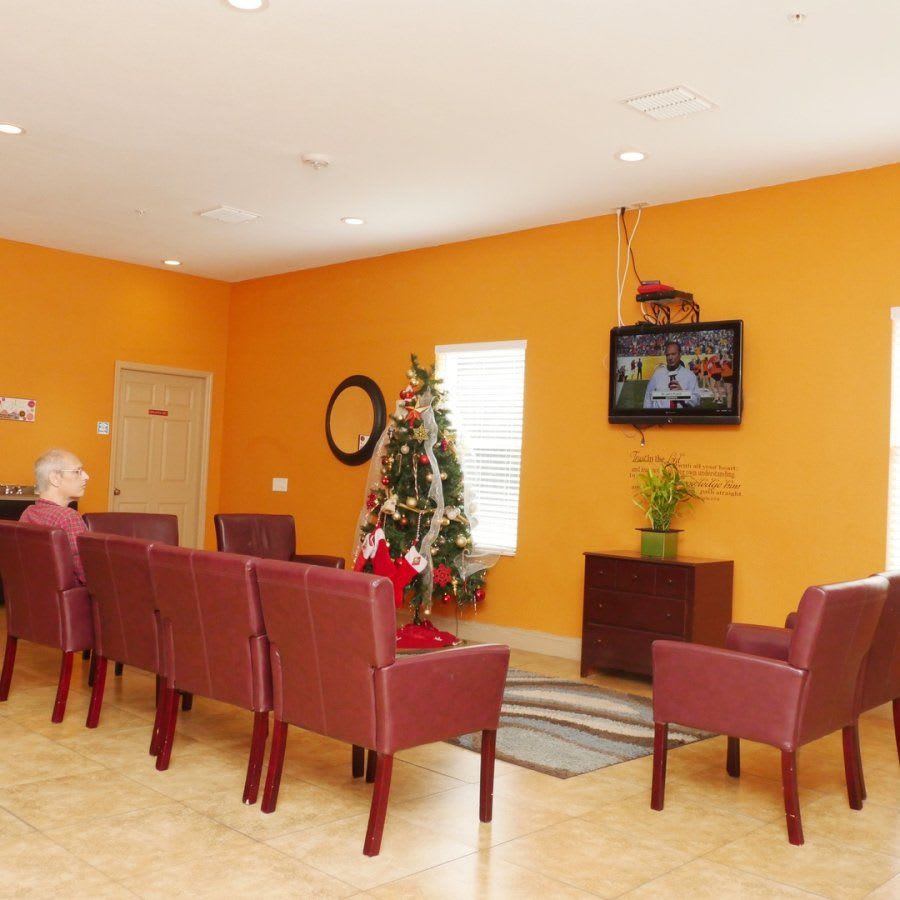
 Indoor common areas
 Kitchenette
 Move-in coordination
 Outdoor common areas
 Private bathrooms
 Restaurant-style dining
 Small library
 Telephone
 Wellness center
 Wheelchair accessible showers
 Wi-Fi/high-speed internet available
 Orlando International (8 miles away)
 Community operated transportation
 12-16 hour nursing
 24-hour call system
 Ambulatory care
 Assistance with bathing
 Assistance with dressing
 Assistance with transfers
 Diabetes diet
 Diabetic care
 Incontinence care
 Medication management
 Mental wellness program
 Special dietary restrictions
 Concierge services
 Planned day trips


 Exploring the Contrasts Between Assisted Living and Skilled Nursing
 8 Key Indicators That Suggest It May Be Time to Transition from Assisted Living to Skilled Nursing Care
 Vibrant Senior Living: A Comprehensive Guide for Active Older Adults