
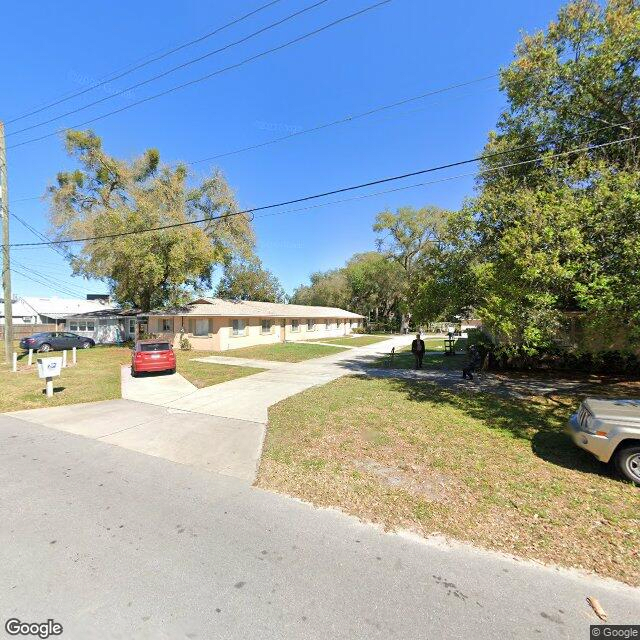
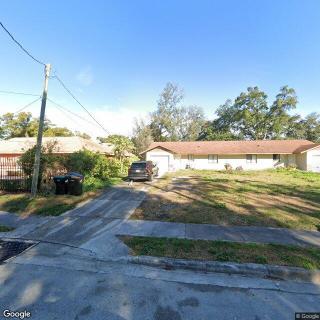
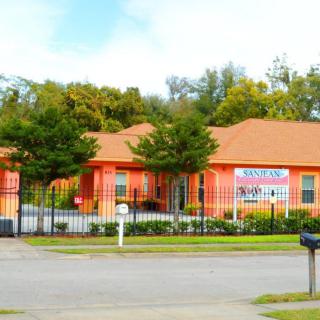
2715 Uintah Avenue, Orlando, FL 32805
To contact a resident: (407) 402-5616
For more information about senior living options: (866) 208-4318
Overall Review of Kare Assisted Living
Pros
 The staff are very caring and attentive.
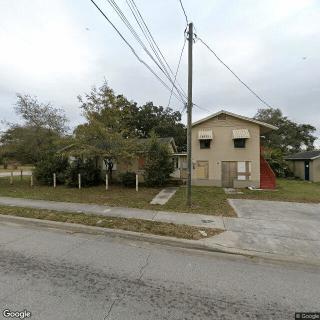
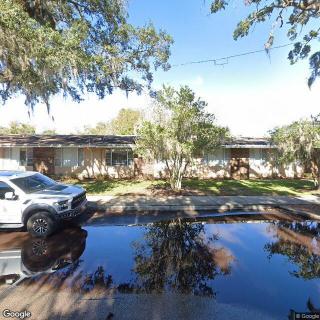
- The facility is very clean and well laid out, with outdoor walking areas that are safe and canopy-covered.
- The rooms are spacious and private.
- The bathrooms are very clean, and residents who need hygiene assistance are well cared for.
- The food is very good.
- The place is highly recommended.
- The staff are friendly and professional.
- The activity schedule is amazing.
- The backyards and grounds are pretty, with park-like spaces and manicured lawns.
- The interior design is nicely ordered, with bright, airy rooms and good views.
- Visitors are welcome at any time.
Cons
 They treated residents like they were in jail.
- The staff did not speak English.
- They used semi-private rooms that were not truly private.
- Bathing occurred with the door left open, allowing others to see residents naked.
- They violated HIPAA by sharing a resident’s medical history with another resident.
- They did not inform families when a resident fell.
- Residents were over-medicated so staff did not have to attend to them.
- There was no therapy or meaningful activities, and the rooms felt bare and not homey.
- They served shrimp soup with the shells still on.
Review
Kare Assisted Living in Orlando is best suited for seniors who prize a clean, home-like environment with attentive staff, good meals, and ample outdoor space. It works well for residents with moderate assistance needs who value private rooms, easy navigation, and a steady slate of social activities and family-friendly visiting. In short, this community rewards daily life that feels orderly, safe, and neighborly, with a clear emphasis on comfort, companionship, and accessible outdoor amenities.
However, some families should consider alternatives. Several reviews raise red flags about nighttime oversight, language barriers, and privacy controls, including claims that staff do not consistently communicate in English and that residents can be left unattended after hours. Serious concerns about privacy during bathing, potential HIPAA violations, and the perception of residents being treated more like inmates than neighbors also surface. Additionally, reports of limited therapy or structured activities, and questions about how well medical needs are managed day-to-day, warrant caution for anyone prioritizing continuous medical monitoring and robust therapeutic programming.
The positives at Kare are concrete and meaningful, and they often offset lesser concerns for many families. The facility is described as exceptionally clean and well laid out, with outdoor walking areas that are safe and canopy-covered, which makes daily strolls appealing. Rooms are spacious and private, bathrooms are well maintained, and staff are repeatedly characterized as caring and attentive. Meals are praised for quality and variety, and the dining room offers a comfortable, restaurant-like setting. A strong activity calendar, opportunities for light exercise, and easy visitor access further contribute to a lively, engaging day-to-day experience.
Yet the notable cons cannot be dismissed. The most troubling narratives involve falls without prompt family notification and gaps in overnight supervision, which undermine confidence in safety protocols. Multiple accounts depict environments that feel institutional rather than homelike, with reports of restricted privacy and routines that can seem impersonal. Add to this the concerns about language barriers and possible over-reliance on sedation or a lack of meaningful engagement, and the overall picture becomes one of a facility that can perform very well in daily life while exposing residents to notable risk moments and potential lapses in communication and dignity.
For families evaluating Kare, practical diligence is essential. During tours, assess the actual bedside environment, talk to staff about night-shift coverage, and inquire how multilingual communication is handled and documented. Request a detailed plan of care that covers hygiene assistance, medication management, fall protocols, and any available therapy or activity programming. Confirm how meals are chosen and customized to dietary needs, and ask about visit policies and family access to observe daily routines. The strongest qualifiers are cleanliness, safety features, a genuine sense of warmth, and a dynamic activity schedule; the strongest risks are inconsistent supervision, privacy concerns, and the absence of reliable therapeutic engagement.
Bottom line: Kare Assisted Living can be an excellent home for seniors who prioritize a bright, clean environment, social engagement, and straightforward assistance with daily tasks. It is less well suited for those requiring intensive, 24/7 medical oversight, consistent multilingual staff, or ironclad privacy protections that withstand heightened sensitivity to individual rights. If the choice moves forward, approach with clear due diligence: demand a transparent plan of care, verify night-time staffing and communication practices, and seek multiple firsthand perspectives to determine whether the day-to-day lived experience aligns with the resident’s needs and family expectations.
 16 resident community capacity
 Assisted Living
 Board and Care Home
 Respite Care
 Activities on-site
 Cable or satellite TV
 Devotional services off-site
 Dining room
 Fully furnished
 Garden
 Housekeeping services
 Indoor common areas
 Move-in coordination
 Outdoor space
 Telephone
 Wi-Fi/high-speed internet available
 Orlando International (7 miles away)
 24-hour supervision
 Ambulatory care
 Assistance with bathing
 Assistance with dressing
 Assistance with transfers
 Diabetes diet
 Diabetic care
 Meal preparation and service
 Medication management
 Special dietary restrictions
 Transportation arrangement (medical)
 Transportation to doctors appointments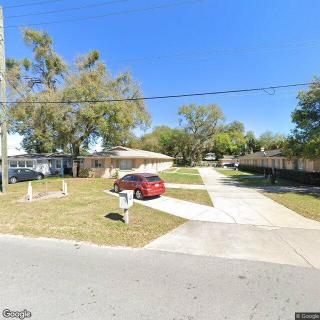


 When to Transition from Assisted Living to Memory Care: Key Indicators, Steps, and Finding the Right Community
 Assisted Living and Memory Care: Understanding Their Core Differences
 Beyond the Bingo Hall: 50+ Enriching Activities for Seniors in Assisted Living