
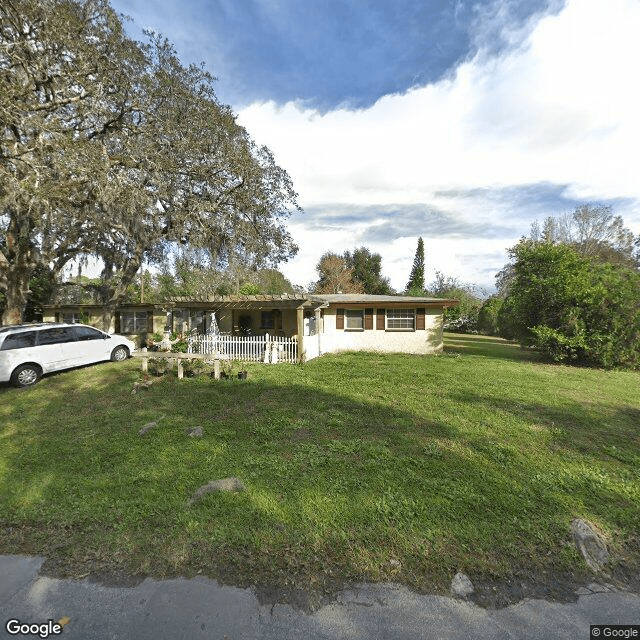
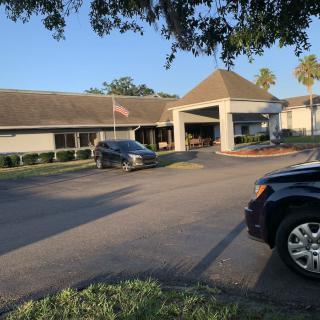
6753 Carpel Drive, New Port Richey, FL 34653
For more information about senior living options: (866) 208-4318
Villa Rose Assisted Living Facility Costs & Pricing
Villa Rose Assisted Living Facility offers competitive pricing for its residents, particularly when considering the wider costs associated with assisted living in Pasco County and across Florida. For a semi-private room, the facility charges $1,800 per month, which is significantly lower than the county average of $2,898 and the state average of $3,009. Likewise, for private accommodations, Villa Rose's fee of $3,000 also stands out against the higher local average of $3,989 and a state average of $3,699. These figures not only highlight the affordability of Villa Rose but also reflect its commitment to providing quality care in a cost-effective manner for families seeking assisted living options.
| Floor plans | Villa Rose Assisted Living Facility | Pasco County | Florida |
|---|---|---|---|
| Semi-Private | $1,800 | $2,898 | $3,009 |
| Private | $3,000 | $3,989 | $3,699 |
Assisted Living communities with a similar price nearby
-
from +$200 / mo
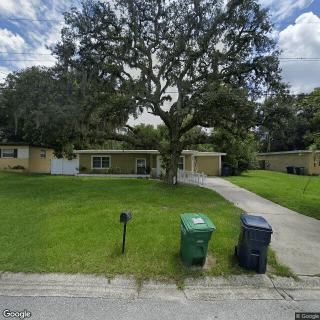
Assisted Living Facility Morning Dew
$2,000 to $2,500 / month23.6 miles away -
from +$95 / mo
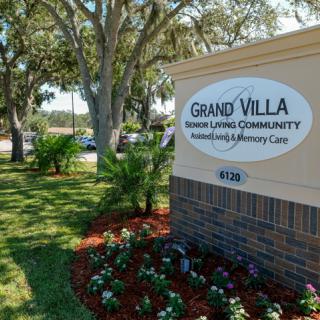
Grand Villa of New Port Richey
$1,895 to $3,595 / month0.5 miles away -
from +$190 / mo

Cabot Cove of Largo Assisted Living & Memory Care
$1,990 to $3,145 / month22.9 miles away -
About the same
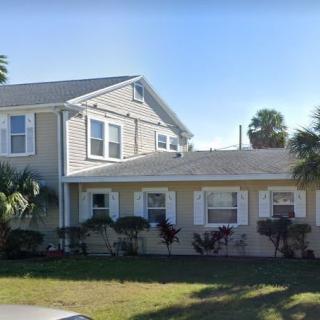
Windsor House
$1,800 to $2,500 / month20.5 miles away -
About the same
Debra's Assisted Living Facility
$1,800 to $2,300 / month24.0 miles away
Overall Review of Villa Rose Assisted Living Facility
Pros
 are no positive third-person statements that can be derived from the provided review.
Cons
 The place was disgusting.
- It was a mess.
- The residents were sitting in the dark.
- Nobody was smiling.
- It was depressing.
- They could not get out of there quick enough.
Review
Villa Rose Assisted Living in New Port Richey, Florida is best suited for families facing very limited options who can tolerate a bleak, under-attended atmosphere and who are prepared to supervise care and environmental conditions closely. The environment described in the available account is not one that typically supports dignified daily living: spaces feel neglected, lighting is insufficient, and the overall mood is depressingly subdued. In practical terms, this community appears to work only for residents whose family members are willing to accept substandard ambience as a trade-off, or for those who are able to intervene repeatedly to address what should be routine maintenance and resident welfare.
Those considering alternatives should particularly note that anyone seeking a bright, welcoming atmosphere would be making a mistake here. Families prioritizing cleanliness, resident engagement, and proactive staff oversight should look elsewhere. Prospective residents who value cheerful social interaction, well-lit common areas, and consistently tidy living spaces will likely find Villa Rose markedly lacking. Even families with tight budgets should compare other options; the perceived value of care cannot compensate for the immediate concerns about mood, cleanliness, and everyday livability reflected in the report.
On the balance of what’s known, the few potential advantages any reviewer might infer are overwhelmed by the dominant cons. The sole review highlights a setting that feels chaotic and uninviting: residents appear disengaged, there is little to no visible activity, and the space itself is described as messy and unwelcoming. With no clearly stated strengths, such as well-organized care routines, attentive staff, or meaningful programming, the purported benefits fail to offset the negatives. In decision-making terms, the evidence suggests a high likelihood of resident dissatisfaction unless substantial improvements are made before any move-in.
For families evaluating next steps, approach Villa Rose with a rigorous, program-focused checklist. During tours, verify cleanliness in private and shared spaces, assess whether lighting and temperature create a comfortable living environment, and observe resident-staff interactions for warmth and attentiveness. Inquire about daily activity schedules, social programming, and opportunities for meaningful engagement, not merely custodial care. Request a recent sample of weekly care logs, medication management practices, and incident reports. If possible, speak with current residents or their families about day-to-day life and follow up on any red flags, lack of smiles, diminished mood, or visible neglect.
When weighing alternatives, use a clear comparison framework. Prioritize facilities with consistently bright, well-kept interiors, transparent staffing ratios, and visible engagement initiatives. Seek evidence of proactive maintenance, prompt handling of repairs, and a culture that emphasizes resident dignity and choice. Factor in indicators of safety and health infrastructure, proper lighting, clean facilities, accessible common areas, and responsive emergency systems. If a community cannot demonstrate ongoing maintenance and a lively, supportive atmosphere, it should be deprioritized in favor of options with verifiable strengths in care quality and resident well-being.
In sum, Villa Rose presents as a choice to avoid for most families. The decisive move is toward communities with demonstrable cleanliness, warmth, and vitality in everyday living. If a path to improvement exists, it requires substantial changes across administration, staffing, and environment, and those changes should be clearly evident before any consideration of a move. Until then, the practical conclusion is straightforward: steer toward alternatives that deliver the engagement, safety, and comfortable surroundings that seniors deserve, rather than accepting a setting where mood and upkeep are consistently misaligned with quality living.
 8 resident community capacity
 Assisted Living
 Board and Care Home
 Cable or satellite TV
 Dining room
 Fully furnished
 Garden
 Housekeeping services
 Move-in coordination
 Outdoor space
 Private
 Telephone
 Wi-Fi/high-speed internet available
 Tampa International (21 miles away)
 24-hour supervision
 Activities of daily living assistance
 Ambulatory care
 Assistance with bathing
 Assistance with dressing
 Assistance with transfers
 Diabetes diet
 Diabetic care
 High acuity care
 Incontinence care
 Meal preparation and service
 Medication management
 Special dietary restrictions
 Transportation arrangement (medical)
 Transportation to doctors appointments


 Social Security Benefits and Assisted Living: Navigating Options Across the U.S.
 An Extensive Exploration of the VA Aid and Attendance Benefit
 Senior Transition Services: Understanding Their Role, Cost, and Importance