
4927 Voorhees Road, New Port Richey, FL 34653
For more information about senior living options: (866) 208-4318
Overall Review of Orchard Ridge
Pros
 The private room wing’s housekeeping staff were very kind.
- The breakfast attendant was sweet, kind, and professional.
- The PT and OT therapists were terrific.
- The nursing staff, for the most part, were good.
- The hard-working, genuinely caring staff impressed the reviewer.
- Admissions staff are wonderful.
- The facility is very clean and has a nice dining area and exercise room.
- The dad was very well cared for and loved by the staff.
- The facility is considered one of the better options among similar homes.
Cons
 The room was filthy and disgusting, with the bathroom covered in urine and feces.
- The staff were rude and did not care about patients' medical needs.
- The public shower area was filthy and poorly lit, giving it a horror-movie feel.
- The facility was described as unsafe and in need of an overhaul or closure.
- There were chronic understaffing issues, leaving an entire floor short on aides and nurses.
- Bathing was performed roughly, causing pain, and staff barely spoke English.
- The food was terrible, with very small portions and poor quality.
- Hygiene and safety concerns persisted, including roaches and filthy eyeglasses.
- Response to emergencies and call buttons was slow or absent, delaying care.
- Some reviewers stated they would not recommend the facility and even considered legal action.
Review
Orchard Ridge in New Port Richey is best suited for families pursuing short-term rehabilitation where the emphasis is on aggressive PT/OT and a frontline care culture that, while imperfect, can deliver meaningful recovery when staff are engaged and responsive. Across multiple reviews, therapists and several aides are repeatedly described as capable, motivated, and professional, and the rehab-focused spaces, gym, OT room, and dining area, support structured therapy programs. When the care team is present and diligent, residents report tangible progress and a degree of normalcy in daily routines. The core caveat is that performance is uneven: outcomes rely heavily on which shift is staffing a unit and how well oversight is maintained by family members or advocates.
For those weighing alternatives, consider the likelihood of a more consistent experience elsewhere. The facility’s mixed record on safety, cleanliness, and timely response makes Orchard Ridge riskier for long-term residents who require constant supervision, flawless hygiene, and reliably prompt care. Families with someone who cannot advocate effectively may want to explore options with a clearer track record of steady staffing, more predictable meal quality, and stronger daily oversight. In other words, Orchard Ridge can work if rehabilitation is the priority and oversight is possible; it is less suitable as a stable long-term home without close monitoring.
The strongest positives center on therapy-driven care and some staff who consistently go the extra mile. PT and OT are repeatedly praised as outstanding by residents and families, producing real gains in mobility and confidence. Nursing staff is described as caring and professional on several units, and when call lights are answered promptly, the overall experience improves considerably. The facility’s physical layout, well-equipped therapy spaces, accessible dining rooms, and private or semi-private accommodations, supports a rehabilitative rhythm. These advantages are meaningful, especially for those focused on regaining function after surgery or hospitalization.
Yet the cons loom large enough to temper any optimistic expectation. Chronic understaffing surfaces in long wait times for medication passes, infrequent back-and-forth communication with families, and occasional lapses in essential safety checks. Reports of rough bathing, language barriers among some aides, and neglect on certain shifts contribute to a distressing picture for non-ambulatory or highly dependent residents. Serious concerns about safety, supervision, and discharge planning appear repeatedly, including incidents implying potential harm or delayed medical attention. The overall care picture is not uniform; some residents experience meaningful care, while others describe experiences that are frankly alarming.
These competing threads, the strong therapy core and caring individuals versus uneven staffing and safety gaps, shape the offsetting calculus. When therapy teams, nurses, and aides align and stay attentive, Orchard Ridge can function as an effective bridge back to independence, with measurable improvements and a degree of daily normalcy that residents value. The facility also offers assets such as a dining area and an exercise room that enhance the rehab process and help mitigate the clinical feel of a nursing environment. However, these strengths do not erase the risks tied to inconsistent staffing, sporadic med administration, and reports of rough care practices in some wings.
For families evaluating this community, approach with a concrete plan: arrange visits at different times to observe floor dynamics, speak directly with therapy staff about care plans, and request a transparent handoff between shifts. Verify current staffing levels on the unit your loved one will use, confirm meal quality expectations, and probe how discharge planning is managed, especially for transitioning back home or to a higher level of care. Have a point of contact in the social work or admissions office who can provide weekly updates and document responses to concerns. Above all, insist on accountability and timely communication as the baseline expectation.
Bottom line: Orchard Ridge can be a viable option for those prioritizing rehab and who can maintain active oversight to ensure consistent care. It is not the unequivocal choice for long-term placement or for anyone who demands unwavering staffing, safety, and food quality without close family involvement. If strong therapy outcomes and a generally caring staff are paramount and proactive advocacy is possible, Orchard Ridge delivers. If steadier daily operations, reliable nutrition, and rigorous safety oversight are non-negotiable, families should clearly compare alternatives and visit with a critical, evidence-based lens before committing.
 21 resident community capacity
 Assisted Living
 Skilled Nursing Facility
 Beauty salon
 Cable or satellite TV
 Dining room
 Fully furnished
 Garden
 Housekeeping services
 Kitchenette
 Move-in coordination
 Outdoor space
 Telephone
 Wi-Fi/high-speed internet available
 Tampa International (20 miles away)
 24-hour call system
 Activities of daily living assistance
 Assistance with bathing
 Assistance with dressing
 Assistance with transfers
 Diabetes diet
 Meal preparation and service
 Medication management
 Mental wellness program
 Special dietary restrictions
 Transportation arrangement (medical)
 Transportation to doctors appointments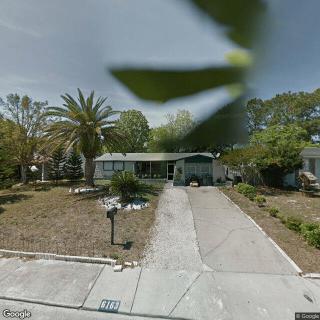





 Assisted Living Support for Veterans: A Complete and Detailed Overview
 Exploring the Contrasts Between Assisted Living and Skilled Nursing
 8 Key Indicators That Suggest It May Be Time to Transition from Assisted Living to Skilled Nursing Care