
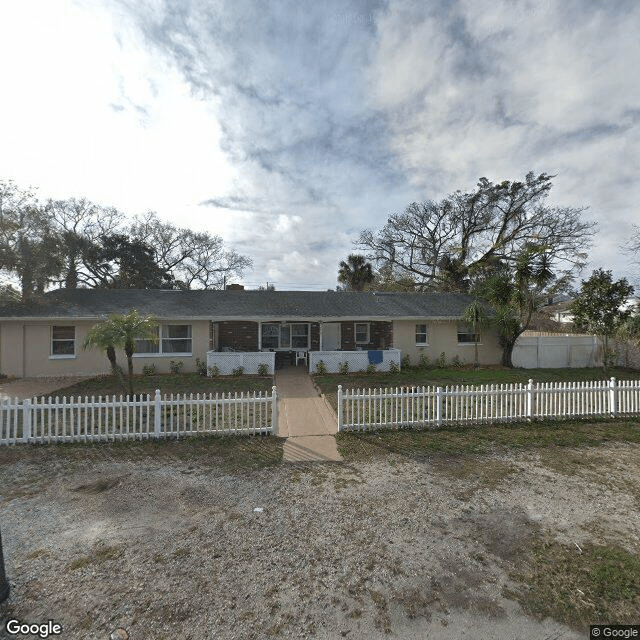
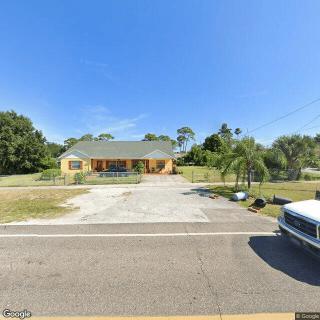
6205 Viola Lane, New Port Richey, FL 34653
To contact a resident: (727) 845-0609
For more information about senior living options: (866) 208-4318
Elm Tree Lodge Costs & Pricing
At Elm Tree Lodge, the cost for a semi-private room is notably more economical at $1,500 per month compared to the average rates in Pasco County and the broader state of Florida. In contrast, residents in Pasco County typically face expenses around $2,898, while statewide averages reach approximately $3,009. This significant price differential underscores Elm Tree Lodge's commitment to providing quality care at an accessible rate, making it an attractive option for those seeking affordable accommodations without sacrificing essential services.
| Floor plans | Elm Tree Lodge | Pasco County | Florida |
|---|---|---|---|
| Semi-Private | $1,500 | $2,898 | $3,009 |
Senior living communities with a similar price nearby
-
from -$55 / mo

Retreat at Trinity
$1,445 to $1,785 / month7.4 miles away -
About the same
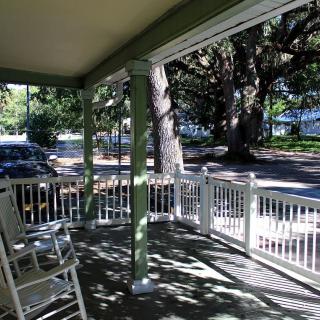
Cinnamon Cove
$1,500 to $2,000 / month0.9 miles away -
from +$50 / mo
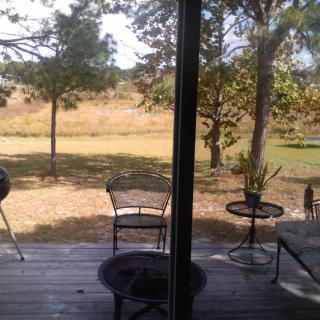
A Great Place to Stay AFCH
$1,550 to $3,000 / month14.3 miles away -
from +$250 / mo
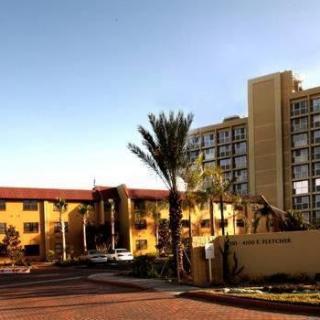
Concordia Village at Tampa
$1,750 to $2,600 / month22.3 miles away -
About the same
John Nell Manor
$1,500 to $2,800 / month8.7 miles away
Overall Review of Elm Tree Lodge
Pros
 The lodge’s small size allowed him to get attention quickly.
- Getting attention right away was the best thing about Elm Tree Lodge.
Cons
 Elm Tree Lodge wasn’t really that great.
- The aunt has not been happy there.
- The night staff neglected her on two occasions.
- They did nothing when she called about a fever and when she complained of blurry vision.
- She had to be taken to the hospital for treatment and tests.
- Her speech was very slurred and her sugar was 200.
Review
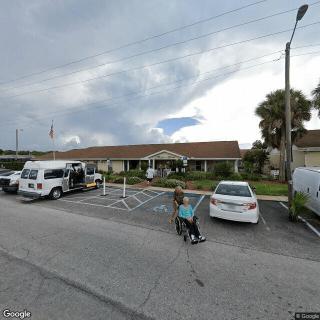
Elm Tree Lodge in New Port Richey is best suited for seniors who want a small, home-like setting where attention can feel highly personal and responsive, and where care needs are very low to moderate with stable medical conditions. The small-house format can deliver quicker, more individualized interaction than a large campus, appealing to families seeking a less institutional vibe and a resident who doesn’t require around-the-clock clinical oversight.
Explicitly, those who should consider alternatives include families with residents who need reliable 24/7 nursing, complex medical management (such as diabetes requiring constant monitoring), or that require careful supervision after surgery or during acute health episodes. The care story here is mixed: one account praises the space for feeling quickly attended to, while another centers on serious concerns about night staff responsiveness and medical neglect, culminating in a hospital visit. For any situation where safety and timely medical response are nonnegotiable, Elm Tree Lodge likely falls short.
The strongest pro, the intimate, small setting, can translate into faster responses and a clearer sense of staff visibility. This can be meaningful for residents who fear big, impersonal facilities and want someone to notice changes in condition promptly. However, the most significant con is not easily offset: inconsistent night coverage and documented lapses in care that place residents at real risk. A resident with a fever and rising health concerns, left untreated during the night, and another with blurred vision who was not adequately assisted until morning highlight a foundational weakness in acute-care responsiveness.
Those safety gaps matter most for residents with chronic conditions or post-operative needs. Diabetes management, fever monitoring, medication timing, and rapid escalation when problems arise demand steady, competent night staffing and clear protocols, things the available reviews cast doubt upon. Even the lure of a cozy, family-like environment cannot erase the fear that nighttime emergencies could be mishandled or delayed, a dynamic that defeats the peace of mind families seek when entrusting someone to care.
For families evaluating Elm Tree Lodge, the practical next steps are clear. Schedule an in-person, daylight and evening observation to gauge how the night shift actually operates: response times to call buttons, perceived staff coverage, and the cadence of rounds. Request a concrete care plan for chronic conditions and a tour of medication storage and administration practices. Verify staffing ratios, the availability of a supervising nurse, and how emergencies are escalated and documented. Ask for recent inspection results and speak candidly with current residents and their families about day-to-day care consistency.
Ultimately, Elm Tree Lodge can work for a narrowly defined resident profile: someone who prizes a homey, small-scale setting and can function with minimal, well-supported medical oversight. For anyone with diabetes that requires vigilant management, recent post-surgical needs, memory or high fall risk, or a history of nighttime care gaps, stronger options abound. Bigger communities with robust nursing staff and clearer safety nets offer more reliable 24/7 medical oversight and fewer questions about whether emergencies will be recognized and treated promptly. In decision-making, the key is aligning the setting with the actual care level required; when in doubt, broaden the search to alternatives with proven, continuous clinical support.
 Board and Care Home
 Activities on-site
 Devotional services off-site
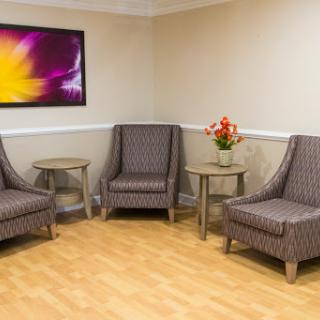
 Indoor common areas
 Tampa International (22 miles away)
 Ambulatory care
 Medication management
 Meals provided

 Weight Training for Seniors: Building Strength and Vitality
 Understanding the Sandwich Generation: Stress and Responsibilities for Multigenerational Caregivers
 8 Essential Assistive Devices for Older Adults